How to Determine the Best Temperature for Steam Sterilization?

Time:2026-06-13 Author:Amelia
0%

Steam sterilization is a critical process in various fields, especially in healthcare and laboratories. It eliminates harmful microorganisms effectively. However, determining the best temperature for steam sterilization can be challenging. Many practitioners wonder, "What is the best temperature for steam sterilization?"

Research shows that the typical range for steam sterilization is between 121°C and 134°C. Yet, many factors influence this decision. For instance, the type of materials being sterilized and the load density affect heat penetration. Higher temperatures can achieve quicker sterilization, but they may not be suitable for all items.

It’s essential to calculate the appropriate time for each temperature setting. A common mistake is assuming that higher temperatures always yield better results. In some cases, effectiveness can be compromised due to improper loading or inadequate exposure times. Thus, finding the balance between temperature and time is vital for reliable sterilization outcomes.
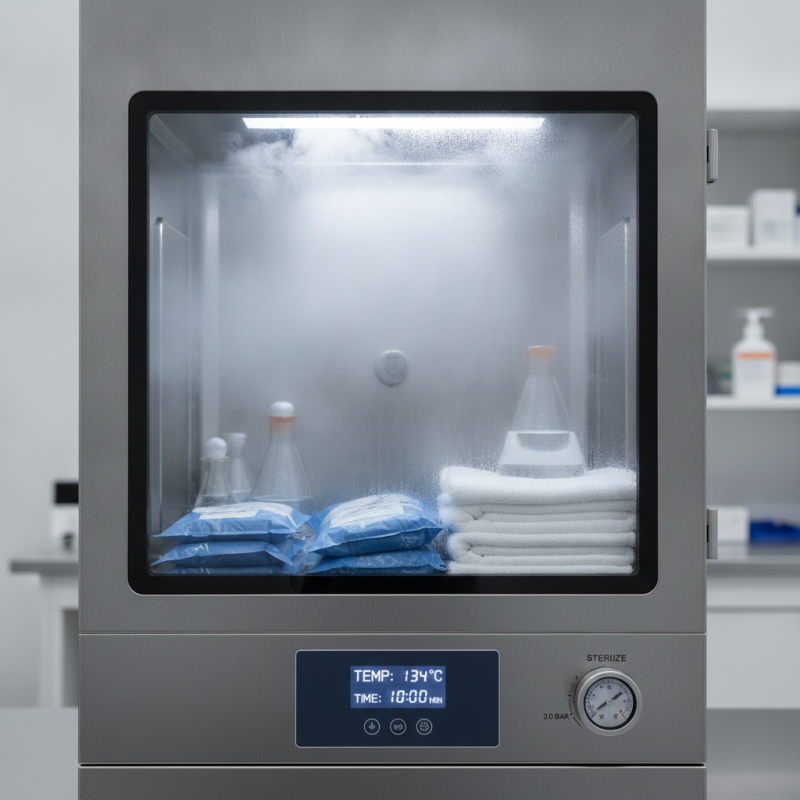
How to Determine the Best Temperature for Steam Sterilization?

Understanding the Basics of Steam Sterilization Temperature

Steam sterilization is a critical process in various fields, from healthcare to food safety. The temperature at which steam sterilization occurs is essential for effectively killing pathogens. Typically, a temperature of 121°C (250°F) is widely accepted as the minimum for proper sterilization. However, achieving this temperature consistently can be challenging due to various factors.

Understanding the basics of steam sterilization temperature involves recognizing the influence of time and pressure alongside heat. Prolonged exposure at this temperature, usually around 15-30 minutes, can ensure a higher efficacy against resistant microorganisms. However, some practitioners might underestimate the importance of maintaining both time and temperature during the process. This oversight can lead to incomplete sterilization, especially in complex loads or unevenly packed instruments.

Furthermore, some variations in altitude and equipment can affect outcomes. For instance, higher altitudes may require adjustments in temperature and time to achieve desired sterilization effects. Neglecting these details can compromise safety and efficacy. Reflection on past experiences highlights the need for consistent monitoring and validation of sterilization cycles to prevent errors. Ultimately, staying informed and attentive to these variables is key for effective steam sterilization.

Steam Sterilization Temperature vs. Effectiveness

This chart illustrates the relationship between steam sterilization temperatures (in degrees Celsius) and their effectiveness in microbial kill rates. As the temperature increases, the effectiveness of steam sterilization generally improves.

Factors Influencing the Optimal Temperature for Sterilization

When determining the best temperature for steam sterilization, several factors come into play. The type of microorganisms present greatly influences the required temperature. Bacterial spores are more resistant than vegetative cells. Higher temperatures are necessary for effective sterilization against these tougher microbes. The moisture content of the items being sterilized also affects the optimal temperature. Moist heat transfers energy more efficiently than dry heat, making it essential to maintain a balance.

Tips for effective sterilization include maintaining consistent pressure and ensuring proper contact time. If pressure fluctuates, it can compromise the sterilization process. Additionally, items should be arranged to allow steam to circulate thoroughly. Avoid overloading sterilizers, as crowded loads can lead to uneven heating.

Another crucial factor is the type of materials being sterilized. Some materials may degrade at high temperatures. Understanding the compatibility of materials with heat is vital. This ensures they do not lose integrity during the process. Always test a small sample before fully committing to high-temperature sterilization for sensitive items. Fine-tuning conditions will enhance reliability and minimize any unforeseen failures.

Common Temperature Ranges for Effective Steam Sterilization

Steam sterilization is a critical process in healthcare and laboratory settings. The effectiveness of steam sterilization largely relies on the temperature used. Common temperature ranges for effective steam sterilization typically fall between 121°C and 134°C (250°F to 273°F). Studies indicate that maintaining a temperature of 121°C for at least 15 minutes can achieve a 10,000-fold reduction in microbial load. This temperature is widely accepted across many sterilization protocols.

However, some practices prefer higher temperatures. Operating at 134°C for just three minutes also provides a reliable sterility assurance, decreasing the overall processing time. It's essential to consider the load being sterilized and its materials, as some items may not withstand higher temperatures. While maintaining higher temperatures can speed up the process, it’s critical to monitor exposure time carefully to avoid material damage.

Nonetheless, there are complexities to this process. Variables such as the steam quality, the type and density of the load, and the presence of air can affect the outcome. For instance, wet packs can compromise sterilization even at the correct temperature. This highlights the need for continuous evaluation and adjustment of sterilization protocols to ensure optimal effectiveness. Furthermore, advancements in technology are providing new insights, yet practical challenges require ongoing reflection and adaptation to best practices.

Testing and Validating Sterilization Temperature Efficiency

Testing and validating sterilization temperature efficiency is crucial in healthcare. The right temperature enhances sterilization effectiveness. However, determining this optimal temperature often requires a structured approach.

To begin with, temperature assessments should consider variances in materials. Different instruments respond uniquely to heat. Some may require higher temperatures, while others sterilize effectively at lower levels. It’s essential to document these variances meticulously. Regular testing helps prevent inconsistent outcomes.

Additionally, performing routine biological indicators can reveal failures in the sterilization process. Using spore tests provides clear evidence of temperature effectiveness. If results are inconsistent, adjustments to the sterilization protocol may be necessary. Reflecting on past failures or unexpected results can guide improvements in procedures. Continuous validation ensures reliability.
Key Point: Consistent monitoring and validation are essential for effective sterilization.

Best Practices for Monitoring and Adjusting Sterilization Conditions

Monitoring and adjusting sterilization conditions is crucial for ensuring the effectiveness of steam sterilization. Research indicates that optimal sterilization temperature typically ranges from 121°C to 134°C. At these temperatures, microorganisms are significantly reduced or eliminated. However, achieving these temperatures consistently can be challenging due to variations in load, equipment, and steam quality.

To ensure reliable sterilization, using biological indicators is essential. These indicators contain spores of resistant microorganisms. They are placed in the sterilizer and evaluated after the cycle. If the spores are killed, the cycle was effective. Additionally, log sheets should be maintained, recording temperature, pressure, and time. The Centers for Disease Control and Prevention (CDC) recommends routine monitoring to enhance reliability. However, not all facilities follow these practices consistently, raising concerns about sterilization efficacy.

Regular equipment maintenance cannot be overlooked. Calibrating temperature sensors can prevent deviations. A recent report from the Association for the Advancement of Medical Instrumentation (AAMI) noted that improper calibration might lead to incorrect sterilization cycles. Facilities must adopt a proactive approach to monitoring and adjusting sterilization conditions. While many facilities are aware of these practices, some show gaps in implementation, underscoring the need for continuous evaluation and improvement within sterilization protocols.

FAQS

: What is the minimum temperature for effective steam sterilization?

: The minimum temperature for effective steam sterilization is 121°C (250°F).

How long should items be exposed to steam at 121°C?

Items should be exposed for at least 15-30 minutes at 121°C.

Why is it important to maintain time and temperature during sterilization?

Maintaining time and temperature is crucial to ensure complete sterilization, especially for complex loads.

How do altitude and equipment affect steam sterilization?

Higher altitudes may require adjustments in temperature and time to achieve effective sterilization.

What kind of monitoring should be implemented in sterilization processes?

Facilities should use biological indicators and log sheets to monitor temperature, pressure, and time.

What is a common oversight in sterilization practices?

Some practitioners underestimate the importance of monitoring sterilization conditions consistently.

Why are wet packs problematic during sterilization?

Wet packs can compromise sterilization effectiveness, even at the correct temperature.

What's a key factor that impacts the success of steam sterilization?

The quality of the steam used significantly affects the sterilization outcome.

What should facilities do to improve sterilization practices?

Facilities need regular equipment maintenance and calibration to ensure effective sterilization cycles.

Are all facilities compliant with recommended sterilization monitoring practices?

No, some facilities show gaps in implementing consistent monitoring practices, raising efficacy concerns.

Conclusion

Determining the best temperature for steam sterilization is crucial for ensuring effective microbial eradication. Understanding the basics involves recognizing that steam sterilization uses high temperatures to achieve sterilization, typically around 121°C to 134°C. Various factors influence this optimal temperature, including the type of materials being sterilized and the nature of the microorganisms present.

Common temperature ranges for effective steam sterilization usually fall between 121°C to 135°C, but it is essential to conduct rigorous testing and validation to ensure the efficiency of the selected temperature. Best practices for monitoring and adjusting sterilization conditions play a significant role, ensuring that the process remains effective and consistent. Ultimately, identifying "what is the best temperature for steam sterilization" can greatly enhance sterilization protocols and improve safety in healthcare and laboratory environments.

Amelia

Amelia

Amelia is a seasoned marketing professional with a wealth of expertise in our company’s core offerings. With an unwavering passion for driving growth and innovation, she plays a pivotal role in shaping our marketing strategies and enhancing brand visibility. A key aspect of her responsibilities......