Choosing the right sterilization basket for surgical tools is crucial in ensuring the effectiveness of sterilization processes. According to a recent industry report by the Medical Device Manufacturers Association, improper sterilization can lead to a 30% increase in surgical site infections. These statistics underscore the importance of selecting appropriate equipment tailored to the specific needs of surgical instruments.
Dr. John Spencer, an expert in sterile processing, emphasizes, "The right sterilization basket not only protects tools but enhances the overall safety of surgical procedures." This statement highlights the critical role that a suitable sterilization basket plays in both operational efficiency and patient safety.
When considering how to choose the right sterilization basket for surgical tools, factors such as size, material, and design are paramount. Baskets must accommodate various instrument types while ensuring effective steam penetration. Reflection on past choices can reveal gaps in understanding these factors, leading to improved practices in the future. The right decision directly influences both the workflow in an operating room and patient outcomes.
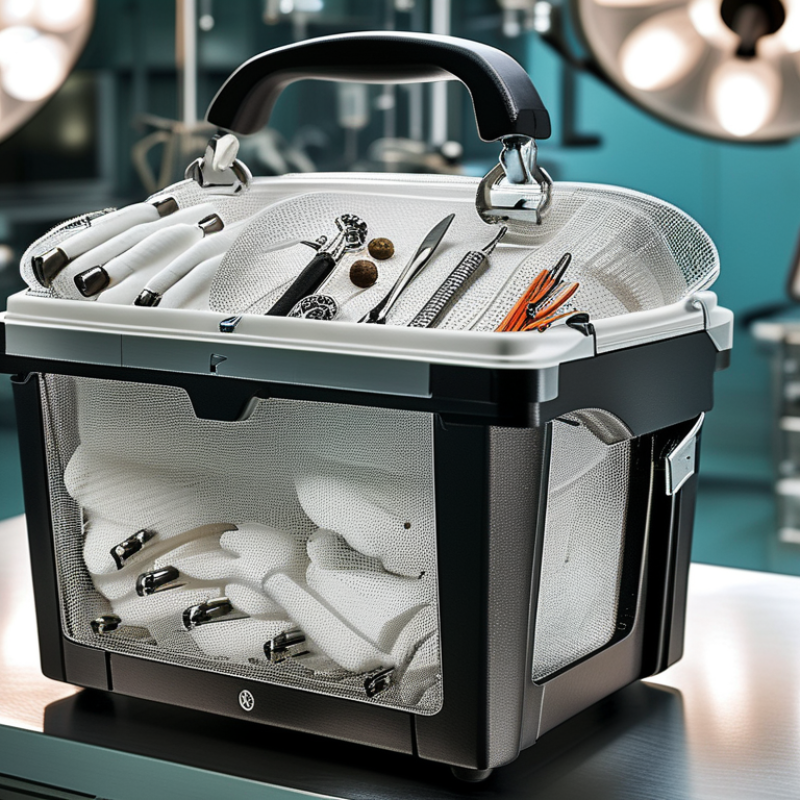
Sterilization baskets play a crucial role in medical settings. They ensure that surgical instruments and tools are properly cleaned and sterilized before use. Inadequate sterilization can lead to infections, which can have severe consequences. Medical professionals must prioritize the quality and effectiveness of these baskets.
When choosing a sterilization basket, consider the material. Stainless steel is a popular choice due to its durability and resistance to corrosion. Yet, not all stainless steel is the same. Pay attention to the thickness of the metal. Thin materials may warp or degrade over time, compromising their effectiveness.
It's essential to assess the design features of the basket. Look for baskets with perforations. They allow steam or chemical sterilants to circulate freely, ensuring thorough sterilization. Also, baskets that stack securely can save space in sterilization units. Remember, improper stacking can lead to inadequate sterilization.
Take note of cleaning ease as well. A design that accumulates debris can be troublesome. It may require more labor to maintain. Relying on a good sterilization basket is not just about initial investment. It's also about the long-term benefits of patient safety and operational efficiency.
When selecting a sterilization basket, key features significantly impact its performance and safety.
Consider material durability first.
Stainless steel is common due to its corrosion resistance and strength.
A study from the Association for the Advancement of Medical Instrumentation found that 73% of professionals prefer stainless steel over plastic for sterilization processes.
Next, basket design matters.
Look for perforated surfaces.
They allow steam or gas to circulate effectively, sterilizing instruments uniformly.
A poorly designed basket can lead to sterilization failures.
According to recent reports, 30% of sterilization failures are attributed to inadequate airflow.
Moreover, check for compatibility with various sterilization methods.
Many facilities utilize steam, EO gas, or plasma. Versatile options improve logistics and efficiency.
Consider load capacity as well.
An overloaded basket can compromise sterilization quality.
The ideal load should distribute weight evenly.
Usage patterns show that many users tend to exceed recommended limits, leading to potential risks.
Finally, think about ease of cleaning.
Baskets with removable components or smooth surfaces are preferred.
They reduce contamination risks, making routines safer for healthcare staff and patients alike.
When selecting a sterilization basket, understanding the materials used is crucial. Common materials include stainless steel, plastic, and silicone. Each comes with its own pros and cons. For instance, stainless steel is durable and resistant to corrosion, making it a popular choice in many medical settings. However, it can be heavier and may not be suitable for all types of sterilization processes.
Plastic sterilization baskets are lightweight and versatile. They are often designed for single-use applications, reducing the risk of cross-contamination. Yet, they may not withstand high temperatures as well as metal baskets. Reports from industry studies show that nearly 45% of healthcare facilities prefer stainless steel for its longevity and effectiveness in sterilization processes.
When choosing a material, consider the type of sterilization method. Steam, dry heat, and chemical sterilization each require different material specifications. Tips: Always check compatibility and test the baskets regularly. Also, look for user feedback and explore forums where healthcare professionals share their experiences. This will help you gain insight that may not be reflected in technical specifications.
| Material | Pros | Cons |
|---|---|---|
| Stainless Steel | Durable, corrosion-resistant, easy to clean | Heavy, may be more expensive |
| Plastic | Lightweight, cost-effective, available in various sizes | Less durable, may warp under high temperatures |
| Aluminum | Lightweight, good heat conductivity, resistant to corrosion | May be prone to denting, generally less durable than stainless steel |
| Silicone | Non-stick, flexible, suitable for various applications | Not suitable for all sterilization processes, less rigid |
Choosing the right sterilization basket hinges on proper sizing and compatibility with your equipment. A sterilization basket must fit your items securely to ensure effective sterilization. A report by the Association for Professionals in Infection Control and Epidemiology notes that improper sizing can lead to inadequate sterilization, potentially compromising patient safety.
Measuring dimensions is crucial. Industry guidelines recommend that baskets should allow for at least one-quarter inch of space around each item. This space facilitates optimal steam or gas penetration during the sterilization process. Some studies indicate that inadequate spacing reduces sterilization efficacy by up to 30%. Consider the dimensions of your sterilizer as well; a mismatch can hinder its performance and lead to costly delays.
Compatibility extends beyond size. Different sterilization methods may require specific types of materials and designs. For instance, metal baskets might be unsuitable for ethylene oxide sterilization. A 2022 report highlighted how improper materials led to 15% of sterilization failures in hospitals. Understanding these compatibility factors is vital. Careful measurement and consideration of your sterilization methods can prevent mishaps and ensure patient safety.
When it comes to sterilization baskets, understanding budget considerations is vital. The price can vary significantly based on materials and design. It's essential to find a balance between cost and functionality. Stainless steel options are durable but can be pricier. On the other hand, plastic baskets are lighter and more affordable, yet their longevity might be questionable.
Exploring various suppliers may lead to discovering good deals. However, always assess the quality before making a decision. Cheaper baskets might wear out quickly, leading to more expenses down the line. Look for suppliers that provide detailed specifications and user reviews. These insights can help gauge the reliability of the product.
Don’t overlook the importance of size and capacity based on your specific needs. A smaller basket could be insufficient, while a larger one might be too cumbersome. Consider your workflow to determine the right fit. Sometimes, spending a bit more for the right basket is a wise investment. Reflect on your priorities to make informed choices.
: They ensure surgical instruments are cleaned and sterilized effectively before use.
The material affects durability and corrosion resistance. Stainless steel is often preferred for its strength.
Look for perforations for steam circulation and secure stacking to prevent inadequate sterilization.
An overloaded basket can compromise sterilization. Weight should be evenly distributed to ensure safety.
Baskets that trap debris require extra maintenance, increasing contamination risks for patients and staff.
Many users overload baskets, leading to risks. Following recommended limits is crucial for effective sterilization.
Inadequate airflow from poorly designed baskets contributes to 30% of sterilization failures in medical settings.
No, the thickness and grade of stainless steel matter. Thin materials may warp and become less effective over time.
They enhance patient safety and improve operational efficiency in healthcare environments.
No, long-term maintenance and patient safety also matter significantly in the decision-making process.
Choosing the right sterilization basket for surgical tools is crucial in maintaining hygiene and ensuring patient safety in medical settings. Understanding the importance of sterilization baskets begins with recognizing their role in protecting instruments during the sterilization process. Key features to consider include durability, ease of use, and compatibility with sterilization methods. The materials used in these baskets also play a significant role, each offering unique advantages and disadvantages that can impact sterilization efficiency.
When assessing your options, sizing and compatibility are essential—ensuring that the chosen basket fits your specific equipment will enhance usability and effectiveness. Additionally, budget considerations should not be overlooked; finding the best value involves balancing quality with cost. By keeping these factors in mind, you can confidently determine how to choose the right sterilization basket for surgical tools, ultimately promoting a safer and more efficient medical environment.

Estetik Medical