Calibrating an autoclave is crucial for ensuring its effective performance. Regular calibration guarantees that the equipment operates accurately and safely. However, many professionals wonder: how often should an autoclave be calibrated? This question is vital for maintaining sterilization standards in laboratories and medical facilities.
The frequency of calibration can depend on several factors, including usage and manufacturer recommendations. Some experts suggest calibrating monthly in high-use environments. Others think biannual checks are sufficient for less frequent use. Still, relying solely on schedules may overlook signs of wear. Equipment may show signs of inaccuracy that could compromise results.
Inconsistent performance can lead to failed sterilization cycles. This not only affects safety but can also damage credibility. Regular reviews of calibration practices are essential for effective sterilization. Balancing frequency based on both guidelines and observed performance can lead to better outcomes. The question of how often should an autoclave be calibrated remains significant for ensuring effectiveness in critical environments.
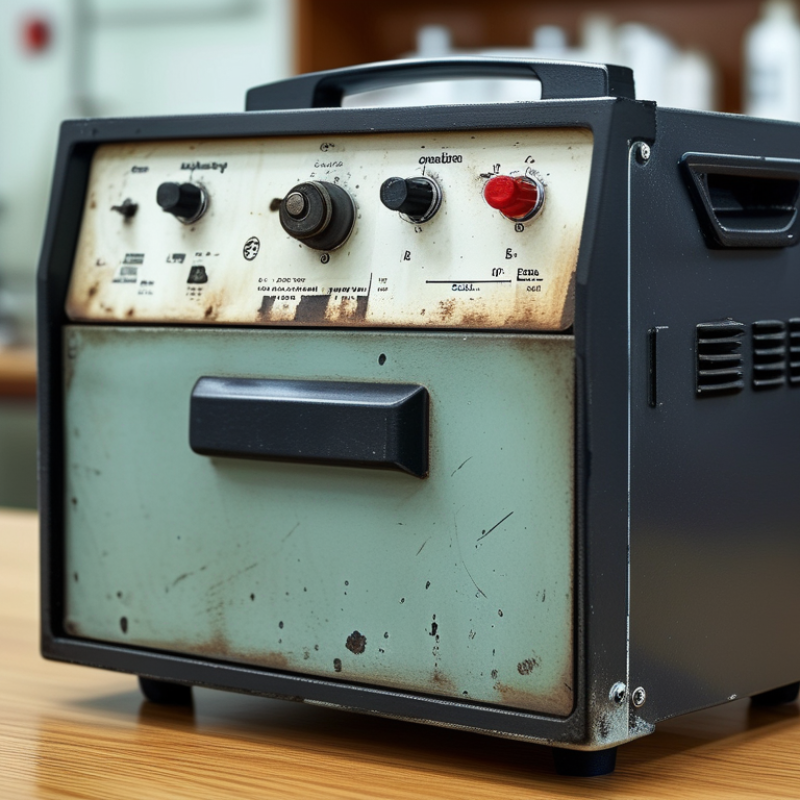
Calibration of an autoclave is crucial for effective sterilization. This process ensures that the machine operates correctly and maintains its performance. Regular calibration helps in accurately measuring temperature, pressure, and time. If these parameters are off, sterilization may fail. Therefore, understanding the importance of calibration cannot be overstated.
The frequency of calibration can vary based on usage and regulations. Regular checks are often recommended. Some facilities opt for quarterly calibration, while others may do it monthly. It's essential to analyze your specific needs. Overlooking this aspect can lead to increased risks. For example, improperly sterilized instruments can cause infections.
Keeping records of calibration events is also vital. This documentation provides insight into the autoclave's performance over time. If irregularities arise, such records can help identify patterns or issues. Reflecting on calibration practices enables continuous improvement in sterilization protocols. Each facility must evaluate its own calibration routine. Balancing compliance with operational demands is key for optimal performance.
When considering the calibration frequency for autoclaves, it’s essential to understand that different models have varying requirements. Generally, high-capacity autoclaves used in large healthcare facilities may need calibration every six months. This ensures that they maintain optimal performance, as they handle a high volume of sterilization. For smaller, portable units, once a year might suffice. However, this depends on usage levels and the specific model's design.
Regular checks are vital. Autoclaves that operate in harsh environments or undergo frequent use might require more frequent calibration. It's essential to monitor their performance consistently. Keeping records of calibration and maintenance can help identify patterns over time. If discrepancies arise during operation, recalibrating sooner may be necessary. Each unit's manual can provide insights, but real-world experience often highlights variability in performance.
Maintaining precision in calibration is a matter of reliability. Over time, even minor deviations can impact sterilization efficacy. Operators should not overlook signs of wear or performance issues. It's a delicate balance, and sometimes, more frequent calibration is needed for equipment that shows signs of instability. Understanding these nuances can significantly affect overall effectiveness in critical care settings.
Calibrating an autoclave is essential for its reliable performance. Factors such as usage frequency, types of materials processed, and environmental conditions play a crucial role in determining the calibration schedule. High-usage environments may require more frequent calibrations. This ensures that the autoclave consistently meets the required sterilization standards.
Environmental factors, including humidity and temperature, also influence calibration needs. If the autoclave is in a harsh or variable environment, more regular checks may be necessary. For instance, persistent humidity can affect sensor accuracy over time. These details help maintain efficacy but highlight potential areas for improvement.
User practices matter as well. Staff training can impact calibration intervals. Inexperienced users might overlook small issues, leading to larger problems. A culture of regular maintenance and monitoring can encourage better practices. Focusing on these aspects can help develop a more effective calibration strategy over time.
Autoclave calibration is essential for ensuring consistent performance. Signs indicating the need for calibration often include
fluctuating temperature readings and failed biological indicator tests. A study by the
American Society of Microbiology highlighted that up to 15% of autoclave cycles might be non-compliant. Regular checks can mitigate these risks.
Another clear sign is the presence of unusual noise during operation. Any deviation from the expected steam output can signal a need for recalibration.
According to the Association for the Advancement of Medical Instrumentation, autoclaves should be checked if they show discrepancies beyond 0.5°C
in temperature readings. Such variations can compromise sterilization effectiveness, potentially endangering patient safety.
Equipment maintenance records should also be monitored closely. If an autoclave hasn’t been calibrated in a year or after heavy usage, it’s a
red flag. Efficacy drops after repeated use without adjustment. Investing in regular calibration services not only secures optimal performance but also enhances
overall sterilization reliability across healthcare settings.
Calibrating an autoclave is essential for ensuring it operates at peak performance. Regular calibration helps maintain the sterile environment needed in various settings, such as hospitals and laboratories. Following industry standards for calibration frequency can enhance reliability.
Tips for calibration include keeping a detailed record of all calibration activities. This log should note the date, time, and results of each procedure. Regularly reviewing this log can reveal patterns or trends. It helps identify when issues may arise. Consistent monitoring fosters accountability and aids in troubleshooting.
Understanding the environmental factors affecting autoclaves is crucial. Temperature fluctuations and humidity can impact performance. Setting a regular schedule based on usage—perhaps every six months for high-use facilities—also ensures precision. Evaluate if the autoclave experiences unusual wear and tear or frequent fluctuations in performance. Adjusting calibration frequency based on these observations can yield better results.
: Calibration ensures effective sterilization, maintaining accurate temperature, pressure, and time.
The frequency varies. Some facilities choose monthly or quarterly, depending on usage and needs.
Neglecting calibration can lead to improper sterilization, increasing the risk of infections.
Keep detailed logs of date, time, and results of each calibration event for better tracking.
Humidity and temperature fluctuations can impact sensor accuracy and require more frequent checks.
Inexperienced staff might overlook issues, leading to bigger problems. Training can improve calibration intervals.
Regularly review logs, adjust schedules based on performance, and foster a culture of maintenance.
Unusual wear and tear or frequent performance fluctuations can indicate the need for recalibration.
Effective calibration supports reliable sterilization, crucial in health facilities, and laboratories.
Analyzing records and identifying patterns can highlight areas for improvement in sterilization processes.
Calibration of an autoclave is crucial for its optimal performance and reliability in sterilization processes. Understanding the significance of autoclave calibration helps ensure that instruments function correctly and maintain safety standards. The frequency of calibration may vary depending on the specific model of the autoclave, with some manufacturers recommending routine checks every six months, while others suggest annual maintenance. However, various factors such as usage intensity, the environment, and operational requirements can influence how often should an autoclave be calibrated.
Furthermore, recognizing signs that indicate the need for calibration—like inconsistent sterilization results or equipment malfunctions—is essential for maintaining an efficient sterilization cycle. Best practices in calibration procedures include documenting calibration events and adhering to manufacturer guidelines to prolong the life of the autoclave. By following these recommendations, users can significantly enhance the reliability and effectiveness of their autoclave equipment.

Estetik Medical