Choosing the right materials for baskets is essential in many medical settings. Medical grade stainless steel is a popular option among healthcare professionals. Why use medical grade stainless steel for baskets? This question often arises, given the critical role these baskets play in maintaining hygiene and safety.
Medical grade stainless steel offers several advantages over other materials. It provides durability and resistance to corrosion. These properties are crucial for preventing contamination in clinical environments. Additionally, stainless steel is easy to clean and sterilize, ensuring that all instruments remain safe for use. However, not all stainless steel is created equal. Some may not meet the stringent standards required in healthcare.
In considering why to choose this material, one must reflect on the implications of using inferior options. Cost may tempt some to opt for cheaper alternatives. Yet, the risk posed to patient safety could outweigh any savings. Reliable, quality materials are vital for effective medical practices. Thus, the choice of material should not be taken lightly.
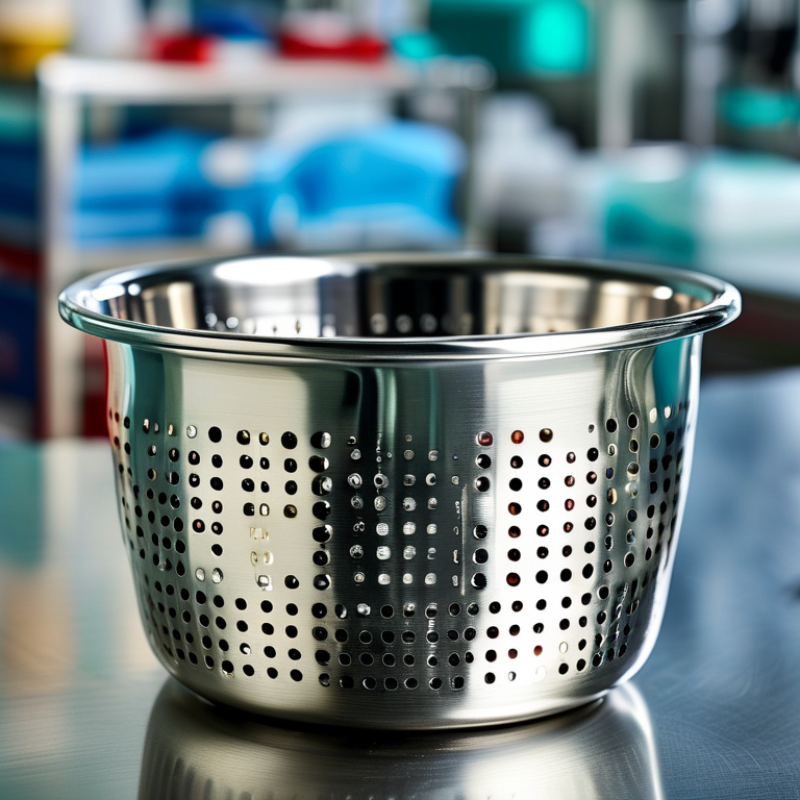
Medical grade stainless steel is known for its durability and resistance to corrosion. This makes it an ideal choice for basket manufacturing, especially in medical settings. Using this material ensures that the baskets can withstand rigorous cleaning and sterilization processes. Hospitals and clinics require tools that do not harbor bacteria. Medical grade stainless steel satisfies this need, offering a smooth surface that can be sterilized effectively.
Another benefit is the strength of this steel. Baskets made from medical grade stainless steel can carry heavy loads without bending or breaking. This strength is crucial in medical facilities where equipment needs to be reliable. The material also does not react with chemicals used in cleaning. Users can trust that their baskets will maintain integrity over time, despite constant exposure to harsh substances.
While medical grade stainless steel provides many advantages, it is essential to consider the costs involved. Manufacturing such items can be more expensive than using lower-grade materials. However, the long-term benefits often outweigh these initial costs. Investing in quality can lead to fewer replacements and lower maintenance needs. Thus, the choice of material directly impacts the overall efficiency and safety of medical operations.
Medical grade stainless steel is an excellent choice for baskets used in healthcare settings. Its exceptional durability and longevity make it ideal for various applications, from sterilization to storage. Unlike other materials, it is resistant to corrosion and rust. This resistance ensures that these baskets maintain their integrity over time, even under harsh conditions.
One of the key benefits of medical grade stainless steel is its strength. It can withstand heavy loads without bending or breaking. This is essential in a busy medical environment where safety and reliability are paramount. Additionally, the smooth surface of the steel minimizes the chance of contamination, which is critical in hospitals and clinics.
Tips: Regularly inspect your stainless steel baskets for any signs of wear. Minor scratches can lead to rusting if not addressed. Also, ensure proper cleaning and maintenance routines to extend the life of your baskets. While stainless steel is robust, it's not impervious to damage. Take care when stacking or transporting them to prevent unnecessary dents or deformation.
Medical grade stainless steel is a top choice for various medical applications, especially in baskets designed for holding instruments. One of the most crucial aspects of medical grade materials is their adherence to stringent health and safety standards. This helps ensure that they are safe for direct contact with medical instruments and sterile environments. These materials undergo rigorous testing to validate their reliability in preventing contamination.
Using medical grade stainless steel means using a material that resists corrosion and oxidation. This resistance contributes to maintaining hygiene and sterility. Instruments stored in these baskets are less likely to be compromised. However, there are challenges. Even medical grade materials can degrade under certain conditions. Regular inspections and maintenance are essential for long-term performance.
The process of selecting materials for medical baskets is not always straightforward. Different environments may demand specific properties. Sometimes, compromises are necessary. This is where expertise plays a pivotal role. Professionals must assess the unique needs of each medical setting. Ultimately, the goal is to promote safety and effectiveness in patient care. Understanding these nuances is vital for anyone involved in the decision-making process.
Choosing medical-grade stainless steel for baskets offers significant advantages, particularly in terms of corrosion resistance. This material is designed to withstand harsh environments, making it ideal for medical and laboratory settings. Unlike standard stainless steel, medical-grade versions contain higher levels of nickel and chromium, which enhance their ability to resist pitting and rust. In an industry where sterility and cleanliness are paramount, using materials that limit contamination is essential.
Tips: Always inspect your stainless steel baskets for signs of wear or damage. Even the best materials can degrade over time. Maintain a regular cleaning schedule to prevent buildup that might compromise effectiveness.
Additionally, medical-grade stainless steel is particularly valued for its durability. It can withstand repeated sterilization cycles without losing integrity. However, it is essential to remember that while this grading offers significant protection against corrosion, it is not entirely impervious. Factors such as exposure to extreme temperatures or certain chemicals can bear consequences.
Tips: Use protective coatings on stainless steel if the baskets will be exposed to harsh chemicals. Regularly review the specifications of your materials to ensure you're using the optimal grade for your needs.
Medical grade stainless steel baskets serve essential roles in healthcare. These baskets are specifically designed for sterilization and transportation of medical instruments. They withstand harsh cleaning processes and high temperatures. Their durability makes them a reliable choice in hospitals and surgical centers.
Research indicates that over 70% of healthcare-associated infections originate from non-sterile instruments. Using medical grade stainless steel significantly reduces this risk. These materials minimize corrosion and contamination. Hospitals must prioritize materials that uphold patient safety and long-term durability. Stainless steel baskets are highly resistant to tarnishing and pitting, ensuring they remain functional over time.
In surgeries, having the right tools readily available is crucial. Medical grade stainless steel baskets ensure instruments are sterile and organized. They are often used in operating rooms, labs, and sterilization processes. However, improper handling of these baskets can lead to cross-contamination. Medical staff training is essential to maximize effectiveness. Regular audits of sterilization procedures can help maintain safety standards.
| Application | Material Type | Benefits | Typical Use Case |
|---|---|---|---|
| Sterilization | Medical Grade Stainless Steel | Corrosion-resistant, Durable | Surgical instrument trays |
| Storage | 316 Stainless Steel | Easy to clean, Non-reactive | Storage baskets for medical supplies |
| Transport | 304 Stainless Steel | Lightweight, Strong | Transporting laboratory samples |
| Patient Care | Polished Medical Grade Steel | Smooth surface, Prevents bacteria accumulation | Baskets for holding patient care items |
| Cleaning | Electropolished Stainless Steel | High cleanliness, Easy maintenance | Cleaning surgical tools |
: Its exceptional durability, corrosion resistance, and longevity make it perfect for various applications in healthcare.
Regular inspections for wear are crucial. Address minor scratches to prevent rust and follow proper cleaning routines.
Yes, they are strong and can withstand heavy loads without bending or breaking, ensuring safety in busy environments.
These materials meet strict health standards, ensuring safety for direct contact with instruments and prevention of contamination.
It helps maintain hygiene and sterility, which are essential in preventing contamination in medical and laboratory settings.
Yes, even stainless steel can degrade. Regular inspections are necessary to ensure continued performance under various conditions.
Yes, different environments may require specific properties, and compromises may be needed during material selection.
Exposure to extreme temperatures or harsh chemicals can lead to degradation, even in high-grade stainless steel materials.
No, while durable, it can still be damaged. Care should be taken during handling to avoid dents or deformation.
Professionals must assess unique needs to ensure the selected materials promote safety and effectiveness in patient care.
When considering "Why use medical grade stainless steel for baskets," the advantages of this material become evident. Medical grade stainless steel offers unparalleled durability and longevity, making it ideal for basket manufacturing in healthcare settings. Its robust nature ensures that the baskets can withstand frequent use and sterilization processes without compromising their integrity. Additionally, the health and safety standards associated with medical grade materials provide assurance that these baskets are safe for various applications in clinical environments.
Moreover, the corrosion resistance properties of medical grade stainless steel enhance its suitability, as it maintains hygiene and functionality even in demanding conditions. The applications of these baskets in healthcare range from surgical settings to laboratory environments, underscoring their importance in promoting safety and efficiency. Utilizing medical grade stainless steel for baskets not only meets necessary standards but also supports the long-term goals of healthcare facilities.

Estetik Medical