In the realm of infection control, manual disinfection is critical. However, it's easy to overlook fundamental practices. Dr. Emily Carter, a leading expert in microbial safety, emphasizes, “Attention to detail is paramount in disinfection.” This insight highlights the importance of understanding what goes wrong during manual disinfection.
What are the common mistakes in manual disinfection? Many people assume that simply applying a disinfectant suffices. However, a lack of proper surface cleaning often precedes disinfection, reducing effectiveness. Additionally, improper contact time can render disinfectants useless. It is essential for individuals to realize that rushing through these steps compromises safety.
Another common error stems from inadequate training. Staff may not be aware of specific protocols or the appropriate products to use. This inadequacy can lead to inconsistent practices that jeopardize health. Reflecting on these common pitfalls can significantly enhance disinfection strategies, ensuring environments are genuinely safe for all.
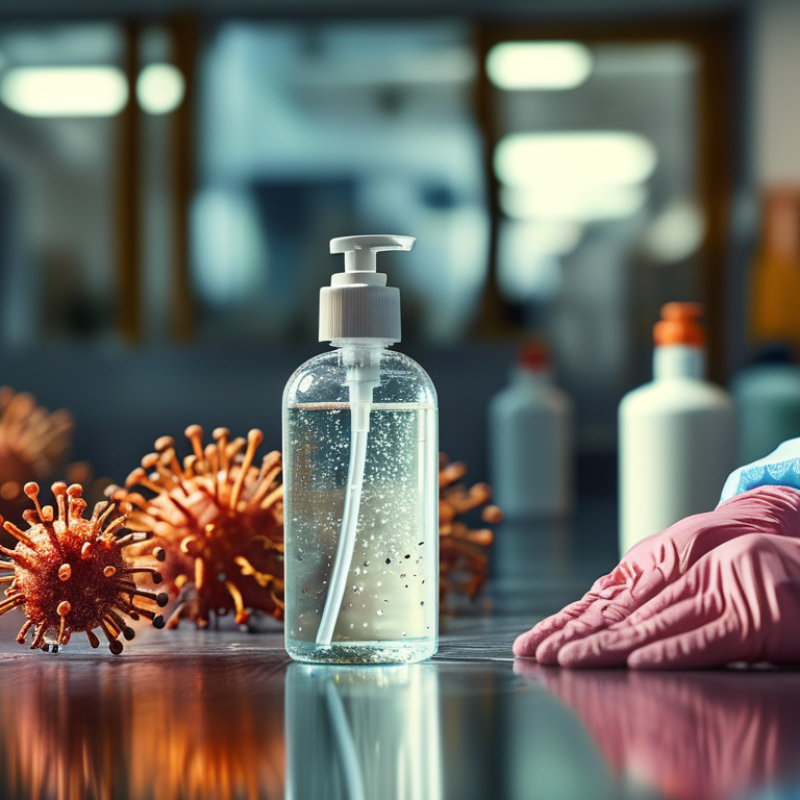
Manual disinfection plays a crucial role in maintaining safety in various environments, especially healthcare settings. It's not just about wiping surfaces; it's about understanding techniques that truly eliminate pathogens. Inadequate methods can leave harmful germs behind. Thus, following key principles is essential for effective disinfection.
One important aspect is proper surface preparation. Many people skip cleaning before disinfecting, which reduces effectiveness. Dust, dirt, and organic matter can hinder disinfectants. Another vital principle is contact time. Disinfectants need adequate time to work effectively. Rushing through the process often leads to incomplete disinfection.
Additionally, choosing the right tools matters. Using the wrong materials can lead to cross-contamination. Sometimes, even experienced staff overlook these details. They may assume all surfaces respond equally to a single wipes technique. Reflection on these points can enhance protocols and ensure safety. Consistent training and a focus on best practices are vital for proper manual disinfection.
Many people hold misconceptions about manual disinfection techniques. One common myth is that wiping surfaces quickly ensures effective cleaning. In reality, proper disinfection requires time. Most disinfectants need to remain wet on surfaces for several minutes to kill germs effectively.
Another misconception involves using any cloth or rag for wiping. Some believe that as long as you use a cloth, it will work. However, using a dirty or contaminated cloth can spread bacteria instead of removing it. It's best to use disposable wipes or dedicated microfiber cloths that are regularly laundered.
Additionally, not everyone understands the importance of following the manufacturer's instructions. Many assume that more product equals better disinfection. In fact, using too much can be wasteful and could even leave harmful residues. Proper training and awareness can significantly improve the effectiveness of manual disinfection processes. Awareness of these misconceptions can lead to better practices and a healthier environment.
| Mistake | Description | Consequence | Prevention |
|---|---|---|---|
| Inadequate Contact Time | Not allowing disinfectants to sit on surfaces long enough to kill germs. | Increased risk of infection spread. | Follow manufacturer instructions on contact time. |
| Using Dirty Rags | Using the same rag multiple times without cleaning or replacing it. | Re-contamination of disinfected surfaces. | Use single-use disposable rags or wash reusable ones frequently. |
| Not Following Safety Protocols | Neglecting to wear appropriate PPE during disinfection. | Increased risk of exposure to harmful chemicals. | Always wear gloves and masks as needed. |
| Ignoring Manufacturer Instructions | Disregarding the specific instructions outlined for the product being used. | Ineffective disinfection and potential damage to surfaces. | Read and adhere to all product labels and guidelines. |
| Failing to Clean Before Disinfecting | Not removing dirt or debris from surfaces before applying disinfectants. | Reduced effectiveness of disinfectant products. | Always clean surfaces before disinfection to ensure maximum efficacy. |
Effective manual disinfection relies heavily on the right tools and supplies. Basic items include gloves, masks, and disinfectant solutions. Disposable gloves protect your hands from harsh chemicals. Masks help prevent inhalation of harmful fumes. Using quality disinfectants is crucial for killing germs effectively. Read labels carefully to ensure the products are appropriate for the surfaces you need to clean.
Beyond the basics, consider using microfiber cloths for better absorption. They trap dirt and bacteria more effectively than traditional rags. A dedicated bucket for cleaning solutions can enhance your workflow. Keeping everything organized saves time and reduces mistakes. However, it’s essential to remember that not all cleaning tools are suitable for every job. Reflect on the surfaces you are working with and choose accordingly. Some cleaners may damage certain materials, so always test in small areas first.
This chart displays the common mistakes made during manual disinfection processes and the number of reported incidents associated with each mistake. Addressing these errors can significantly enhance the effectiveness of disinfection efforts.
Disinfection is crucial in maintaining a safe environment, particularly in healthcare settings. However, frequent errors in cleaning protocols can jeopardize safety. According to the Centers for Disease Control and Prevention (CDC), improper disinfection can lead to the spread of infections by up to 30%. This statistic underlines the importance of adhering to established cleaning guidelines.
One common mistake is inadequate contact time for disinfectants. Many people rush the process, thinking that a quick wipe is sufficient. Disinfectants need time to effectively kill pathogens. The Environmental Protection Agency (EPA) specifies that most disinfectants require at least three to five minutes of contact time. Falling short of this can leave harmful germs intact.
Another prevalent error is using the wrong cleaning solutions in certain areas. For instance, using a bleach solution on some surfaces can cause severe damage. A report from the World Health Organization emphasizes the need for tailored cleaning solutions for different environments. While speed is essential, accuracy holds equal importance. Every misstep not only risks infection spread but may also result in costly repairs or replacements. Cleaning protocols demand attention and precision to ensure safety.
When it comes to manual disinfection, many overlook fundamental best practices. One key aspect is ensuring that surfaces are thoroughly cleaned before applying disinfectants. Dust and grime can hinder the disinfection process. For effective results, always use a clean cloth or sponge. Employing the right technique is also crucial. Use a back-and-forth motion when wiping surfaces, allowing the disinfectant to stay wet for the recommended contact time.
In addition to technique, it’s essential to use the appropriate concentration of disinfectant. Many assume that more is better, but this is not always true. Overly concentrated solutions can leave residues and may even compromise the surfaces. Regular training for staff on proper disinfection methods is vital. Discussing common mistakes openly helps to foster a culture of continuous improvement. Encouraging questions can clarify confusion surrounding protocols.
Monitoring disinfection practices regularly can lead to discovery of areas needing attention. This can include uneven coverage or surfaces that are frequently missed. Creating checklists can aid in consistency and accountability. Remember, disinfection is not just a routine task; it’s an essential part of maintaining a safe environment. Reflecting on practices and adjusting accordingly can lead to more effective disinfection strategies.
: Manual disinfection is essential for eliminating pathogens, particularly in healthcare environments.
Proper cleaning removes dust and dirt, allowing disinfectants to work effectively. Skipping this step reduces effectiveness.
Disinfectants need adequate time to kill germs. Rushing the process can lead to incomplete disinfection.
No, using dirty or contaminated cloths can spread bacteria. Disposable wipes or clean microfiber cloths are recommended.
Yes, following instructions is crucial. Using too much product can waste resources and leave harmful residues.
Employ a back-and-forth motion to ensure even coverage. This helps maintain the disinfectant's wetness for effective contact time.
Regular training is vital. It fosters awareness and helps staff understand common mistakes in the process.
Monitoring helps identify areas that need attention, such as uneven coverage or frequently missed surfaces.
Not necessarily. Overly concentrated solutions can leave residues and damage surfaces, not always improving disinfection.
Creating checklists and encouraging open discussion about practices can improve accountability and effectiveness.
Manual disinfection plays a crucial role in maintaining hygiene and preventing the spread of infections, yet many individuals and organizations fall prey to common mistakes in manual disinfection. Understanding the importance and key principles of effective disinfection is essential. What are the common mistakes in manual disinfection? Misconceptions about techniques, incorrect use of tools and supplies, and failure to adhere to proper cleaning protocols can greatly diminish disinfection efforts and lead to serious health risks.
To enhance the effectiveness of manual disinfection, it is vital to familiarize oneself with essential tools and to adopt best practices. This includes utilizing appropriate disinfectants, ensuring proper surface contact time, and regularly training staff on correct procedures. Addressing frequent errors not only protects public health but also boosts overall cleanliness and safety in various environments, from healthcare facilities to everyday spaces.

Estetik Medical