How to Effectively Dry Medical Instruments After Washing?

Time:2026-06-10 Author:Sophia
0%

Proper drying of medical instruments is crucial for ensuring their safety and longevity. According to Dr. Emily Carter, a leading expert in sterilization techniques, "Effective drying methods can significantly reduce the risk of contamination." This insight highlights the importance of understanding how to dry medical instruments after washing, as improper techniques can lead to serious consequences.

In the fast-paced medical environment, maintaining sterility is non-negotiable. After washing, instruments often retain moisture that promotes bacterial growth. Many healthcare facilities use advanced drying methods, yet some still rely on outdated practices. This inconsistency poses a challenge. For instance, air drying may appear convenient but can invite problems. This is especially true in a sterile setting where every detail matters.

Every healthcare professional should ask: are we doing enough? A careful approach can prevent costly mistakes. Emphasizing effective drying protocols not only safeguards patient health but enhances instrument durability. Reflecting on methods we take for granted is essential in optimizing our processes.
How to Effectively Dry Medical Instruments After Washing?

Understanding the Importance of Proper Drying for Medical Instruments

Proper drying of medical instruments is vital for maintaining their integrity and ensuring patient safety. When instruments are not dried correctly, moisture can lead to rusting or degradation. This can compromise the sterilization process and, consequently, patient health. Therefore, understanding the significance of thorough drying is essential for every healthcare facility.

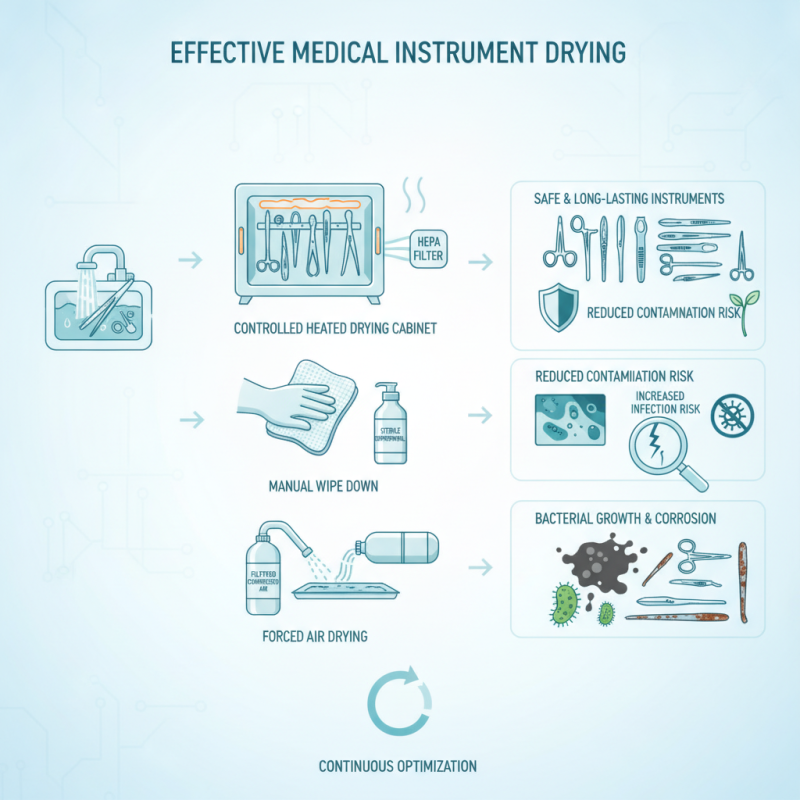
One effective tip is to use a clean, lint-free cloth immediately after washing. This removes excess water and minimizes drying time. Additionally, consider air-drying instruments using a dedicated drying cabinet to maintain a controlled environment. This method prevents contamination from ambient air and promotes complete drying, reducing the risk of moisture-related issues.

Remember, just putting instruments on a towel is not enough. Little droplets can remain hidden, causing long-term problems. It’s also important to regularly inspect and maintain drying equipment and techniques. Constant improvement in your drying process can lead to better patient outcomes and extend the life of valuable medical instruments. Always question if your methods are the best they can be.

Best Practices for Washing Medical Instruments Before Drying

Proper washing of medical instruments sets the stage for effective drying. Start with cleansing solutions that remove biological debris and contaminants. Ensure that all instruments are fully submerged during the wash. Instruments with small crevices need extra attention, as residues can easily hide there. Use a soft brush for thorough cleaning, especially on complex or intricate designs.

After washing, rinsing is crucial. Use distilled water to prevent minerals from leaving residues. This is vital for maintaining the integrity of the instruments. Inspect each piece carefully for any remaining contaminants. If you spot residues, don’t hesitate to wash again. Don't rush this step; thorough cleaning pays off in keeping instruments safe.

Drying techniques matter, too. Air drying is often preferable but can invite dust and contaminants. Use lint-free cloths or sterile drying cabinets for controlled environments. Be cautious of moisture trapped in hinges or joints. It's these little oversights that can lead to larger problems. Regular audits of your drying process can highlight areas for improvement. Ultimately, attention to these details ensures both the functionality and longevity of medical instruments.

Methods for Effective Drying of Medical Instruments

Drying medical instruments properly is essential to prevent contamination and ensure patient safety. After washing, use a combination of methods to achieve effective drying. Air-drying alone may not be sufficient, especially for intricate instruments with crevices.

Consider using a lint-free cloth to wipe the instruments. This helps remove excess moisture quickly. For larger items, positioning them on a drying rack can promote airflow. Ensure that the instruments are placed upside down to allow water to drain out effectively.

Implementing heat-based drying can also be beneficial, but be cautious. High temperatures can damage delicate instruments.

In practice, it's important to monitor the environment. Humidity can hinder drying efforts. Ideally, instruments should be dried in a controlled space with adequate ventilation. Regularly checking the drying protocols can identify areas for improvement. Not every method works for every instrument. Testing different techniques will lead to better outcomes over time.

Common Mistakes to Avoid When Drying Medical Instruments

Drying medical instruments properly is crucial. Mistakes can lead to contamination, affecting patient safety. One common error is using cloth towels. These can leave lint or fibers on instruments. In a study by the American Journal of Infection Control, 30% of hospitals reported using cloth materials, which is not recommended.

Another frequent pitfall is not ensuring proper air circulation. Instruments should be placed in a way that allows airflow. A survey showed that 25% of medical facilities overcrowded drying trays. This increases the chance of moisture being trapped, creating a breeding ground for bacteria.

Tips:
Consider using a warm air dryer. This option is more reliable than air drying. Keep drying areas clean and well-organized. Regularly check for damaged equipment that can hinder the drying process. Minimizing mistakes during drying can significantly enhance the overall safety and effectiveness of medical instruments.

Maintaining Sterility During the Drying Process of Medical Instruments

Maintaining sterility during the drying process of medical instruments is crucial. Contaminated instruments can lead to infections and compromised patient safety. According to the World Health Organization, healthcare-associated infections affect millions each year, emphasizing the importance of proper instrument handling.

To ensure effective drying while maintaining sterility, it is vital to remove all residues from washing. Water left on instruments can promote bacterial growth. An industry report highlights that 80% of contamination occurs during the drying phase. Consider employing vacuum drying or warm air methods. These methods can help avoid moisture traps that lead to microbial growth.

Environmental factors also play a significant role. Air quality, humidity, and temperature can impact the effectiveness of the drying process. For instance, in high-humidity environments, drying times increase significantly, risking sterility. Facilities must assess their drying conditions regularly. Adapting strategies based on specific needs can enhance the overall safety of medical instruments.

Effectiveness of Various Drying Methods for Medical Instruments

FAQS

: Why is proper washing of medical instruments important?

: Proper washing removes debris, ensuring effective drying and maintaining instrument integrity.

What should be used for rinsing medical instruments?

Distilled water is recommended to avoid mineral residues that may affect instruments.

How can I ensure thorough cleaning of intricate instruments?

Use a soft brush to clean crevices and complex designs carefully.

What drying methods should I consider for medical instruments?

A combination of air drying and lint-free cloths works best to remove moisture.

How can I improve drying efficiency in a humid environment?

Use controlled spaces with good ventilation to facilitate better drying.

What temperature should be used when drying delicate instruments?

Avoid high temperatures as they can damage delicate instruments during drying.

How can I maintain sterility during the drying process?

Ensure all residues are removed and consider vacuum drying to prevent moisture traps.

What common oversight should be avoided during drying?

Moisture trapped in hinges or joints can create problems, so be thorough.

Why is it essential to conduct regular audits of drying protocols?

Audits help identify areas for improvement, enhancing instrument safety and effectiveness.

What might happen if residues are left on instruments after washing?

Leftover residues can promote bacterial growth, risking patient safety and sterility.

Conclusion

Properly drying medical instruments after washing is crucial to ensure their effectiveness and longevity. Understanding the importance of this process helps in maintaining the sterility and functionality of the instruments. Effective drying methods include using sterilizers, drying cabinets, or air drying, all of which help remove moisture and prevent contamination.

To achieve the best results, one must adhere to best practices for washing before drying, avoiding common mistakes such as inadequate rinsing or not using the right drying equipment. Additionally, maintaining sterility during the drying process is paramount; therefore, it's essential to follow established guidelines meticulously. Knowing how to dry medical instruments after washing is vital for medical professionals to ensure patient safety and uphold high standards of care.

Sophia

Sophia

Sophia is a dedicated marketing professional with an exceptional depth of knowledge about her company's products and services. With a keen understanding of market trends and customer needs, she crafts insightful blog posts that not only inform but also engage readers, enriching the company’s online......