How to Ensure Air Sterilizers Meet Medical Standards for Safety?

Time:2026-05-05 Author:Ethan
0%

Ensuring that air sterilizers meet medical standards for safety is crucial in healthcare environments. Experts in the field emphasize that reliable sterilization can dramatically reduce infection rates. Dr. Sarah Hamilton, a leading authority on air quality systems, once stated, “Proper verification of air sterilizers is essential for patient safety.”

In this context, it is vital to understand how to ensure air sterilizers meet medical standards. These devices must adhere to stringent guidelines set by health authorities. Clear documentation and performance testing are key aspects. Regular maintenance practices can help identify issues before they become serious problems.

The challenge often lies in the variation of devices available. Choosing the right type requires significant expertise. Many manufacturers claim compliance, but verification is necessary. This industry often lacks uniformity in standards, creating a gray area for users. Awareness of these nuances can lead to better choices for healthcare settings.
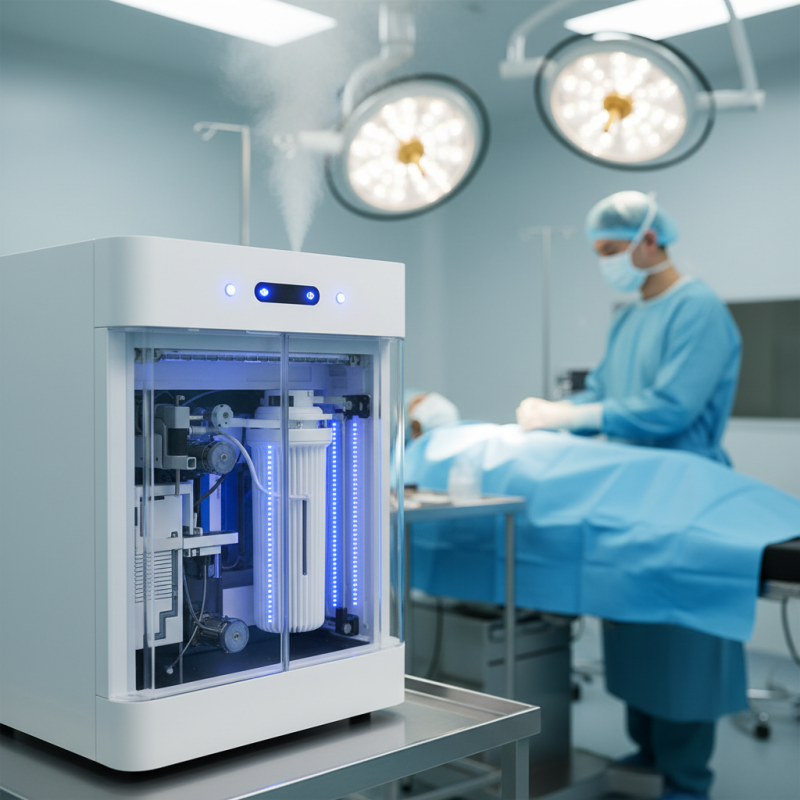
How to Ensure Air Sterilizers Meet Medical Standards for Safety?

Understanding the Importance of Air Sterilizers in Medical Settings

In medical settings, air sterilizers play a crucial role in maintaining a safe environment. Hospitals and clinics often have a higher risk of airborne infections. The World Health Organization reports that 1 in 10 patients will acquire an infection in hospitals, making air quality critical. Effective air sterilization reduces levels of pathogens, improving patient outcomes.

When selecting air sterilizers, understanding their efficiency rates is essential. Professional guidelines suggest a minimum of 99.9% efficacy in removing airborne contaminants. Regular maintenance is crucial for consistent performance. Filters should be changed regularly, and devices must be verified to meet health standards.

**Tip:** Regularly check sterilizer performance indicators. This ensures they function accurately, maintaining optimal air quality in patient areas.

Another aspect to consider is the noise level of sterilizers. Some units can be quite loud, affecting patient comfort. Finding a balance between effectiveness and noise is vital.

**Tip:** Look for silent models, especially for sensitive environments like pediatric wards.

Training staff on the proper use of air sterilizers is equally important. Effective training programs can lead to higher compliance rates with safety protocols, ultimately promoting a safer healthcare environment.

Key Medical Standards for Air Sterilizers: An Overview

When considering air sterilizers for medical use, it's crucial to understand the applicable safety standards. These standards ensure that sterilizers are effective in killing pathogens while being safe for human exposure. Key standards include those set by organizations such as the FDA and ISO. They evaluate performance, safety, and materials used. Compliance confirms that the device operates reliably.

Tips: Always check for certifications on the device. Look for validations from recognized organizations. Research reports on performance can provide insights into efficacy.

Different air sterilizers may utilize various technologies, including ultraviolet light and HEPA filtration. Each method has its own set of advantages and limitations. It's important to assess the context of use and specific requirements. Regular maintenance is also a factor, as performance can degrade over time.

Tips: Develop a maintenance schedule based on usage. Monitor the environment where the sterilizer is placed. This can help in identifying when performance issues arise.

Essential Features that Ensure Safety and Efficacy in Air Sterilizers

When considering air sterilizers, safety and efficacy are paramount. A report from the American Society for Microbiology indicates that effective air sterilizers can eliminate up to 99.9% of airborne pathogens. To ensure these devices meet medical standards, certain essential features must be prioritized.

HEPA filters are vital components. They can trap particles as small as 0.3 microns, making them effective against dust, pollen, and even some bacteria. It’s crucial to assess the filter's efficiency rating, as some low-cost options may not meet necessary standards. Regular maintenance is also important, as neglected filters can lead to increased bacterial growth.

UV-C light technology is another feature that enhances sterilization. Studies show that UV-C can inactivate viruses and bacteria within seconds. However, not all devices utilize adequate intensity levels. A device that meets regulatory safety guidelines will have specific UV-C output data available. Users must verify that any claims are backed by scientific evidence. It's important to question whether your chosen air sterilizer truly adheres to these safety benchmarks.

How to Ensure Air Sterilizers Meet Medical Standards for Safety?

Feature Description Importance Standard Compliance
UV-C Lamp Utilizes UV-C light to kill bacteria, viruses, and molds. Essential for effective microbial reduction. Meets WHO guidelines for disinfection.
HEPA Filter Filters out 99.97% of particles that are 0.3 microns or larger. Prevents dust and allergens from circulating. Complies with standards for air filtration (ANSI/AHAM).
Ozone Generation Control Limits ozone production to safe levels while sterilizing air. Ensures user and environmental safety. Follows EPA's safety standards.
Real-time Monitoring Monitors the air quality continuously and displays results. Enables informed decision-making about air quality. Ensures compliance with health standards.
Easy Maintenance Designed for easy access to filters and UV lamps for replacement. Maintains optimal efficiency and safety. Complies with user safety standards.

Testing and Certification Processes for Medical Air Sterilizers

Testing and certification processes are critical for medical air sterilizers. Ensuring these devices comply with safety standards requires rigorous evaluation. Organizations conduct tests to measure effectiveness against pathogens. These tests assess various factors, including airflow, filtration efficiency, and overall performance.

Certification authorities review testing results. They verify that the sterilizers meet national and international safety standards. This review process includes audits and inspections of manufacturing practices. Devices must demonstrate consistent performance under real-world conditions.

Not all sterilizers pass these evaluations. Some might fail due to inadequate design or faulty components. This highlights the importance of continuous improvement. Manufacturers should invest in research and development. They must stay updated on evolving standards and technologies. Implementing feedback loops from health professionals can also enhance device reliability.

Testing and Certification Processes for Medical Air Sterilizers

Best Practices for Selecting Compliant Air Sterilizers in Healthcare Facilities

Selecting air sterilizers for healthcare facilities is critical for patient safety. Compliance with medical standards ensures effectiveness in killing pathogens. A recent industry report indicates that nearly 20% of healthcare-associated infections originate from airborne contaminants. This underscores the importance of choosing air sterilizers that meet the criteria set by recognized health organizations.

When evaluating air sterilizers, consider their efficiency ratings. Look for units that achieve at least a 99.9% reduction of airborne bacteria within an hour. Additionally, reviewing independent lab results helps ensure that the performance claims are verified. Keep in mind that some models may be marketed as effective but lack essential certifications. Always prioritize devices with clear compliance documentation.

**Tips:** Regularly check maintenance logs for the sterilizers in use. While units may perform well initially, ongoing assessments can identify issues. Also, staff training is vital. Those operating air sterilizers should understand how to maximize their efficacy.

It's essential to frequently revisit selection criteria. The healthcare landscape evolves, and so do pathogen resistance patterns. Remaining informed about the latest research and recommendations is crucial. This can prevent reliance on outdated sterilization methods that may no longer be effective.

FAQS

: What are the key factors in testing medical air sterilizers?

: Testing evaluates effectiveness against pathogens, airflow, filtration efficiency, and overall performance.

How do certification authorities ensure sterilizers meet safety standards?

They review testing results, perform audits, and inspect manufacturing practices for compliance.

What might cause a sterilizer to fail testing?

Inadequate design or faulty components could lead to a failure in evaluations.

Why is continuous improvement important for manufacturers?

Ongoing improvements help keep devices reliable and meet evolving standards and technologies.

How can healthcare facilities select compliant air sterilizers?

Look for units that achieve at least a 99.9% reduction of airborne bacteria in one hour.

What role does staff training play in air sterilizer efficacy?

Proper training ensures staff can operate devices correctly and maintain maximum effectiveness.

Why should maintenance logs be regularly checked?

Ongoing assessments help identify potential issues, even if units initially perform well.

How often should selection criteria for sterilizers be revisited?

Regular reviews are necessary to keep up with the evolving healthcare landscape and pathogen resistance.

What should be considered regarding independent lab results?

Verify performance claims through independent lab results to ensure they align with certifications.

How can outdated sterilization methods impact patient safety?

Relying on outdated methods may increase the risk of infections due to ineffective pathogen control.

Conclusion

Ensuring that air sterilizers meet medical standards is crucial for maintaining safety in healthcare environments, as these devices play a vital role in controlling airborne pathogens. The article outlines key medical standards that air sterilizers must adhere to, emphasizing features that guarantee both safety and efficacy. It also details the testing and certification processes necessary to validate compliance with these standards.

Moreover, the article highlights best practices for selecting compliant air sterilizers within healthcare facilities, helping administrators make informed decisions that prioritize patient and staff safety. By understanding how to ensure air sterilizers meet medical standards, healthcare providers can enhance infection control and promote a safer clinical environment.

Ethan

Ethan

Ethan is a seasoned marketing professional with a deep expertise in our company's innovative product line. With a passion for sharing knowledge and insights, he takes the lead in regularly updating our corporate blog, where he explores industry trends, product features, and effective marketing......