Moisture plays a critical role in the integrity of sterile packaging. Understanding why moisture is a problem in sterile packaging can significantly improve the safety and efficacy of medical products. Excess moisture can lead to microbial growth, risking contamination. This is especially concerning in healthcare settings, where sterile supplies must remain uncontaminated until use.
Moreover, moisture can compromise the physical properties of packaging materials. It can weaken seals, allowing potentially harmful organisms to breach sterile barriers. When packaging fails, the consequences can be severe. The effectiveness of sterile instruments or medications can be jeopardized, leading to increased risks during medical procedures.
It is essential to recognize these issues and their implications. Evaluating the role of moisture is not simple; it requires expertise in materials science and sterilization processes. Packaging solutions must prioritize moisture control, ensuring reliable protection for sensitive medical products. Reflecting on these points highlights areas for improvement in current practices to better safeguard patient health.
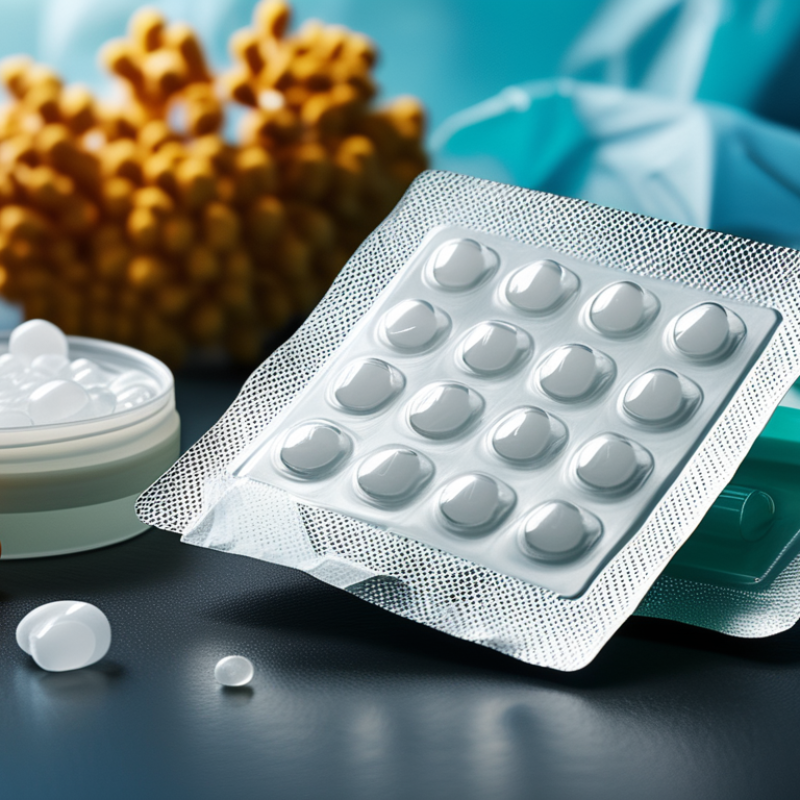
Sterile packaging plays a crucial role in the medical and pharmaceutical industries. It protects products from contamination and ensures their safety for patients. The global sterile packaging market is expected to reach $60 billion by 2025, according to market research. With this growth, understanding the factors that compromise this packaging becomes vital.
Moisture is one of the most significant threats to sterile packaging. A report from the World Health Organization highlights that 24% of sterile product failures are linked to moisture contamination. This can lead to microbial growth, which may result in serious health risks. For instance, sterile surgical instruments or medications can become ineffective if exposed to even small amounts of moisture.
Despite advancements in materials, the challenge remains. Many manufacturers still underestimate the impact of humidity on packaging integrity. Regular monitoring of packaging conditions is essential. Data indicates that even minor moisture ingress can reduce the shelf life of sterile products by 15-20%. Awareness and training in moisture management are necessary but often overlooked in many facilities.
Moisture can severely compromise the integrity of sterile packaging. When water infiltrates the packaging, it creates a breeding ground for bacteria and other contaminants. The presence of moisture can weaken the seals, leading to potential breaches in sterility. Understanding how moisture interacts with materials is crucial for maintaining safety and effectiveness.
To keep sterile packaging intact, control the environment. Store products in dry places. Humidity can sneak in from unexpected sources. Regularly check storage conditions. These precautions can prevent moisture-related issues.
Always inspect the packaging before use. Look for any signs of moisture or damage. Don't overlook smaller tears or bubbles; these can hint at larger problems. Ensuring sterility starts with thorough visual examinations. Protect your products by being vigilant.
Moisture poses significant risks to sterile packaging. The impact of water vapor on materials used for packaging is profound. When moisture enters packaging, it can trigger chemical degradation. This deterioration can weaken the integrity of the packaging. In turn, it jeopardizes the sterility of the products inside.
Many packaging materials contain polymers and other compounds. These substances can absorb moisture, leading to changes in their physical properties. For instance, plastic materials may become brittle or sticky when exposed to humidity. Moreover, moisture can facilitate microbial growth, leading to contamination. It’s crucial to monitor environmental conditions carefully.
Some manufacturers underestimate the role of moisture. They may prioritize other factors, such as cost and aesthetic appeal. However, neglecting moisture control can lead to significant product failures. Understanding the chemical effects of moisture on packaging materials is essential. It can protect products and ensure they remain sterile and effective. A proactive approach to moisture management is vital for maintaining quality and safety.
This chart illustrates the impact of moisture on various aspects of sterile packaging. Each category is rated on a scale from 1 to 10, indicating the severity of moisture’s effects, with higher values representing greater harm. Understanding these effects is crucial for maintaining the integrity and safety of sterile packaged products.
Moisture poses a significant threat to sterile packaging. Understanding sources of moisture is crucial for effective prevention. Common sources include humidity in the environment and improper storage conditions. High humidity levels can lead to condensation. This moisture can compromise the integrity of packaging materials.
To combat moisture, it’s vital to implement effective storage techniques. Use dehumidifiers in storage areas. This equipment helps maintain optimal humidity levels. Additionally, seal packages tightly to minimize air exposure. Vacuum-sealing can be an effective method to prevent moisture ingress. However, relying solely on these techniques may not be enough if the space itself is prone to high moisture.
Regular inspections are essential. Check storage areas frequently for signs of dampness. Look for water leaks or signs of condensation on walls. Promptly address any issues found. Learning from past experiences can lead to better practices. Mistakes in moisture management can be costly, so reflect on what works and what doesn’t.
Moisture poses a significant threat to sterile packaging. Proper storage and handling are essential to mitigate this risk. Industry data indicates that approximately 30% of sterile products are compromised due to moisture-related issues. This statistic underscores the importance of understanding the conditions that can lead to contamination.
When storing sterile packaging, it is crucial to maintain optimal humidity levels. The recommended range is typically between 30% and 50% relative humidity. Exceeding this range can introduce moisture, leading to compromised sterility. Additionally, packaging should be kept away from direct heat sources and sunlight. Both can increase temperature and humidity, damaging the integrity of the package.
Handling practices also play a critical role. Staff should be trained in best practices for managing sterile materials. Using gloves and ensuring clean surfaces can reduce contamination risks. Experts suggest that even minor lapses in procedure can result in significant losses. A review of handling incidents revealed that nearly 25% stemmed from inadequate staff training. These statistics highlight the necessity of continuous education and awareness in maintaining sterile packaging standards.
: Common sources include environmental humidity and improper storage conditions. Both can lead to condensation.
Use dehumidifiers and seal packages tightly. Vacuum-sealing can also help, but check the storage area.
Aim for 30% to 50% relative humidity. Exceeding this can compromise the sterility of your packaging.
Regular checks can identify dampness or leaks. Addressing issues promptly prevents further problems.
Poor handling practices can increase contamination risk. Training staff reduces the likelihood of mistakes.
Staff should learn best practices, such as using gloves and maintaining clean surfaces.
High humidity can lead to compromised packaging integrity, causing potential product loss.
Failing to manage moisture can result in costly mistakes. Reflecting on past errors is essential for improvement.
Regularly assess storage methods and make adjustments as needed. Continuous monitoring is vital.
Ongoing training helps prevent lapses that could lead to contamination and product loss. Awareness is key.
Sterile packaging plays a crucial role in the medical and pharmaceutical industries, ensuring the safety and effectiveness of products. However, understanding why moisture is a problem in sterile packaging is vital for maintaining packaging integrity. Moisture can compromise the barrier properties of packaging materials, leading to contamination and decreased shelf life. This is due to various chemical reactions that moisture can initiate, which may weaken or degrade the packaging components.
To combat moisture issues, it is essential to identify potential sources of moisture and implement effective prevention techniques. This includes using desiccants, ensuring proper sealing, and controlling environmental conditions during storage. Adhering to best practices for storing and handling sterile packaging can significantly reduce the risk of moisture damage, thereby preserving the integrity of medical and pharmaceutical products.

Estetik Medical