Maintaining endoscope disinfection equipment is critical for healthcare facilities. Proper disinfection ensures patient safety and protects staff. Yet, many facilities overlook the importance of regular maintenance. Equipment breakdowns can lead to dangerous infections. This raises the question: how to maintain endoscope disinfection equipment effectively?
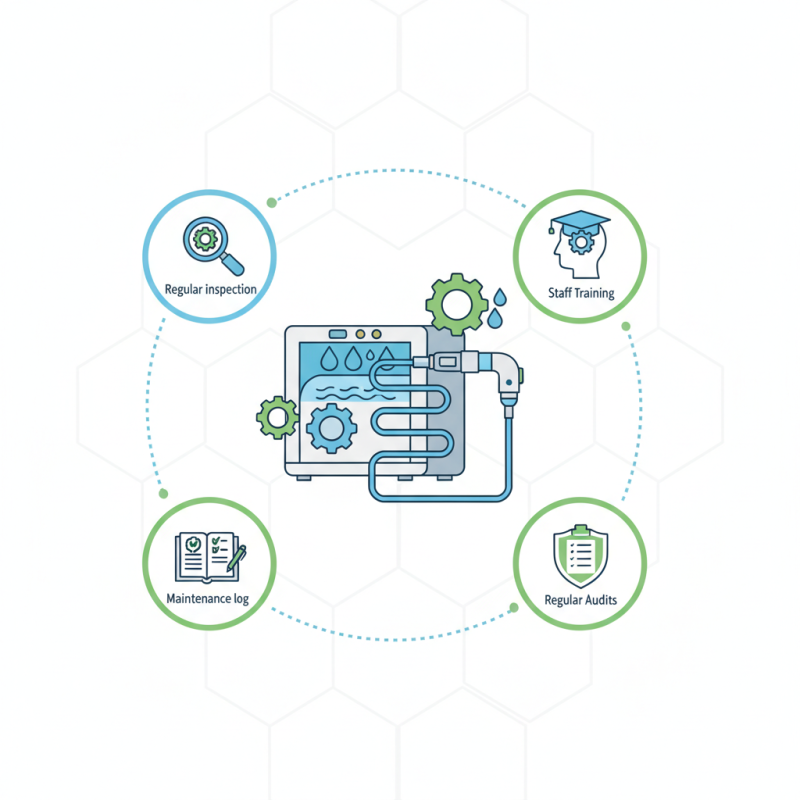
Regular inspection is essential. Check for wear and tear. Ensure that all components are functioning properly. An overlooked part can compromise disinfection. Training staff on proper usage is also vital. Often, employees may not fully understand how to operate the equipment. This gap in knowledge leads to errors and reduced efficiency.
Using a maintenance log can help track issues over time. Documenting repairs and inspections highlights patterns. These insights can guide future decisions. However, it is crucial not to become complacent. Regular audits are necessary to ensure standards are maintained. In a field where precision matters, vigilance is key. Only then can healthcare facilities truly protect their patients from potential harm.
Endoscope disinfection equipment plays a critical role in preventing healthcare-associated infections (HAIs). Studies indicate that inadequate disinfection can lead to a 30% increase in infection rates among patients undergoing procedures. This statistic underlines the importance of proper cleaning protocols, as endoscopes can harbor pathogens even after apparent cleansing.
Professionals must ensure that all disinfection methods comply with the latest industry guidelines. The CDC recommends using high-level disinfection (HLD) for endoscopes that contact mucosal surfaces. Disinfection cycles must be thoroughly monitored, as variability in temperature and exposure time can result in insufficient bacterial kill rates. It is essential to regularly verify the efficacy of these systems through biological and chemical indicators, which help in assessing performance.
Despite these efforts, lapses can occur due to human error or equipment malfunction. For instance, improper storage of endoscopes can lead to recontamination. Regular training sessions for staff members can help mitigate mistakes. Data suggests that ongoing education improves compliance rates by up to 25%. This emphasizes the need for continuous improvement in infection control practices within healthcare facilities.
Endoscope disinfection equipment plays a critical role in ensuring patient safety.
Regular maintenance is essential to keep these devices functioning effectively. Integral components include the
disinfection chamber, connections, and control panels. Each part requires careful attention to avoid performance issues.
The disinfection chamber should be cleaned daily.
Residual cleaning agents can hinder disinfection efficacy. Failure to clean might lead to harmful biofilm buildup.
Check for signs of wear and tear; replace seals and gaskets as needed.
The connections, including tubing and fittings, must be secure and free from obstructions.
Any leaks can compromise disinfection and lead to costly repairs or downtime.
Control panels need regular software updates to ensure accuracy.
Training staff on proper usage can reduce errors. Even experienced staff can overlook simple maintenance tasks.
Errors can lead to significant consequences.
A checklist can help keep staff accountable and ensure that no steps are missed in the maintenance routine.
Regular audits will highlight areas needing improvement, fostering a culture of excellence in endoscope care.
Effective endoscope disinfection is crucial in healthcare. Proper maintenance of disinfection equipment guarantees patient safety. Regular cleaning procedures are vital for efficacy.
Start by preparing the disinfection area. Ensure it is free from contaminants. Use high-quality disinfectants that meet industry standards. According to a recent report by the World Health Organization, proper disinfection can reduce infection rates by over 30%.
After disinfection, rinse all parts thoroughly. Inspect for residual debris. It's essential to document cleaning procedures. This fosters accountability and traceability in your facility.
Maintaining endoscope disinfection equipment is crucial for patient safety. Consistent monitoring plays a key role in ensuring its functionality. Regular checks of the equipment can identify issues early. Visual inspections help detect any visible signs of wear or damage.
Routine calibration of disinfection cycles is essential. Each cycle should be documented meticulously. This practice builds a reliable history of equipment performance. It also aids in identifying trends or recurring problems, which may require attention. Training staff on these processes is vital, ensuring they understand their importance and the standards that must be met.
While achieving perfect disinfection may be the goal, imperfections can arise. Some equipment may not function as expected, leading to questions about protocol adherence. Reflecting on how these situations are handled can foster improvement. It’s necessary to create an environment where staff can report issues. Open communication leads to better practices and ongoing education regarding the endoscope disinfection processes.
| Practice | Frequency | Description | Responsible Personnel |
|---|---|---|---|
| Visual Inspection | Daily | Check equipment for visible damage or contamination. | Technician |
| Functionality Testing | Weekly | Ensure all features and functionalities are operating correctly. | Biomedical Engineer |
| Calibration Check | Monthly | Verify the accuracy of disinfection parameters. | Quality Control Manager |
| Deep Cleaning | Quarterly | Perform a thorough cleaning of all components. | Maintenance Staff |
| Training Session | Annually | Update staff on best practices and new technologies. | Training Coordinator |
Training staff is crucial for effective maintenance of disinfection equipment. Clear instructions and hands-on practice are essential for understanding the processes involved. Staff should learn about the types of endoscopic procedures and the specific disinfection requirements for each. This knowledge enhances both safety and efficiency.
Regular training sessions should be scheduled. These sessions can help reinforce skills and update staff on new techniques or protocols. Discussions about challenges faced in disinfection tasks encourage problem-solving. Employees may struggle with certain equipment or disinfectants. Addressing these issues openly can lead to better practices.
Creating an environment for continuous learning is vital. Staff should feel empowered to ask questions and share experiences. Utilizing checklists can aid in completing disinfection steps thoroughly. This can reduce the chances of error. Feedback from staff can reveal areas needing improvement. Regularly assessing the effectiveness of training programs ensures that they remain relevant and beneficial.
: It ensures patient safety and identifies issues early. Regular checks can spot problems before they become serious.
Each disinfection cycle should be recorded meticulously. This builds a history of performance and identifies trends.
Staff need clear instructions on endoscopic procedures and their disinfection requirements. Hands-on practice is vital.
Regular training sessions should be scheduled. They help reinforce skills and update staff on new techniques.
Staff may struggle with certain equipment or disinfectants. Open discussions about these challenges can improve practices.
Staff feedback can highlight areas needing improvement. Their insights can lead to enhanced disinfection practices.
Staff should feel comfortable asking questions and sharing experiences. This openness encourages continuous improvement.
Yes, imperfections can occur. Reflecting on these situations can promote better adherence to protocols.
Visual inspections help detect visible wear or damage. They are a crucial part of regular monitoring.
Checklists ensure that all steps are completed. They can significantly reduce the likelihood of errors.
Effective maintenance of endoscope disinfection equipment is crucial for ensuring patient safety and optimal performance in medical settings. Understanding the importance of proper disinfection protocols lays the foundation for maintaining such equipment. Key components of maintenance include regular inspection, cleaning, and calibration of the equipment to prevent cross-contamination and ensure reliable results.
To maintain endoscope disinfection equipment, healthcare facilities should implement step-by-step cleaning procedures, focusing on thorough disinfection and appropriate drying methods. Best practices for monitoring the functionality of the equipment, along with staff training on effective usage and maintenance, are essential to uphold high standards of hygiene. By prioritizing these aspects, medical professionals can uphold their commitment to patient care and safety.

Estetik Medical