Maintaining a sterile environment in an MRI room is critical. It ensures patient safety and the integrity of imaging results. What are the requirements for MRI room sterilization? Understanding these standards is essential for healthcare facilities.
MRI rooms must be cleaned regularly. High-touch surfaces need disinfection to prevent contamination. Equipment such as coils should also be sanitized between patients. Practices vary by facility, leading to inconsistencies. Some facilities lack proper training for staff, impacting sterilization efforts.
Selecting appropriate cleaning agents is also essential. Not all solutions are safe for MRI environments. Certain chemicals can damage sensitive equipment. This highlights the need for expertise in this area. Regularly updating protocols is necessary, as new research emerges. Striving for best practices in MRI room sterilization ultimately benefits everyone involved.
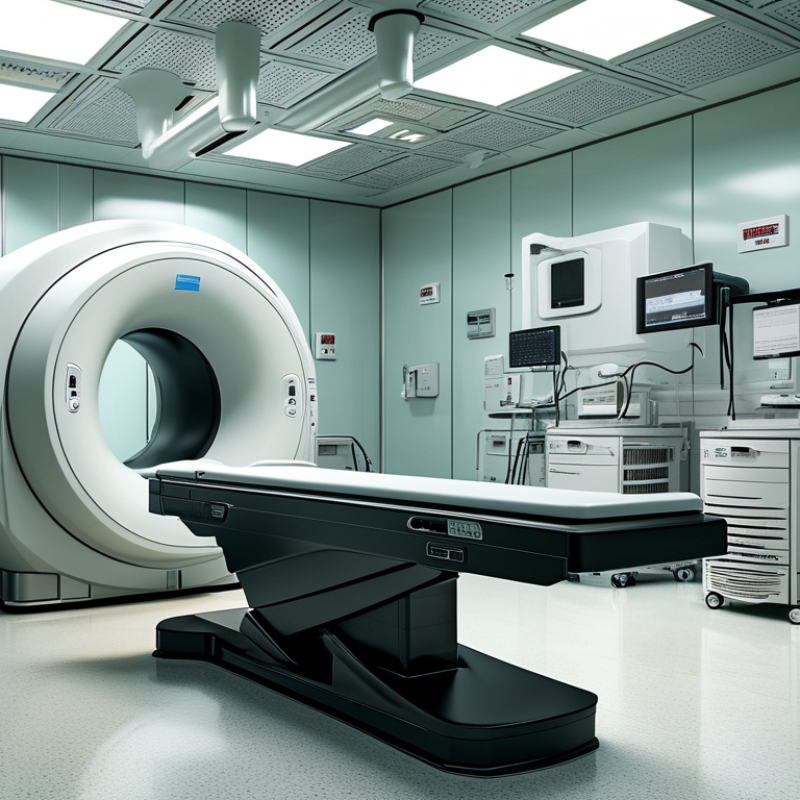
MRI rooms are specialized environments that require strict sterilization protocols. These protocols are crucial to prevent infections and ensure patient safety. The unique design of an MRI room, with its metallic surfaces and strong magnetic fields, poses challenges for traditional cleaning practices. Therefore, it’s essential that healthcare facilities implement best practices for sterilization.
Regular and thorough cleaning must be conducted using appropriate non-corrosive cleaners. This helps maintain the integrity of the MRI equipment while also ensuring a sterile environment. Disposable equipment should be prioritized wherever possible. However, not all materials can be sterilized effectively without causing damage. This introduces a dilemma for facilities striving for a balance between patient safety and equipment longevity. Regular staff training on the importance of sterility can also be beneficial. Staff should understand the potential risks involved with inadequate sterilization techniques.
Despite these efforts, achieving perfect sterility remains challenging. Factors like human error and environmental conditions contribute to this imperfection. Long-term solutions may require more advanced technologies that cater specifically to the unique needs of MRI rooms. Continuous reflection on current practices can foster improvements, ultimately raising the standard of care provided to patients in MRI facilities. Regular evaluation of protocols can bring new insights, ensuring that sterilization techniques evolve with the changing healthcare landscape.
MRI facilities play a critical role in healthcare, but they must prioritize infection control practices. Ensuring the MRI room's cleanliness is essential to minimize the risk of infections. According to a report by the Radiological Society of North America (RSNA), improper sterilization can lead to a 25% increase in infection rates among patients undergoing imaging procedures.
High-touch surfaces, like MRI machines, should be disinfected regularly. It's crucial to use EPA-approved disinfectants that are effective against a broad range of pathogens. Staff training is vital for ensuring that all personnel understand the importance of these practices. Inconsistent adherence to protocols can compromise patient safety. Studies have shown that hospitals with robust training programs saw a 40% reduction in hospital-acquired infections.
Moreover, environmental monitoring is necessary for maintaining a sterile MRI room. Regular assessments help identify areas needing improvement. Despite the established guidelines, some facilities still struggle with compliance. Regular audits can highlight these gaps, but they often reveal lingering issues that need addressing. Each incident of non-compliance is a reminder that continuous improvement is vital for patient safety in imaging environments.
Sterilizing an MRI room is a critical task that ensures patient safety and equipment integrity. When it comes to materials suitable for sterilization, non-magnetic substances are essential. Stainless steel, certain plastics, and glass are often safe choices. These materials resist corrosion and withstand the unique environment of an MRI room.
Moreover, cleaning equipment should be effective yet MRI-compatible. Steam sterilizers can be useful, but they must be validated for non-magnetic compatibility. Manual cleaning with effective solutions is another option. It’s vital to scrub surfaces thoroughly, paying attention to high-touch areas. However, some cleaning agents may not be suitable for all materials.
Staff training is essential for maintaining these practices. A lack of understanding can lead to errors in cleaning protocols. Periodic reviews of sterilization procedures may help identify gaps. Enhancing training and updating processes can mitigate risks. Small oversights can lead to significant issues in an MRI room setting. Continuous improvement in methods is necessary to achieve optimal health standards.
The cleanliness of MRI rooms is crucial for patient safety and equipment functionality. Effective cleaning protocols are necessary to maintain a sterile environment. According to the Centers for Disease Control and Prevention (CDC), healthcare facilities need to implement stringent cleaning measures. This includes using EPA-approved disinfectants on surfaces frequently touched by patients and staff.
Regular cleaning schedules are essential. Research indicates that 30% of healthcare-associated infections stem from contaminated surfaces. Thus, routine assessments should evaluate the cleaning process's effectiveness. High-touch areas, like machine controls and exam tables, require particular attention. Cotton and linen materials should be replaced after each use to minimize exposure to pathogens.
Moreover, staff training plays a pivotal role in maintaining best practices. Frontline workers should be aware of the latest cleaning protocols. Continuous education keeps the team updated on emerging pathogens and new cleaning technologies. Neglecting ongoing training can lead to lapses in cleaning standards, resulting in contamination. Frequent audits of cleaning practices can reveal areas needing improvement, ensuring a safer MRI room environment.
| Cleaning Protocol | Frequency | Materials Used | Special Considerations |
|---|---|---|---|
| Disinfection of Surfaces | Daily | EPA-registered disinfectants | Ensure compatibility with MRI equipment |
| Floor Cleaning | Weekly | Non-slip floor cleaners | Ensure no residue is left |
| Equipment Wipe-Down | After Each Patient | Isopropyl alcohol wipes | Avoid contact with electronic parts |
| Biohazard Waste Disposal | Daily | Biohazard bags and containers | Follow local regulations |
| Air Quality Maintenance | Monthly | HEPA filters | Regular filter replacements are crucial |
Maintaining a sterile environment in MRI rooms is crucial for patient safety. Compliance with sterilization standards ensures that cross-contamination risks are minimized. Regular monitoring helps in adhering to these crucial guidelines, which requires both diligence and knowledge.
Tip: Schedule routine checks of sterilization protocols. This provides an opportunity to identify areas for improvement. Small lapses in cleaning can lead to larger issues down the line.
Personnel should be trained in up-to-date sterilization practices. Consider holding workshops or refresher courses. These not only enhance compliance but also foster a culture of safety within the facility.
Tip: Implement a tracking system for sterilization audits. This improves accountability and highlights trends over time. By reflecting on these records, facilities can ensure consistent compliance and maintain high standards.
This bar chart shows the compliance rates with MRI room sterilization requirements across various facilities. The data reflects the percentage of facilities adhering to best practices in sterilization protocols.
: Sterilization prevents infections and ensures patient safety in specialized MRI environments.
Use non-corrosive cleaners and EPA-approved disinfectants for surfaces frequently touched.
Regular cleaning schedules are essential to maintain sterility and functionality.
Human error and environmental factors contribute to the difficulty in achieving perfect sterility.
Ongoing training keeps staff updated on cleaning protocols and reduces contamination risks.
Special attention must be given to machine controls and exam tables, ensuring they are cleaned frequently.
Schedule regular audits and track sterilization practices to identify areas for improvement.
Inadequate cleaning can lead to increased risks of healthcare-associated infections.
Not all materials are suitable for sterilization; some may be damaged in the process.
New technologies can address unique challenges, fostering improvements in sterilization practices.
The article titled "What are the MRI Room Sterilization Requirements for Best Practices?" emphasizes the critical need for strict sterilization protocols within MRI facilities to ensure patient safety and prevent infections. It outlines various key infection control practices, highlighting the importance of maintaining a clean environment where materials and equipment are specifically chosen for their compatibility with MRI settings.
Effective cleaning protocols are essential, involving regular disinfection of surfaces and equipment to uphold the highest standards of hygiene. Furthermore, continuous monitoring and compliance with established sterilization standards are necessary to maintain these practices consistently. Overall, understanding "what are the requirements for MRI room sterilization" is fundamental for healthcare providers to deliver safe and efficient patient care in MRI facilities.

Estetik Medical