How to Effectively Prevent Cross Contamination in the OR?

Time:2026-06-04 Author:Isabella
0%

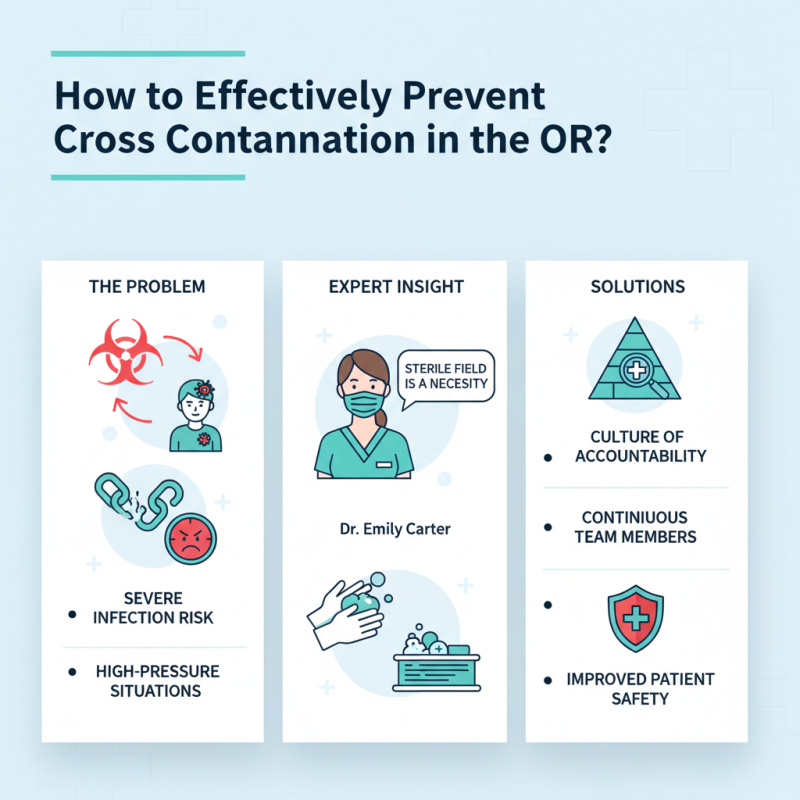
In today’s surgical environment, effectively preventing cross-contamination in the operating room is crucial. Dr. Emily Carter, a leading expert in surgical hygiene, emphasizes, “Maintaining a sterile field is not just a guideline; it’s a necessity.” As surgical teams navigate the complexities of their role, understanding how to prevent cross-contamination in the operating room becomes vital.

Cross-contamination can lead to severe infections and complications. Each member of the surgical team plays a part in maintaining cleanliness. From proper hand hygiene to appropriate use of sterile instruments, every detail matters. However, despite best practices, lapses in protocol can occur, often due to oversight or high-pressure situations.

The challenge lies in consistently adhering to strict hygiene protocols. A minor mistake can have significant consequences. By fostering a culture of accountability and continuous education, surgical teams can better understand the importance of cross-contamination prevention. Empowering every team member to speak up about potential risks is a crucial step toward achieving improved patient safety.
How to Effectively Prevent Cross Contamination in the OR?

Understanding Cross Contamination in the Operating Room

Understanding cross contamination in the operating room (OR) is crucial for patient safety. According to the Centers for Disease Control and Prevention (CDC), about 1 in 31 hospital patients contracts a healthcare-associated infection (HAI). Many of these infections stem from cross contamination, highlighting a need for effective prevention strategies.

Microbial transfer can occur via surgical instruments, surfaces, and even staff. Studies show that 50% of surgical instruments harbor pathogens before sterilization processes. This alarming statistic emphasizes the importance of stringent sterilization protocols. Regular monitoring can help maintain instrument integrity and reduce contamination risks.

Inadequate hand hygiene is another contributor. The World Health Organization (WHO) recommends that healthcare workers clean their hands at key moments. Yet, compliance rates hover around 40-60%. This gap shows the need for more training and reminders to ensure adherence. Implementing stricter protocols and regular audits may improve outcomes but can also reveal disheartening realities about current practices within the OR.

Key Practices for Sterile Technique in Surgical Procedures

Maintaining sterile technique in the operating room (OR) is crucial to prevent cross-contamination. One key practice involves hand hygiene. Surgeons and staff must wash hands thoroughly before any procedures. Alcohol-based hand sanitizers can be effective, but they should be used correctly. Gloves are not a substitute for clean hands.

Instruments should be sterile, placed in proper containers, and handled with care. Using sterile drapes also minimizes contamination risks. It's essential to avoid touching non-sterile surfaces when accessing instruments. Ensure that the surgical area is clutter-free. This limits disturbances that might introduce contaminants.

Training is vital for all personnel. Regular education can help reinforce these practices. Yet, even the best teams can have lapses. For instance, a rushed setup may lead to oversight. Reflection on past surgeries can uncover areas for improvement. Emphasizing a culture of safety encourages everyone to prioritize sterility.

Key Practices for Preventing Cross Contamination in the Operating Room

Use of Personal Protective Equipment (PPE) to Mitigate Risks

In the operating room (OR), cross-contamination is a significant risk. The use of personal protective equipment (PPE) is essential in mitigating these risks. According to the Centers for Disease Control and Prevention (CDC), proper use of PPE can reduce the spread of infections by over 50%. However, PPE is only effective when used correctly and consistently.

Many healthcare professionals underestimate the importance of donning and doffing PPE properly. A study published in the Journal of Surgical Research highlighted that improper removal of gloves can lead to contamination. This reinforces the need for thorough training on PPE protocols. Regular workshops can enhance understanding and compliance among staff.

**Tip:** Always inspect PPE for defects before use.

Despite these measures, errors can still occur. A survey by the World Health Organization found that 15% of staff reported not always wearing gloves. Continuous reminders and easy access to PPE can help prevent lapses in protocols.

**Tip:** Place reminders in key areas to encourage proper PPE use.

Balancing efficiency and safety is essential. While speed is vital in the OR, it should not compromise safety protocols. Emphasizing the importance of PPE can significantly reduce the risk of cross-contamination.

Cleaning and Disinfection Protocols for Surgical Instruments

Effective cleaning and disinfection of surgical instruments are critical in preventing cross-contamination in the operating room. Instruments must be meticulously cleaned after each use. This prevents microbial transfer during surgeries. Each instrument should be thoroughly rinsed to remove blood and tissue residue. It's essential to follow specific protocols for different types of instruments. For example, hinged instruments may require extra attention to ensure the inner mechanisms are clean.

Disinfection processes differ based on material and usage. High-level disinfection for heat-sensitive instruments is vital. Use of appropriate chemical agents can eliminate pathogens, ensuring safety. However, improper use or insufficient contact time can lead to ineffective disinfection. Common mistakes occur in the preparation stage. Instruments may not be adequately dried, which can hinder the effectiveness of chemical agents.

Regular staff training on these protocols is necessary to mitigate risks. Equipped teams are less likely to make errors. Reflection on past incidents can provide valuable insights. Continuous assessment of cleaning techniques can enhance patient safety. Mistakes happen, but learning from them fosters a culture of safety and vigilance in every surgical setting.

Education and Training for Surgical Staff on Contamination Prevention

Education and training for surgical staff are crucial in preventing cross-contamination in the operating room (OR). A study by the Association of periOperative Registered Nurses (AORN) indicates that 70% of surgical site infections (SSIs) stem from improper handling and contamination. Training programs must cover the fundamentals of aseptic techniques and the importance of adhering strictly to these protocols.

Surgical personnel often overlook simple practices. For instance, not changing gloves after contact with non-sterile items can result in significant risks. The CDC highlights that 30% of surgical teams reported witnessing breaches in sterile technique due to insufficient training. Regular workshops and simulations can help reinforce the critical nature of these practices.

Moreover, continuous education is necessary. NSQIP data shows that improving team communication can reduce contamination incidents. Briefings before surgeries can create a shared understanding of responsibilities. Yet, many teams neglect this step, demonstrating areas for improvement. The importance of fostering a culture of accountability in the OR cannot be overstated. Effective education not only enhances compliance but ultimately protects patient safety.

How to Effectively Prevent Cross Contamination in the OR? - Education and Training for Surgical Staff on Contamination Prevention

Training Module Duration (Hours) Target Audience Method of Delivery Assessment Method
Basic Infection Control 2 All Surgical Staff Lecture & Hands-on Training Quiz
Advanced Sterilization Techniques 3 Surgical Technicians Workshop Practical Assessment
Environmental Cleaning Protocols 1.5 Housekeeping Staff Online Module Completion Certificate
Personal Protective Equipment (PPE) Usage 1 All Surgical Staff Interactive Seminar Feedback Forms
Antibiotic Stewardship in Surgery 2 Surgeons & Anesthetists Case Studies Group Discussion

FAQS

: Why is hand hygiene important in the operating room?

: Hand hygiene prevents cross-contamination. Surgeons must wash hands before procedures. This is essential for patient safety.

Are gloves a substitute for clean hands?

No, gloves are not a substitute. Clean hands are still necessary before putting on gloves.

How should surgical instruments be handled?

Instruments must be sterile and handled with care. Avoid touching non-sterile surfaces during use.

Why do we need training for surgical staff?

Regular training helps reinforce best practices. Even skilled teams can have lapses, so ongoing education is key.

What should be done after each use of surgical instruments?

Instruments must be meticulously cleaned to prevent microbial transfer. This includes thorough rinsing to remove residues.

What mistakes can affect disinfection of instruments?

Improper use of chemical agents can lead to ineffective disinfection. Insufficient drying can also hinder effectiveness.

How does reflection on past surgeries help?

Reflection uncovers areas for improvement. It encourages teams to be vigilant and learn from mistakes.

What is the significance of a clutter-free surgical area?

A clutter-free area minimizes disturbances. This helps to reduce risks associated with contamination.

How can patient safety be enhanced?

Continuous assessment of cleaning techniques is essential. Learning from past incidents fosters a culture of safety.

Can rushed setups lead to problems in surgeries?

Yes, rushing may lead to oversight and lapses in sterile practices. Reflection on these moments is crucial for improvement.

Conclusion

Preventing cross-contamination in the operating room is crucial for patient safety and surgical success. To effectively address this issue, it is essential to understand the various ways contamination can occur during surgical procedures. Key practices include maintaining sterile techniques, which involve strict adherence to protocols that minimize contact with non-sterile surfaces. Moreover, the proper use of personal protective equipment (PPE) plays a vital role in reducing the risk of contamination among surgical teams.

In addition to these practices, implementing thorough cleaning and disinfection protocols for surgical instruments is essential to eliminate any potential pathogens before they are used. Education and training for surgical staff on how to prevent cross-contamination in the operating room are equally important, ensuring that all team members are aware of the best practices and protocols to follow. Overall, a comprehensive approach that combines these elements can significantly enhance the safety and effectiveness of surgical procedures.

Isabella

Isabella

Isabella is a dedicated marketing professional with a sharp focus on driving brand growth and engagement through strategic content creation. With an extensive background in digital marketing, she combines her passion for storytelling with her keen understanding of industry trends to deliver......