Surgical instruments are vital in healthcare settings, but many face the serious issue of rusting after sterilization. The process of sterilization using steam or ethylene oxide can inadvertently lead to moisture remaining on instruments, promoting corrosion. According to a report by the American Society for Healthcare Engineering, improper drying of these instruments can increase rust rates by up to 50%.
Dr. Linda Oxley, an expert in surgical instrument maintenance, highlights the concern: "Understanding why surgical instruments rust after sterilization is crucial for preserving their integrity." This statement underscores the importance of addressing the root causes of rust.
Furthermore, factors such as the type of metal, storage conditions, and residual contaminants play a significant role. For instance, stainless steel is often chosen for its resistance to rust; however, it is not entirely immune. As professionals in the field, we must acknowledge that slight oversights in handling can lead to significant challenges in instrument longevity. Each step in the cleaning and sterilization journey requires diligence to prevent deterioration. Rust not only impacts functionality but also can lead to increased costs and patient safety concerns.
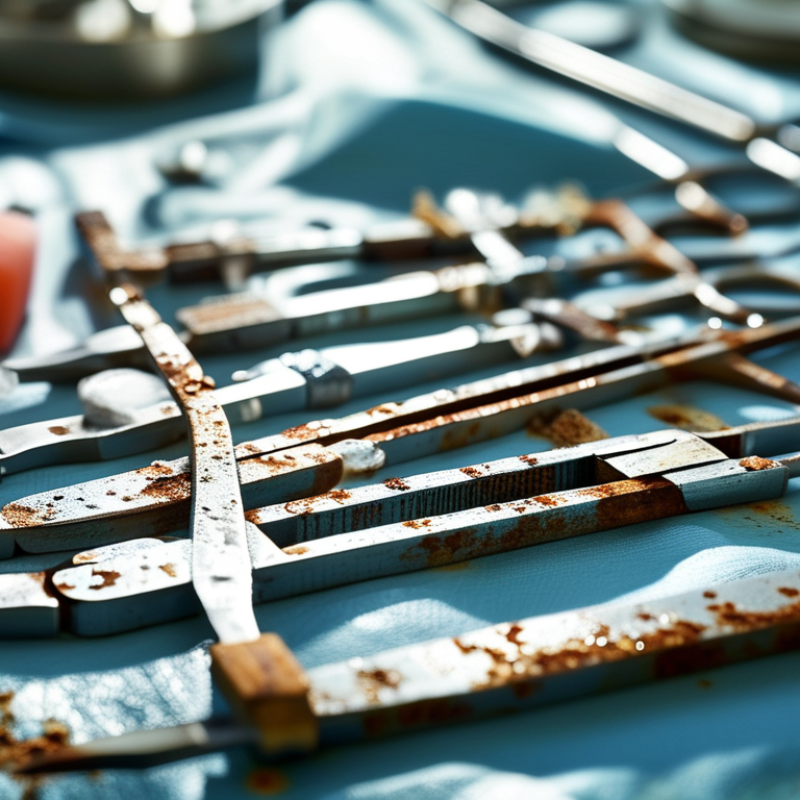
Rust on surgical instruments can be a significant concern post-sterilization. Several factors contribute to this issue. One major element is the presence of moisture. Even when instruments are properly sterilized, residual water can lead to rust formation. Proper drying techniques are crucial. Inadequate drying time often results in hidden moisture lingering in hard-to-reach areas.
Another factor is the quality of materials used in instrument manufacturing. Instruments made from lower-quality metals tend to rust more quickly. Corrosion-resistant materials should be prioritized. Additionally, repeated exposure to harsh sterilization processes can degrade the protective coatings. This degradation accelerates rust development. It's important to assess the compatibility of instruments with sterilization methods.
Environmental factors also play a role. Humidity and temperature fluctuations in storage areas can promote rust growth. Storing instruments in a controlled environment is vital. Regular maintenance checks can help identify early signs of rust. These checks can prevent further damage and prolong the lifespan of the instruments. Addressing these aspects can greatly enhance the reliability and safety of surgical instruments.
Cleaning surgical instruments before sterilization is critical for preventing rust. Proper cleaning minimizes organic residue, which can lead to corrosion. A report from the Association for the Advancement of Medical Instrumentation (AAMI) states that 30% of surgical instruments fail due to inadequate cleaning.
Using an enzymatic cleaner is effective. It breaks down blood and tissue, making it easier to remove contaminants. Instruments should be rinsed in distilled water after cleaning. This prevents mineral deposits, which can cause rust over time. Also, soaking instruments for 10-15 minutes can help enhance the cleaning process.
Manual cleaning requires extra attention. Staff must ensure all surfaces, including crevices, are thoroughly scrubbed. Automated washers may not reach every area. Regular audits should be performed to identify lapses in staff training or cleaning protocols. Continuous improvement in cleaning practices is essential for maintaining instrument integrity.
Choosing the right sterilization method is crucial in preventing rust on surgical instruments. Different techniques can affect the longevity and performance of these tools. Steam sterilization, for instance, is widely used due to its effectiveness. However, it can foster rust if instruments aren't dried properly afterward.
Chemical solutions are another option. They help in reducing the chances of corrosion. It’s essential to choose the right concentration. Too high can be damaging; too low may not be effective. Manual washing before sterilization also plays a key role. It ensures that organic materials don't compromise the sterilization process. Scrubbing can leave micro-abrasions, which might later promote rust.
Regular inspection and maintenance are vital. A routine check can catch rust early. Instruments should be oiled after thorough cleaning and drying. This small step adds a protective layer. Education on handling and storage also helps. Improper storage can lead to moisture accumulation. Practicing these methods and reflecting on existing procedures can improve rust prevention.
Effective drying techniques play a crucial role in preventing rust on surgical instruments after sterilization. A significant report by the Association for the Advancement of Medical Instrumentation (AAMI) reveals that improper drying accounts for up to 30% of instrument corrosion cases. Ensuring complete removal of moisture is essential, as even small amounts can lead to rust formation.
Consider using forced air drying systems. These systems significantly reduce moisture levels by blowing warm, filtered air over instruments. Studies show that instruments dried with forced air exhibit a 90% lower rust occurrence compared to those left to air dry. Additionally, the use of absorbent materials during the drying process can aid in moisture elimination. However, it’s important to note that all materials must be compatible with surgical instruments to avoid cross-contamination or damage.
Another method is implementing a drying cycle in sterilization machines. This step is often overlooked, yet it can make a substantial difference. Not all sterilizers have effective drying functions. Relying on the drying capability alone can sometimes be insufficient. Regularly reviewing and upgrading equipment can enhance effectiveness, ensuring that instruments remain in optimal condition. Addressing these elements helps mitigate the risk of rust, though ongoing evaluation is essential to adapt to changing needs.
Proper storage of surgical instruments is critical in preventing rust after sterilization. Research indicates that nearly 25% of surgical instruments suffer from rust, which can compromise their integrity. One effective solution is to store instruments in a dry environment. Humidity accelerates rust formation on metal surfaces. A humidity level below 60% is recommended for optimal instrument preservation.
Different storage materials also play a vital role in minimizing rust risk. Stainless steel instruments require non-corrosive trays or containers. These should allow air circulation while providing protection from moisture. Utilizing silica gel packets within storage containers can effectively absorb excess humidity. Regularly checking and replenishing these packets can be beneficial.
Cleaning practices before storage are equally important. Residue from surgical procedures can initiate rust if not adequately removed. Instruments should be thoroughly cleaned and dried prior to storage. This step often gets overlooked, leading to preventable deterioration. By addressing these factors, healthcare facilities can significantly enhance the longevity and performance of their surgical instruments.
| Storage Method | Description | Effectiveness | Recommended Use |
|---|---|---|---|
| Dry Heat Storage | Instruments are stored in a dry environment at elevated temperature. | Highly effective in preventing rust. | Recommended for long-term storage. |
| Desiccant Packs | Use of silica gel packs to absorb moisture in storage areas. | Moderately effective; depends on area size. | Useful in humid environments. |
| Rust Inhibitor Coating | Applying a protective layer that prevents moisture contact. | Very effective when properly maintained. | Ideal for frequently used instruments. |
| Ventilated Cabinets | Storing instruments in a ventilated space to reduce humidity. | Effective, but requires proper air circulation. | Suitable for general storage of sterilized tools. |
| Regular Maintenance | Routine inspection and care of instruments. | Critical for longevity and preventing rust. | Essential for all surgical instruments. |
: It prevents rust and corrosion, significantly improving instrument longevity. Inadequate cleaning leads to a 30% failure rate.
Use enzymatic cleaners. They break down blood and tissue, simplifying the cleaning process.
Rinse in distilled water. This prevents mineral deposits that can cause rust over time.
Soak instruments for 10-15 minutes to enhance cleaning effectiveness.
Ensure all surfaces, including crevices, are scrubbed thoroughly. Automated washers may miss some areas.
Use forced air drying systems. They significantly reduce moisture, lowering rust occurrence by 90%.
It minimizes rust risks. Nearly 25% of instruments can rust if not stored properly.
Maintain humidity below 60% to protect instruments from rust formation.
They absorb excess humidity, reducing rust risks. Regularly check and replace them for best results.
Not cleaning and drying instruments thoroughly before storage often leads to preventable rust.
Surgical instruments are essential in medical procedures, yet they are susceptible to rusting, particularly after sterilization. Understanding "why do surgical instruments rust after sterilization" is crucial for healthcare facilities to ensure the longevity of these tools. Factors such as residual moisture, contaminants, and inappropriate sterilization methods can contribute to the onset of rust.
To prevent rust, best practices in cleaning instruments before sterilization are vital, alongside selecting the right sterilization techniques tailored to the instrument materials. Implementing effective drying methods post-sterilization, such as using forced air or ensuring adequate drying time, can significantly reduce the risk of rust. Lastly, proper storage solutions are essential, as maintaining a dry and clean environment can minimize the chance of corrosion, ultimately preserving the quality and functionality of surgical instruments.

Estetik Medical