In recent years, hospitals have faced a growing challenge with pathogens. These microorganisms thrive in controlled environments and can lead to severe infections. Many facilities are exploring innovative solutions to combat these threats. One of the most promising methods is the use of UV-C light.
Why is UV-C light effective against hospital pathogens? This technology employs short-wavelength ultraviolet light to disrupt the DNA of harmful bacteria and viruses. When exposed, pathogens cannot reproduce or thrive. Studies show that this method can significantly reduce the presence of pathogens in clinical settings. Hospitals using UV-C light report lower infection rates.
However, it is essential to recognize that UV-C light should complement existing cleaning protocols. It is not a standalone solution. Staff training on its effective use is crucial. Moreover, understanding the limitations of UV-C light is vital. Effective pathogen elimination requires a multi-faceted approach. Overall, UV-C light serves as a powerful ally in the fight against hospital-acquired infections.
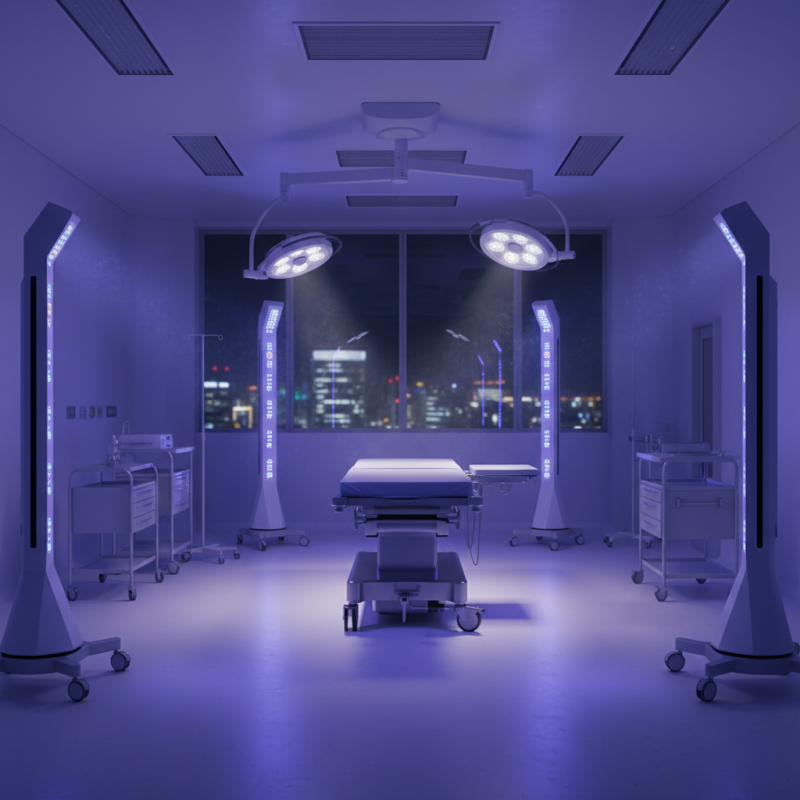
UV-C light is a powerful tool in the fight against hospital pathogens. Its mechanism of action is primarily based on its capacity to damage the DNA or RNA of microorganisms. When exposed to UV-C light, pathogens such as bacteria, viruses, and fungi absorb this radiation. This absorption leads to the formation of pyrimidine dimers in their genetic material. Consequently, their ability to replicate is hindered.
Studies indicate that UV-C light can eliminate up to 99.9% of pathogens in healthcare settings. A report from the CDC highlights that disinfecting surfaces with UV-C light can significantly reduce hospital-acquired infections. Moreover, when used in conjunction with traditional cleaning methods, the effectiveness increases.
However, while UV-C shows promise, it's essential to remember its limitations. Not all surfaces may be reachable, and shadows can inhibit its effectiveness.
Safety is also a concern. Direct exposure to UV-C light can harm human skin and eyes. Therefore, careful implementation is crucial. While UV-C technology provides an additional layer of defense, it should complement, not replace, existing hygiene practices. Balancing these aspects ensures the optimal use of UV-C light in reducing healthcare-associated infections.
UV-C light has emerged as a powerful tool in eliminating hospital pathogens. Its effectiveness lies in the way it interacts with bacterial DNA and RNA. When exposed to UV-C light, the DNA molecules of bacteria absorb UV-C radiation. This absorption leads to the formation of harmful pyrimidine dimers. These dimers disrupt the normal replication process of DNA. The result is that bacteria cannot reproduce properly, leading to their eventual death.
RNA is equally vulnerable to UV-C light. Similar to DNA, RNA absorbs UV-C radiation, which causes significant damage. This damage hampers the protein synthesis process. When bacteria can’t produce the proteins necessary for survival, they are rendered inactive. This rapid breakdown is critical in high-risk environments like hospitals.
While UV-C technology shows promise, it is not perfect. Factors such as proper light intensity and exposure time must be optimized for maximum effectiveness. Shadows and obstructions can limit light distribution. Moreover, not all pathogens respond equally to UV-C treatments. Continuous research helps improve understanding and application of this technology in healthcare settings.
| Reason | Mechanism | Effect on DNA/RNA | Pathogen Types | Efficacy Rate (%) |
|---|---|---|---|---|
| Direct DNA Damage | UV-C light causes covalent bonds to form between adjacent thymine bases in DNA. | Prevents replication and transcription | Bacteria, Viruses | 99.9% |
| Effective Against Spores | UV-C light penetrates spore coatings to inactivate resting spores. | Inhibits germination | Fungi, Bacterial Spores | 98% |
| Broad Spectrum Activity | Effective against a wide range of microorganisms. | Damages nucleic acid structure | Viruses, Bacteria, Protozoa | 97% |
| Fast Action | Rapid inactivation with short exposure times. | Immediate effects on cellular functions | Viruses, Bacteria | 95% |
| Reduced Chemical Use | Less reliance on chemical disinfectants. | Not applicable | Bacteria, Viruses, Fungi | 90% |
UV-C light is gaining attention in hospital settings for its ability to effectively eliminate pathogens. This technology uses short wavelengths to disrupt the DNA of bacteria and viruses. The result? A cleaner, safer environment for patients and staff alike.
One major advantage of UV-C light is its efficiency. It can disinfect surfaces and air within minutes. No need for harsh chemicals or labor-intensive cleaning protocols. Additionally, it reaches areas that traditional cleaning methods might miss, ensuring thorough disinfection. However, it’s important to remember that some surfaces may become damaged with repeated exposure. So, regular assessments are necessary.
Another benefit is its role in infection prevention. Hospitals face ongoing challenges with antibiotic-resistant bacteria. Incorporating UV-C light provides an added layer of protection against these threats. Yet, facilities should ensure proper training for staff. Understanding how to use UV-C devices safely is crucial. This technology is promising, but it needs careful implementation and oversight to maximize its effectiveness.
The use of UV-C technology in hospitals has shown remarkable success in reducing pathogen levels. A study conducted in a large metropolitan hospital revealed that UV-C can reduce pathogen counts by over 90% in key areas. This approach addresses the critical need for effective disinfection methods as antibiotic-resistant infections rise. Hospitals implementing UV-C light have reported declines in healthcare-associated infections (HAIs).
Case studies highlight the practical applications of UV-C. In one instance, a university hospital adopted UV-C devices in patient rooms post-discharge. Within the first six months, they noted a 25% drop in HAIs. Another facility utilized UV-C in operating rooms, resulting in a remarkable reduction in contamination rates. Such data reflect the growing acknowledgment of UV-C efficacy in real-world settings.
**Tips:** When considering UV-C technology, assess the specific needs of your facility. Conduct pilot studies to measure effectiveness in your context. Patient and staff feedback can provide valuable insights into the implementation process. It's essential to maintain regular evaluations to ensure continued compliance with health standards. Be open to adjustments as technology evolves.
Using UV-C light in hospitals raises important safety considerations. While it effectively kills pathogens, its usage requires careful handling. Direct exposure can harm skin and eyes. Staff must be trained to use this technology safely. Personal protective equipment is essential during UV-C treatments.
There are limitations in its effectiveness. UV-C light cannot penetrate surfaces hidden from direct light. Shadows reduce its germicidal efficacy. Regular cleaning remains necessary to support UV-C disinfection. It complements, rather than replaces, traditional cleaning methods. Awareness of these factors is crucial for successful implementation in healthcare settings.
: UV-C light damages the DNA or RNA of microorganisms, preventing their replication and leading to cell death.
UV-C light can eliminate up to 99.9% of pathogens in healthcare settings, significantly lowering infection rates.
Not all surfaces can be reached, and shadows can block its effectiveness, making complete disinfection challenging.
Direct exposure to UV-C light can harm skin and eyes, so safety precautions are crucial during its use.
UV-C should complement traditional cleaning methods, enhancing overall infection control rather than replacing existing practices.
Proper light intensity and exposure time are vital; optimizing these can improve UV-C's disinfection capabilities.
Conduct pilot studies and gather feedback from patients and staff to determine UV-C's effectiveness in your specific context.
No, different pathogens may respond differently to UV-C treatments, so continuous research is necessary for better understanding.
Regular evaluations are important to ensure effectiveness and compliance with health standards; be open to making adjustments.
Yes, many hospitals report significant reductions in healthcare-associated infections after implementing UV-C treatments.
UV-C light has emerged as a powerful tool for eliminating hospital pathogens, primarily due to its mechanism of action that disrupts microbial DNA and RNA. By targeting and damaging the genetic material of bacteria and viruses, UV-C light effectively inactivates these pathogens, preventing their replication and spread within healthcare environments.
The advantages of using UV-C light in hospitals include its ability to enhance cleanliness and reduce the incidence of hospital-acquired infections. Various case studies have demonstrated successful implementation of UV-C technology, showcasing its efficacy in different healthcare settings. However, it is essential to consider safety measures and the limitations of UV-C utilization to ensure effective and responsible use. Overall, understanding why UV-C light is effective against hospital pathogens is crucial for its integration into infection control protocols.

Estetik Medical