Endoscope reprocessing is a critical aspect of patient safety in healthcare. However, improper reprocessing can lead to severe risks. What are the risks of improper endoscope reprocessing? These risks can affect both patients and healthcare providers.
Inadequate disinfection may allow pathogens to survive. This can result in infections that are difficult to treat. A few cases have highlighted outbreaks linked to contaminated endoscopes. The intricate design of endoscopes makes thorough cleaning challenging. Each nook and cranny can harbor harmful bacteria if not treated properly.
Another concern is the potential for equipment damage. Improper techniques can lead to malfunction, risking patient safety. Medical institutions must adhere to guidelines meticulously. Neglecting these protocols can have catastrophic outcomes. End-users must be trained and vigilant in their reprocessing practices. Awareness and education are key to preventing adverse events.
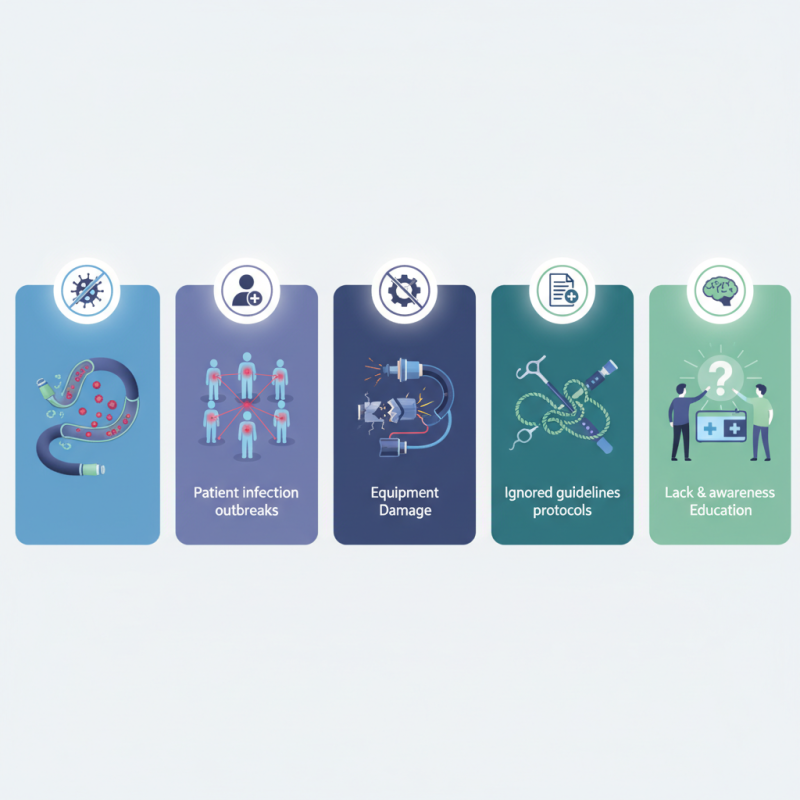
Endoscopes are crucial tools in modern medicine, yet their improper reprocessing can lead to significant risks. Contaminated endoscopes can transfer pathogens to patients. This transmission may result in severe infections. For instance, antibiotic-resistant bacteria can thrive in residual biofilms on inadequately cleaned instruments. The consequences can be devastating, especially for immunocompromised patients.
Infection outbreaks have been documented following procedures with contaminated endoscopes. Hospitals must prioritize sterilization protocols to avoid these dangers. Even minor lapses in cleaning can compromise patient safety. Staff training is essential, as errors often arise from insufficient knowledge of reprocessing techniques. Implementing strict guidelines can mitigate risks, but accountability is equally important.
Awareness of these risks is vital for healthcare professionals. It’s disconcerting that some facilities may overlook the gravity of proper endoscope reprocessing. A culture of safety must prevail. Regular audits and ongoing education can help maintain standards. Patients deserve assurance that they are safe during procedures involving these complex instruments.
Infection transmission from improper endoscope reprocessing poses serious risks. Endoscopes are delicate instruments used in various medical procedures. If not cleaned properly, they become breeding grounds for harmful pathogens. Contaminated endoscopes can transmit infections, leading to severe patient complications.
Several high-profile cases highlight the consequences of inadequate reprocessing. For instance, patients have contracted infections due to poorly sanitized endoscopes. This raises concerns about hospital protocols and staff training. Healthcare facilities must prioritize stringent cleaning procedures. Yet, not all facilities achieve this standard, leading to varying levels of patient safety.
Effective reprocessing requires attention to detail. Staff need clear guidelines on cleaning agents and techniques. Additionally, monitoring reprocessing outcomes helps maintain quality control. However, lapses do occur, reflecting the human factor in healthcare. Continuous education and audits are vital for improving practices. Each step in the reprocessing chain must be fully understood and diligently followed to safeguard patient health.
Insufficient cleaning protocols during endoscope reprocessing can lead to serious complications. A report from the Centers for Disease Control and Prevention (CDC) highlights that nearly 1 in 10 endoscopes may be contaminated due to improper reprocessing. This contamination often results in infection outbreaks, putting patients at risk of serious illnesses, including gastroenteritis and respiratory infections.
Moreover, studies indicate that the risk of cross-contamination is amplified when cleaning protocols are not strictly followed. Inadequate drying of endoscopes can foster the growth of harmful bacteria. According to a recent investigation, hospitals that struggled with reprocessing experienced an increase in patient infections by 25%. This statistic emphasizes the need for stringent adherence to established protocols to ensure patient safety and care quality.
Reflecting on these data, it’s clear that healthcare facilities must reassess their cleaning practices. Regular audits and staff retraining programs are crucial to ensure compliance. The implications of negligence can be dire, resulting not only in patient harm but also legal consequences for healthcare providers. Proper endoscope reprocessing is an essential aspect of patient care, and lapses should not be overlooked.
This bar chart illustrates the potential complications that may arise from insufficient cleaning protocols for endoscopes. Each risk is represented with a percentage indicating the frequency of occurrence based on reported cases.
Legal and financial consequences of improper endoscope reprocessing can be severe. A single misstep in the reprocessing chain can lead to devastating outcomes. Patients may contract infections due to contaminated equipment. This not only harms lives but also exposes healthcare facilities to lawsuits.
The financial implications are extensive. Lawsuits can lead to hefty settlements. Insurance premiums may rise dramatically. Compliance fines for violating health regulations can cripple budgets. Moreover, reputational damage occurs, causing long-term trust issues with patients.
Attention to detail is crucial. Proper training of staff in reprocessing techniques is essential. Many facilities overlook this, risking their integrity. Regular audits could prevent major pitfalls. Investing in reliable protocols offers a pathway to mitigate these risks.
Endoscope reprocessing is crucial for patient safety. Proper techniques minimize the risk of infection. However, improper practices can lead to severe consequences. For instance, inadequate cleaning may leave harmful pathogens on the instruments. These pathogens can transfer to patients, creating a significant health risk.
Adhering to best practices is essential. Always follow manufacturer guidelines for cleaning and disinfection. Make sure to use the right cleaning agents. Regular staff training is vital to ensure everyone understands the protocols. A lapse in procedure, no matter how small, can have serious implications. Regular audits can help identify areas for improvement.
It’s important to focus on the details. Are your cleaning tools being sanitized properly? Do staff members feel equipped to handle unexpected challenges? Reflecting on these questions is key to effective endoscope reprocessing. Continuous improvement is necessary to maintain high standards and protect patient health.
: Contaminated endoscopes can transfer pathogens to patients, leading to severe infections.
Residual biofilms may harbor antibiotic-resistant bacteria, posing significant health risks.
Errors often stem from insufficient knowledge about proper cleaning techniques.
Hospitals must focus on strict sterilization protocols to prevent contamination.
Regular audits and ongoing education help ensure compliance with reprocessing guidelines.
Always adhere to manufacturer guidelines and use appropriate cleaning agents.
Are cleaning tools sanitized? Are staff confident in handling challenges?
Even small errors can have serious implications for patient safety.
They must remain aware of risks and prioritize proper endoscope reprocessing practices.
Improper endoscope reprocessing poses significant risks in medical procedures that can lead to serious health complications. What are the risks of improper endoscope reprocessing? Contaminated endoscopes can transmit infections, resulting in patient harm and increased healthcare costs. Insufficient cleaning protocols can compromise the effectiveness of medical interventions, potentially leading to adverse outcomes for patients.
Furthermore, the mismanagement of endoscopes carries legal and financial repercussions for healthcare facilities. Non-compliance with established cleaning guidelines might not only damage a facility's reputation but also result in costly legal claims. To ensure safe and effective endoscope reprocessing, it is essential to adhere to best practices that include thorough cleaning, disinfection, and regular training for staff. By prioritizing these measures, healthcare providers can mitigate risks and enhance patient safety.

Estetik Medical