Steam vs Plasma Sterilization What Are the Key Differences?

Time:2026-04-08 Author:Sienna
0%

When discussing sterilization methods, many professionals wonder what is the difference between steam and plasma sterilization. Both methods serve critical roles in ensuring the safety of medical and laboratory environments. Steam sterilization, a time-tested technique, uses high-pressure steam to eliminate bacteria and viruses. It is effective, reliable, and widely accepted in various industries.

On the other hand, plasma sterilization is a newer technology that employs low-temperature hydrogen peroxide gas to achieve sterilization. This method is particularly beneficial for heat-sensitive instruments. Each technique has its advantages and limitations, which should be carefully considered when choosing a method.

While steam sterilization is established, some questions remain about its effectiveness on certain materials. Plasma sterilization is efficient but may require specific conditions to work optimally. With advancements in technology, ongoing research is crucial. Understanding these differences is essential for making informed decisions in infection control and equipment preparation.
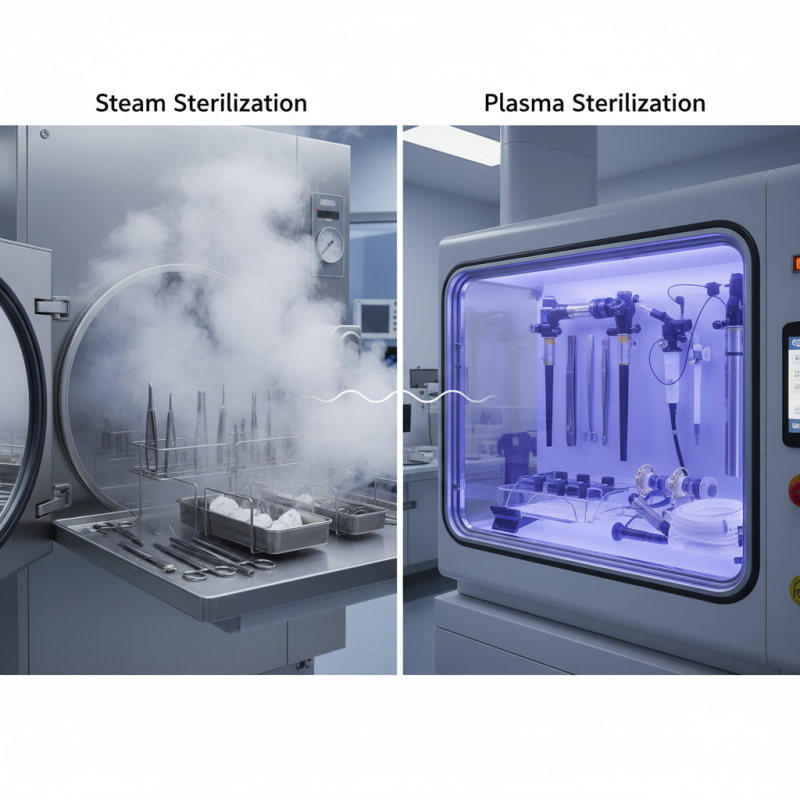
Steam vs Plasma Sterilization What Are the Key Differences?

Steam Sterilization: Principles and Mechanisms Explained

Steam sterilization is a widely used method in healthcare. It relies on high-pressure steam to kill microorganisms. The temperature typically ranges from 121°C to 134°C, depending on the load and type of sterilizer. According to industry data, steam sterilization can achieve up to a 99.9999% reduction of viable microorganisms if correctly used. The steam penetrates materials, ensuring thorough sterilization.

The principles of steam sterilization include heat transfer, moisture content, and exposure time. Effective sterilization depends on these factors. For instance, the presence of moisture enhances heat conductivity. However, challenges can arise. Some materials may not withstand high temperatures. Certain sterilization cycles can fail if the load is improperly packed.

Monitoring and validation are crucial in steam sterilization. Biological indicators are often employed to confirm effectiveness. However, misuse of parameters can result in sterilization failure. Reports indicate that an estimated 15% of sterilization cycles may not meet required standards due to human error. Continuous education and training in sterilization practices remain essential to improve reliability in healthcare settings.

Plasma Sterilization: Overview of Technology and Process

Plasma sterilization is an innovative method in the healthcare sector. This technology utilizes low-temperature plasma to eliminate microorganisms effectively. It is particularly beneficial for heat-sensitive medical instruments. According to a study by the Association for the Advancement of Medical Instrumentation, plasma sterilization has a proven efficacy rate of 99.9999% against specific pathogens.

The process involves several stages. It starts with the removal of air, creating a vacuum. Then, gas such as hydrogen peroxide is introduced and transformed into plasma. This plasma generates reactive species that penetrate and destroy microbial cells. Importantly, this method does not leave harmful residues, ensuring the safety of sterilized items.

Tips:

  • Ensure proper maintenance of your sterilization equipment. Regular checks enhance performance.
  • Also, train staff adequately on the plasma process. Knowledge reduces human errors during the procedure.

Despite its advantages, some challenges exist. Plasma sterilization requires specific conditions, and not all materials are compatible. Some proteins can be sensitive to the plasma environment, potentially affecting instrument integrity. Thus, testing is crucial before full-scale implementation.

Key Differences in Effectiveness and Applications of Each Method

Steam and plasma sterilization are two prominent methods used to eliminate microorganisms. Their effectiveness and applications vary significantly. Steam sterilization relies on high-pressure saturated steam to reach temperatures that can kill bacteria and viruses. This method is effective for heat and moisture-stable items. It is widely used in hospitals for surgical instruments and laboratory equipment.

In contrast, plasma sterilization utilizes low-temperature hydrogen peroxide gas, which is transformed into plasma. This method is suitable for heat-sensitive materials, such as electronic devices and certain plastics. Plasma sterilization is quicker than steam, often needing less than an hour. However, it may not penetrate some materials as effectively as steam sterilization.

Tips: Ensure the items are clean before sterilization. Debris can hinder the sterilization process and reduce effectiveness. When selecting a method, consider the material and the type of bacteria targeted. Both approaches have their strengths and limitations. Testing each method in different settings can yield better results and inform further improvements.

Safety and Compatibility Considerations for Sterilization Techniques

When considering sterilization methods, safety and compatibility are paramount. Steam sterilization, commonly known as autoclaving, employs high-pressure steam to eliminate microbial life. It is effective for heat-resistant materials. However, not all items can withstand the heat and moisture. Some plastics and delicate instruments might warp or degrade. This creates a challenge for healthcare professionals. They must carefully evaluate each item’s material properties before opting for this method.

In contrast, plasma sterilization uses low-temperature hydrogen peroxide gas. This technique is ideal for heat-sensitive materials. It is safe for tools with electronic components or delicate fabrics. Yet, plasma sterilization has its downsides. The effectiveness can be compromised by organic matter present on instruments. Pre-cleaning steps become critical. A lack of thorough cleaning can lead to incomplete sterilization. It is a vital consideration for anyone relying on this method. Compatibility is another concern. Not all materials are suitable for plasma sterilization, which may limit its application in some settings. Understanding these factors helps to navigate the complexities of sterilization techniques effectively.

Steam vs Plasma Sterilization: Key Differences

This chart compares key performance indicators of Steam and Plasma sterilization techniques, focusing on efficacy, cycle time, material compatibility, energy consumption, and cost. Steam sterilization is widely recognized for its high efficacy and cost-effectiveness, while Plasma sterilization offers advantages in terms of lower energy consumption and compatibility with heat-sensitive materials.

Cost Analysis and Operational Efficiency of Steam vs Plasma Sterilization

When considering steam and plasma sterilization, cost and efficiency play vital roles. Steam sterilization is often more economical. It typically requires less investment in sophisticated equipment. Maintenance costs are also lower due to its long-standing presence in healthcare. Additionally, steam sterilization is reliable and has a proven track record over decades.

However, plasma sterilization brings unique benefits that may justify its higher costs. It uses lower temperatures, which can be a significant advantage for heat-sensitive materials. The cycle time for plasma sterilization is often shorter, improving turnaround times. Yet, the initial setup may be daunting for some facilities. Budget constraints can limit access to this advanced technology.

In practice, institutions must evaluate their specific needs. Meeting stringent infection control standards is paramount. Some facilities might find steam sterilization sufficient. Others may lean towards plasma for unique applications. Balancing costs and operational efficiency requires careful thought. Each method has its advantages, but the choice depends on individual circumstances.

FAQS

: What is steam sterilization commonly known as?

: Steam sterilization is commonly known as autoclaving.

What materials can steam sterilization effectively treat?

It is effective for heat-resistant materials.

What issues arise with steam sterilization?

Some delicate instruments may warp or degrade under heat and moisture.

What does plasma sterilization use for its process?

Plasma sterilization uses low-temperature hydrogen peroxide gas.

What advantage does plasma sterilization offer?

It is ideal for heat-sensitive materials and electronic components.

What risk is associated with plasma sterilization?

Organic matter on instruments can compromise its effectiveness.

Why is pre-cleaning important in plasma sterilization?

Thorough cleaning is vital for complete sterilization.

How does steam sterilization compare in cost to plasma sterilization?

Steam sterilization is often more economical and has lower maintenance costs.

What might affect a facility’s choice between sterilization methods?

Individual needs, infection control standards, and budget constraints influence the choice.

What should facilities consider when selecting a sterilization method?

They must balance costs, operational efficiency, and specific sterilization requirements.

Conclusion

The article "Steam vs Plasma Sterilization: What Are the Key Differences?" provides an in-depth comparison of two prevalent sterilization methods. It explains the principles and mechanisms behind steam sterilization, which utilizes pressurized steam to eliminate microorganisms effectively. In contrast, the overview of plasma sterilization highlights its innovative technology that employs low-temperature plasma, offering a unique approach to disinfection.

Moreover, the article discusses the key differences in effectiveness and applications, demonstrating when each method is preferred based on specific needs. Safety and compatibility considerations emphasize the importance of choosing the right sterilization technique for various materials. Lastly, a cost analysis addresses the operational efficiency of steam versus plasma sterilization, aiding facilities in making informed decisions. Ultimately, understanding "what is the difference between steam and plasma sterilization" is crucial for selecting the most appropriate method for diverse sterilization requirements.

Sienna

Sienna

Sienna is a skilled marketing professional with a deep expertise in our company’s core products and services. With a passion for innovation and detail, she plays a pivotal role in crafting insightful blog posts that not only highlight the unique features of our offerings but also provide valuable......