When considering how to select an air sterilizer for dental clinics, it’s essential to prioritize the health and safety of patients and staff. Dental clinics face unique challenges regarding airborne pathogens and contaminants. Choosing the right air sterilizer can significantly impact infection control protocols.
The market offers various options that vary in technology, efficiency, and operational costs. It's imperative to evaluate several key factors. Consider the sterilizer’s effectiveness against viruses and bacteria. Also, assess the size and layout of your clinic, as these can influence air circulation and the need for multiple units.
Additionally, trust reputable brands that have proven track records in healthcare settings. Relying on expertise in the field can guide you toward reliable choices. However, don't overlook the importance of user reviews and clinical studies. Sometimes, anticipated features may not perform as expected. Reflecting on real-world applications is crucial in making an informed decision.
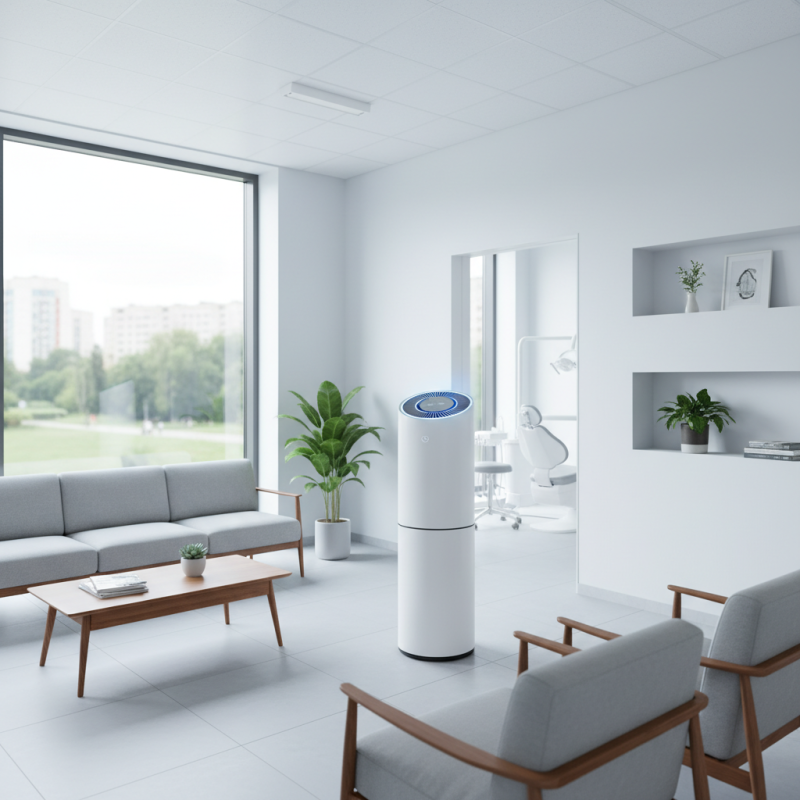
Understanding Different Types of Air Sterilizers for Dental Clinics
When selecting an air sterilizer for dental clinics, understanding the different types available is crucial. Two main categories dominate the market:
HEPA filters and
UV sterilizers.
HEPA filters capture airborne particles effectively. According to a 2022 report by the CDC, HEPA filters can trap
99.97% of particles as small as 0.3 microns. This capability is vital in a dental environment, where reducing airborne pathogens is essential.
On the other hand, UV sterilizers use ultraviolet light to eliminate microorganisms. Research from the American Dental Association highlights that UV systems can inactivate up to
99.9% of bacteria and viruses within minutes. However, the effectiveness of these systems depends significantly on exposure time and the wavelength of UV light used. Many clinics overlook these factors, which can lead to inadequate sterilization.
While both methods are impactful, each comes with its challenges.
HEPA filters require regular maintenance to prevent clogging and ensure optimal air flow.
UV sterilizers must be properly calibrated and positioned to create effective air flow. Some have reported inconsistent results with UV systems due to improper installation.
Awareness of these intricacies enhances the decision-making process for dental professionals aiming for effective air sterilization.
Evaluating Air Purification Technology: HEPA vs. UV-C vs. Plasma Disinfection
When evaluating air purification technology for dental clinics, it's essential to understand the differences between HEPA, UV-C, and plasma disinfection.
HEPA filters are known for their capability to capture 99.97% of particles down to 0.3 microns. This includes bacteria and some viruses.
However, HEPA alone does not neutralize pathogens. It merely traps them. Dental practices must consider this limitation when relying solely on HEPA systems.
UV-C technology takes a different approach. It uses ultraviolet light to destroy microorganisms' DNA.
This effectively neutralizes viruses, bacteria, and fungi. Yet, constant exposure is required for effectiveness, which raises questions about its practicality in a busy clinic environment.
Additionally, UV-C can be harmful to skin and eyes if not properly shielded, presenting potential safety issues.
Plasma disinfection is another emerging option. This technology generates reactive particles that disrupt pathogens.
While it's gaining traction, its long-term reliability and effectiveness in varied clinical settings remain areas for further research.
Each method has its strengths and weaknesses. A thorough evaluation of the specific needs of a dental clinic is vital for making an informed choice.
Understanding these technologies will help clinicians create a safer environment for both staff and patients.
Assessing Air Sterilizer Capacity for Dental Clinic Size and Patient Flow
Choosing an air sterilizer for a dental clinic involves careful consideration of the clinic's size and patient flow. The capacity of the sterilizer must match the volume of air in the clinic to ensure effective pathogen removal. For instance, a small practice with limited patient intake may benefit from a compact unit, while a larger clinic servicing many patients may require a more robust system.
Assessing air sterilizer capacity starts with evaluating the clinic's square footage. A greater area demands a higher clean air delivery rate (CADR). If the unit cannot handle the air exchange effectively, it may leave room for harmful particles to linger. Patient turnover and chair occupancy are other critical factors. High traffic during peak hours means the air sterilizer must work much harder to maintain a safe environment.
Not all units perform equally in varied conditions. Some may struggle under heavy loads or higher humidity. It’s essential to reflect on past experiences with different systems. Observing how well they cope can provide insights into what capacity is truly needed. Understand that an oversized unit can be just as problematic as one that is too small; both can waste energy and resources. Choose wisely to create a safe dental environment.
Considering Noise Levels and Energy Consumption of Air Sterilizers
When selecting an air sterilizer for dental clinics, noise levels and energy consumption are critical factors. A quiet environment promotes patient comfort. Studies show that over 50% of patients feel anxious in noisy settings. Air sterilizers typically range from 40 dB to 70 dB. A device operating at 40 dB emits sounds similar to a library, while one at 70 dB resembles a busy street. For dental practices, choosing a model under 50 dB ensures minimal disruption.
Energy efficiency also plays a significant role. According to the Department of Energy, appliances account for about 13% of household energy use. Selecting an air sterilizer with lower energy consumption can lead to significant savings. Look for models with Energy Star ratings. These models use 10-50% less energy than average products. They are not only cost-effective but also environmentally friendly.
Tip: Consult manufacturer specifications and user reviews to compare noise levels. Don’t overlook the importance of air exchange rate, as effective sterilization also hinges on how quickly air is filtered. Ensure the chosen model meets your clinic's sterilization needs without becoming a distraction. Remember, a balance of effectiveness, efficiency, and tranquility is key to enhancing the patient experience in your dental practice.
Reviewing Regulatory Standards and Certifications for Dental Air Treatment Devices
When selecting an air sterilizer for a dental clinic, understanding regulatory standards is crucial. In the United States, the Environmental Protection Agency (EPA) oversees air treatment devices, ensuring safety and effectiveness. Devices must comply with specific standards, such as those outlined in ANSI/ASHRAE 62.1 for ventilation. This regulation establishes minimum ventilation rates, crucial for maintaining air quality in healthcare settings.
Moreover, certifications like the Underwriters Laboratories (UL) mark indicate compliance with safety standards. According to a study published in the American Journal of Infection Control, 30% of airborne pathogens can be reduced by using certified air sterilizers. This data highlights the importance of selecting devices that meet these rigorous standards.
However, not all products labeled as "sterilizers" are equally effective. Some lack proper certifications or provide misleading information regarding their capabilities. Dental practices should avoid shortcuts in choosing equipment. Instead, conducting thorough research and seeking reliable data can lead to informed decisions. Engaging with industry reports can unveil the real efficacy of different devices, ensuring a safer environment for both staff and patients.
FAQS
: Measure the clinic's square footage first. A larger area needs a higher clean air delivery rate.
High patient turnover requires a robust system to maintain air quality during peak hours.
Quiet devices enhance patient comfort. Models under 50 dB are ideal for dental settings.
Look for Energy Star rated models. They consume 10-50% less energy than average units.
Check for EPA compliance and UL certification for safety and effectiveness in air sterilizers.
Yes, oversized units can waste energy and resources, creating a need for careful selection.
Research and compare user reviews. Check specifications for noise levels and air exchange rates.
No, some may not meet standards or provide accurate information. Conduct thorough prior research.
They ensure devices are safe and effective, maintaining required air quality for healthcare settings.
Consider past experiences and how well different systems performed under various conditions.
Conclusion
Choosing the right air sterilizer for dental clinics requires a thorough understanding of the various types available, including HEPA filters, UV-C technology, and plasma disinfection. Each type offers unique benefits and mechanics, making it essential to evaluate which technology aligns best with the clinic's specific needs. Additionally, assessing the capacity of the sterilizer in relation to the size of the clinic and the patient flow is crucial for effective air purification.
Noise levels and energy consumption are also significant factors to consider when selecting an air sterilizer for dental clinics. A quieter unit may improve patient comfort, while energy efficiency can lead to cost savings in the long run. Lastly, it is important to review relevant regulatory standards and certifications to ensure compliance and effectiveness of the air treatment solutions. Overall, understanding these key elements will support clinics in making informed decisions about how to select an air sterilizer for dental clinics.

 Estetik Medical