Why choose rigid containers over sterilization wraps? The answer begins with control, not convenience. In a busy sterile processing department, a wrapped tray may leave the sterilizer intact yet arrive with a torn corner, crushed edge, or damp layer. Rigid containers offer a visible barrier, repeatable handling, and stronger protection during transport and storage. They can also support standardized workflows when staff inspect filters, locks, seals, and internal indicators consistently.
Dr. William A. Rutala, a widely recognized sterilization expert, has stated, “Sterility is an absolute concept; an item is either sterile or not sterile.” This principle makes packaging decisions more serious than a simple preference. A container cannot rescue poor cleaning, incorrect loading, or inadequate sterilizer performance. It is one part of a validated system. Still, its hard-sided structure may reduce punctures and compression damage, especially when heavy instrument sets move between processing and operating rooms.
The practical case is visible. A rigid lid stays aligned. A sealed filter remains easier to inspect. A tray can be stacked without folding against delicate wrapped corners. These details may improve event-related sterility maintenance and reduce unnecessary repackaging. Yet rigid systems require investment, routine maintenance, compatible sterilizers, and staff training. They are not automatically better for every facility.
That is the uncomfortable point. The best choice depends on instruments, workload, transport distance, storage conditions, and documented performance. This discussion examines those factors carefully, comparing protection, workflow reliability, cost, sustainability, and real-world usability without treating either method as perfect.
Why Choose Rigid Containers Over Sterilization Wraps?
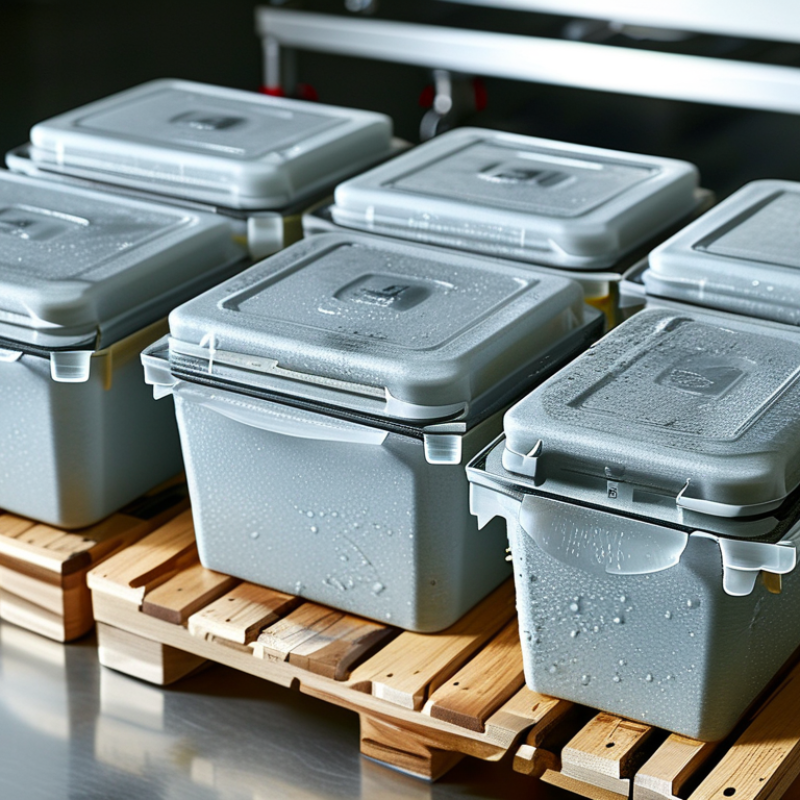
Rigid sterilization containers are reusable systems made from durable metal or engineered polymer materials. They contain a base, lid, filter, gasket, and locking mechanism. These parts allow sterilant to enter while protecting instruments after processing. In operating-room practice, the container behaves like a clean, hard-sided shell around the tray. It also reduces tears, punctures, and handling damage commonly associated with wraps.
The CDC’s Guideline for Disinfection and Sterilization identifies steam as the preferred method for heat-stable medical devices. It lists validated examples, including 132°C exposure for four minutes, depending on the load and equipment. AAMI ST79 also stresses correct loading, drying, inspection, and recordkeeping. These details matter more than the container alone. A wet tray is still a problem. A damaged filter is worse.
Rigid systems can support repeatable workflows and clearer inspection. Their latches and seals offer visible checkpoints before use. Yet they are not automatically safer. Poor cleaning, overloading, or missed maintenance can compromise sterilization. Some hospitals also report higher upfront costs and heavier transport handling. Lifecycle assessments may show waste reductions, but results depend on reuse rates, repair practices, and local processing data. The honest question is practical: Can the facility inspect, maintain, and validate the system every time?
| Evaluation Dimension | Rigid Sterilization Containers | Sterilization Wraps | Practical Implication |
|---|---|---|---|
| Basic Definition | A reusable sterilization packaging system consisting of a rigid base, lid, closure mechanism, and microbial barrier components such as filters or valves. | A disposable, porous sheet material folded around instruments to permit sterilant penetration while maintaining a sterile barrier after processing. | Rigid containers provide a structured enclosure, while wraps depend on correct folding, sealing, and careful handling. |
| Sterile Barrier Function | The container system is designed to allow sterilant entry and removal while preventing microbial ingress during storage and transport. | The wrap material provides a microbial barrier when it remains intact and is correctly folded and secured. | Both solutions require validated packaging configurations and inspection before use. |
| Puncture and Tear Resistance | The rigid exterior protects instruments from compression, punctures, and many handling-related impacts. | The material can be punctured, torn, or abraded by sharp instrument edges, rough surfaces, stacking, or transport. | Containers generally offer stronger physical protection for heavy, sharp, or complex instrument sets. |
| Handling and Transport | Maintains its shape during loading, unloading, shelving, and movement through sterile processing and clinical areas. | Can be lightweight and flexible, but requires more careful handling to avoid damage to the sterile barrier. | Rigid systems can reduce handling damage, especially when sets are moved frequently. |
| Instrument Protection | Provides physical containment and helps keep instruments organized when an approved internal basket or support system is used. | Provides packaging and sterile-barrier protection but does not create a rigid protective shell around the instruments. | Rigid containers are useful for delicate, heavy, sharp, or high-value instrument configurations. |
| Visibility and Identification | Many systems include identification areas, external indicators, or optional transparent components; visibility depends on the design. | Usually requires an external label or indicator because the wrap itself is commonly opaque or only partly transparent. | Both systems need clear identification, load information, and a method for confirming processing status. |
| Aseptic Presentation | The lid and base can be separated using a controlled opening method, allowing the instrument set to be presented without handling the instruments directly. | Requires a controlled unfolding technique so the exterior of the wrap does not contact sterile contents or sterile surfaces. | Both methods require staff training and a defined aseptic opening procedure. |
| Reuse and Lifecycle | The container body is designed for repeated use, but filters, seals, locks, and other wear components must be inspected, maintained, and replaced according to validated instructions. | Normally intended for single use and discarded after opening, contamination, damage, or expiration of the designated storage period. | Containers may reduce recurring packaging-material consumption, but their overall impact depends on cleaning, maintenance, energy, and service life. |
| Workflow Requirements | Requires inspection of the lid, base, gasket, closure, filter or valve, and indicator system before each cycle. | Requires correct wrap size, folding technique, intact material, secure sealing, and inspection after sterilization. | The choice should match staff training, equipment, workload, and quality-control procedures. |
| Sterilization Compatibility | Must be specifically validated for the intended sterilization method, load configuration, drying requirements, and cycle parameters. | Must be compatible with the selected sterilization method and used according to the material and process instructions. | Neither packaging option is universally compatible with every sterilization process; validation is essential. |
| Storage and Shelf Life | The rigid shell can protect the sterile barrier during storage, but sterility is event-related and depends on packaging integrity and handling conditions. | The sterile barrier remains effective only while the wrap is intact, dry, properly stored, and protected from excessive handling. | Storage policies should be based on event-related contamination risks, packaging condition, and institutional procedures. |
| Space and Weight | Adds structural weight and may require more defined shelf or cart space. | Generally lightweight and adaptable to different set shapes, although bulky or layered wraps may increase package volume. | Wraps may be advantageous where weight and storage flexibility are the primary concerns. |
| Cost Considerations | Usually involves a higher initial purchase cost and ongoing expenses for cleaning, inspection, repairs, and replacement parts. | Usually has a lower unit cost but creates recurring expenditure for replacement material and disposal. | A meaningful comparison should include the complete lifecycle cost rather than purchase price alone. |
| Best-Fit Applications | Often suitable for frequently processed, heavy, sharp, delicate, or standardized instrument sets that need strong physical protection. | Often suitable for flexible packaging needs, lower-volume sets, irregular shapes, or facilities prioritizing low packaging weight. | A hybrid packaging strategy can be appropriate when instrument types and workflow requirements vary. |
: They create a strong, enclosed barrier around cleaned instruments. Their walls resist punctures, crushing, and moisture. Small details matter. Designed filters allow sterilant to enter while blocking microorganisms afterward.
Internal supports keep instruments separated and organized. This protects sharp edges, hinged joints, and delicate surfaces. A secure lid also limits accidental opening during transport.
No option is automatically safer. Rigid containers resist crushing and moisture but require cleaning and maintenance. Wraps are lighter and fit unusual shapes more easily. The better choice depends on actual workflow conditions.
Check the container, closure, filters, seals, and latches. Look for blocked filters, damaged seals, or trapped moisture. A wet load is a warning sign.
Yes. An overloaded tray may restrict airflow and sterilant contact. Instruments can remain tightly packed, reducing reliable processing. Correct loading patterns must follow validated instructions.
Consider sharp edges, delicate surfaces, hinged joints, and lumens. The system must support sterilant penetration and consistent drying. Irregular sets may be easier to wrap.
Heavy trays may face crushing or impact during handling. Rigid containers can reduce this risk. Dust, humidity, and frequent handling may weaken protection after processing. Storage conditions deserve more attention.
Dropping a container, using a damaged latch, or ignoring a small tear can compromise protection. Poorly cleaned instruments create another risk. Shortcuts feel efficient. They may not be.
Review preparation time, training, inspections, repairs, storage, and packaging waste. Do not judge systems by purchase price alone. Testing both options with real trays may challenge initial assumptions.
Rigid sterilization containers are durable, reusable systems designed to hold and protect medical instruments throughout preparation, sterilization, transport, and storage. Their rigid structure helps prevent crushing, punctures, moisture exposure, and accidental opening, reducing the risk of instrument damage and contamination. By supporting consistent airflow and controlled sterilant penetration, these containers can also improve sterilization reliability when used with validated procedures and proper maintenance.
Why choose rigid containers over sterilization wraps? Compared with wraps, rigid containers generally provide stronger physical protection, more dependable handling, and clearer organization of instrument sets. Wraps may be lightweight and flexible, but they can tear, become wet, or lose integrity during movement and storage. The best sterilization system should be selected according to instrument type, sterilization method, facility workflow, cost, cleaning requirements, storage conditions, and staff training. A balanced evaluation of protection, efficiency, sustainability, and compliance can help healthcare facilities choose the most suitable solution.

 Estetik Medical