Precision-engineered medical hardware deployed worldwide to enforce rigorous clinical sterility assurance levels (SAL 10⁻⁶).
An authoritative analysis of Hubei Estetik Medical Co., Ltd.'s core competencies, technological innovations, and multi-tier production matrix.
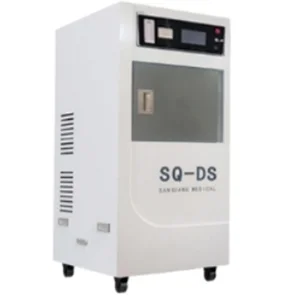
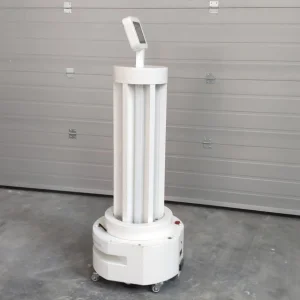
Utilizing low-temperature vaporized and dry-mist hydrogen peroxide (H₂O₂) systems to render complex clinical spaces free of active endospores, bacteria, and enveloped viruses without leaving harmful chemical residues.
Dynamic filtration devices utilizing medical-grade HEPA filters, ultraviolet germicidal irradiation (UVGI), and advanced low-temperature plasma ionization elements to actively sanitize indoor clinical environments.
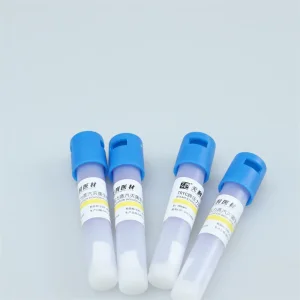
Rapid self-contained biological indicators (SCBIs) paired with automated incubation readers designed to confirm successful steam, ethylene oxide (EO), and vaporized hydrogen peroxide (VH₂O₂) cycles within minutes.

Decoupling the systematic supply chain advantages, advanced automation nodes, and logistical efficiencies driving global quality advantages.
From initial design layout to raw material selection, CNC machining, automated electronics integration, and microbiological testing, our complete vertical integration minimizes external lead times and ensures total control over the manufacturing pipeline.
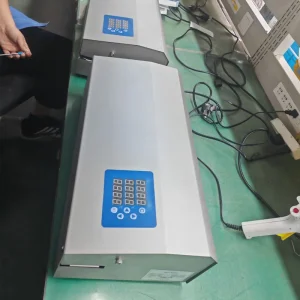
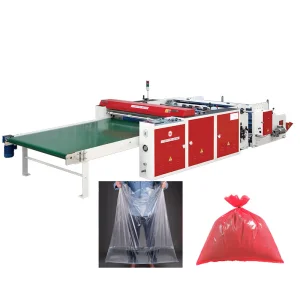
Our production facilities utilize modern industrial automation, including robotic welding systems, high-speed automated sealing machine builders, and visual quality inspection modules. This consistency minimizes variance across multi-batch consignments.
With R&D centers and storage networks in Hangzhou, Chengdu, Wuxue, and Wuhan, we utilize regional strengths—including high-tech engineering resources in Hangzhou and central transportation links in Wuhan—to optimize domestic logistics and international shipments.
How emerging clinical standards, robotic automation, and strict sustainability goals are transforming global procurement criteria.
Clinical workflows cannot support traditional 24-48 hour biological incubation. Rapid enzymatic fluorescence systems that yield definitive sterilization confirmation within 30 minutes are now crucial for maintaining high instrument throughput in busy CSSD operations.
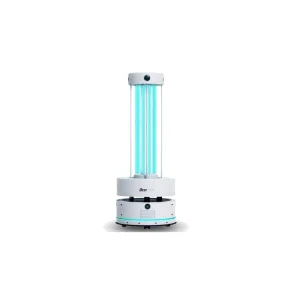
Autonomous UV-C and vaporized hydrogen peroxide disinfection robots are replacing manual labor in high-risk zones. By integrating LiDAR sensors and SLAM algorithms, these platforms map layouts, calculate optimal dwell times, and generate comprehensive validation logs.
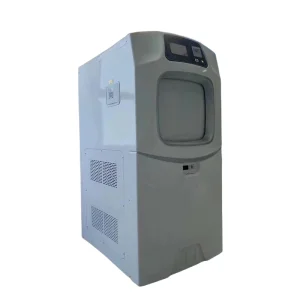
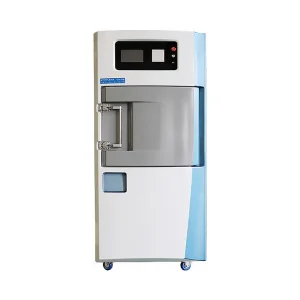
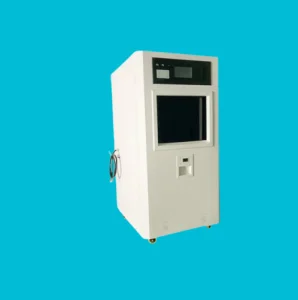
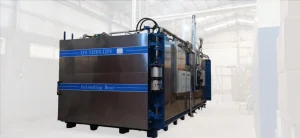
As modern surgical devices integrate sensitive fiber optics and complex electronics, high-temperature autoclaving becomes unusable. Modern hydrogen peroxide gas plasma and ethylene oxide (EO) sterilization cabinets provide high material compatibility at low heat levels.
Tailoring infection barrier technologies to specific healthcare sectors and cleanroom parameters.
Our comprehensive CSSD workflow design combines mechanical cleaning, automated chemical packaging, low-temperature plasma sterilization, and biological validation protocols. Designed for high volume instrument sterilization, these workflows protect surgical instruments from damage while ensuring complete cycle validation.
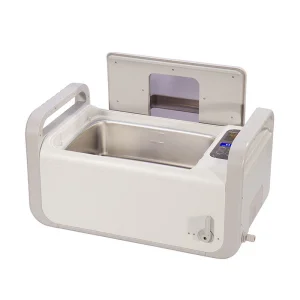
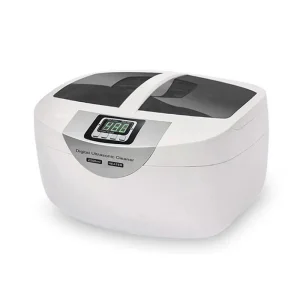
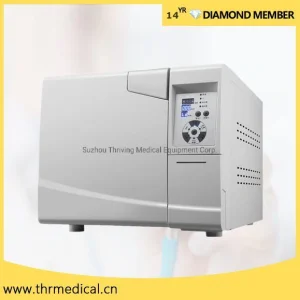
For compact, high-efficiency clinical environments, space utilization is critical. Our benchtop Class B steam autoclaves and compact 2.5L-7.5L ultrasonic cleaning systems provide standard sterilization safety indicators and cleaning performance within small physical footprints.
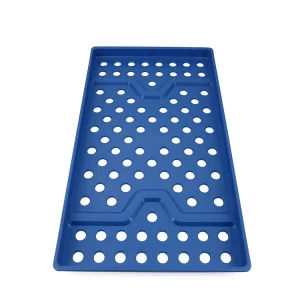
Biomedical production requires strict compliance with GMP guidelines. Our automated hydrogen peroxide space disinfection systems and specialized sterilization baskets help manufacturing cleanrooms maintain ISO Class 5 air quality and prevent cross-contamination.
A transparent review of our manufacturing flow, demonstrating our commitment to ISO 13485 quality management systems.
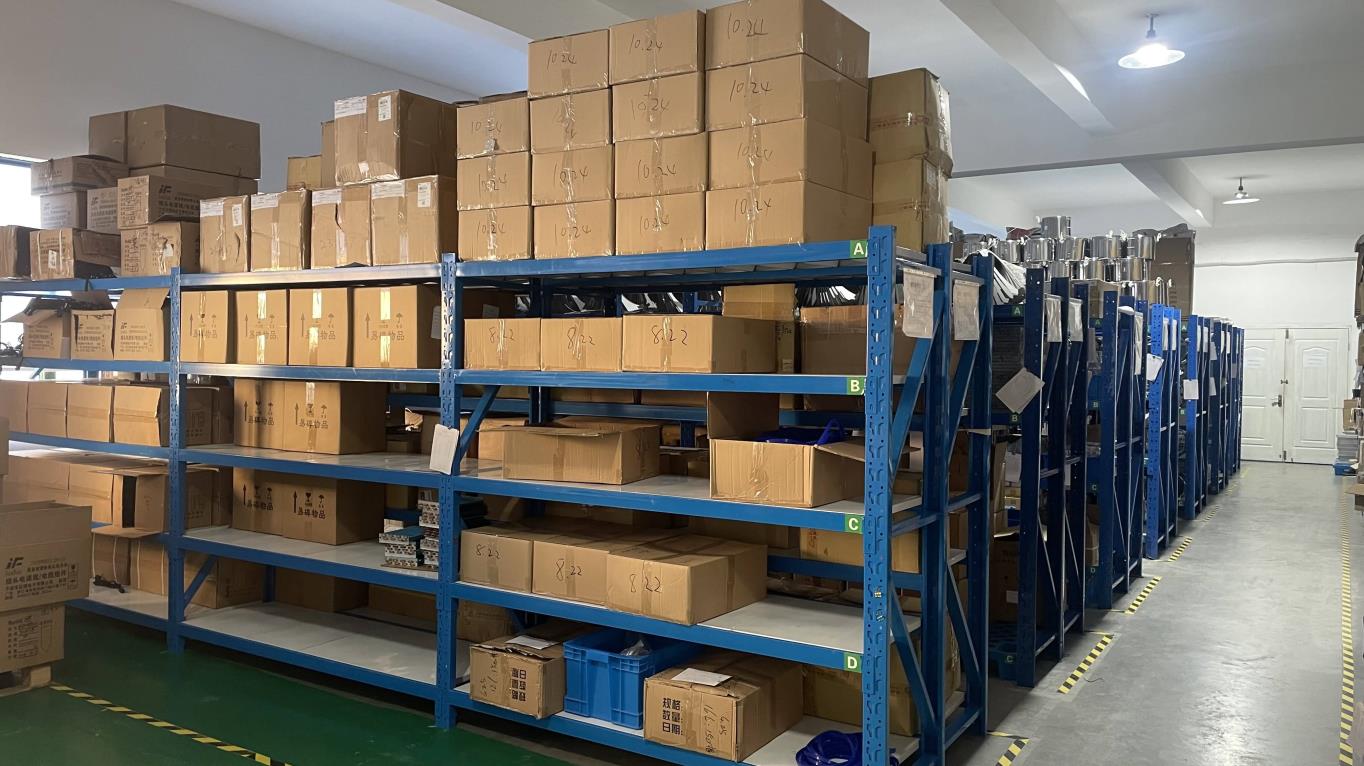
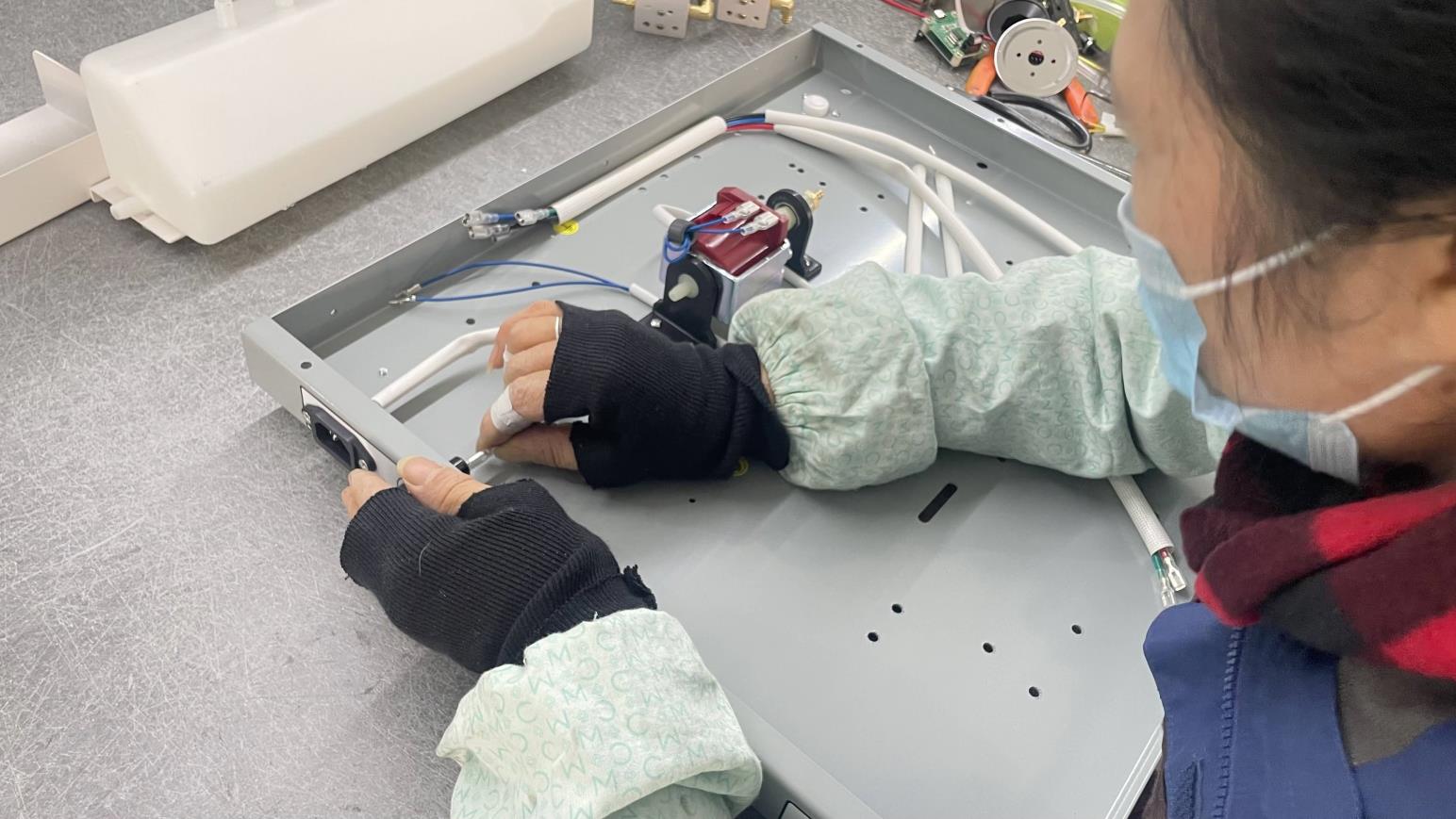
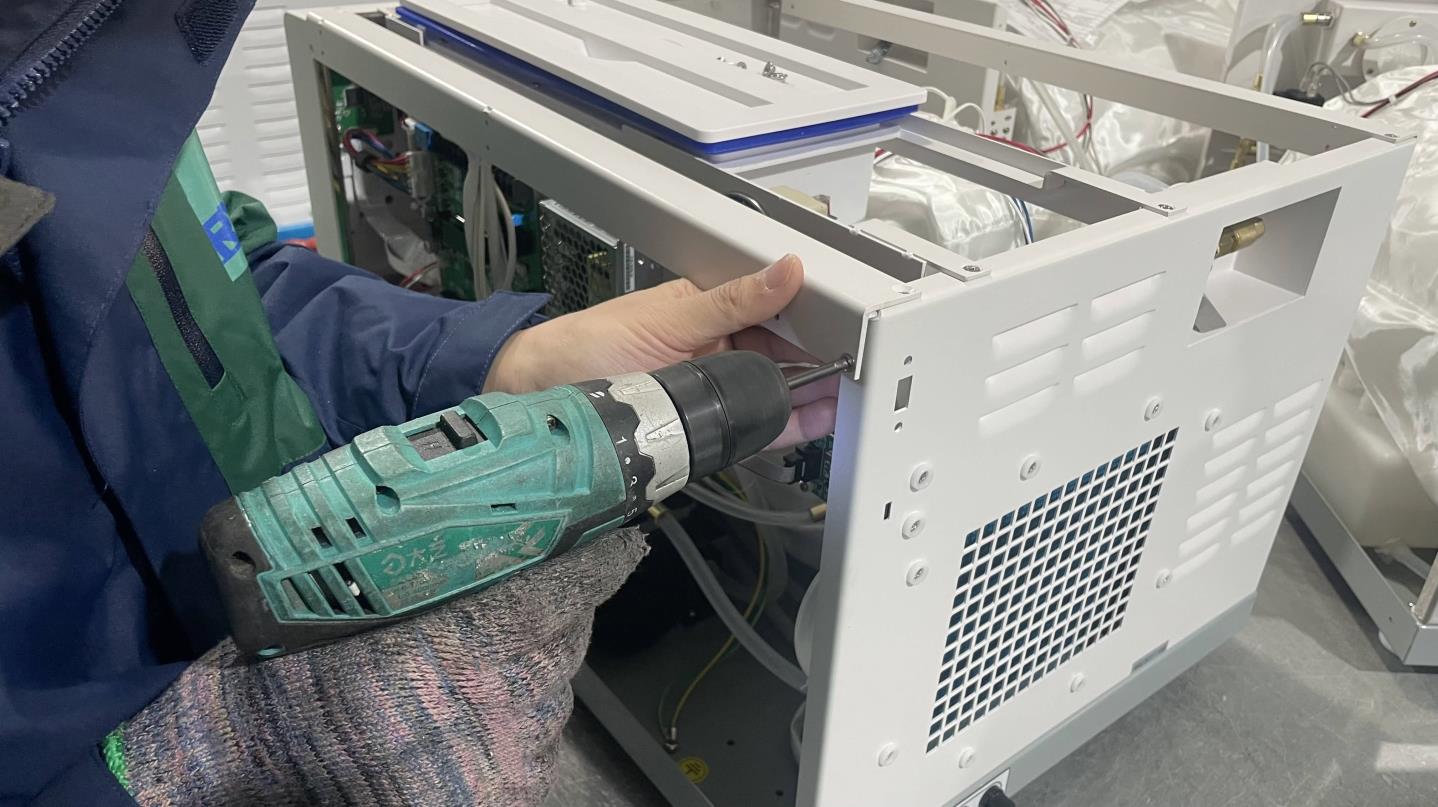
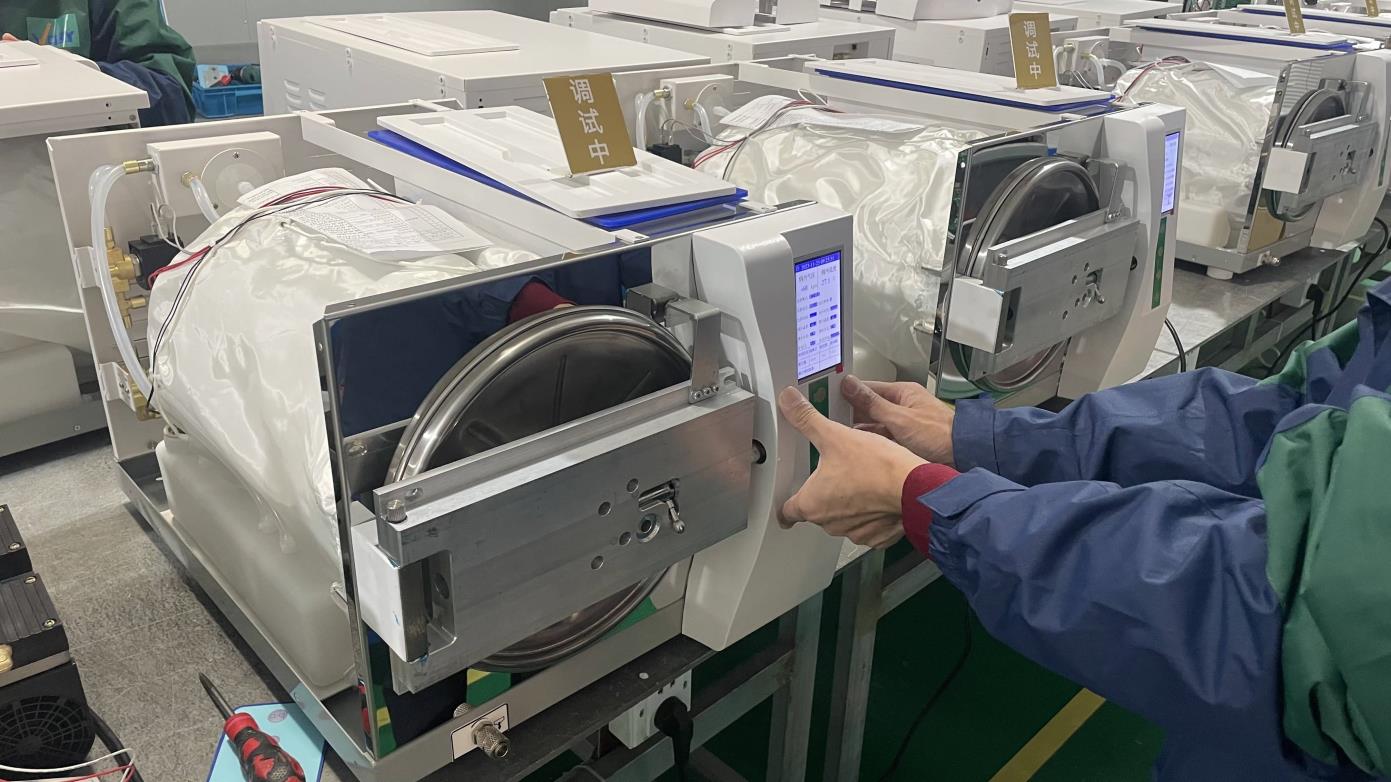
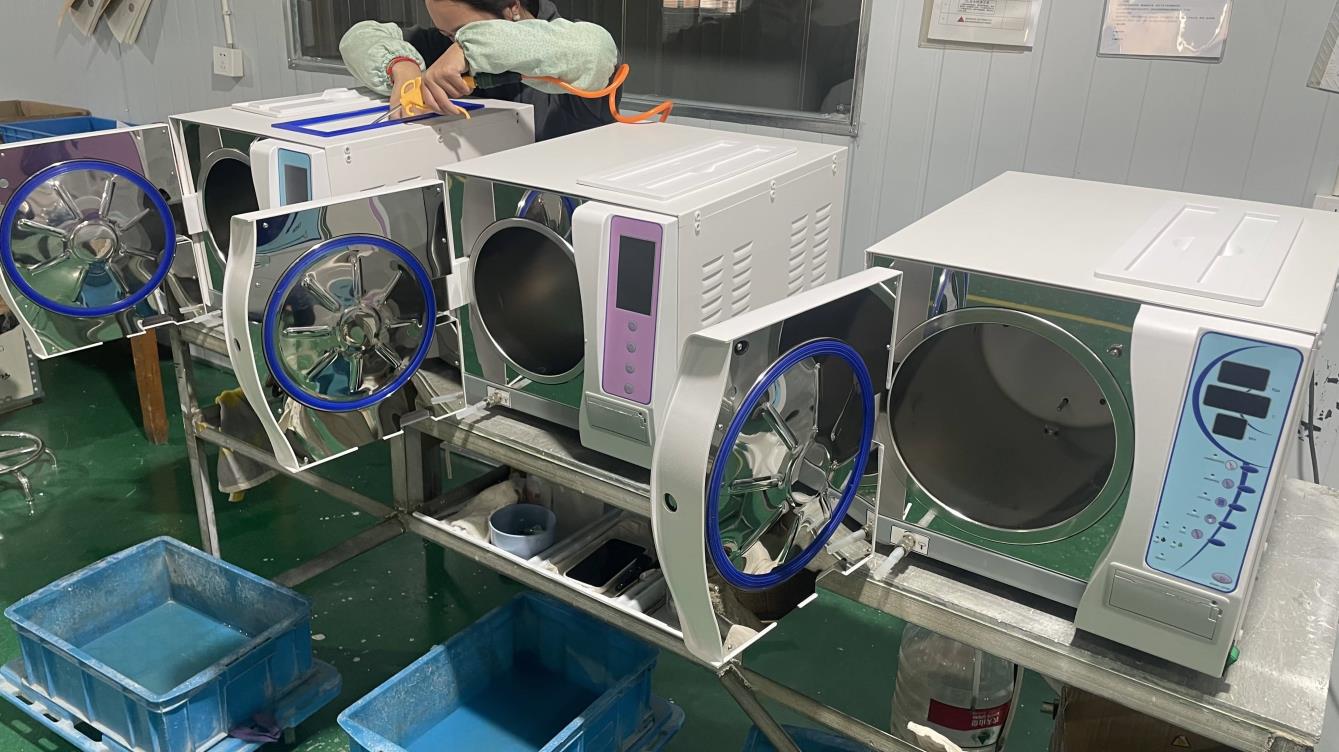
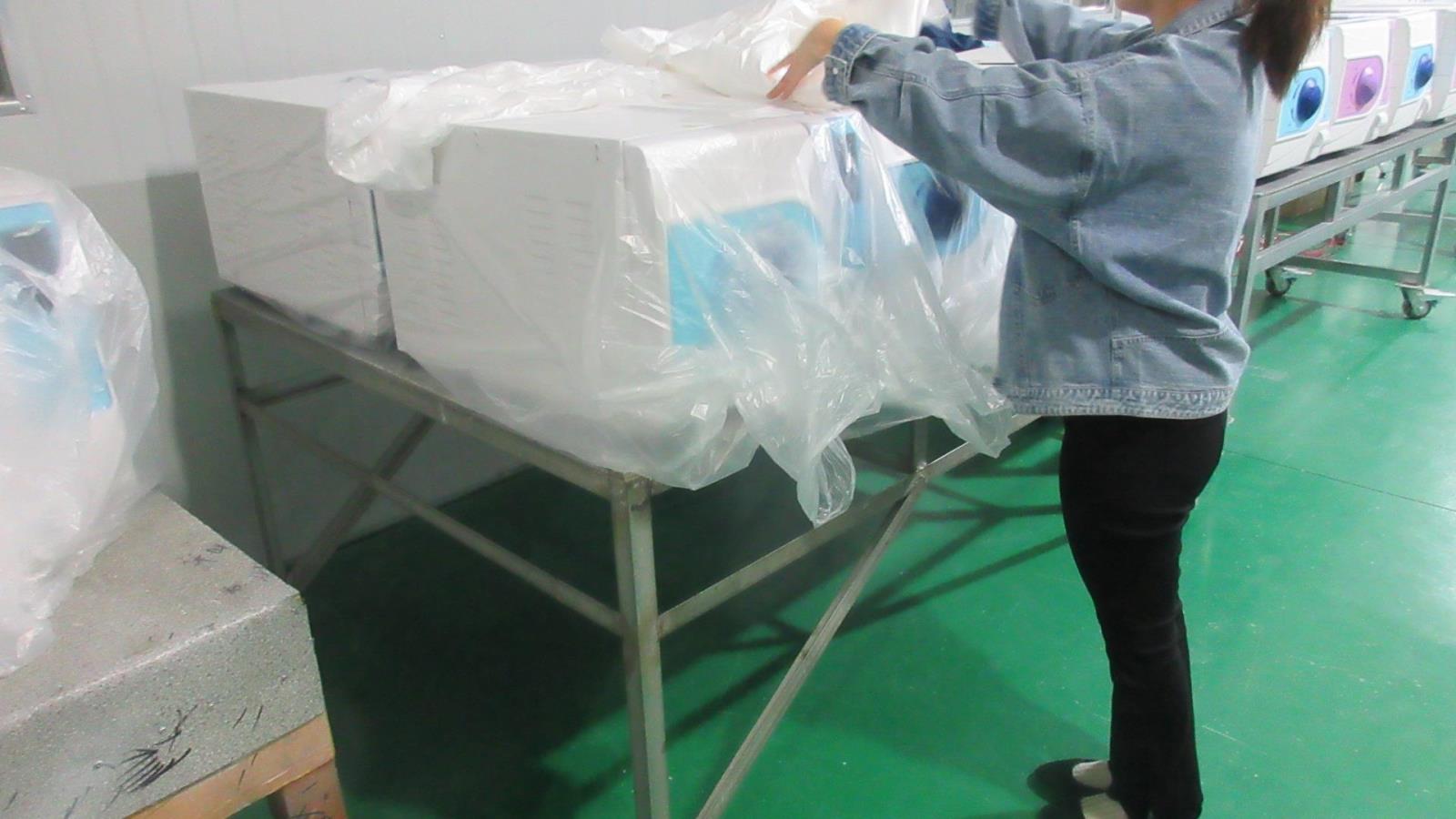
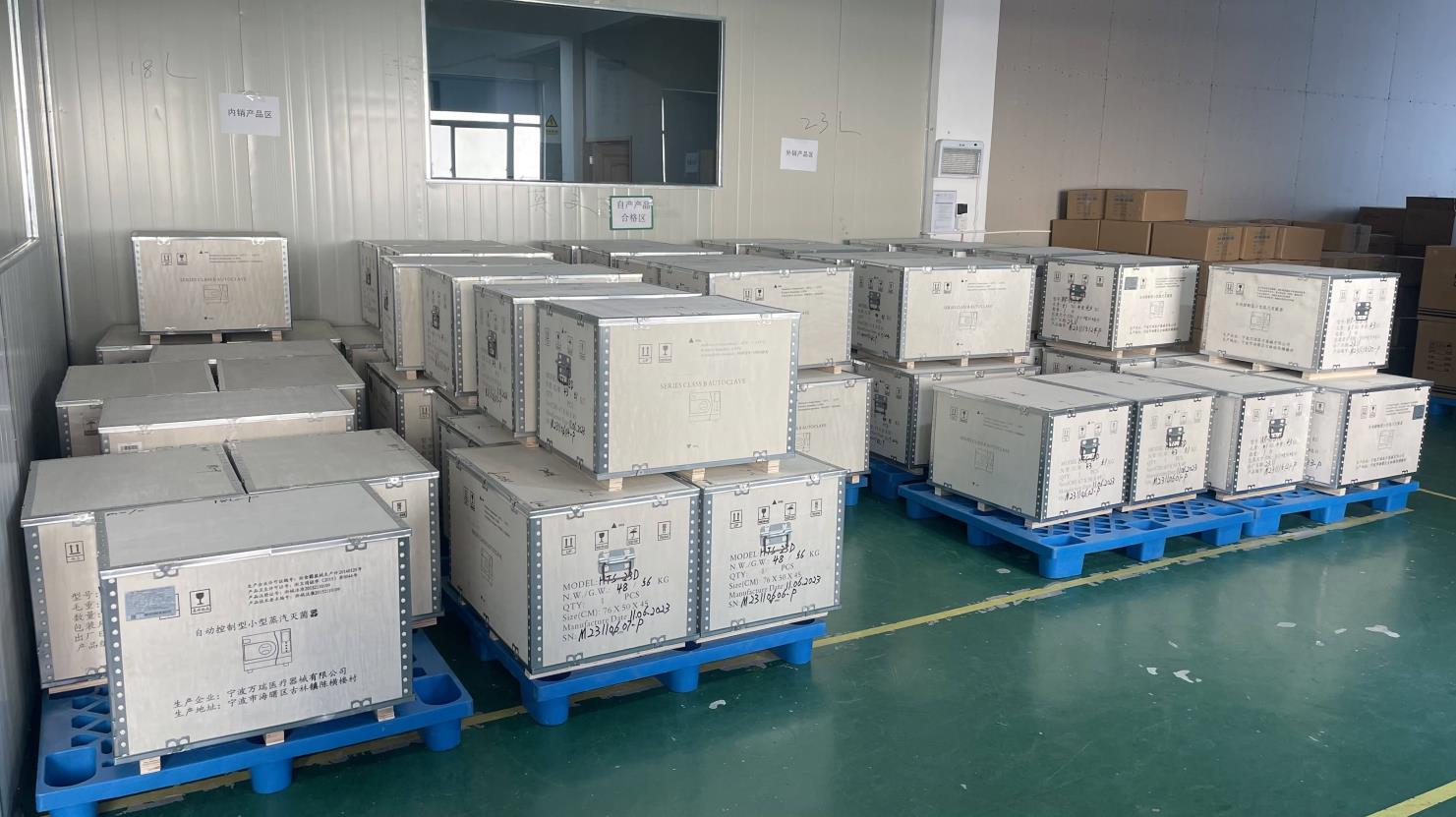
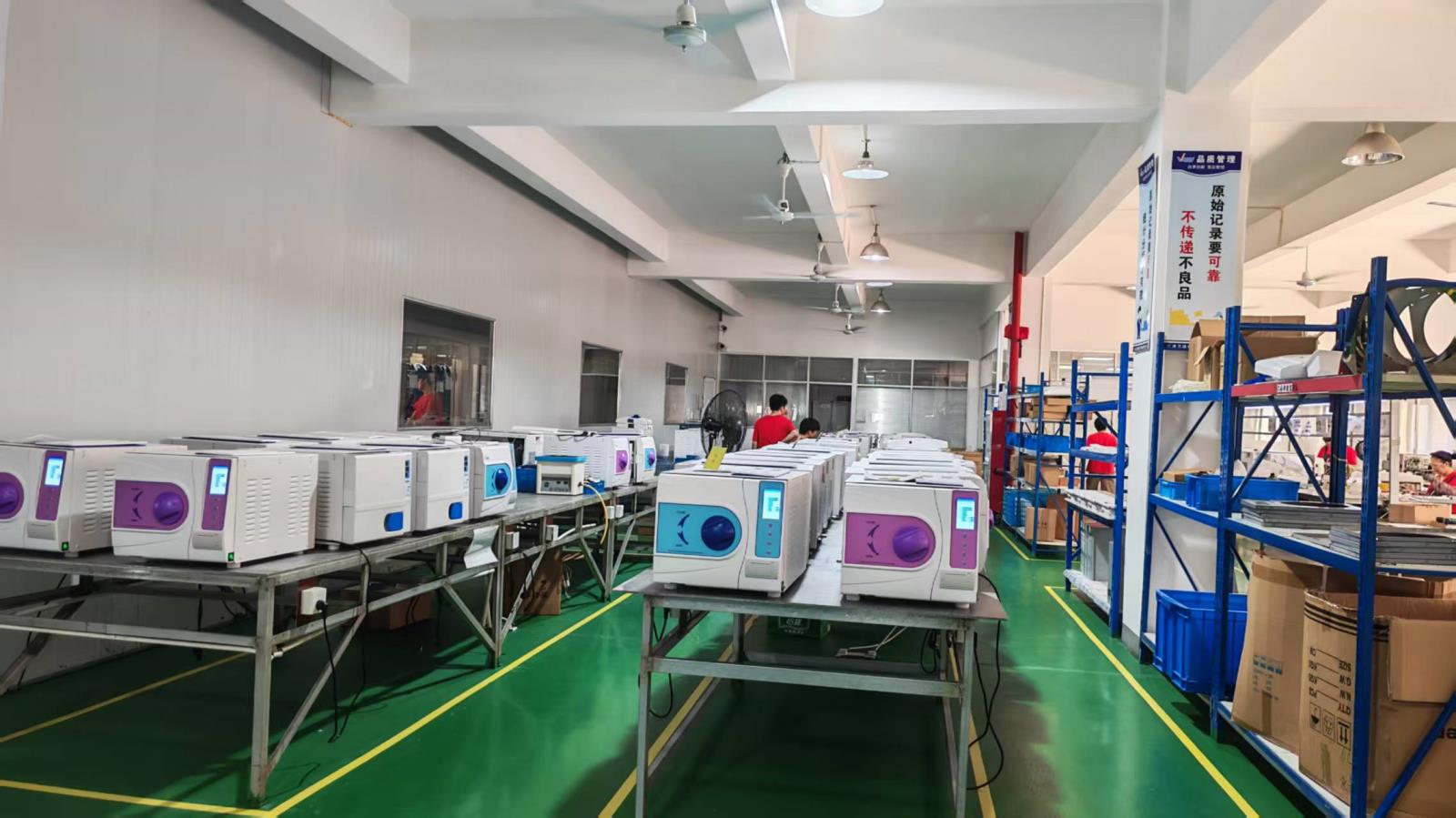
Strict adherence to national and international standards ensures our sterilization and disinfection equipment performs reliably in critical environments.
Clear answers to key technical questions from procurement officers, hospital engineers, and biomedical distributors.
Steam Sterilization (Autoclaving): Utilizes saturated steam under high pressure. It is highly effective and cost-efficient, but is limited to heat- and moisture-stable instruments.
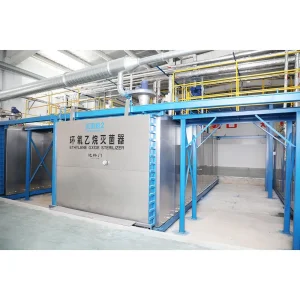
Ethylene Oxide (ETO) Sterilization: A low-temperature gas process suited for heat- and moisture-sensitive devices. It offers deep penetrative capability but requires post-sterilization aeration to remove residual gas.
Low-Temperature Hydrogen Peroxide Gas Plasma: Utilizes vaporized hydrogen peroxide ionized into a plasma state. It features short cycle times and leaves no toxic residue, but is sensitive to moisture and has specific lumen material limitations.
From chemical indicators to automated sealing systems, we supply the complete cycle of sterile barrier accessories.
 Estetik Medical