Premium Medical-Grade Rigid Container Systems Engineered for High-Volume Surgical Reprocessing Facilities.
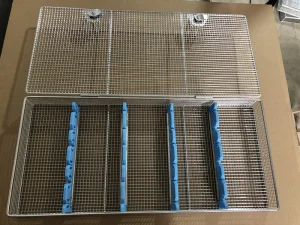
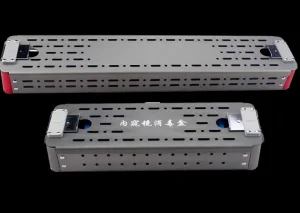
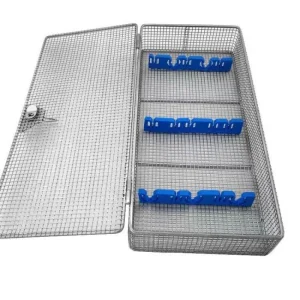
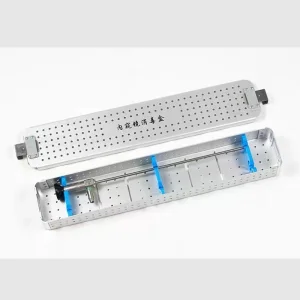
The Australian Capital Territory (ACT) healthcare network, anchored by major hubs such as the Canberra Hospital, Calvary Public Hospital, and a growing ecosystem of private day surgeries and clinical research institutes, operates under some of the most stringent infection control regulations globally. Central to these protocols is the strict compliance with the joint Australian/New Zealand standard AS/NZS 4187 (Reprocessing of reusable medical devices in health service organizations). This framework defines precise requirements for cleaning, disinfecting, and sterilizing medical instruments to mitigate the risks of healthcare-associated infections (HAIs).
Historically, sterile processing departments (CSSDs) in Canberra relied heavily on traditional sterilization wraps. However, clinical audit pressures, sustainable waste reduction mandates, and financial analysis of life-cycle costs have accelerated the shift toward Rigid Sterilization Containers. These advanced containment systems act as a micro-biologically secure barrier that ensures the long-term sterile integrity of delicate surgical instruments, micro-endoscopes, and orthopedic sets, eliminating the tearing risks associated with paper-wrap configurations.
Under the AS/NZS 4187 mandate, the validation of a sterile barrier system is critical. Rigid containers engineered from anodized aluminum alloy or high-grade medical stainless steel offer distinct structural and thermal advantages over soft packaging:

Hubei Estetik Medical Co., Ltd. stands as a premium innovator and leading manufacturer in the global infection control and medical equipment sector. Backed by advanced research and development centers and state-of-the-art manufacturing facilities, the company coordinates extensive operations across key Chinese medical manufacturing hubs including Hangzhou, Chengdu, Wuxue, and Wuhan. This strategic distribution of resources ensures continuous material supply chains, premium engineering quality, and direct export channels serving the Oceania region, specifically targeted at Canberra's clinical buyers.
Our production facilities utilize high-precision CNC metal stampings, automated chemical anodization lines, and clean-room assembly to supply durable, reliable, and clinically safe containment solutions. By leveraging advanced metal sciences, Estetik Medical guarantees containers that resist corrosion from highly alkaline pre-cleaners and endure hundreds of high-temperature autoclaving cycles (134°C vacuum steam) without losing their dimensional stability or structural seal.
Our commitment to global standards is demonstrated through international certifications that ensure our sterilization baskets and rigid containment systems fulfill the rigorous specifications of Australian clinical networks. Hubei Estetik Medical is dedicated to continuous process innovation, utilizing feedback from clinical field operations to design and manufacture components that integrate seamlessly with sterilizers, washers, and logistics tracking hardware.
A comparative analysis of our container styles, sterilization modality compatibilities, and mechanical parameters highlights why these units are chosen by leading Central Sterile Services Departments (CSSDs).
| Container Model Type | Material Construction | Compatible Sterilization Cycles | Key Design Features | Target Clinical Application |
|---|---|---|---|---|
| Aluminum Alloy Series | Premium Anodized Aluminum | Steam (134°C), EO, VHP (Plasma) | Lightweight, High Thermal Transfer | General Surgical Instrument Sets |
| Stainless Steel Series | AISI 304 / 316 Medical Grade | Steam, Dry Heat, High Alkaline Wash | Extreme Impact Resistance, Heavy Duty | Heavy Orthopedic & Spinal Instrument Trays |
| Custom Scope Trays | Polymer Lid / Al Base / Silicone Racks | Steam, Low-Temp Hydrogen Peroxide | Cushioned Silicone Holders, Protective Lid | Rigid Laparoscopes, Cystoscopes, ENT Scopes |
| Aerosol & Filter-Free Units | Valved/Mechanical Seal Aluminium | Steam Sterilization | Reusable Mechanical Valves (Maintenance-Free) | High-Throughput Trauma Centers |
Behind every Hubei Estetik Medical sterilization system is an intensive, multi-phase production and quality assurance workflow. Our specialized processes guarantee that every container leaves our facilities with zero structural deviations, conforming to global safety guidelines.
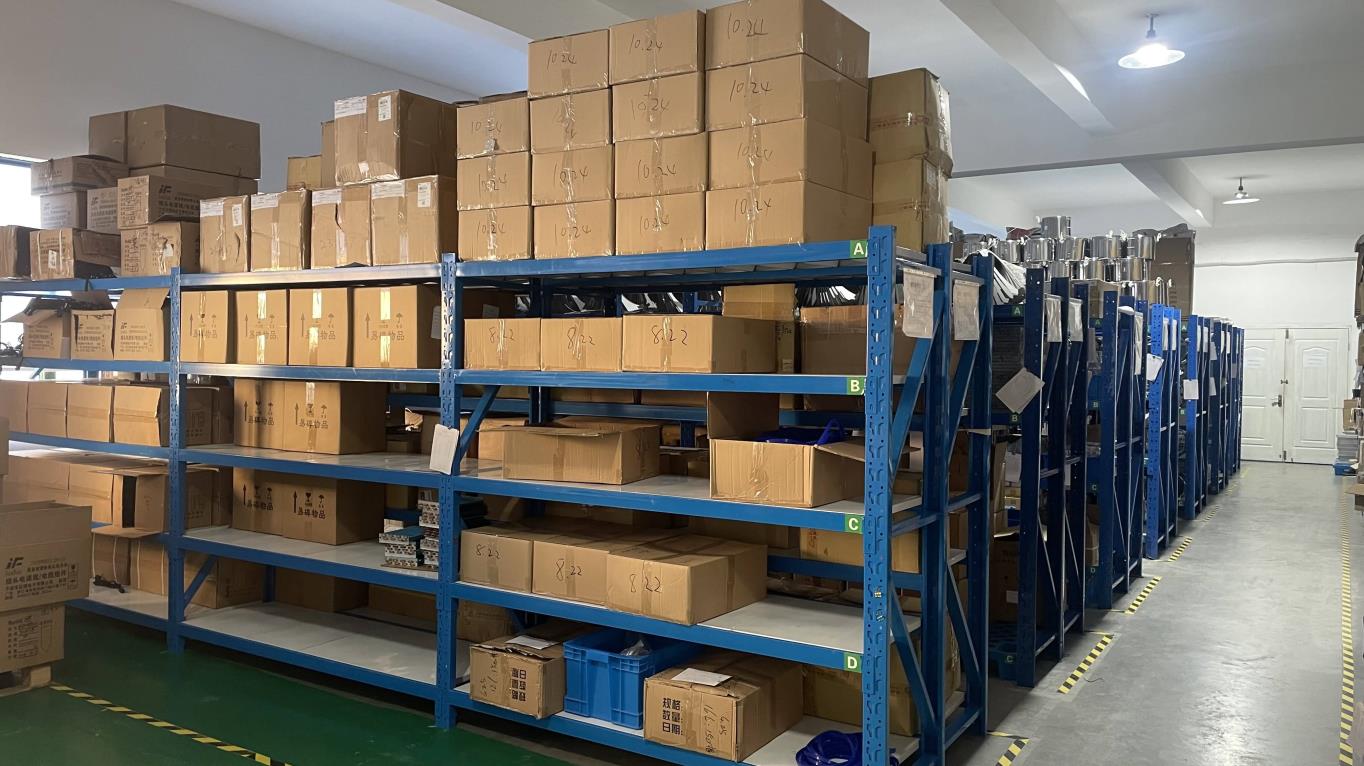
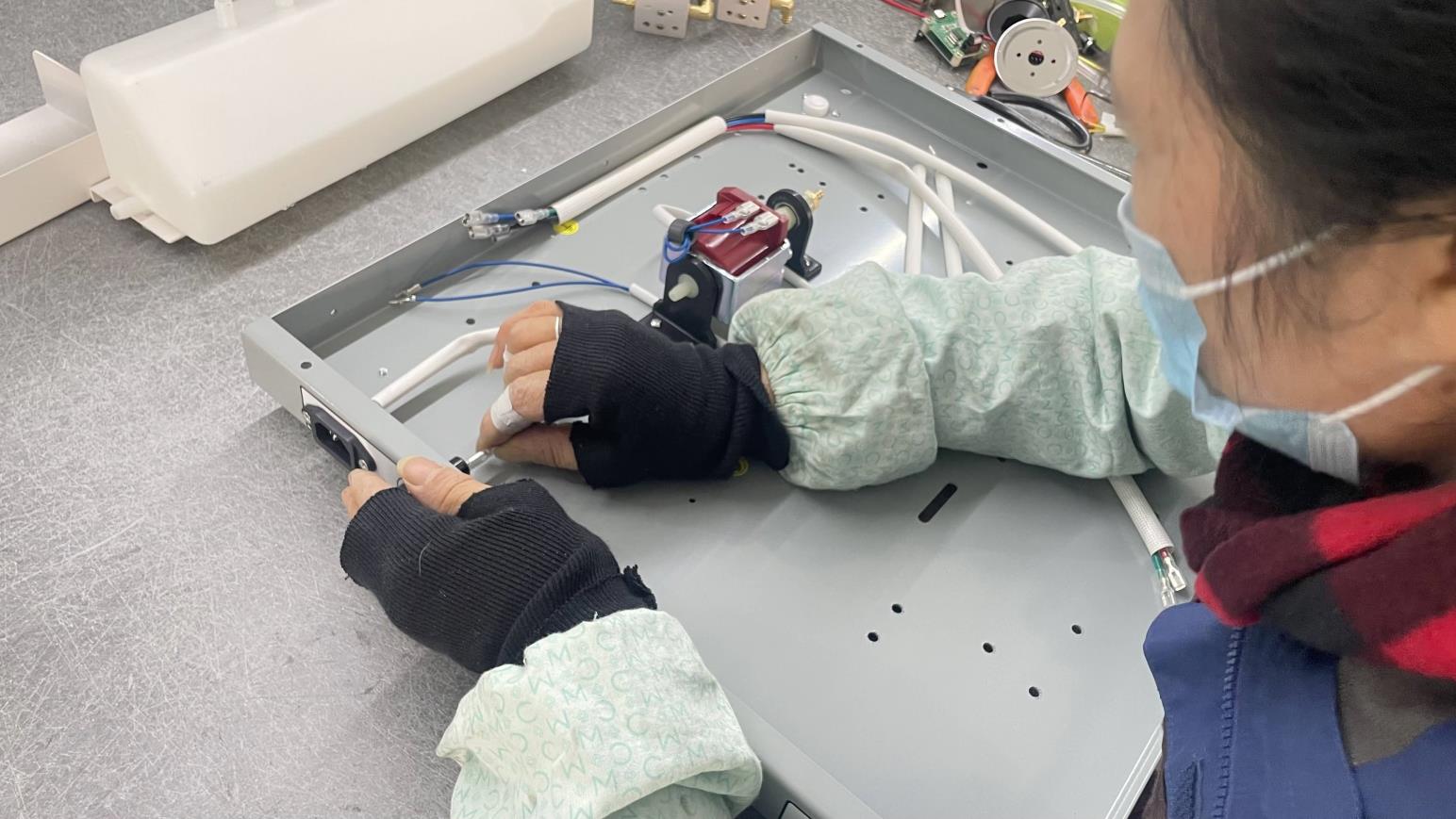
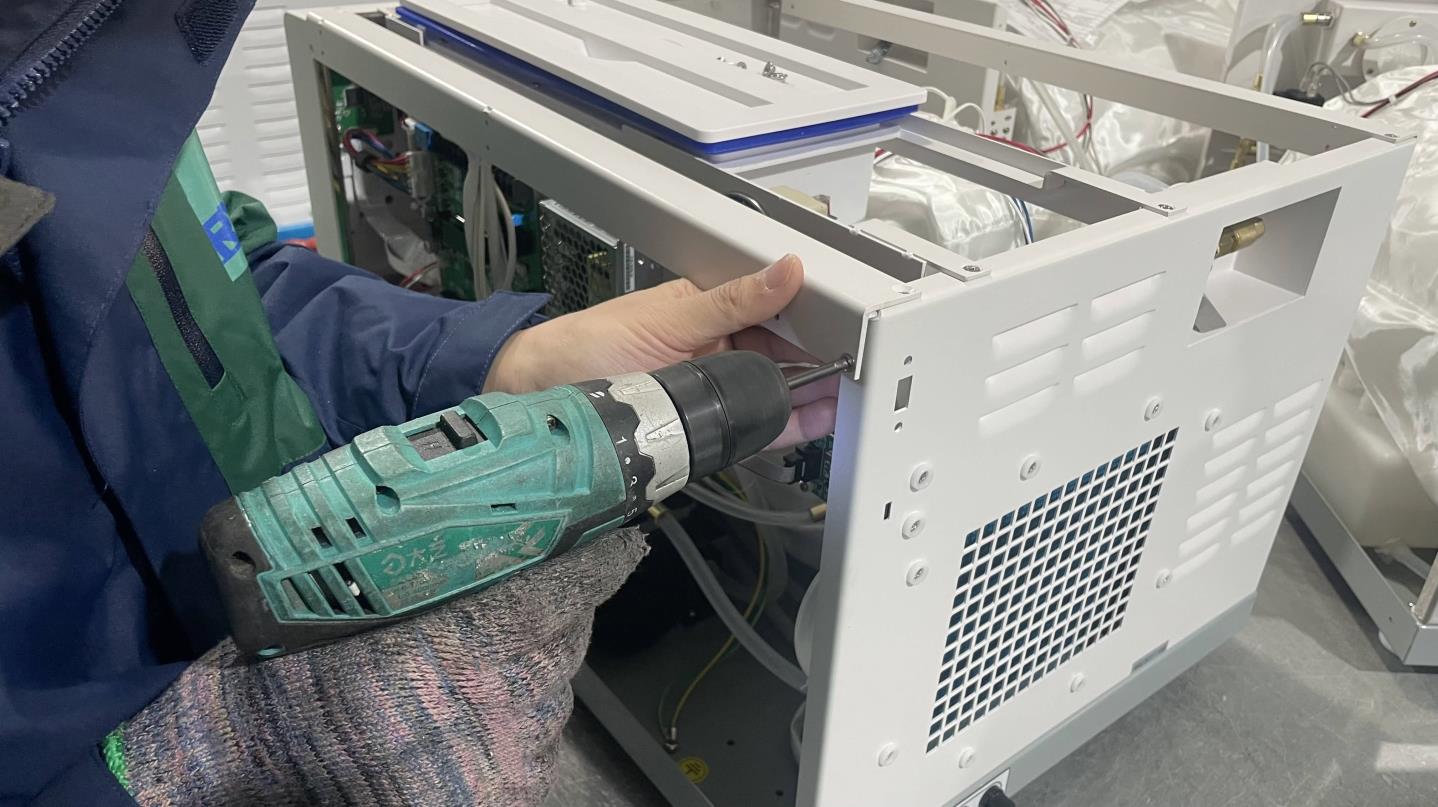
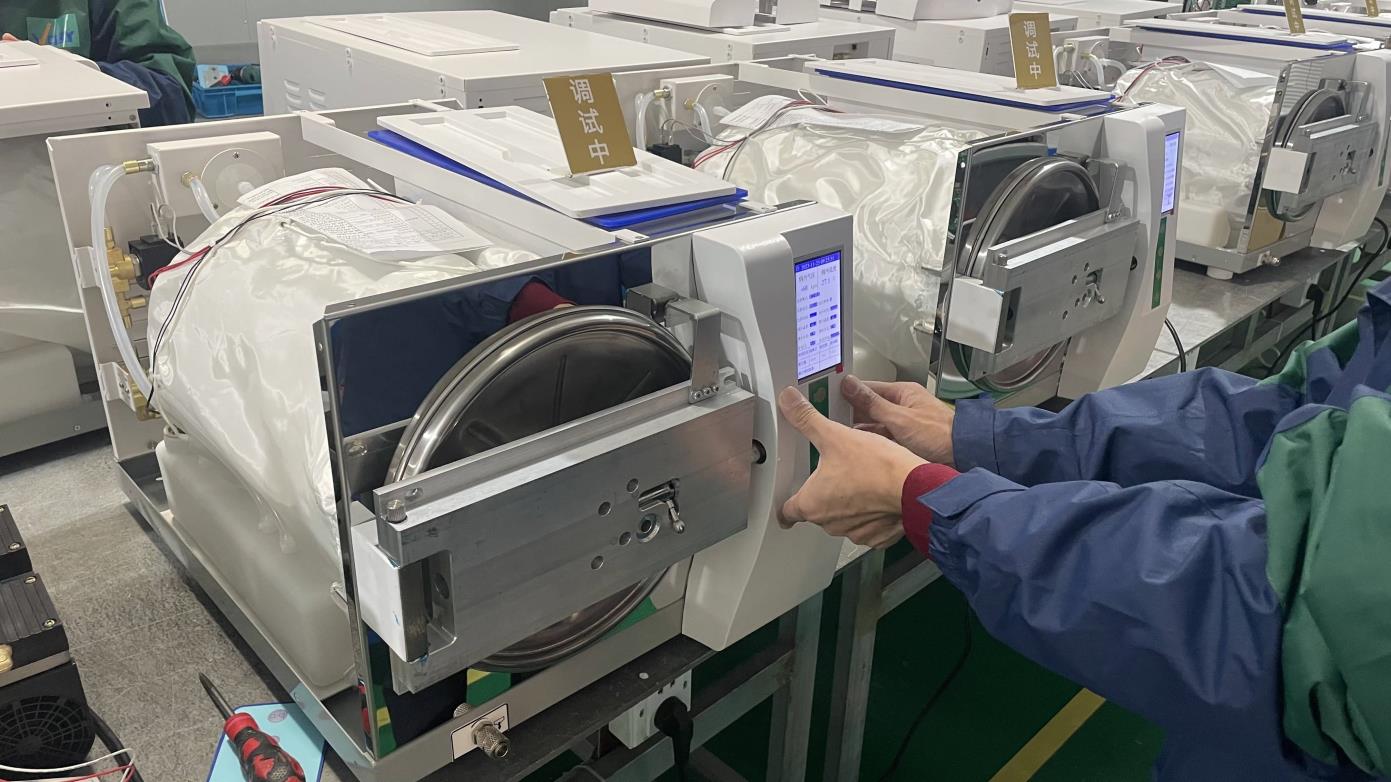
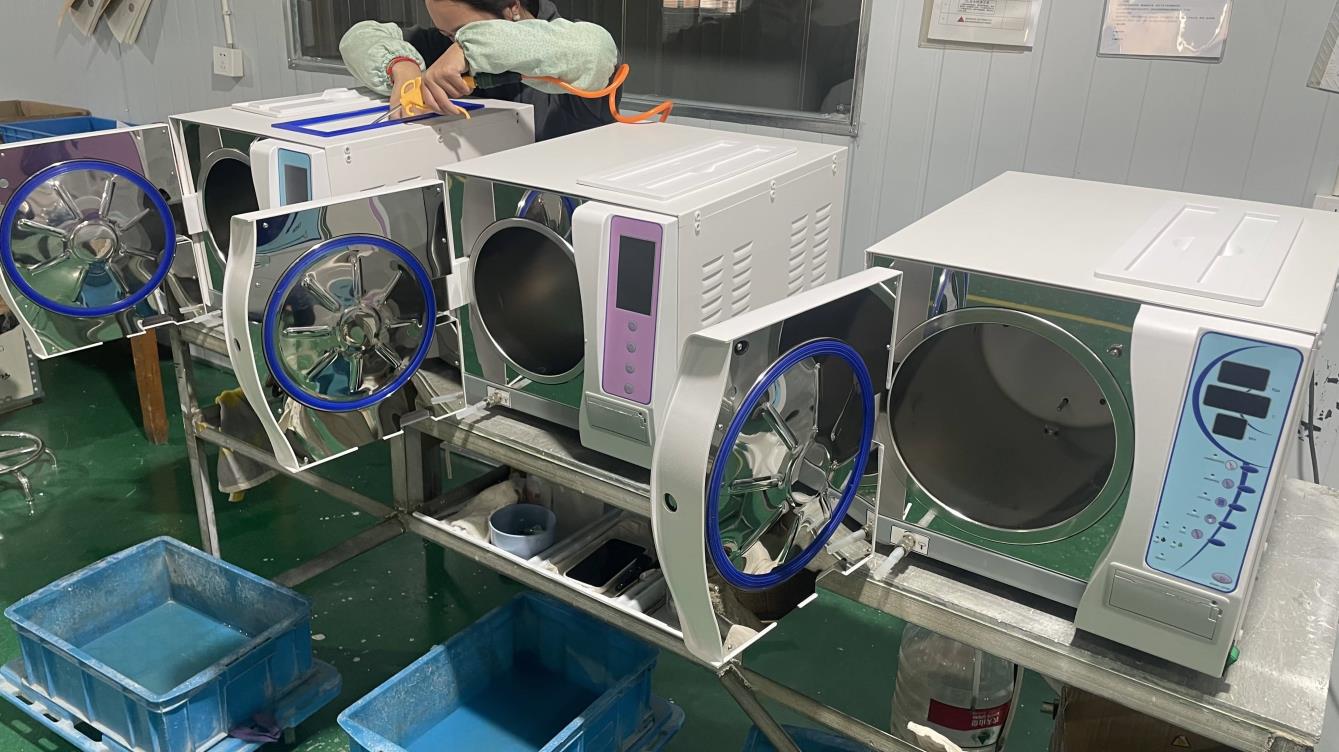
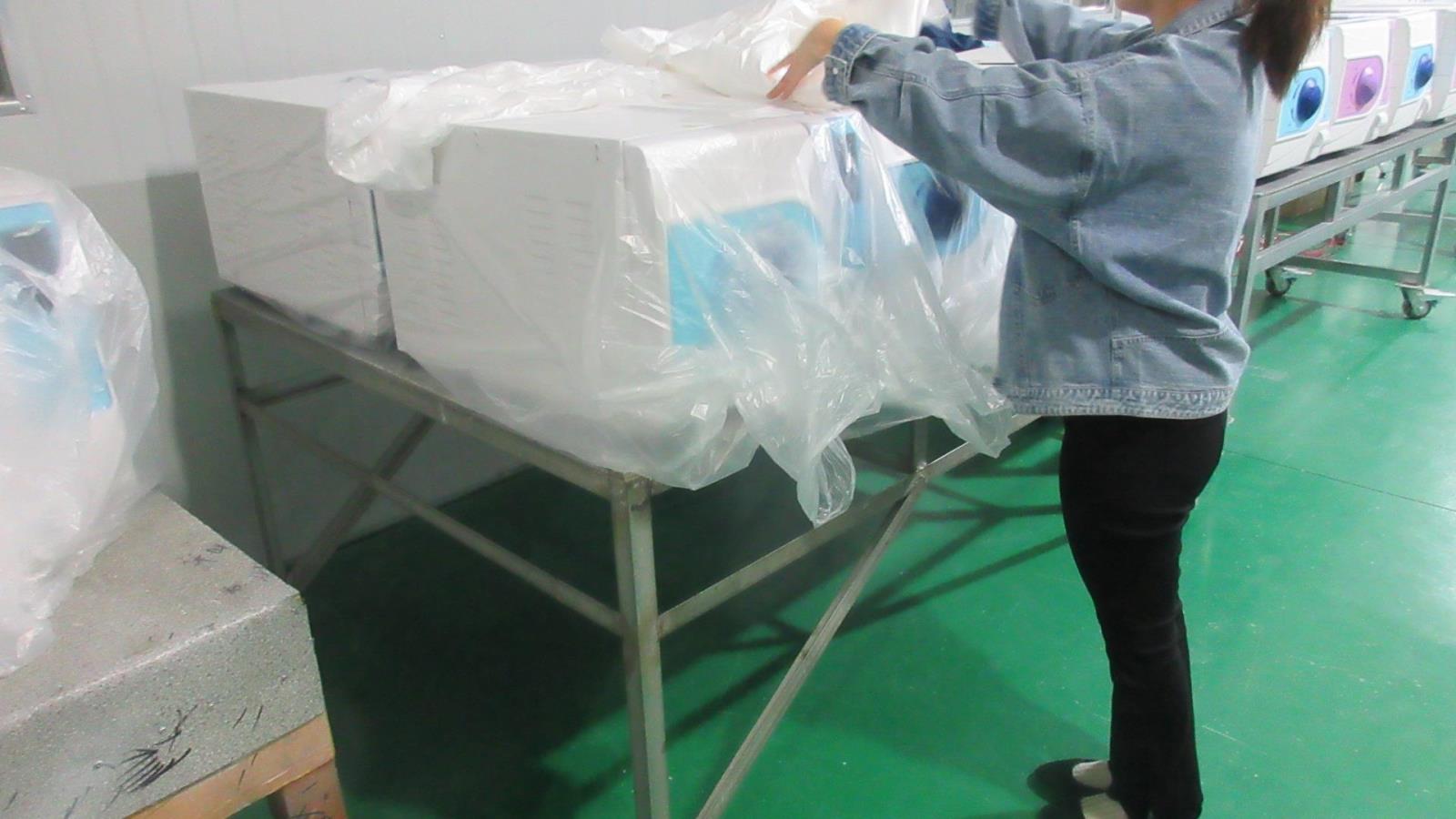
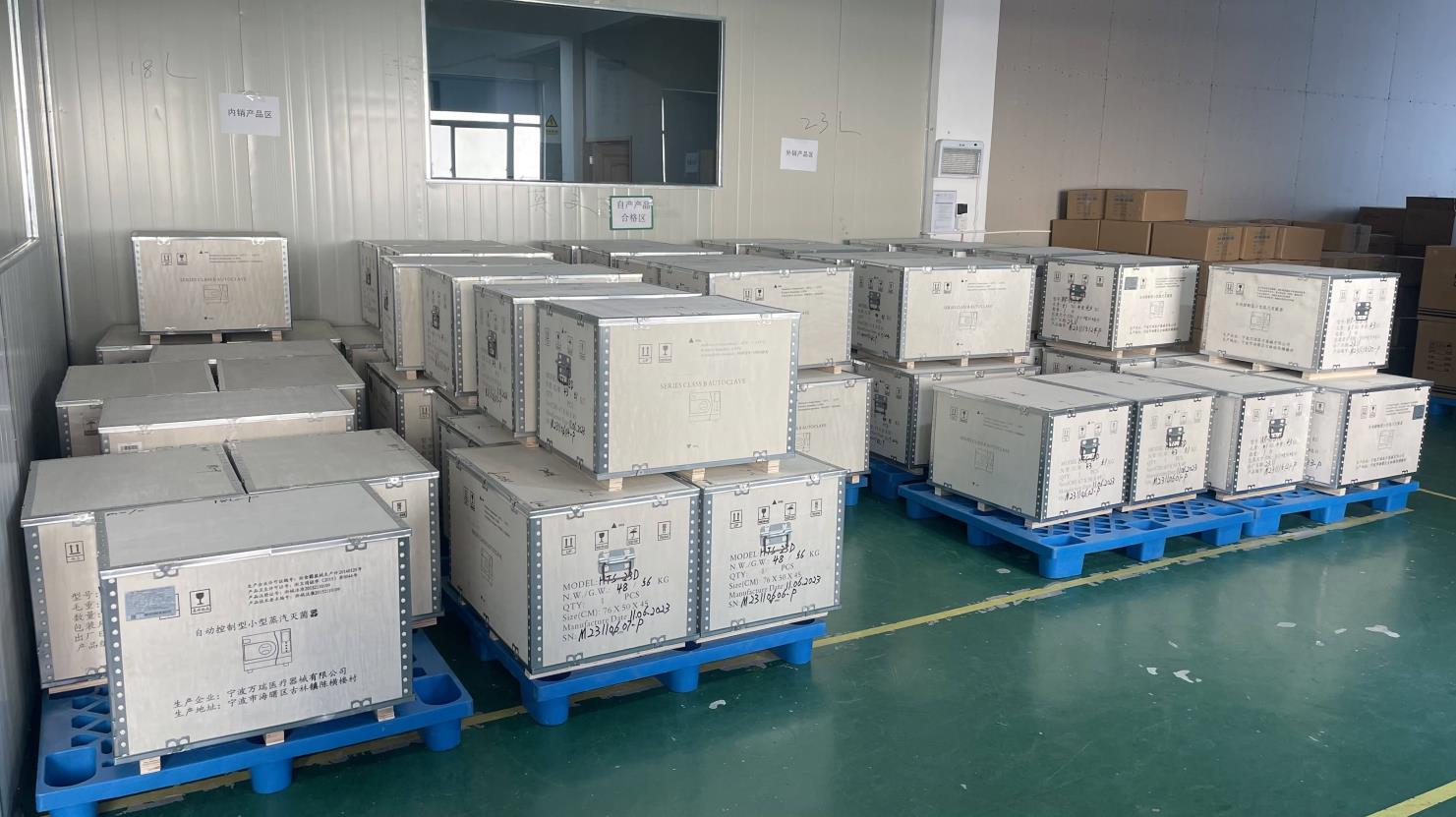
By enforcing this rigorous manufacturing pipeline, we ensure that every box provides high-performance barrier performance. The process starts with selecting premium, biocompatible alloys and finishes with controlled packaging to prevent micro-scratches or deformation during global transit. Our automated tracking monitors and records temperature and pressure tolerances at every critical control point.
For CSSD directors and procurement officers in the ACT, capital expenditure must be weighed against operational savings. Utilizing single-use sterilization wraps introduces recurring material expenses, high clinical waste disposal fees, and potential operational bottlenecks if wraps are punctured before surgery.
Our rigid sterilization container systems offer a compelling return on investment (ROI):
Furthermore, the standardized stackable design improves space utilization inside autoclaves, sterilization carts, and sterile storage shelving. With improved organization, sterile processing personnel can confidently manage and identify instrument inventory using color-coded container lids and structured label holders.
Quality assurance is crucial in medical sterilization. All Hubei Estetik Medical containers are built to comply with international standards, ensuring safe integration into standard hospital autoclaves. We continuously test our products against strict parameters for microbiological barrier maintenance, drying times, and material resistance to aggressive disinfectants.
Our production facilities maintain comprehensive manufacturing standards, verifying that all containers meet requirements for high-performance hospital applications.
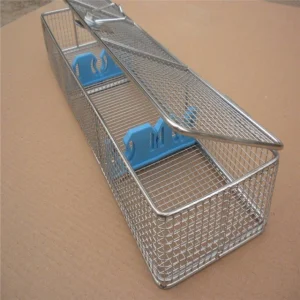
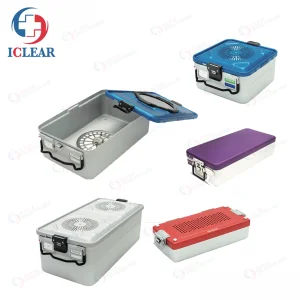
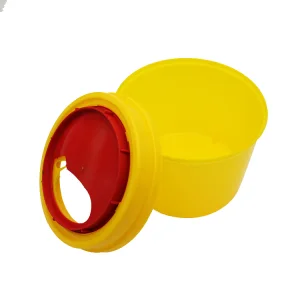
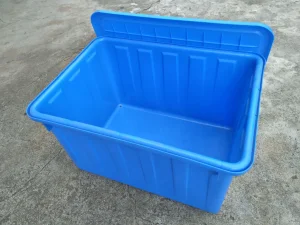
Choose from our specialized containers, endoscope baskets, medical waste bins, and industrial organization systems.
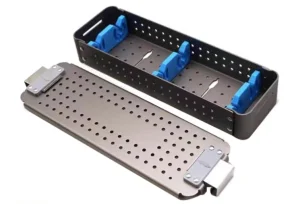
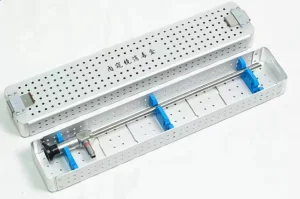
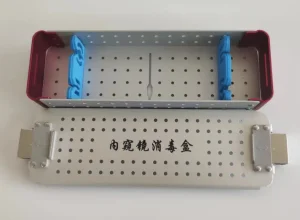
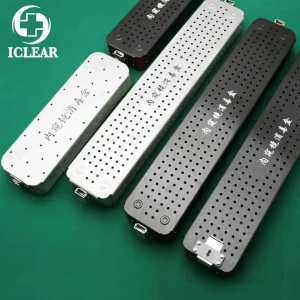
Essential accessories designed to support the sterile supply chain and clinical safety requirements.
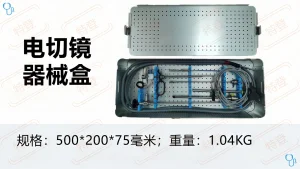
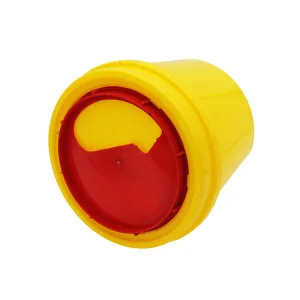
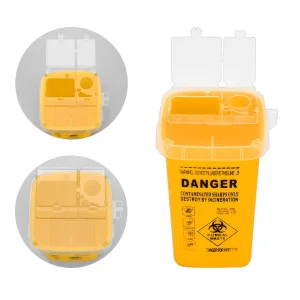
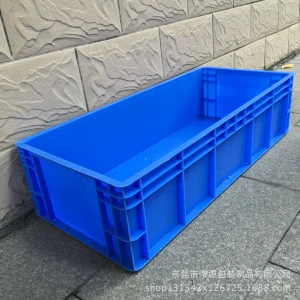
Hubei Estetik Medical Co., Ltd. does not simply produce containers; we supply an integrated collection of solutions for active hospital infection prevention and control. Our design and manufacturing expertise extends across multiple product categories, establishing a unified system for CSSDs worldwide:
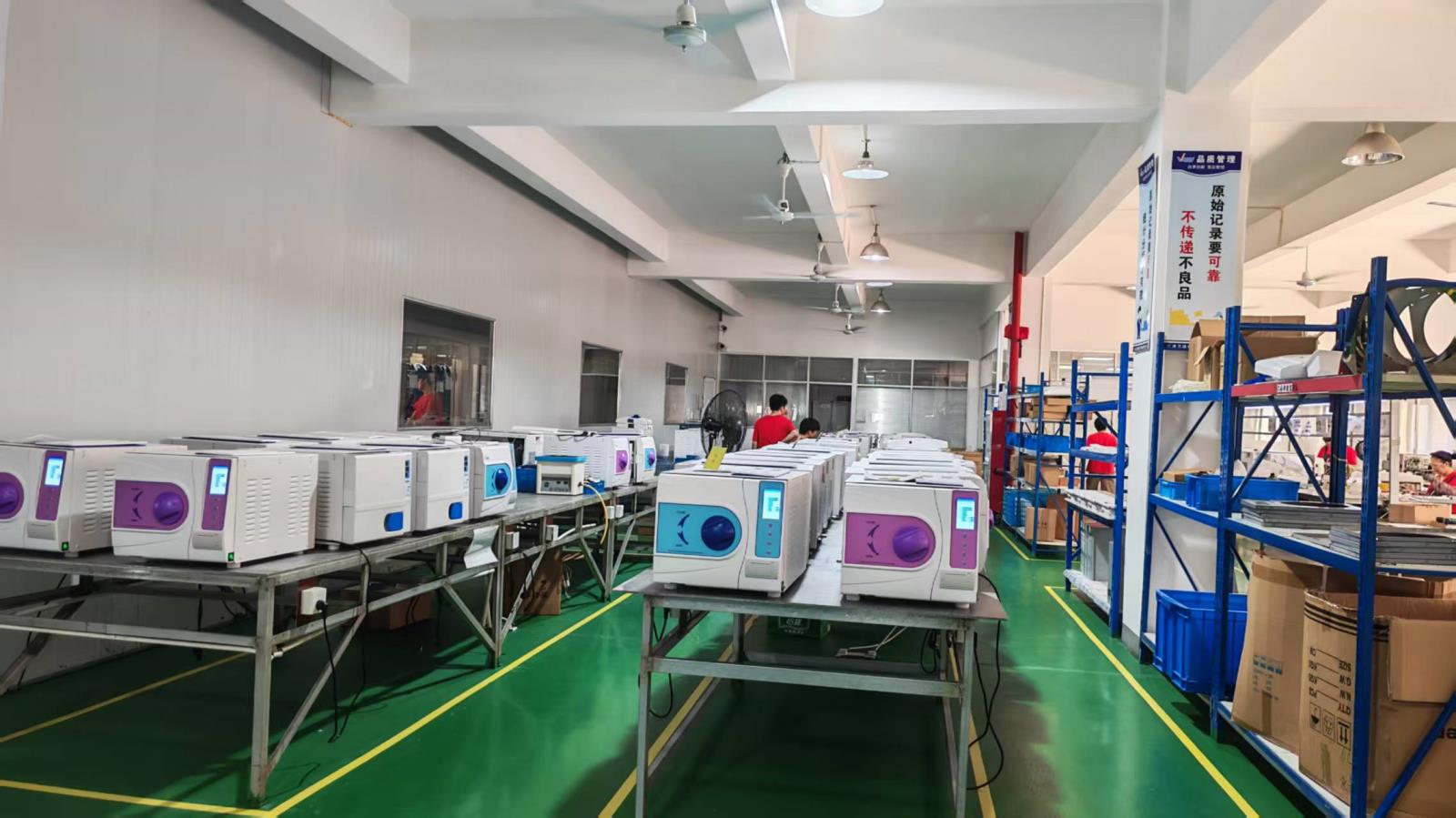
Our dedicated service and technical support cover the entire product lifecycle. From pre-sales consulting to after-sales troubleshooting, our service engineering team ensures that clinics receive quick and effective solutions. Operating our own modern workshops and warehousing facilities for disinfectants, medical devices, and components allows us to support fast shipment timelines, minimizing down-time for active hospital operations.
Get answers to common technical, regulatory, and mechanical questions regarding sterile containment systems.
Our containers are built to meet BS EN ISO 11607-1/2 (Packaging for terminally sterilized medical devices) standards. Compliance with ISO 11607 is a primary pathway to satisfying AS/NZS 4187 requirements in Australia. The container's seal integrity, biological filter configuration, and thermal properties are designed to maintain sterility through transportation and storage.
Yes. Our anodized aluminum containers are compatible with Vaporized Hydrogen Peroxide (VHP) and low-temperature gas plasma systems (such as STERRAD). However, it is essential to use compatible synthetic non-cellulose filters. Traditional paper filters are not suitable for plasma cycles. For stainless steel variants, compatibility with plasma cycles is supported, though anodized aluminum remains the preferred option for fast cycles due to its weight-to-thermal ratio.
Wet packs typically result from poor thermal dissipation or incorrect sterilizer loading. Our aluminum containers feature high-conductivity properties that allow the walls to heat and cool quickly, accelerating drying. We also use specialized interior base profiles and elevated silicone instrument racks to prevent condensation buildup and pooling.
Our high-grade medical silicone gaskets are tested to retain elasticity and sealing properties for over 1,000 cycles. We recommend verifying the seal weekly during routine cleaning inspections. Single-use paper or Teflon filters should be replaced after each sterilization cycle, while mechanical/valve filtration systems should follow our annual maintenance and testing schedule.
We provide custom configurations including modular silicone brackets, protective endoscope sleeves, and divided trays. These systems secure fine surgical optics and shafts, preventing movement-related damage during transport. This customized organization also simplifies verification and instrument counting before surgeries.
 Estetik Medical