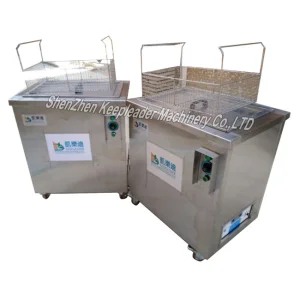
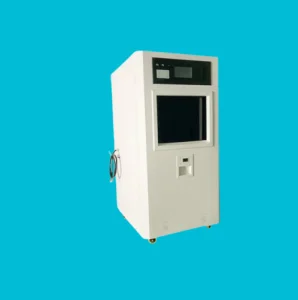
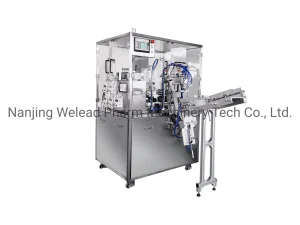
Explore our elite tier of infection control equipment and clinical sterile instruments, engineered for strict compliance with global medical guidelines.
Analyzing market shifts toward low-temperature decontamination, autonomous hygiene verification, and strict bio-hazard containment.
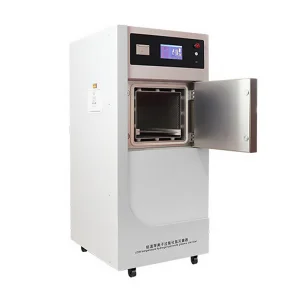
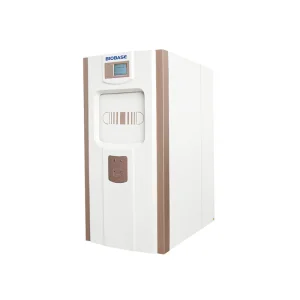
In the modern clinical ecosystem, emergency medical equipment is no longer limited to trauma treatment and patient transfer. The integration of advanced infection control protocols is a foundational pillar of emergency room (ER), intensive care unit (ICU), and field-hospital design. Global healthcare standards are shifting toward non-thermal, fast-cycle sterilization mechanisms—predominantly driven by the rapid expansion of heat-sensitive diagnostics, micro-surgical devices, and flexible endoscopy instrumentation. Autoclaving can severely degrade high-precision optics and silicone-elastomeric seals, accelerating the necessity for Low-Temperature Hydrogen Peroxide (H₂O₂) Gas Plasma Sterilizers.
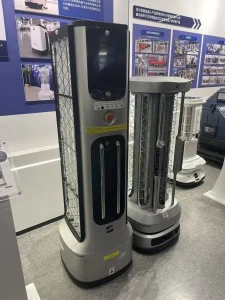
Furthermore, epidemic outbreaks and multidrug-resistant organism (MDRO) contamination have altered the risk profile of healthcare infrastructure. Continuous passive disinfection has evolved into active, automated surface and air decontamination strategies. Modern hospital procurement teams are establishing new baselines that require sterilization systems to deliver validated 6-log reductions (99.9999% destruction) of highly resistant bacterial spores, such as Geobacillus stearothermophilus. This level of safety can only be consistently achieved through smart integration of biological indicators, fast auto-readers, and automated air/space sterilization networks.
Deciphering key operational variables, standardization barriers, and quality indicators demanded by global healthcare distributors.
B2B hospital buyers, regional distributors, and government health agencies face complex purchase decisions when equipping emergency trauma centers. These decisions are governed by regulatory compliance, cost-to-performance metrics, and lead-time stability. A key procurement concern is the total cost of ownership (TCO) for sterilization apparatuses and medical components. Buyers require reliable, high-uptime platforms with minimal consumable lock-in, customizable tray capacities, and access to local maintenance support.
In addition, regulatory barriers are complex. B2B importers look for suppliers with a full stack of international certifications, such as ISO 13485, CE (MDR), and FDA compliance. Without these certifications, custom clearances fail, and liability exposure grows. As a result, partnering with a Chinese supplier that offers verified, tested compliance and strong logistics integration is critical for medical distribution networks.
How Hubei Estetik Medical leverages automation, precise assembly, and rigorous testing cycles to ensure zero-defect output.
In the medical device supply chain, there is zero margin for error. Under the Factory 4.0 framework, Hubei Estetik Medical Co., Ltd. has digitalized its production processes. From raw material sourcing to mechanical assembly, inline sensor quality checks, chemical-biological testing, cleanroom packaging, and smart logistics, every phase of production is monitored and documented for trace-back tracking.
Our manufacturing centers in Hangzhou, Chengdu, Wuxue, and Wuhan utilize state-of-the-art LSR (Liquid Silicone Rubber) injection molds, robotic-arm precision assembly, and computerized gas chromatography. This automated manufacturing infrastructure maintains tight design tolerances, keeping products within surgical specifications and ensuring long service life under heavy clinical workloads.
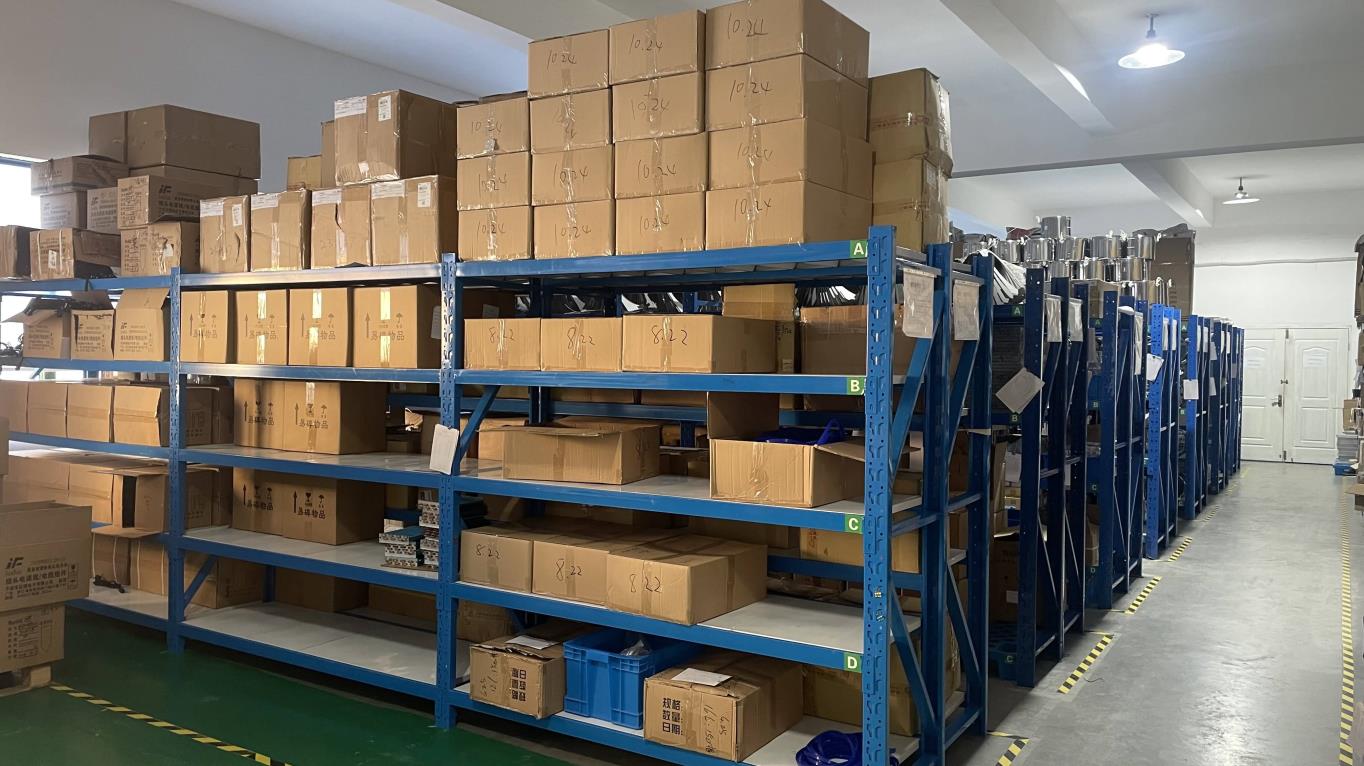
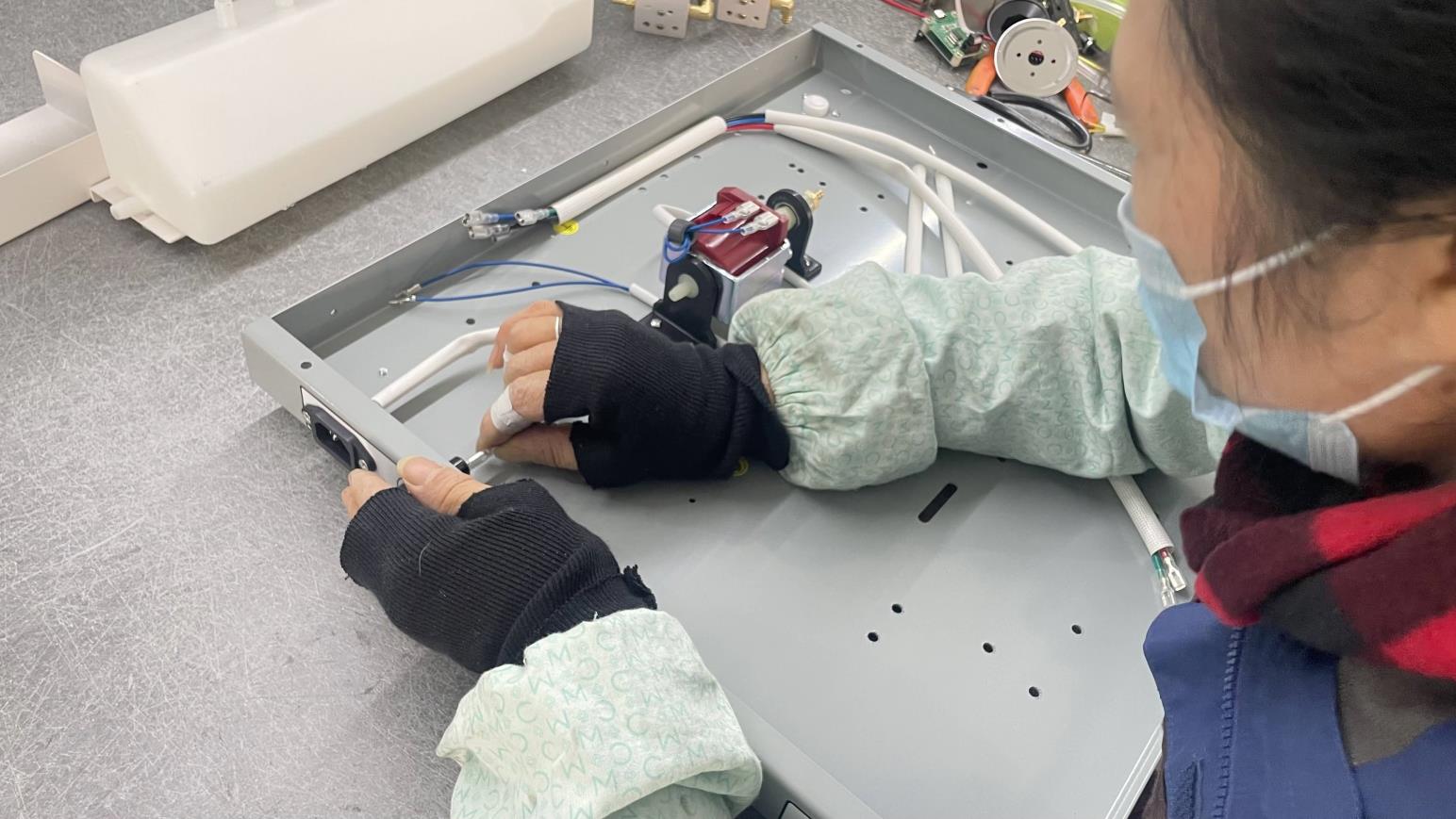
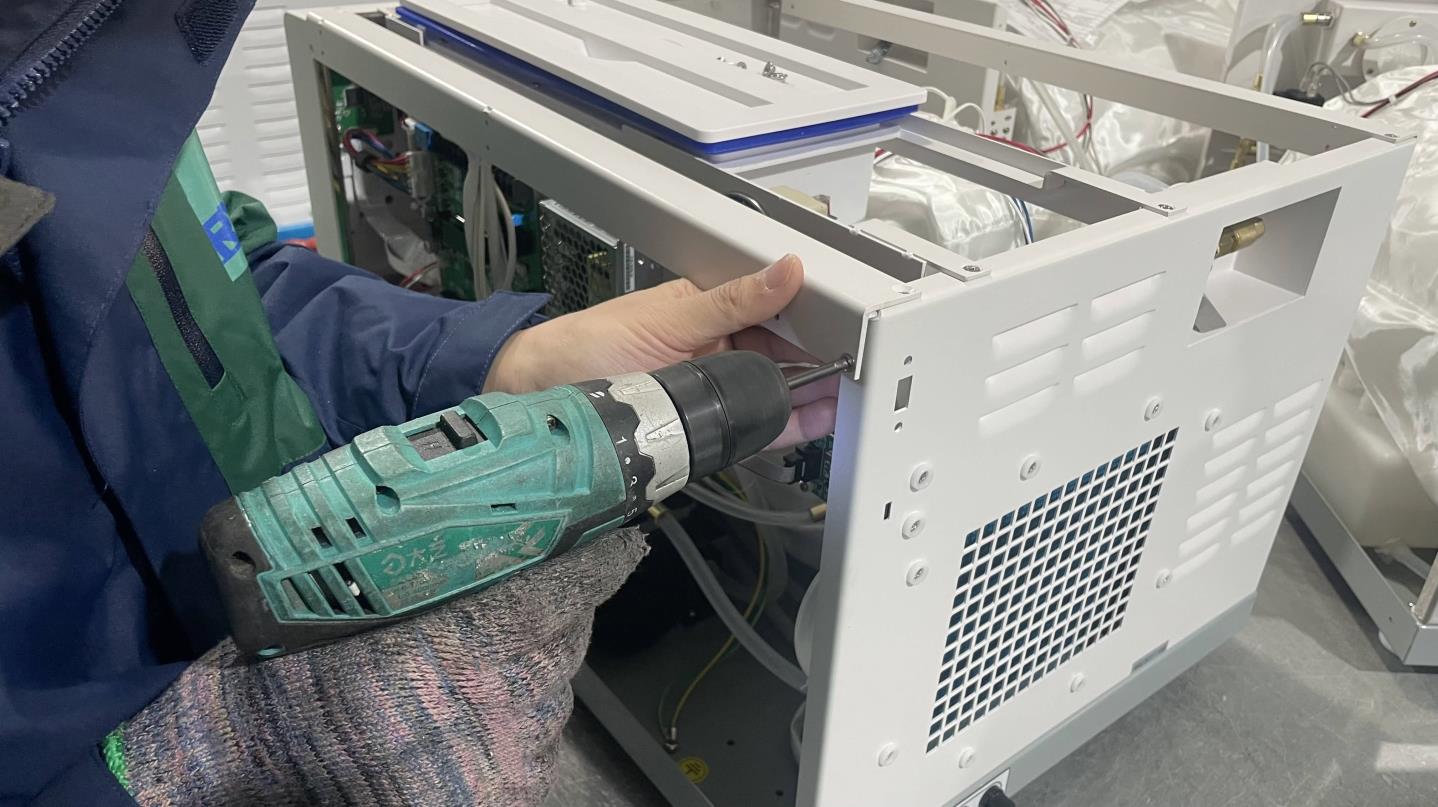
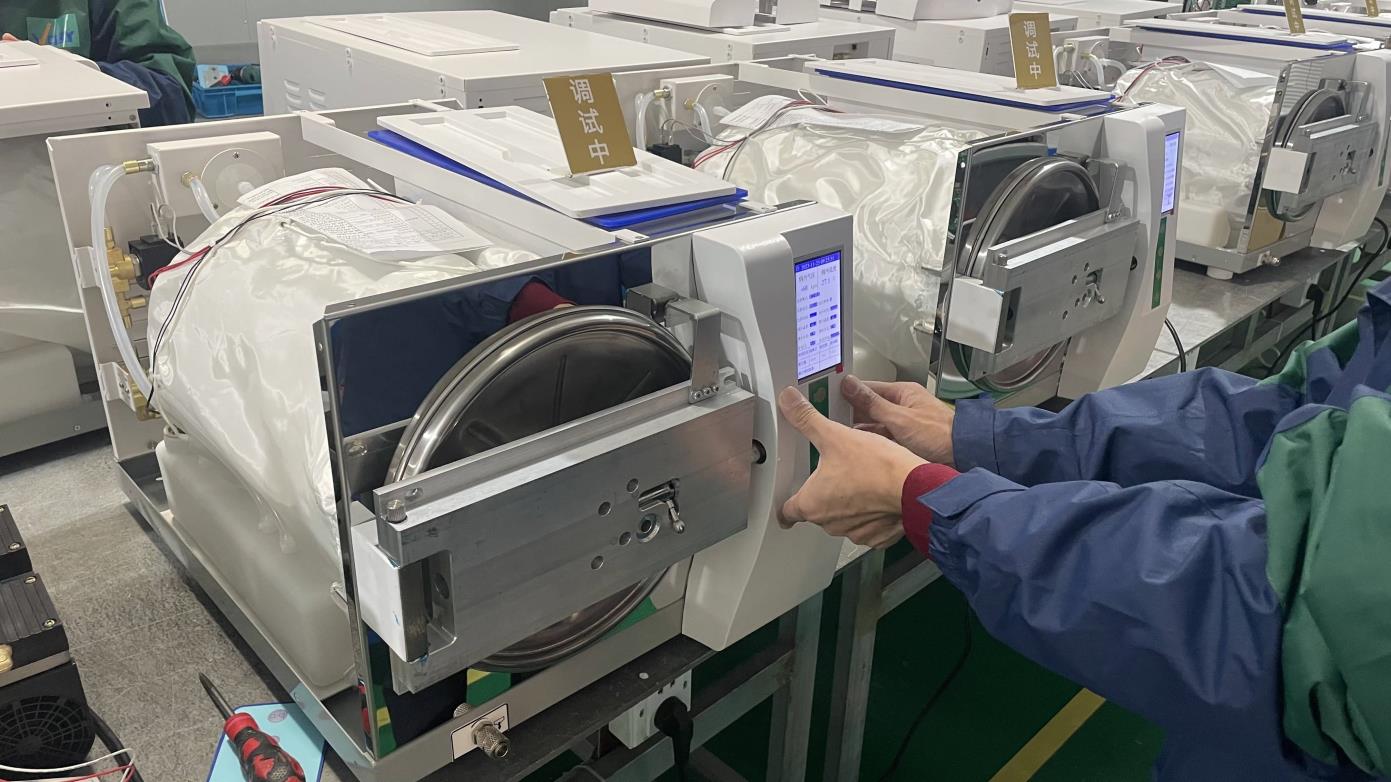
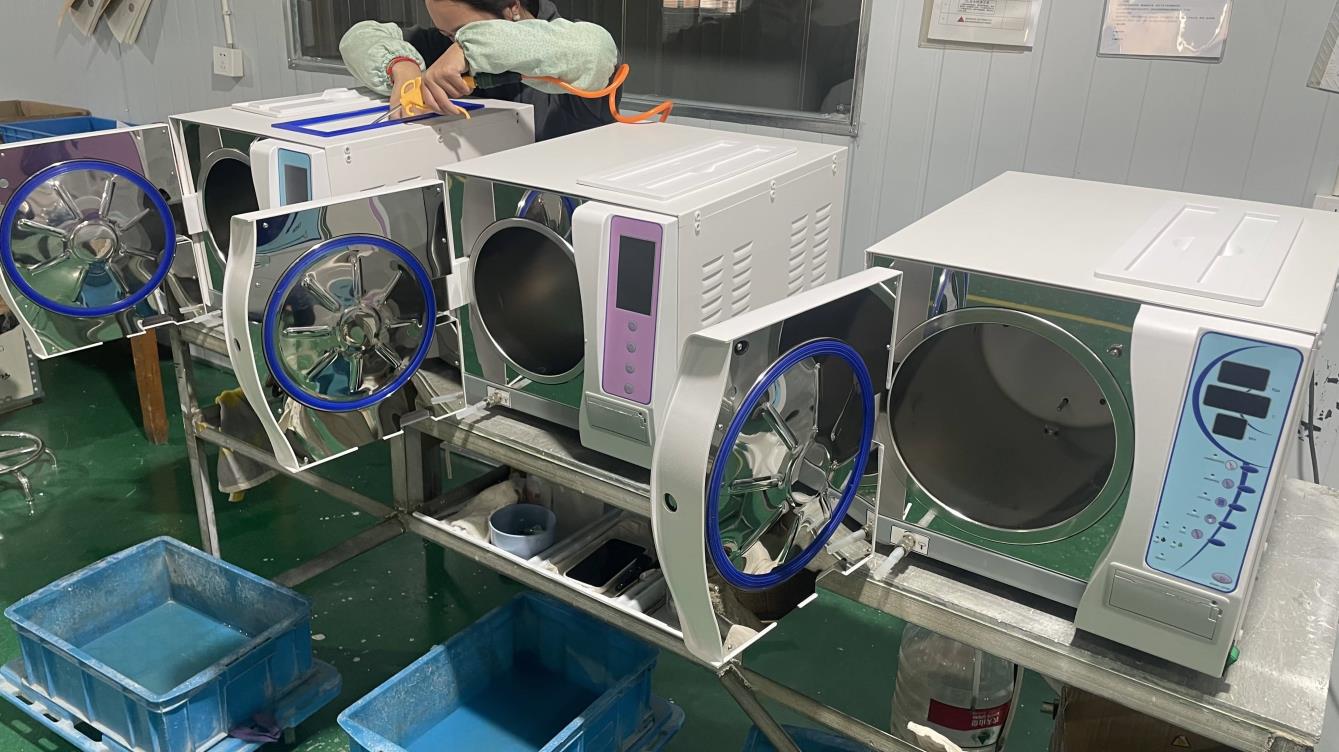
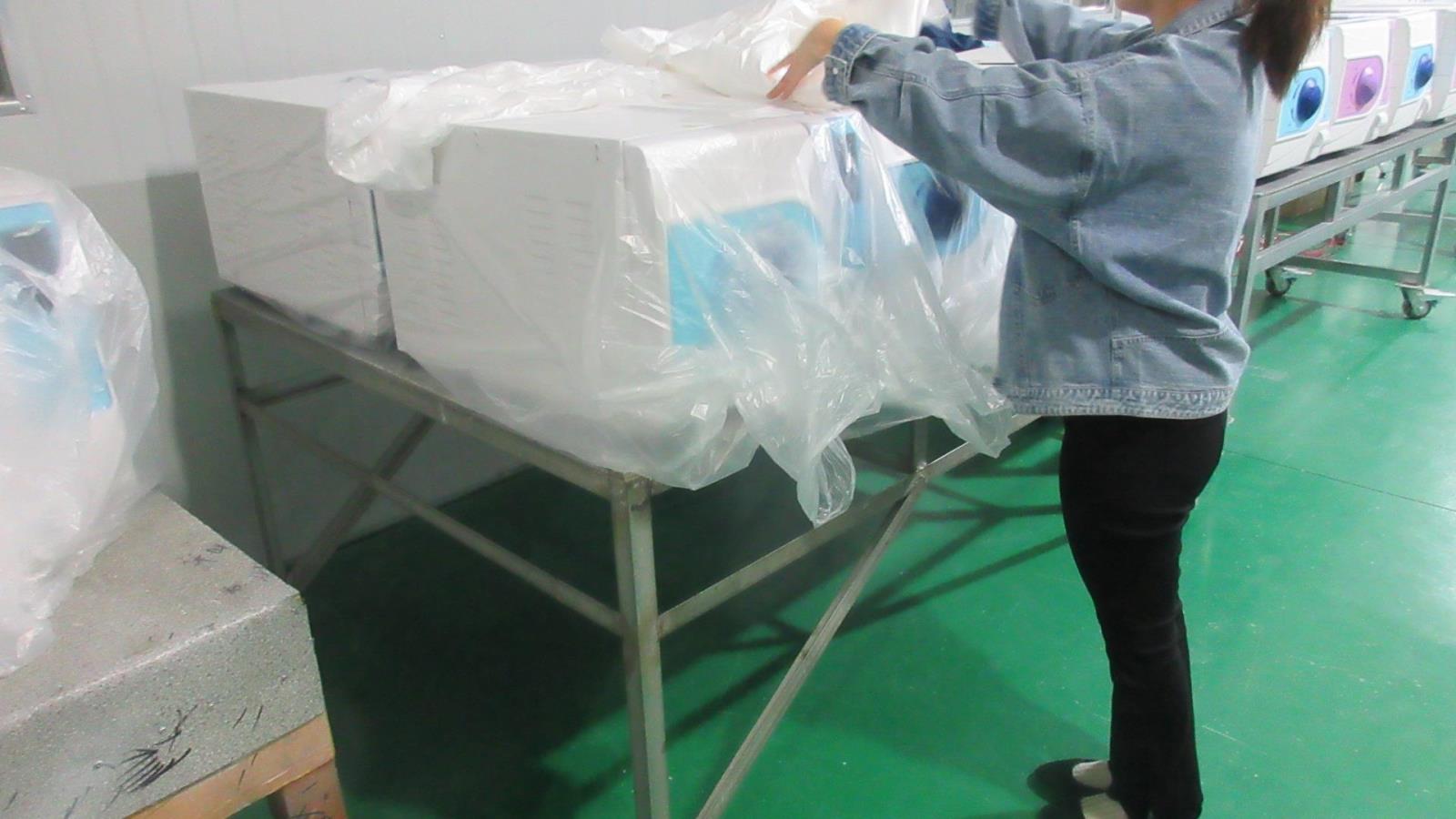
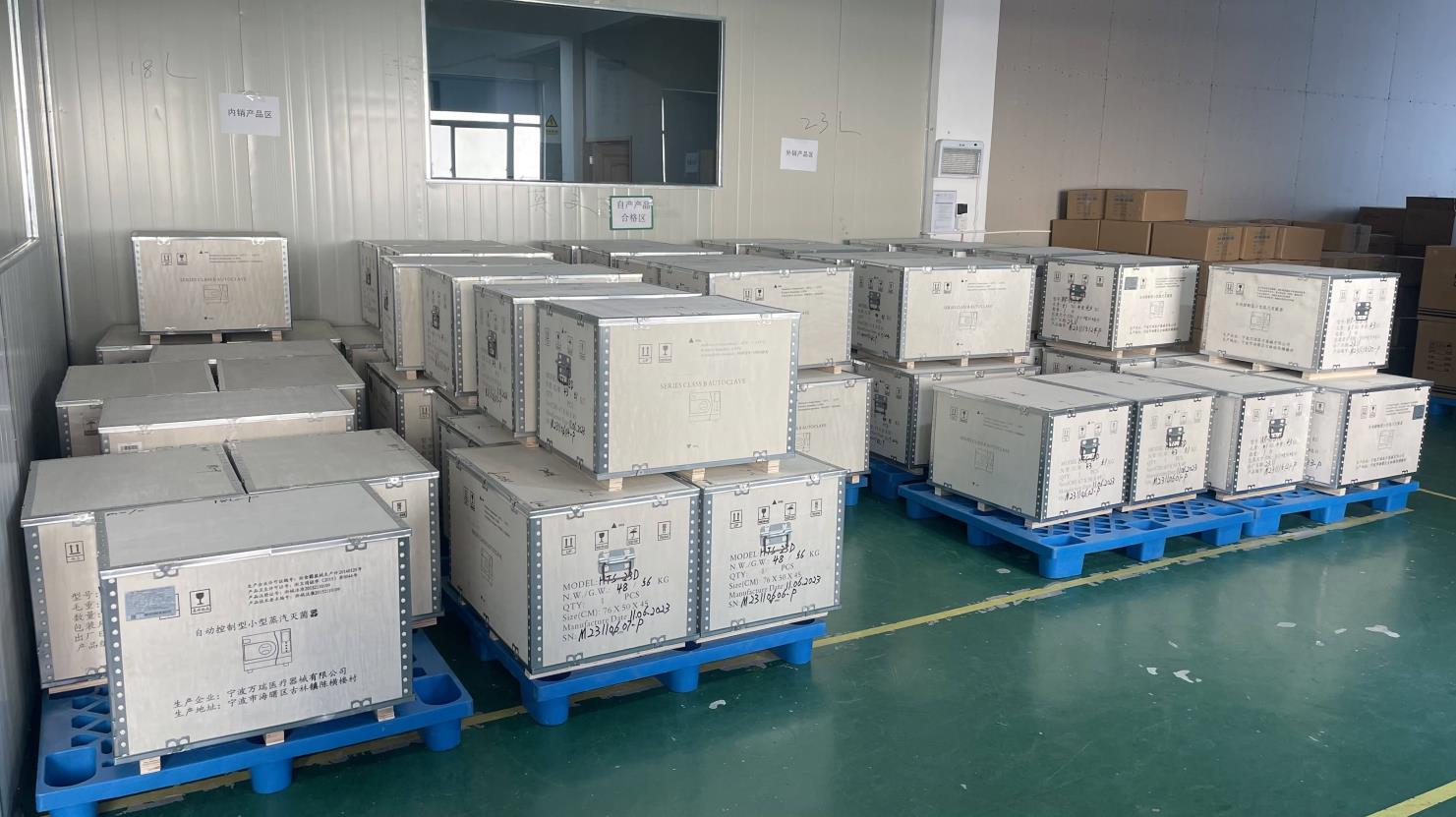
Hubei Estetik Medical Co., Ltd. is a leading innovator and manufacturer in the medical and healthcare industry, specializing in high-quality disinfection systems, medical equipment, and infection control solutions. With our cutting-edge research and development centers, advanced manufacturing facilities, and strategically located warehouses and offices in key cities across China—including Hangzhou, Chengdu, Wuxue, and Wuhan—we are well-positioned to serve both domestic and international markets.
Our commitment to medical innovation is backed by continuous R&D investments, enabling us to deliver reliable and safe medical systems. Our comprehensive technical support and customer service team manages product needs throughout their entire lifecycle, ensuring timely assistance. We operate dedicated workshops and warehouses for disinfectants, sterilization devices, and spare parts, ensuring fast, reliable distribution to our global B2B clients.

A deep comparative analysis of sterilization methods and safety parameters in modern clinical applications.
Selecting a sterilization method requires evaluating process variables, material compatibility, processing times, and toxic residue profiles. High-temperature steam autoclaving remains standard for robust stainless steel instruments. However, it is unsuitable for micro-circuitry, delicate optical components, and certain high-density polymers, which warp under heat and moisture. Ethylene Oxide (EO) gas enables low-temperature processing but carries environmental concerns and requires long degassing cycles (up to 12-24 hours) to clear toxic residues from sterile items.
Low-Temperature Hydrogen Peroxide Gas Plasma systems resolve these issues. Operating at temperatures between 35°C and 55°C, these systems protect delicate medical equipment while delivering quick cycle times (typically 28 to 55 minutes). This enables rapid reuse of diagnostic equipment, which helps lower the capital costs of keeping backup inventory.
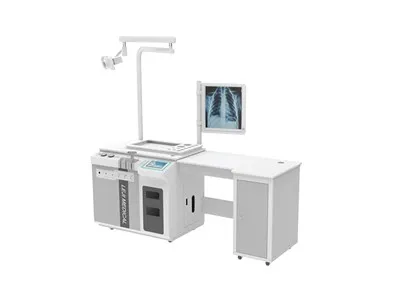
Our operations comply with key international quality assurance systems. Hubei Estetik Medical Co., Ltd. is certified under ISO 13485, and our sterilization products meet CE and global medical directives. We use biological indicator systems to verify autoclave sterilization efficacy, helping prevent cross-contamination and hospital-acquired infections (HAIs).
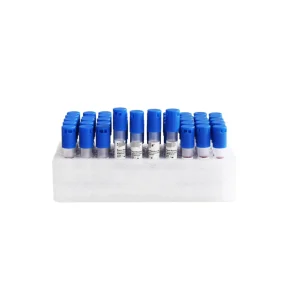
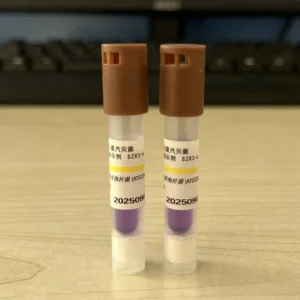
Our bio-monitoring products utilize Geobacillus stearothermophilus and Bacillus atrophaeus spores to confirm the inactivation of resistant pathogens. Through our fast auto-reader systems, hospitals receive verified sterility results in hours instead of days, improving CSSD efficiency.
How our comprehensive infection control solutions are deployed in various clinical settings globally.
Get authoritative answers on medical sterilization standards, logistics, and product integration.
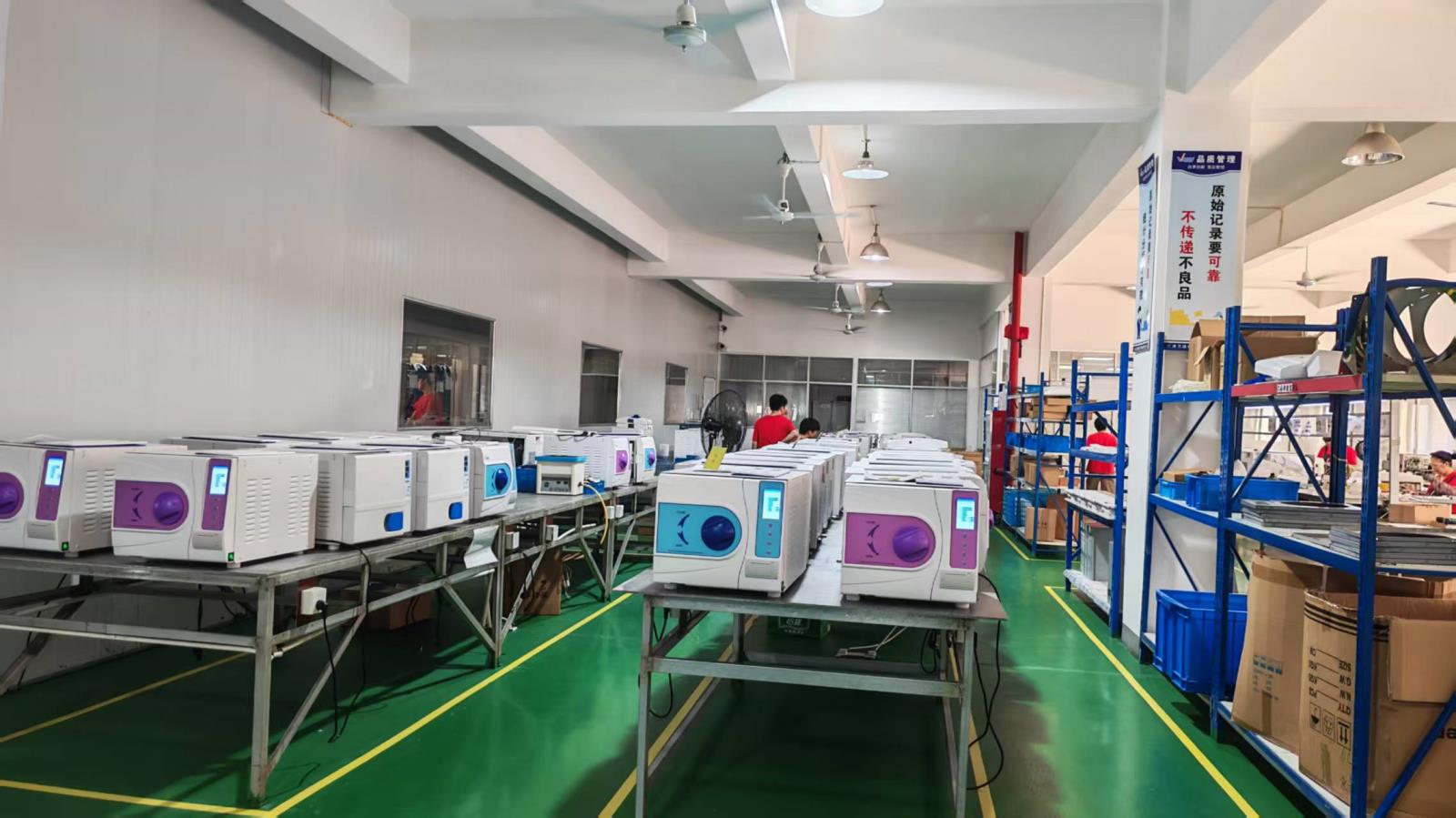
Discover our comprehensive collection of intelligent disinfection machinery, biosensors, and specialized clinical hardware solutions.
 Estetik Medical