★
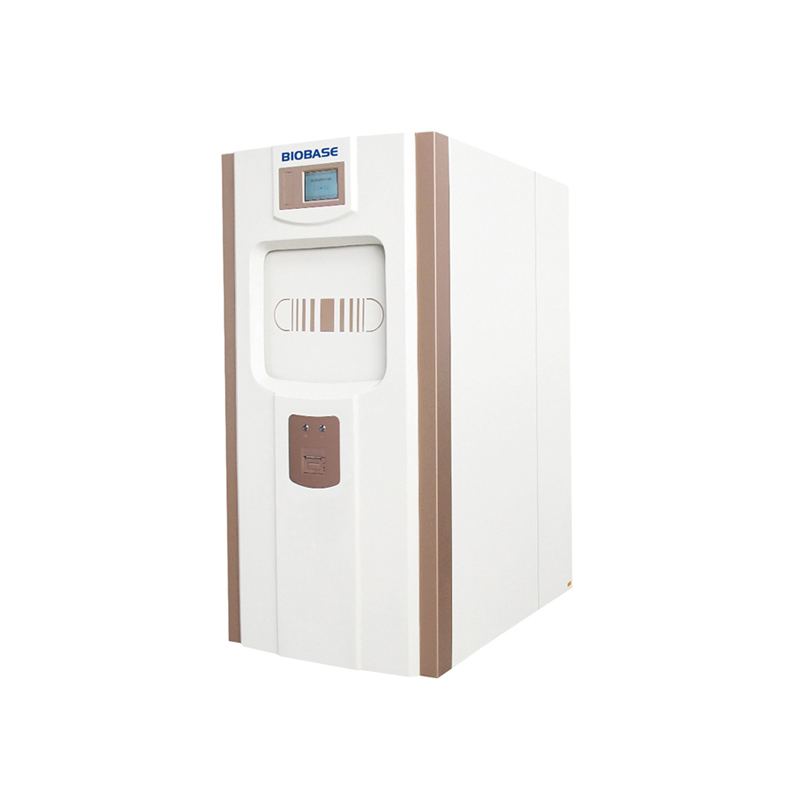
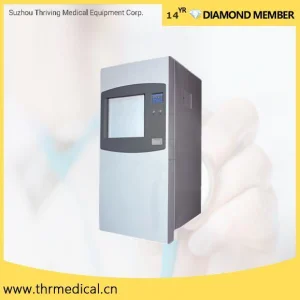
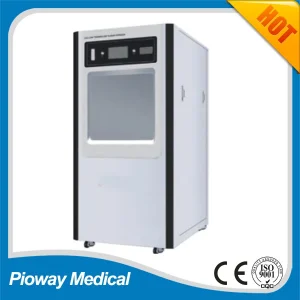
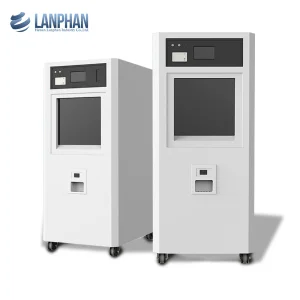
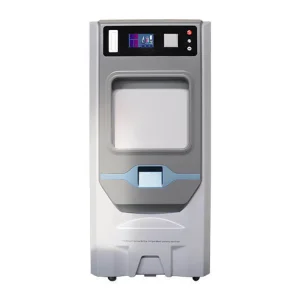
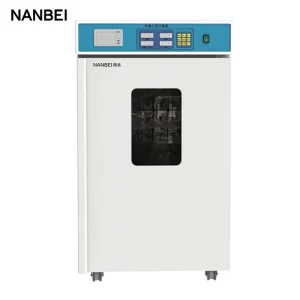
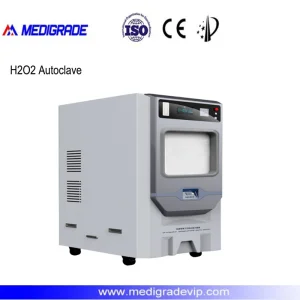
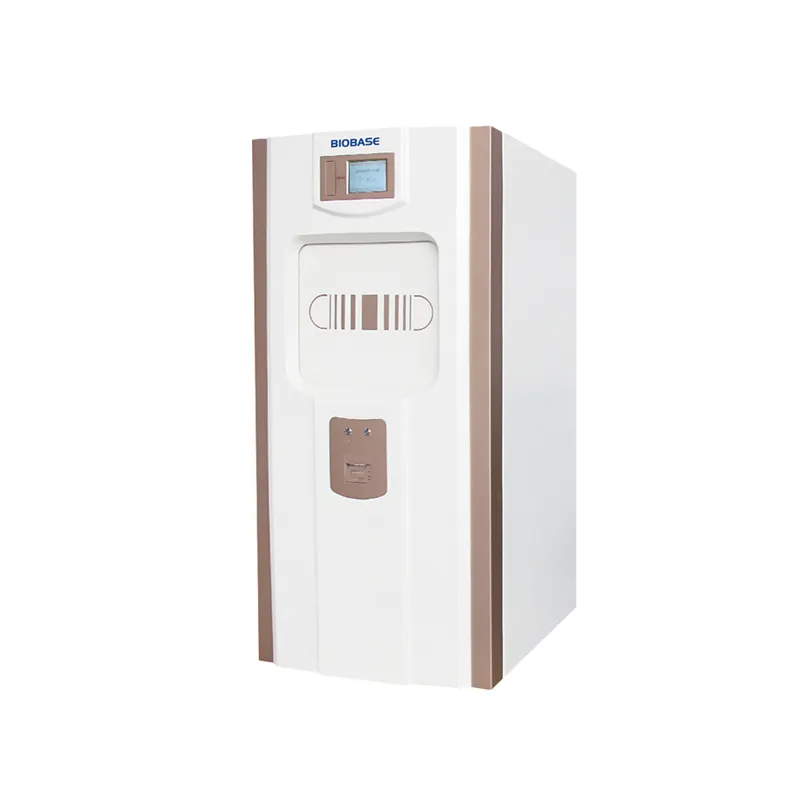
H2O2 Low Temperature Plasma Sterilizer
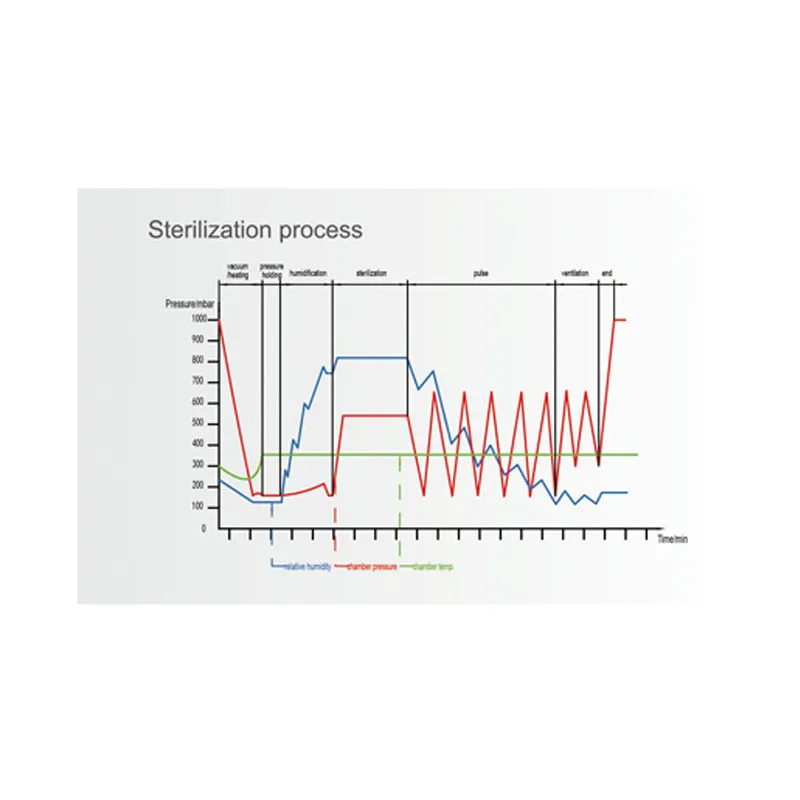
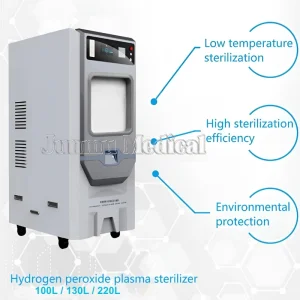
This Plasma sterilizer utilizes H2O2 as a sterilizing agent, forming a plasmatic state through electromagnetic fields at low temperatures. It combines both gaseous and plasmatic H2O2 to ensure thorough sterilization of items within the chamber, followed by the safe decomposition of residual H2O2.
📍 Application Scope
Widely used in medical institutes for sterilizing electric wires, cables, optical lenses, endoscopes, catheters, and other heat-sensitive or moisture-sensitive instruments.
- BKQ-PS100: Medical tubular instrument (ID≥1mm, Length≤500mm)
- BKQ-PS200: Medical tubular instrument (ID≥0.8mm, Length≤300mm)
🌡️ Low Temperature Sterilization
Sterilization temperature is maintained at 50±5ºC, significantly lower than steam sterilization. This dry process extends the service life of delicate instruments.
🌿 Safe & Environment Friendly
By-products are strictly water and oxygen molecules. Equipped with a high-efficiency H2O2 filter to prevent environmental pollution.
🖥️ Advanced Data Management
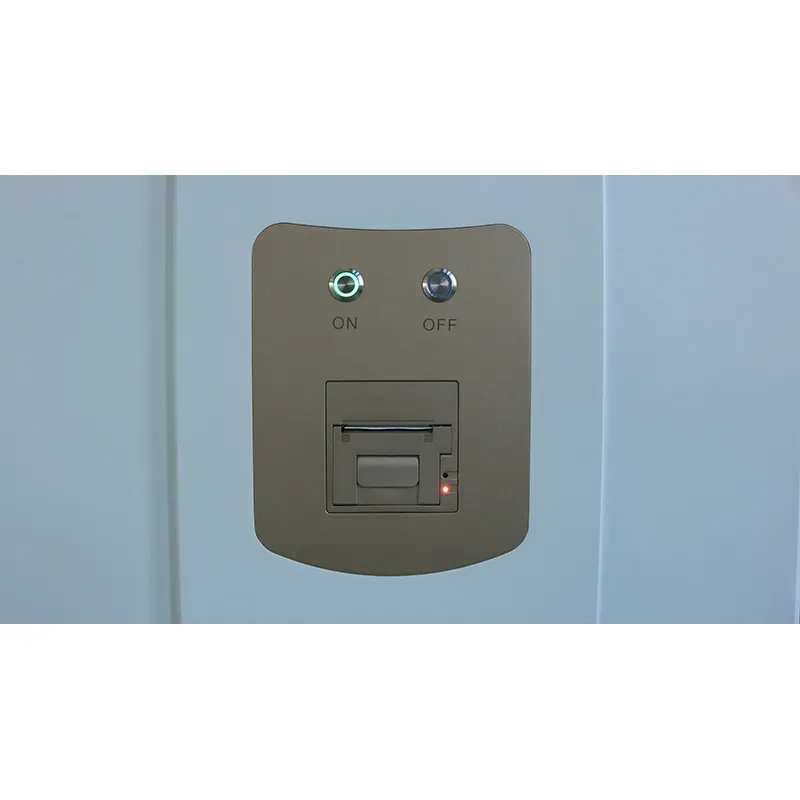
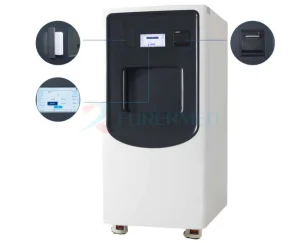
Features 2048M storage for original data tracking and a mini printer for real-time operation records.
🔒 Reliable Sealing & Security
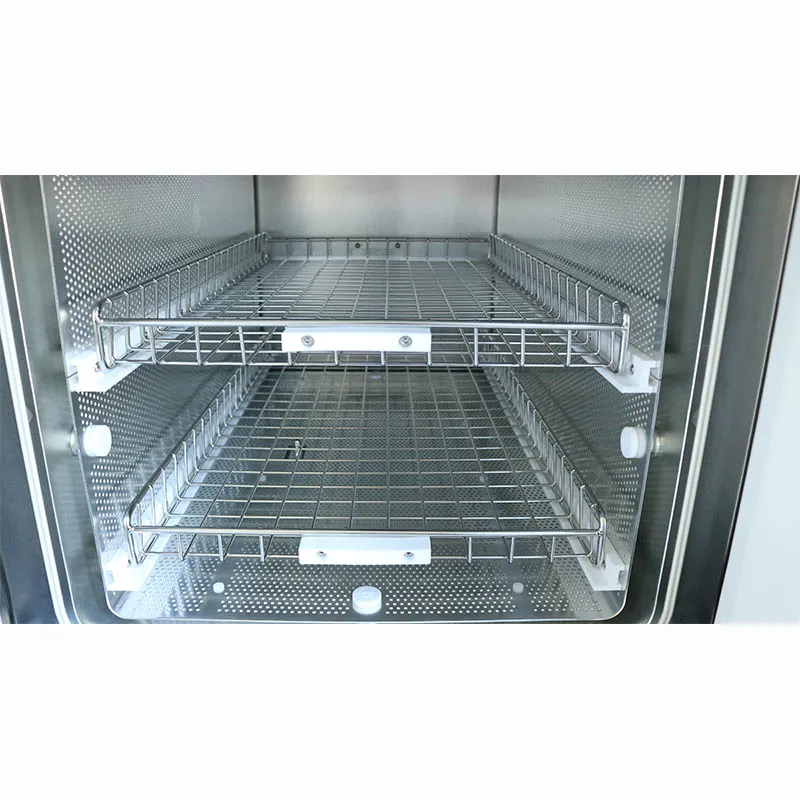
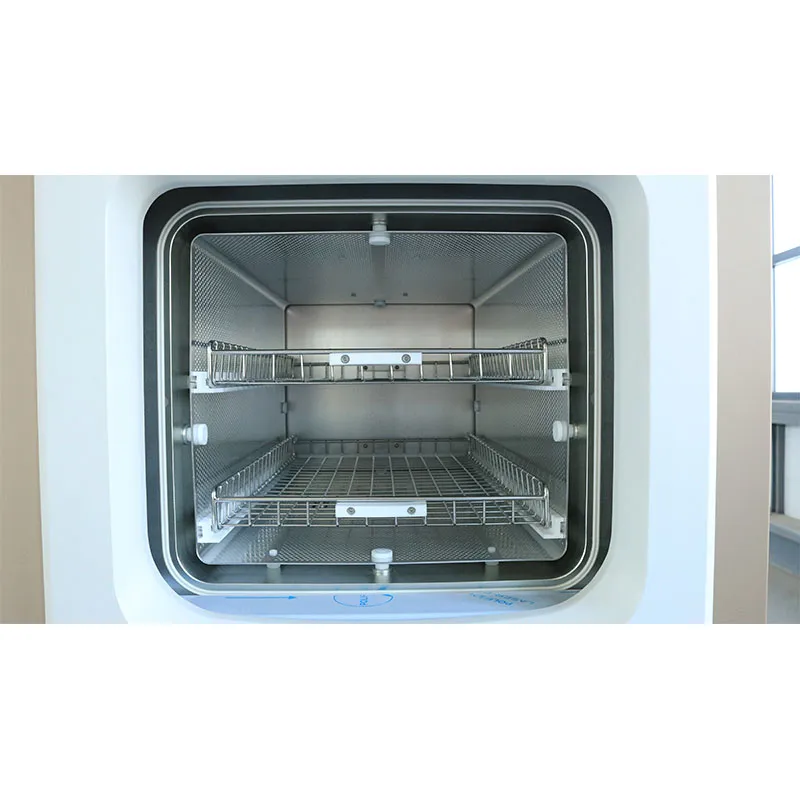
Adopts a mandrill-driving auto overhead door with a reliable sealing function and safety lock device.
🏢
Professional Manufacturer
Specializing in high-end medical and laboratory solutions, including sterilization, analytical instruments, and safety cabinets.
?
Frequently Asked Questions
1. What is the main advantage of H2O2 plasma sterilization?
The main advantage is the ability to sterilize heat and moisture-sensitive medical instruments at low temperatures (around 50°C), preventing damage and extending the life of the devices compared to traditional steam autoclaves.
2. Are there any toxic residues after the sterilization cycle?
No, the process is environmentally friendly. The H2O2 is decomposed into oxygen and water vapor, which are completely non-toxic to medical staff and patients.
3. What kind of instruments can be processed in this sterilizer?
It is ideal for electric wires, cables, optical glasses, glass lenses, endoscopes, catheters, and various non-metallic surgical instruments. It is not suitable for liquids, powders, or cotton fabrics.
4. Does the system require a complex installation?
The installation is very convenient as it primarily requires a stable power supply. There is no need for external drainage or specialized air exhausting systems due to the built-in high-efficiency filters.
5. How is the sterilization data recorded?
The system features dual record methods: a built-in 2048M storage for digital tracking and a mini printer for real-time hard-copy documentation of all sterilization parameters.
6. Is the operation interface user-friendly for hospital staff?
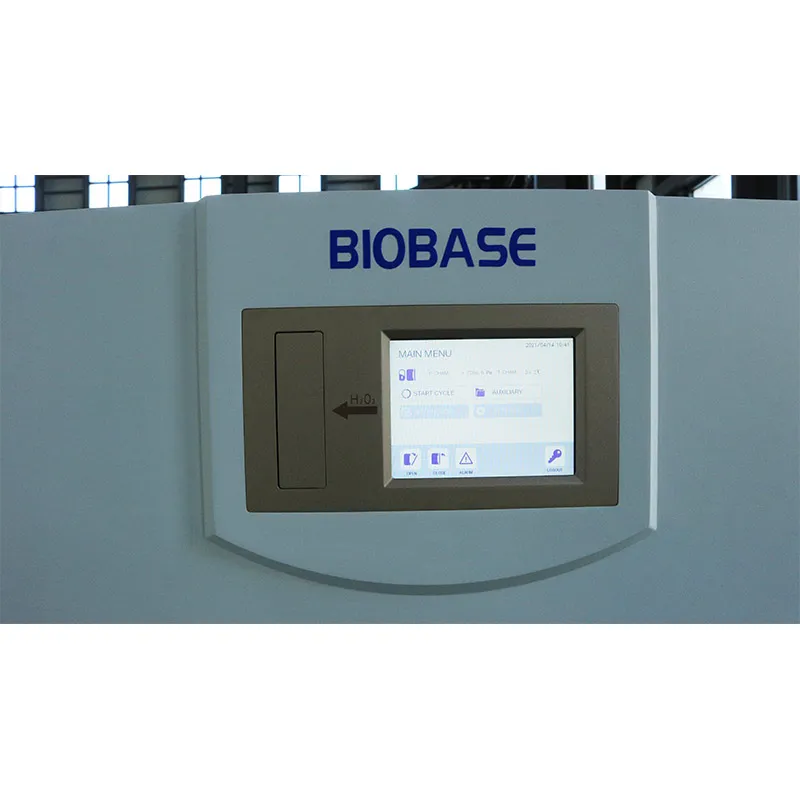
Yes, it features an intelligent man-machine interface with a program-based design, making it easy to select cycles and monitor the progress of sterilization.