Pioneering precision medical and diagnostic devices certified for compliance and operational excellence.
Addressing the dynamic demands of laboratory safety, regulatory compliance, and operational efficiency across sectors.
In sterile pharmaceutical manufacturing, control of airborne pathogens and molecular contaminants is critical. Our advanced Hydrogen Peroxide Vapor (HPV) space disinfection systems establish validation levels consistent with GMP Grade A zone specifications, ensuring zero cross-contamination in batch compounding and critical filling zones.
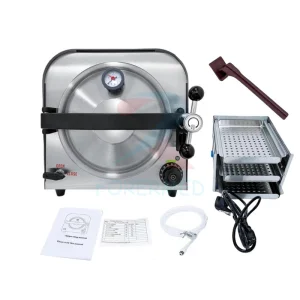
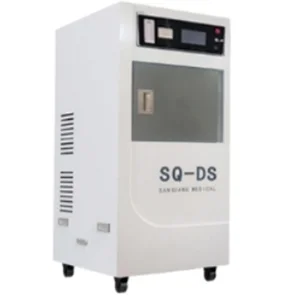
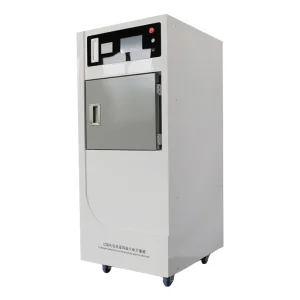
Central Sterile Supply Departments (CSSD) require continuous high-throughput reprocessing under tight turnaround timelines. Estetik's low-temperature hydrogen peroxide gas plasma sterilizers and rapid-read biological indicators provide complete trace-to-source validation, reducing device damage and keeping critical operating rooms fully supplied.
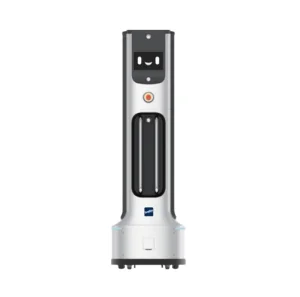
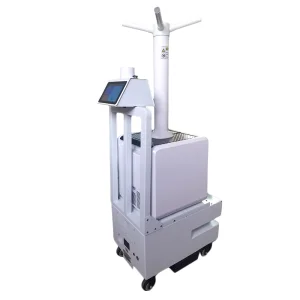
High-containment research environments demand automated sterilization workflows that eliminate human error. Our AI-driven, autonomous UV-C and aerosol disinfection robots provide reproducible spatial sanitization, logging precise dosing metrics to satisfy modern ISO 15189 laboratory validation schemes.
Strategic innovators in infection control and global supplier of high-end clinical sterilization systems.
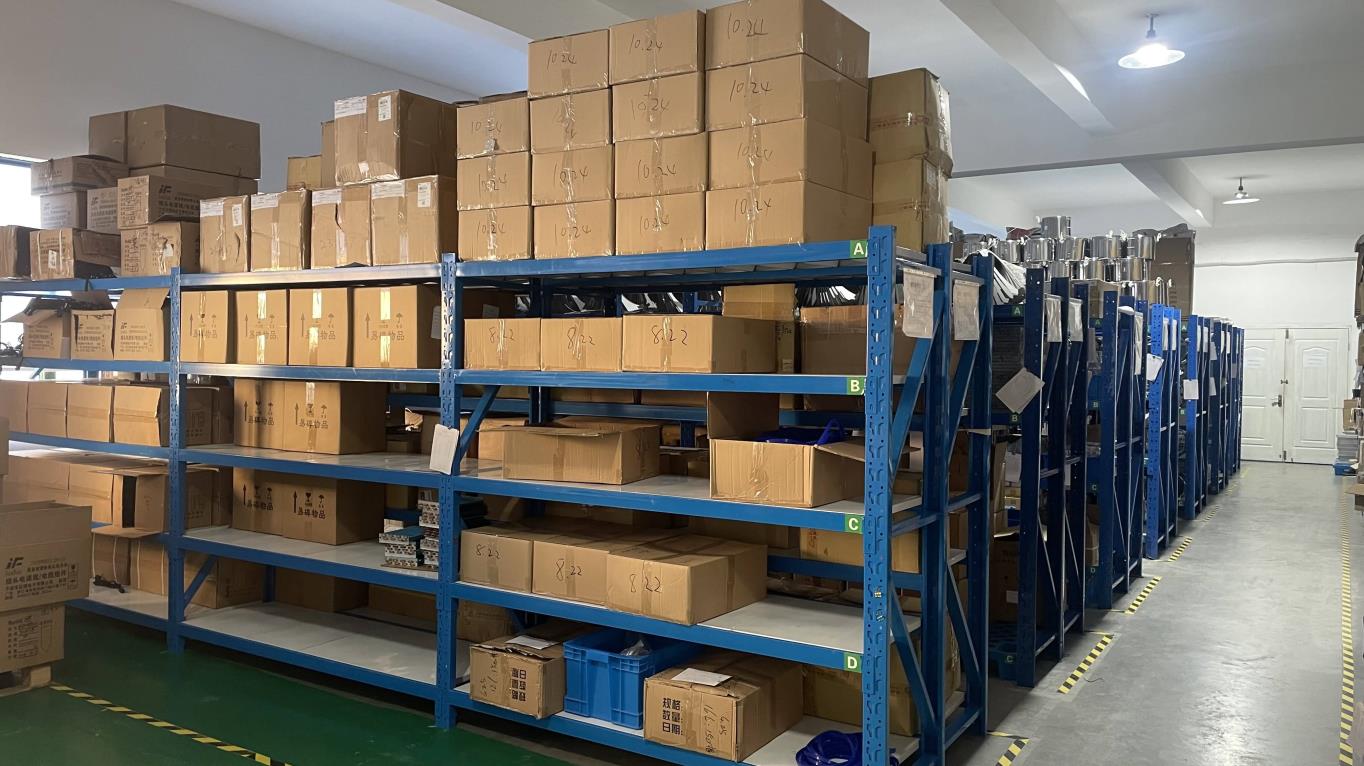
Hubei Estetik Medical Co., Ltd. is a leading innovator and manufacturer in the medical and healthcare industry, specializing in high-quality disinfection systems, medical equipment, and infection control solutions. With our cutting-edge research and development centers, advanced manufacturing facilities, and strategically located warehouses and offices in key cities across China—including Hangzhou, Chengdu, Wuxue, and Wuhan—we are well-positioned to serve both domestic and international markets.
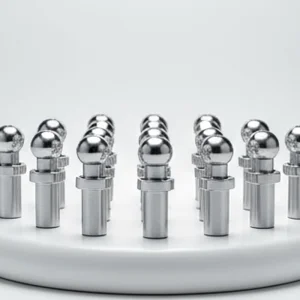
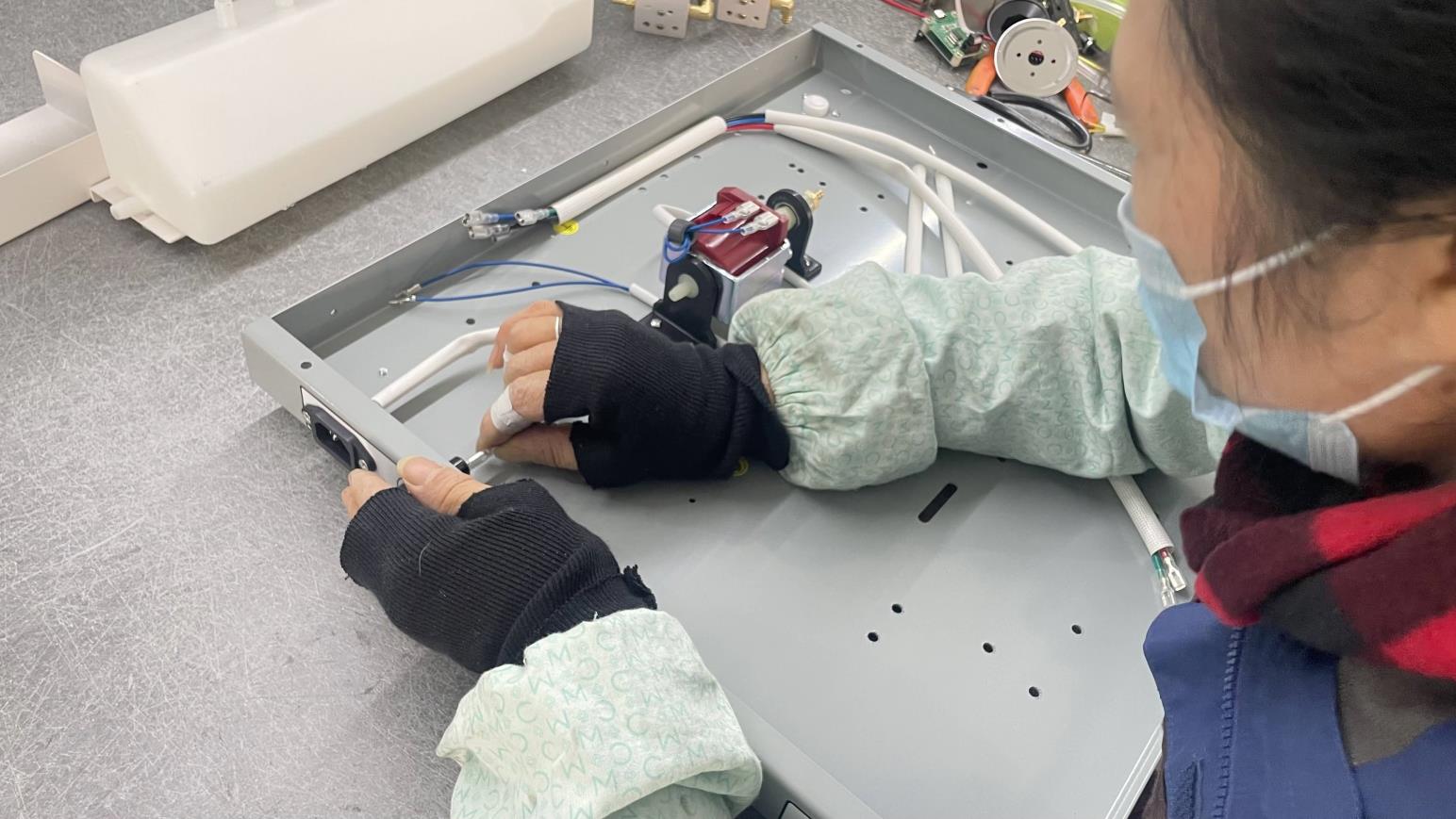
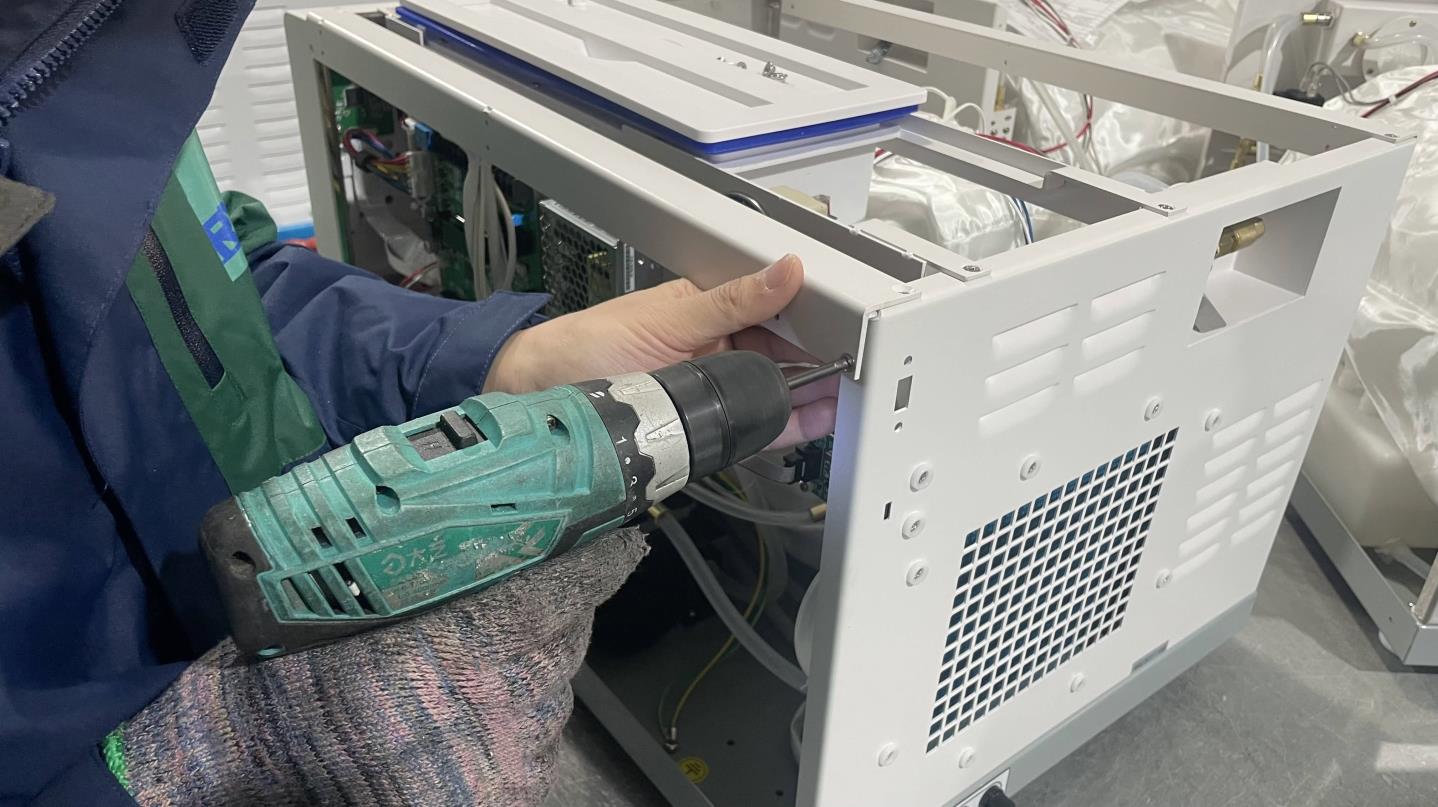
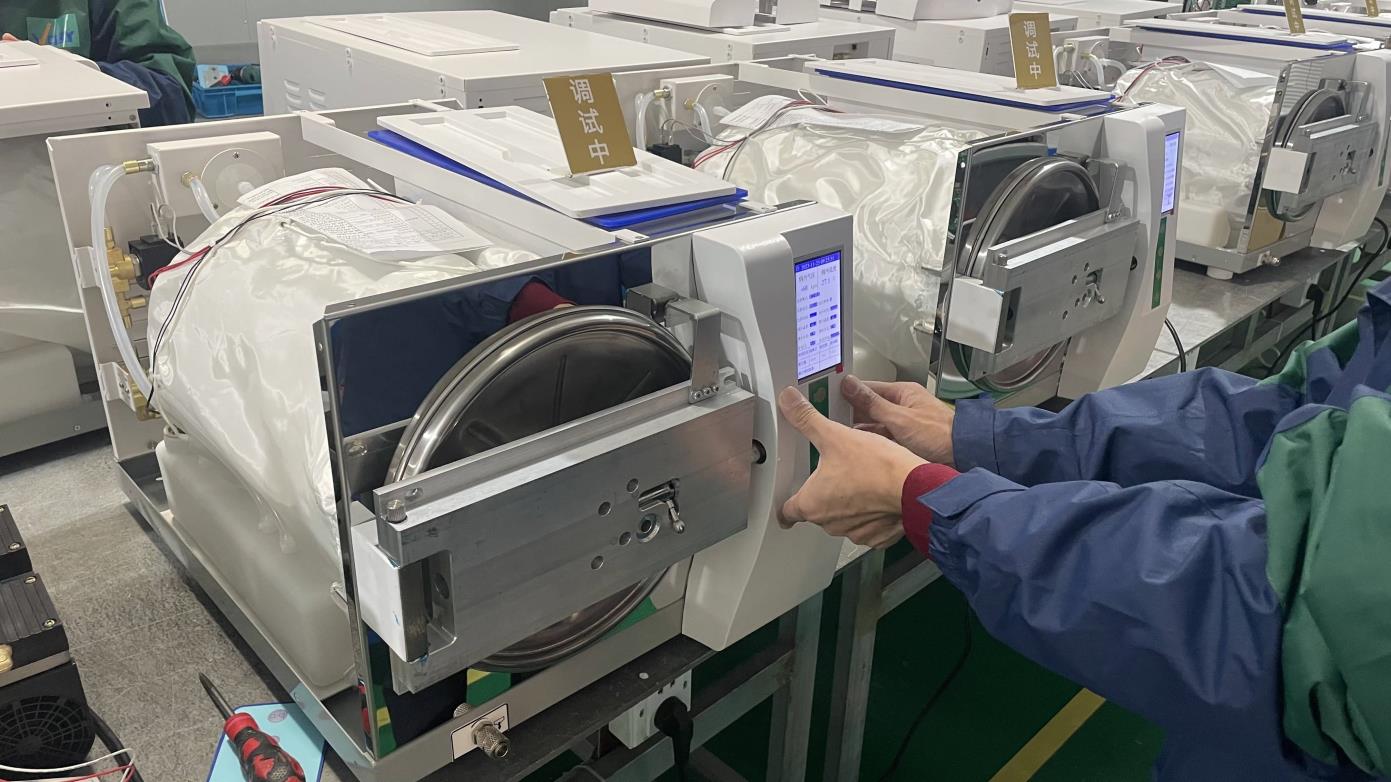
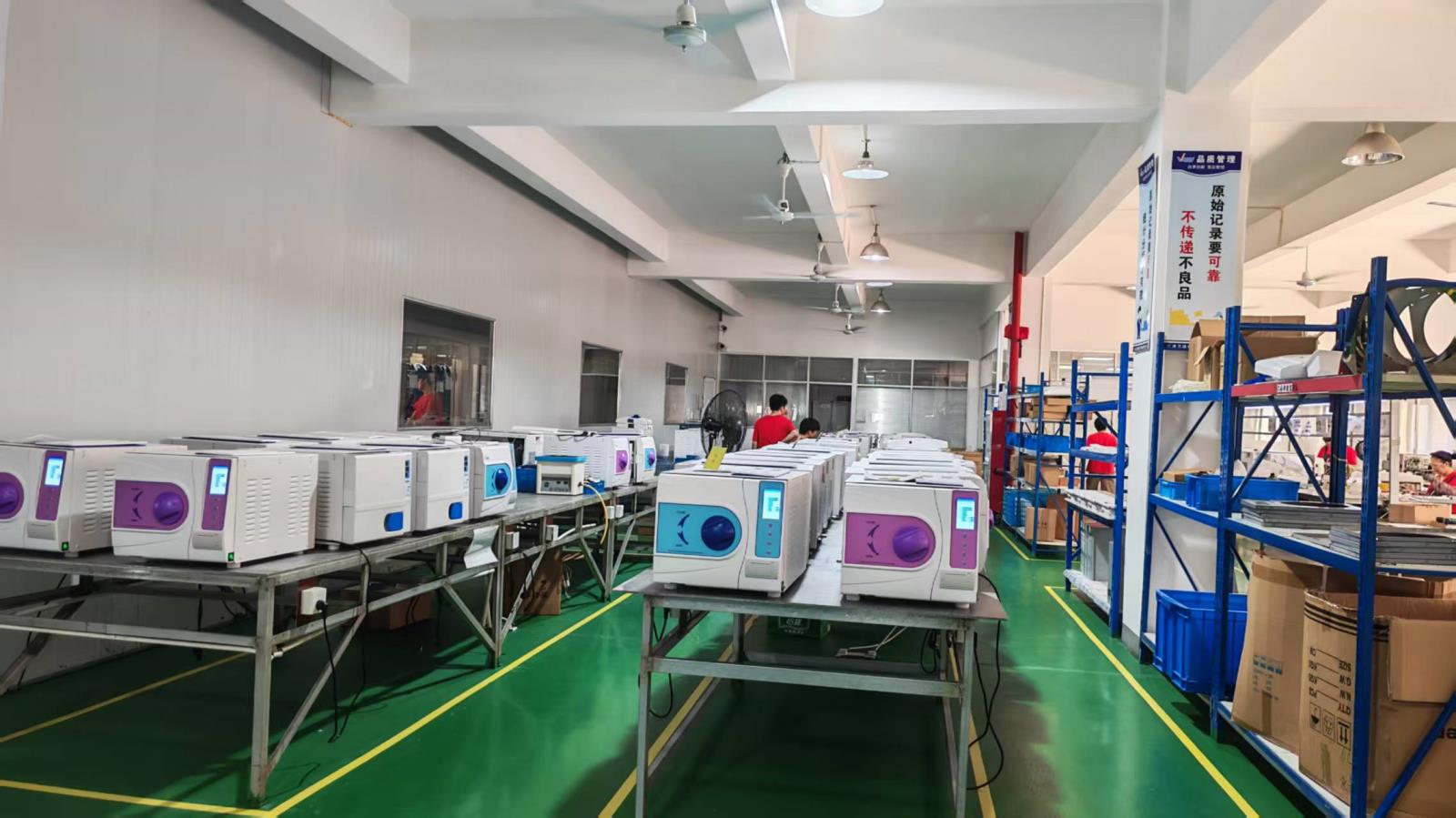
We represent a convergence of technical expertise, manufacturing precision, and robust global compliance. By implementing a vertically integrated production model, we guarantee the mechanical traceability of every component, from structural CNC-milled surgical hardware elements to proprietary biological indicators using robust spore carriers like Geobacillus stearothermophilus.

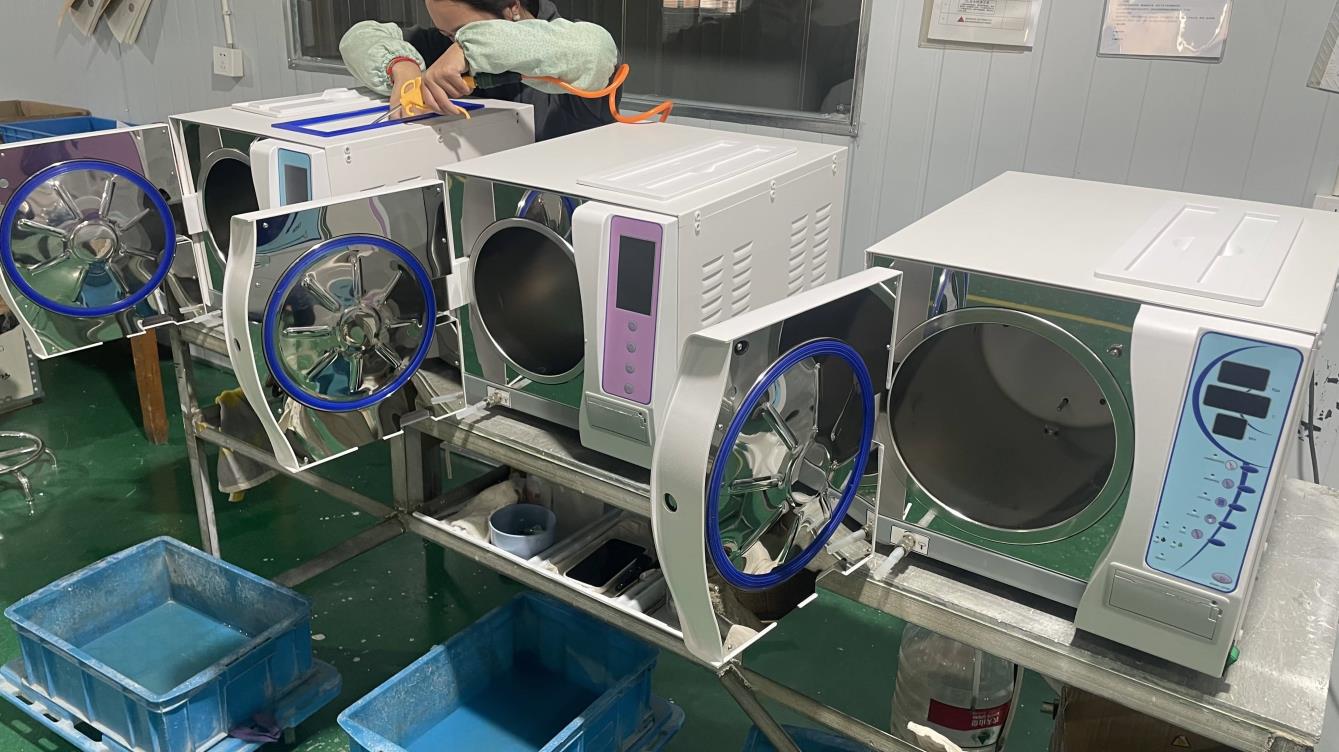
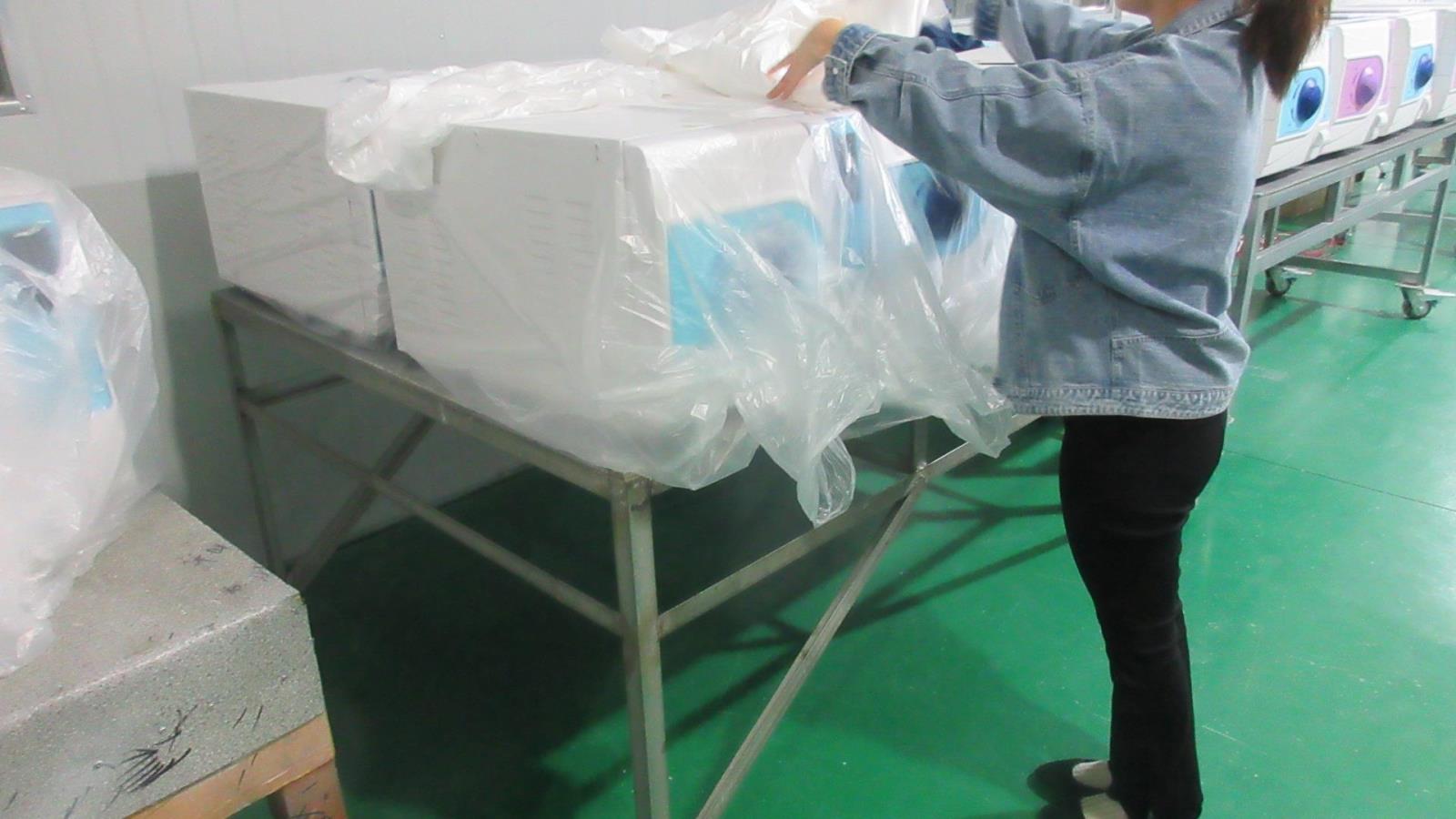
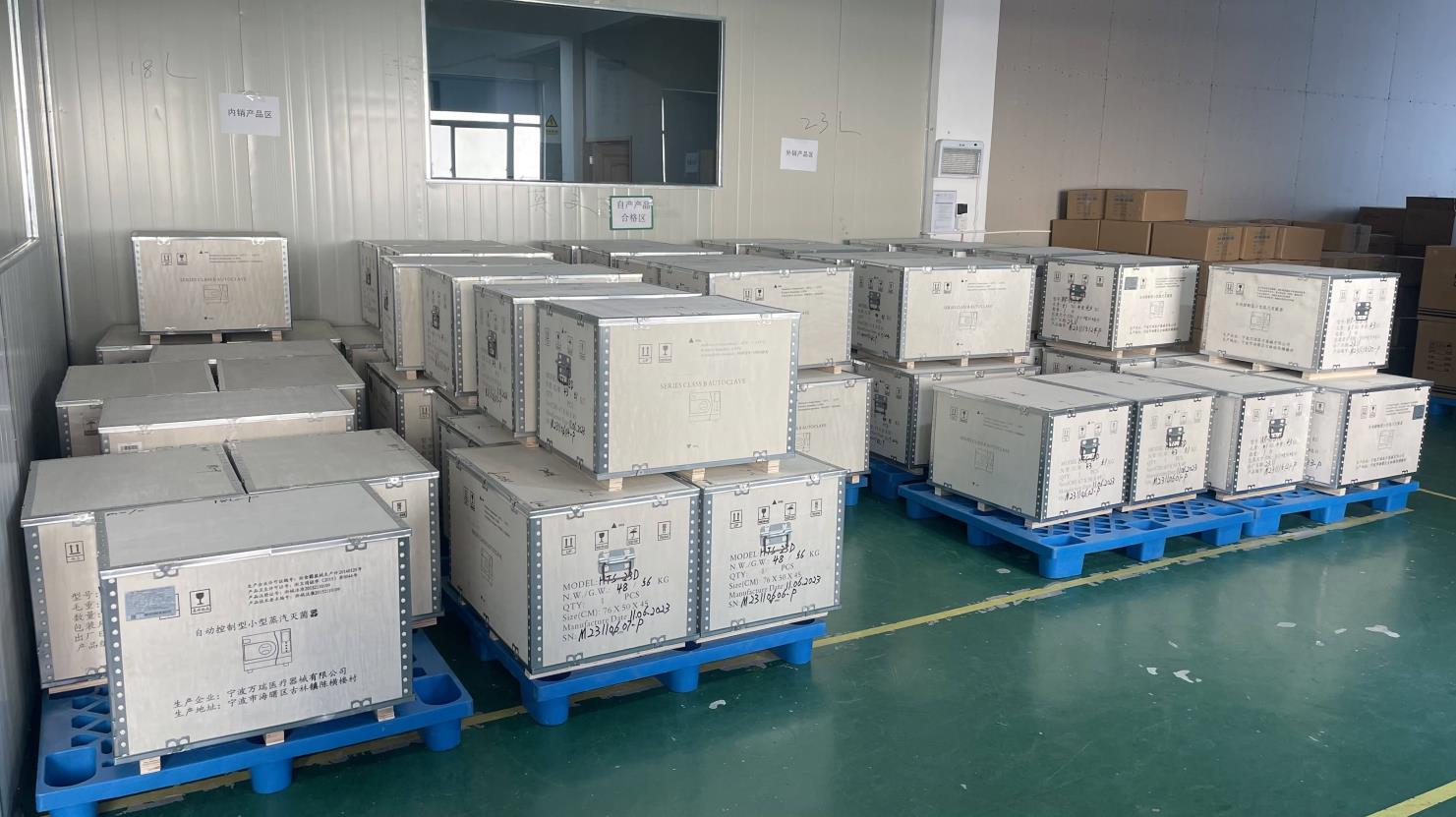
Quality is not an inspection step; it is embedded in our manufacturing culture. Explore our step-by-step process flow showing how our raw materials are transformed into CE-compliant laboratory instruments.
Analyzing engineering parameters and validation frameworks that secure sterile environments.
Our dry-mist vaporized hydrogen peroxide systems utilize a low-heat delivery mechanism to achieve micro-nebulization. This process guarantees uniform distribution across large and complex areas without leaving wet residue on sensitive laboratory equipment or computer interfaces. It achieves a certified 6-log reduction against bacterial spores, viruses, and fungi.
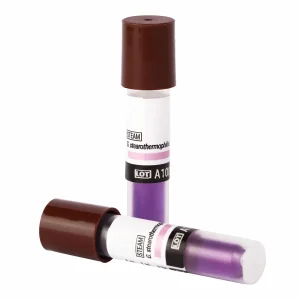
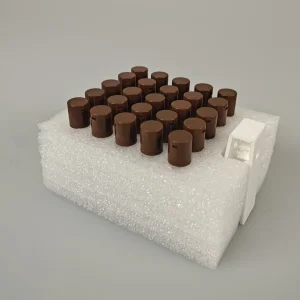
We produce self-contained biological indicators (SCBI) utilizing high-resistance Geobacillus stearothermophilus spores (ATCC 7953) for steam/moist heat cycles, and Bacillus atrophaeus for ethylene oxide sterilization. Combined with our rapid optical spectrophotometric auto-readers, laboratory operators receive verified fluorescence incubation readouts in minutes rather than days.
Targeted at heat-sensitive and moisture-vulnerable surgical optics, rigid endoscopes, and dental handpieces. By applying RF energy to vaporized H2O2 within a vacuum chamber, the system ignites a low-temperature plasma cloud, rapidly breaking down toxins and pathogens into harmless water vapor and oxygen, ensuring rapid, dry instrument turnaround.
Our manufacturing protocols comply with European Medical Device Regulation (MDR 2017/745), ensuring all export shipments bear appropriate CE marks. By maintaining strict conformity to ISO 13485 (Medical Devices — Quality Management Systems) and ISO 11138 (Sterilization of health care products — Biological indicators), we facilitate smooth entry into highly regulated markets including the EU, Latin America, Southeast Asia, and the Middle East.
Every batch of indicators is supplied with a detailed Certificate of Analysis (CoA) demonstrating population, D-value, and Z-value parameters, giving clinical laboratory directors confidence during audits.
Tailoring hardware, integration interfaces, and regulatory verification protocols to local demands.
Ensuring products meet ANSI/AAMI ST79 standards for steam sterilization. Our indicators and biological validation solutions map directly to FDA 510(k) process monitoring pathways, ensuring seamless hospital integration.
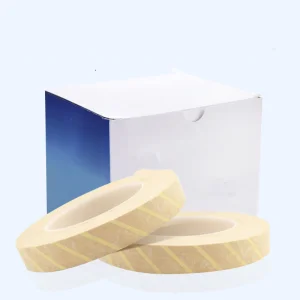
Sterilizers and autoclave indicators comply with EN 285 European standards. Chemical indicators conform to ISO 11140-1 Class 1 and Class 6 criteria to facilitate simple auditing by notified bodies across Western Europe.
Offering highly robust mechanical frameworks engineered to perform reliably under variable power grids and fluctuating water quality parameters typical in fast-growing industrial regions.
Our dedicated service network provides complete engineering coverage, from installation qualifications (IQ), operational qualifications (OQ), and performance qualifications (PQ) to localized preventive maintenance packages. Operating advanced warehouses and distribution centers across main Chinese logistical hubs (Wuhan, Hangzhou, Chengdu, Wuxue), we ensure spare parts and critical consumables—like H2O2 cassettes and biological indicator vials—are dispatched immediately, minimizing laboratory downtime.
Strategic alignment with next-generation smart automation, green chemistry, and digital sterilization validation.
Ethylene oxide (ETO) remains a highly effective method for medical device sterilization. Estetik's roadmap focuses on integrating advanced catalytic scrubbers to convert emissions into harmless carbon dioxide and water vapor, allowing high-capacity production facilities to meet strict environmental protection requirements without sacrificing sterilization capacity.
Modern clinical facilities require digital sterilization histories. We are rolling out micro-sensors and cloud-based IoT tracking across our plasma and autoclaving units, logging temperature profiles, vacuum depths, and spore-incubation progress directly to laboratory information management systems (LIMS) for seamless compliance record-keeping.
Expert answers to common technical queries on laboratory sterilization, regulatory compliance, and biological monitoring.
Explore our broader selection of medical machinery, sterilizer consumables, and packaging systems.
 Estetik Medical