Estetik Medical


1 / 5
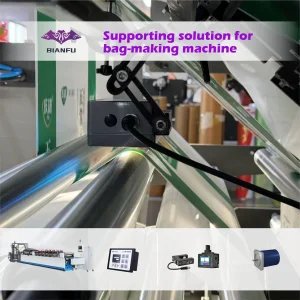
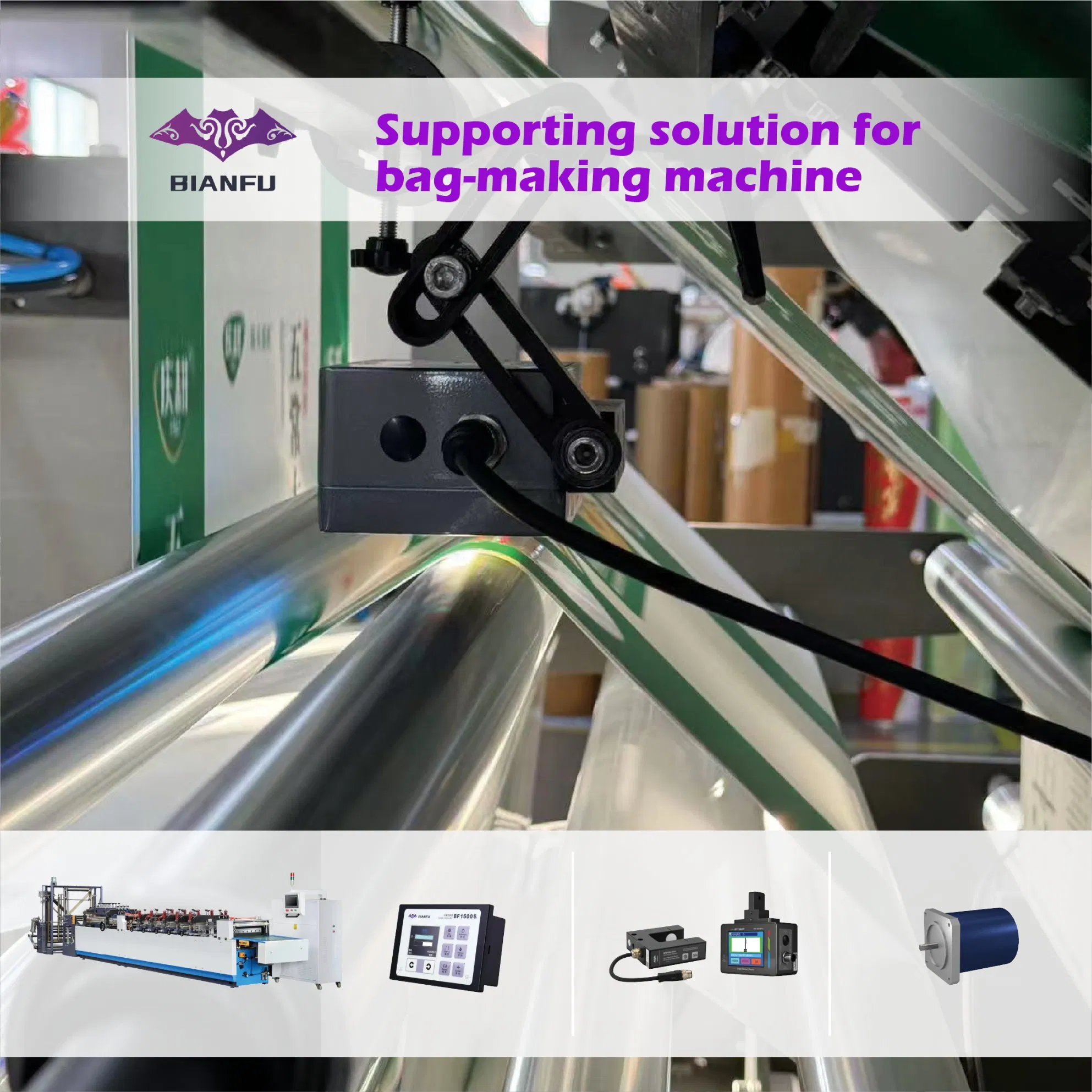
The application of correction systems in bag making machines is critical for ensuring high-quality production, operational efficiency, and material savings. These systems, often referred to as web guiding systems or edge alignment systems, are designed to detect and correct misalignment of flexible materials—such as plastics, films, nonwovens, or papers—during the converting process.
In bag manufacturing, even minor deviations in material positioning can lead to defective products, including misprinted graphics, inconsistent seal positions, uneven edges, or improper folding. Such defects not only result in material waste but also cause machine downtime and reduced output. To address these challenges, modern bag making machines are equipped with automated correction systems that ensure continuous and precise alignment of the web throughout various stages of production, such as printing, laminating, folding, sealing, and cutting.
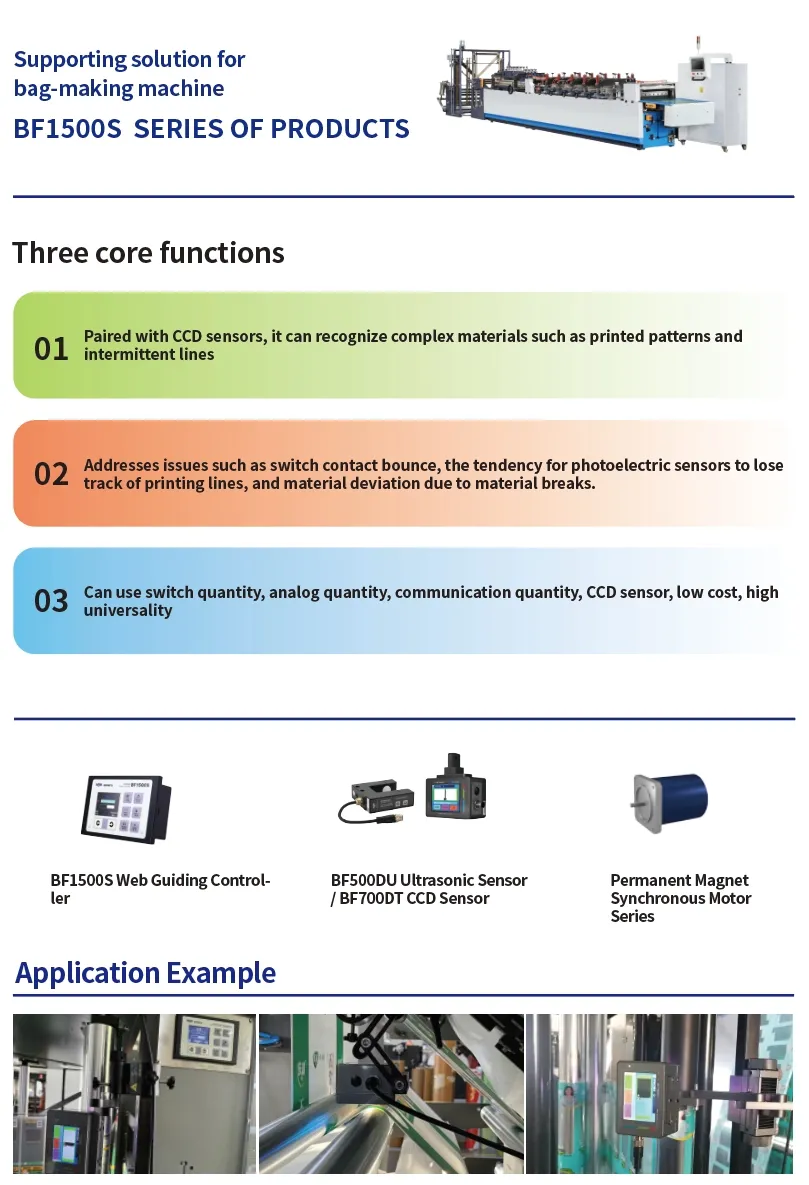
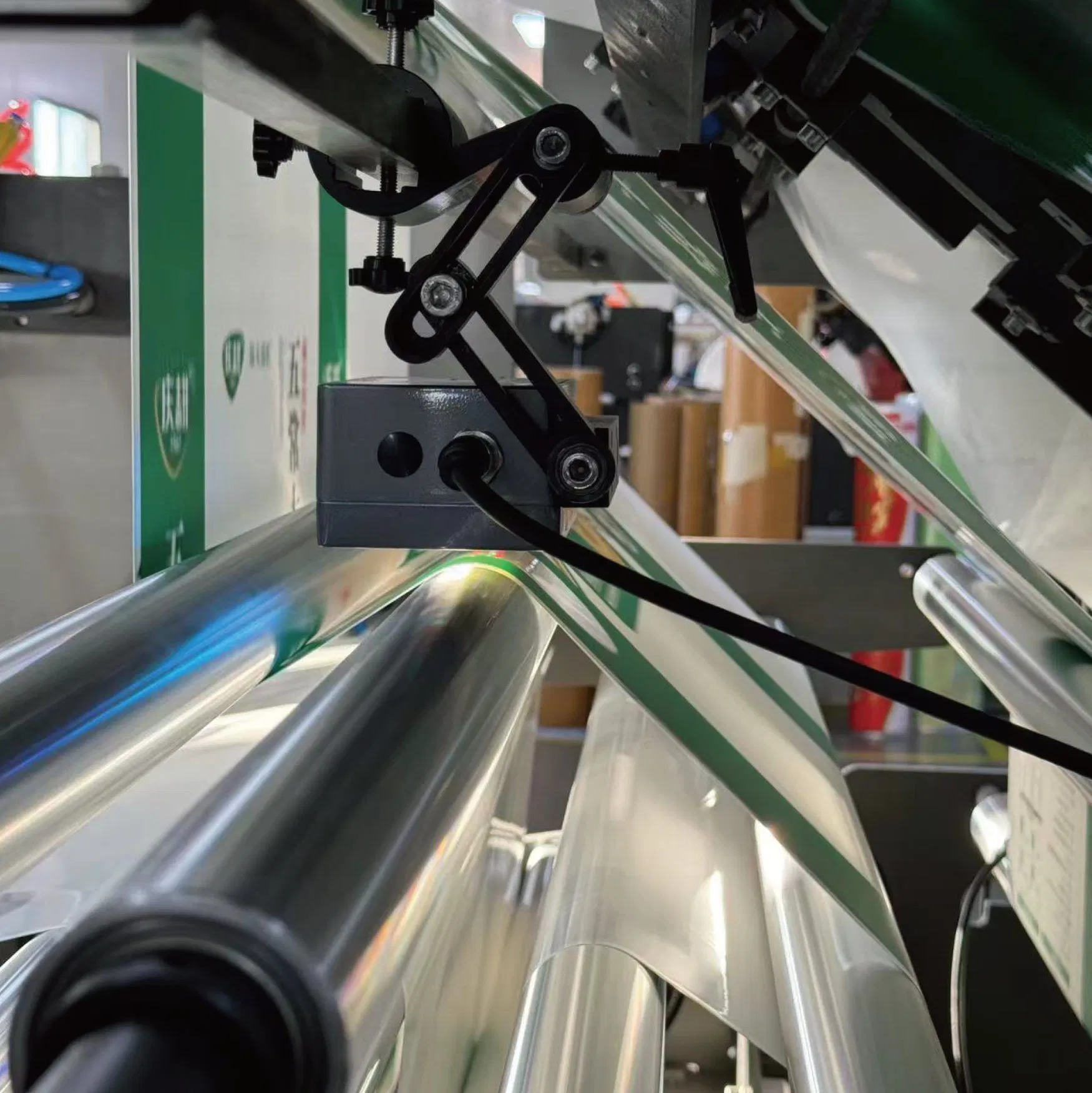
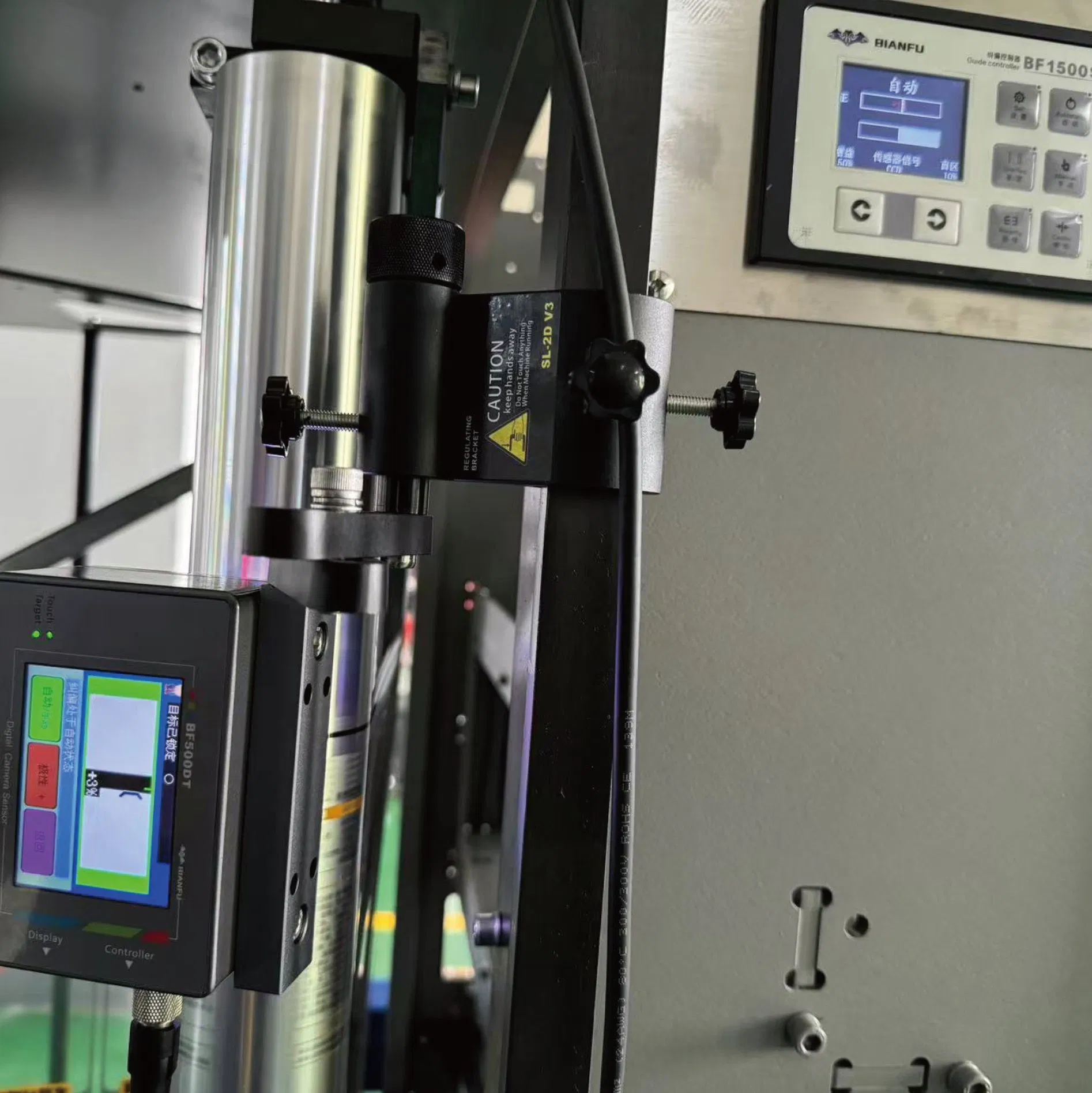
A typical correction system consists of three main components: a sensor (optical, ultrasonic, or infrared), a controller, and an actuator. The sensor detects the position of the material's edge or pre-printed markings and sends signals to the controller. The controller processes this information and commands the actuator to make real-time adjustments to the material's path, usually by shifting rollers, guides, or the unwind/rewind stands.
The benefits of using correction systems in bag making machines include improved product quality and consistency, reduced waste, higher production speeds, and less operator intervention. Additionally, these systems enhance the ability to work with sensitive or stretchable materials that are prone to misalignment. As the packaging industry continues to demand higher precision and efficiency, the role of advanced correction systems becomes increasingly important.