In the rapidly transforming landscape of modern medical technology, Portable X-Ray Machines have transitioned from alternative imaging tools to essential assets in acute care, field medicine, and disaster relief. Operating with smaller footprints, reduced radiation outputs, and state-of-the-art flat-panel detectors (FPD), these systems provide diagnostic flexibility once reserved for fixed radiology departments.
This whitepaper analyzes the leading ten manufacturers of portable radiographic technology, examining engineering innovations, global production capacities, and the crucial regulatory frameworks that dictate institutional procurement. Additionally, we analyze how adjacent workflows—such as sterilizing imaging cassettes and optimizing medical parts manufacturing—affect patient safety and equipment lifecycles.
Procurement committees in healthcare conglomerates, municipal military wings, and private diagnostic centers require precise specifications when selecting portable radiographic devices. These decisions must weigh structural parameters against clinical utility:
Systems must scale from neonatal wards (requiring micro-exposure doses) to deep thoracic imaging in bariatric patients, necessitating variable kVp range (40kVp to 125kVp).
Lithium-iron-phosphate (LFP) internal batteries are preferred due to rapid charging (under 2 hours) and their ability to supply up to 300 exposures per charge.
Modern regulations require lightweight external lead shields, virtual grid software configurations, and remote exposure switches operating beyond 3 meters.
Below is our comprehensive, data-backed directory of the globally recognized pioneers in mobile and portable radiographic diagnostics, evaluated by regulatory standing, technical capacity, and supply stability.
| Manufacturer Name | Headquarters | Flagship Series / Technology Focus | Primary Regulatory Compliance |
|---|---|---|---|
| Fujifilm Healthcare | Japan | FDR Nano (Carbon Nanotube Field Emission) | FDA, CE Mark, PMDA |
| GE HealthCare | USA | AMX Navigate (Mobile Digital Radiography) | FDA, CE Mark, Health Canada |
| Siemens Healthineers | Germany | Mobilett Elara Max (Intelligent Cyber-Security) | FDA, CE, TGA |
| Carestream Health | USA | DRX-Revolution Nano (Collapsible Column Tech) | FDA, CE, ANVISA |
| Canon Medical Systems | Japan | MobiEye (Advanced Image Processing Engine) | FDA, CE, PMDA |
| Samsung Healthcare | South Korea | GM85 (Ultra-compact Mobile Unit) | FDA, CE Mark |
| MinXray | USA | HF100+ Series (Ultra-Lightweight Military Focus) | FDA, CE, ISO 13485 |
| Sedecal | Spain | Dragon Series (High Frequency Generators) | FDA, CE, ISO 9001 |
| Dynarad | USA | HF-Series (Point-of-Care Nursing Home Units) | FDA, CE |
| Hubei Estetik Medical Co., Ltd. | China | Integrated Clinical Workflow Solutions & Components | ISO 13485, CE, Global Supply Network |
Fujifilm is at the forefront of the cold-cathode revolution. Utilizing Carbon Nanotube (CNT) structures rather than traditional filament tubes, they have lowered overall device weight while preserving sharp image details through custom noise-reduction algorithms.
GE's AMX Navigate focuses on clinical efficiency, reducing manual positioning tasks through automated motor systems. Integrated Zero-Click software helps prevent common technologist errors before exposure.
The Mobilett series specializes in antimicrobial surfaces and advanced system integration. By running proprietary security protocols, they safeguard patient data when transferring scans to hospital PACS.
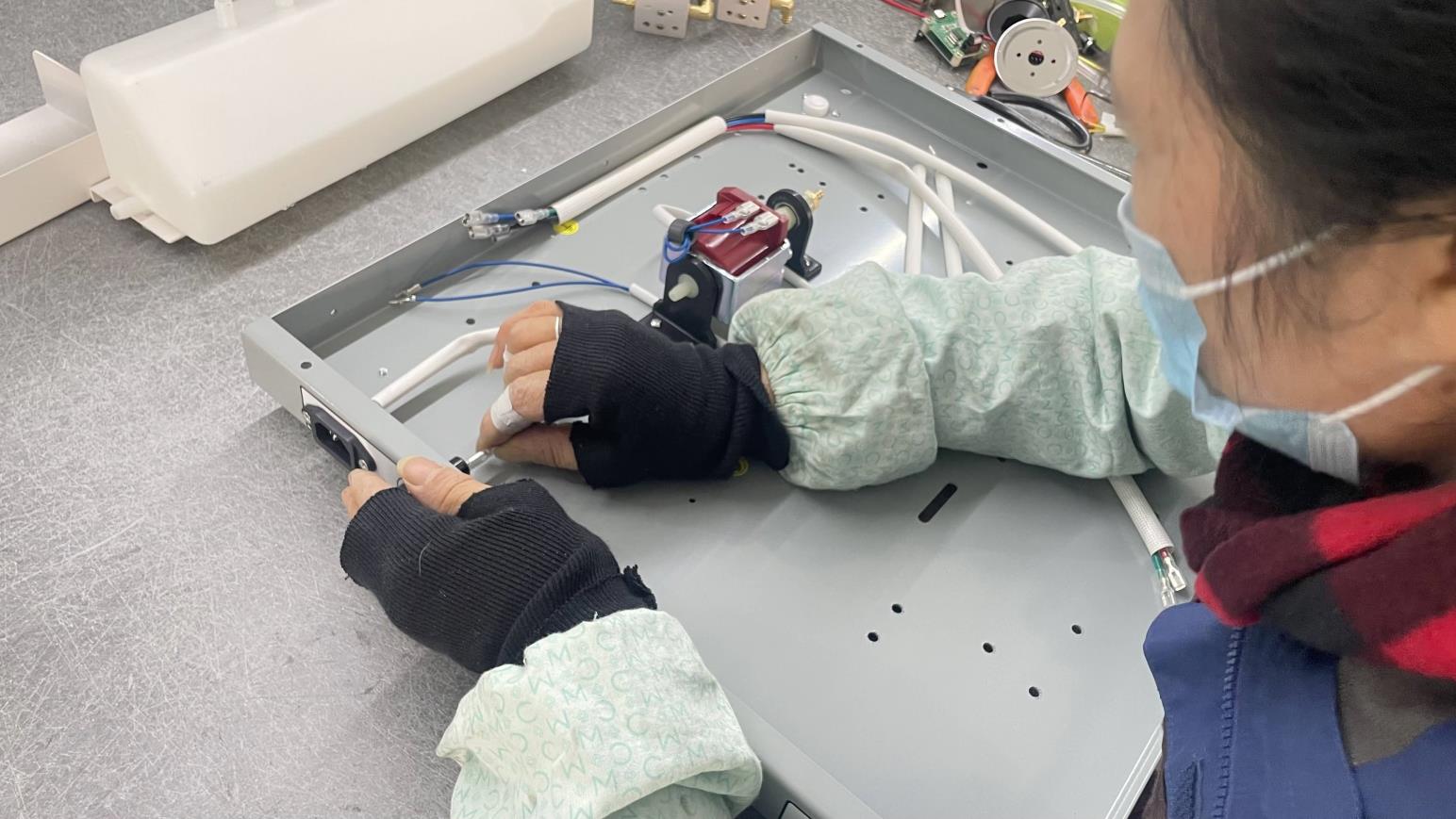
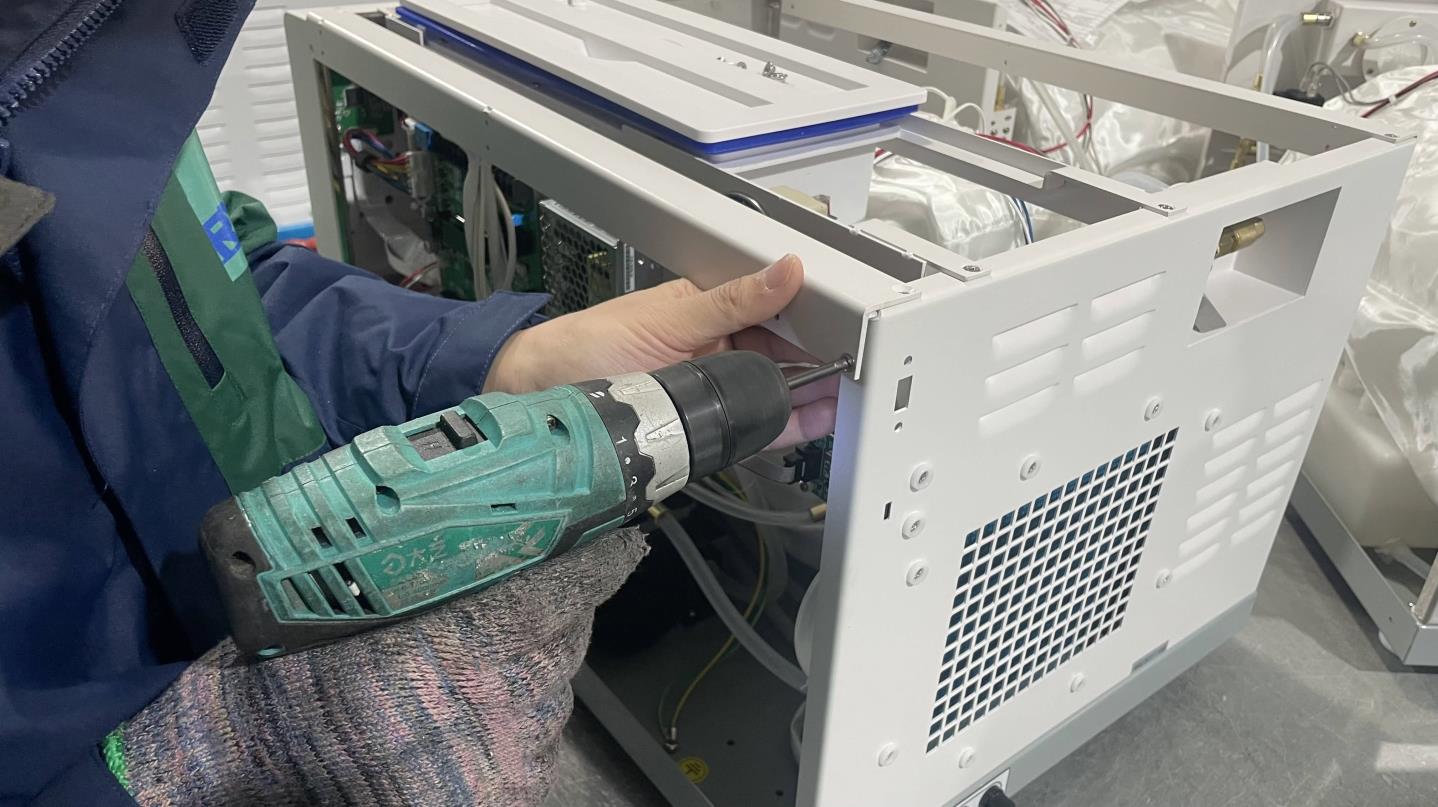
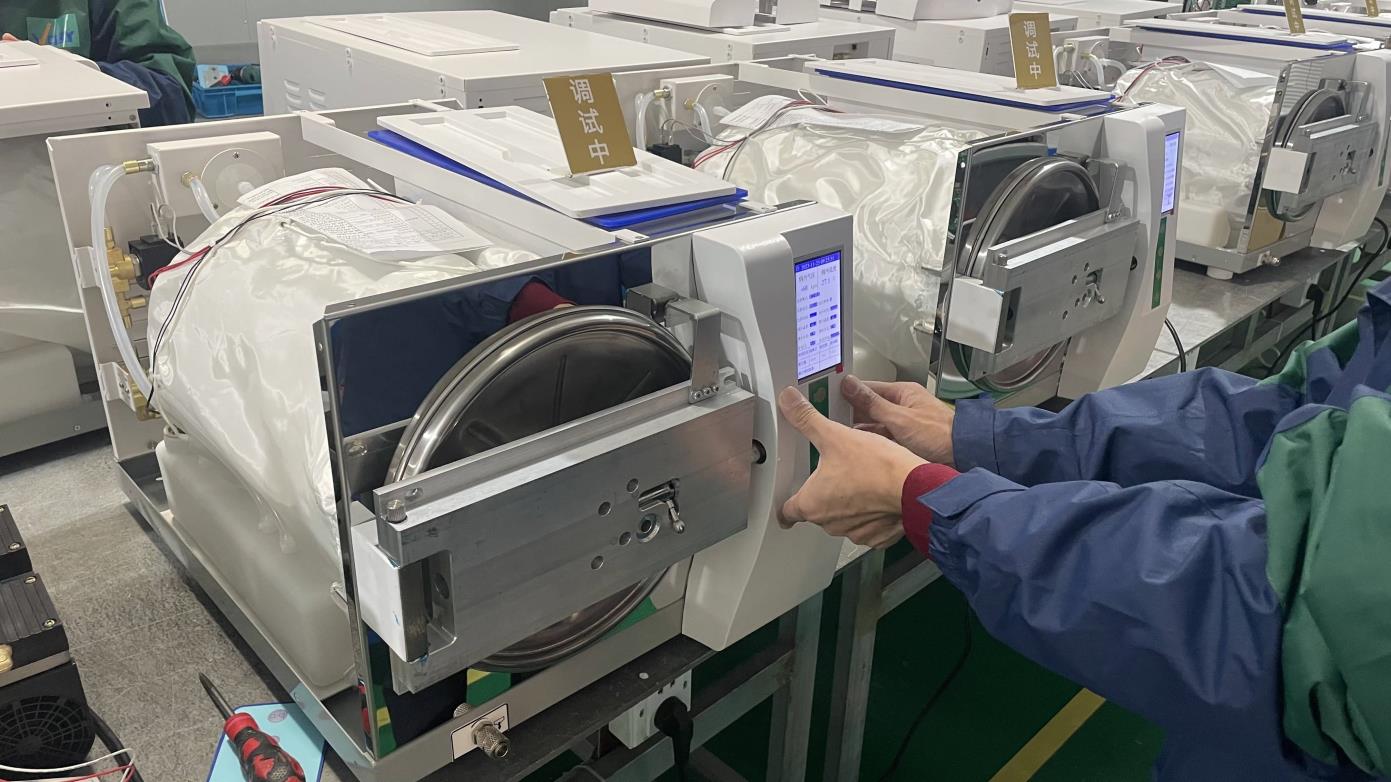
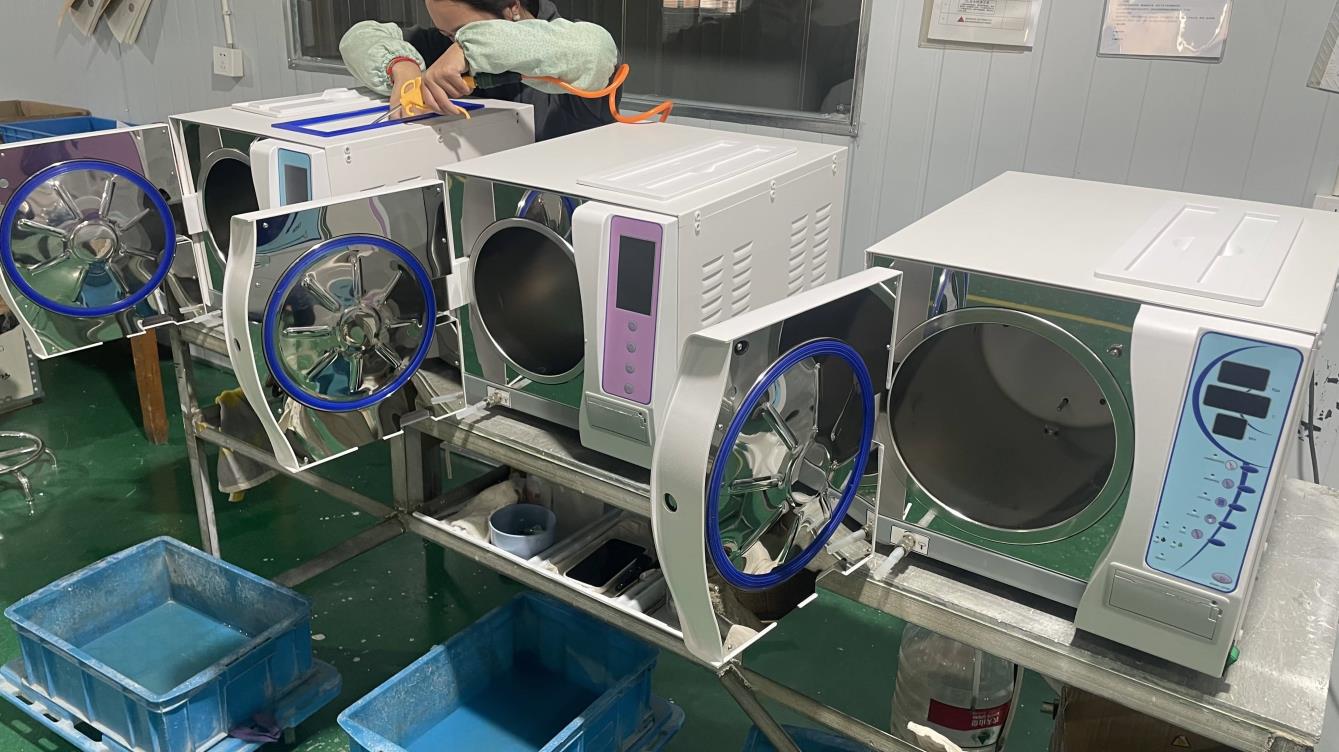
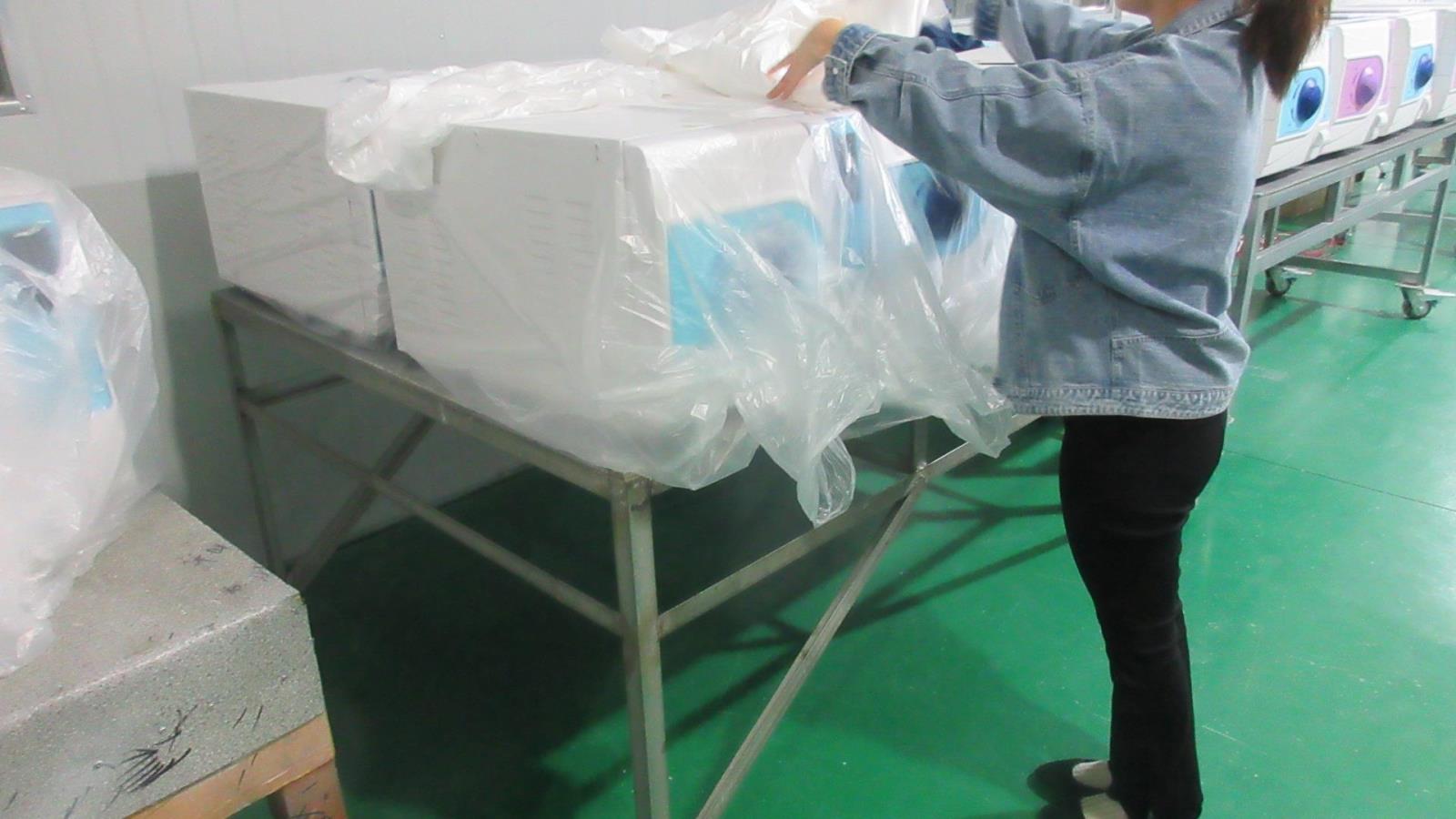
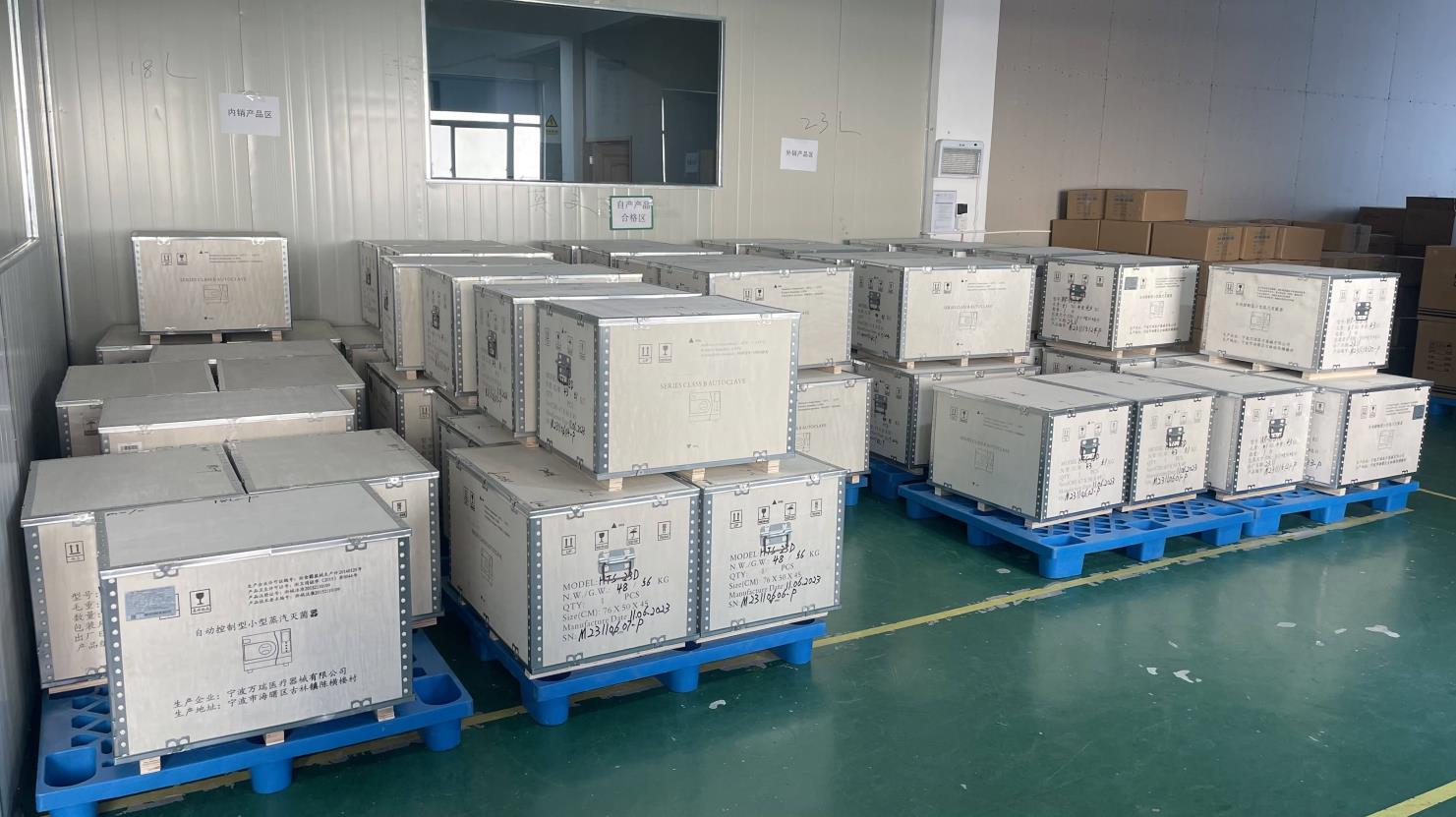
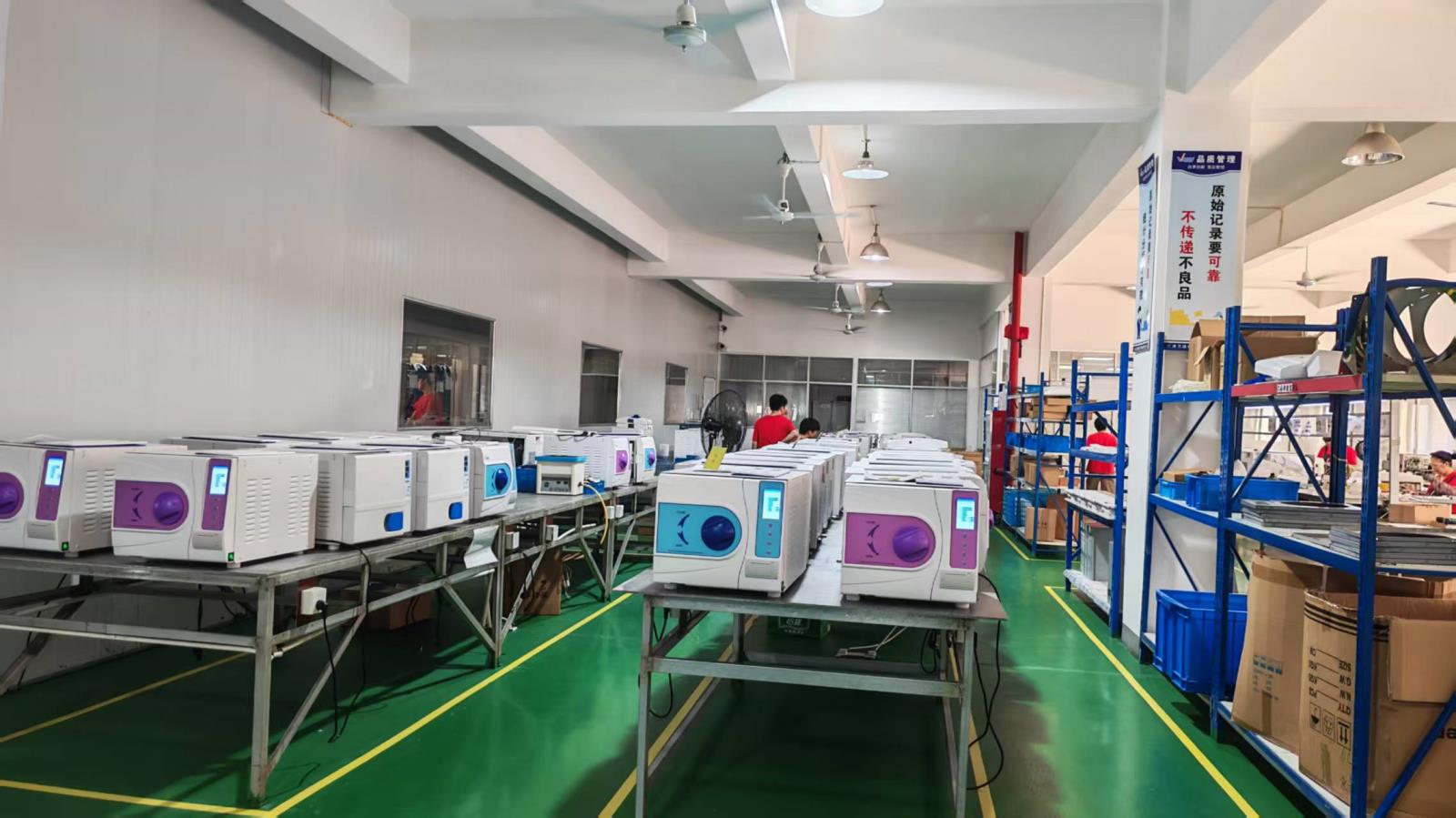
Hubei Estetik Medical Co., Ltd. is a leading innovator and manufacturer in the medical and healthcare industry, specializing in high-quality disinfection systems, medical equipment, and infection control solutions. With our cutting-edge research and development centers, advanced manufacturing facilities, and strategically located warehouses and offices in key cities across China—including Hangzhou, Chengdu, Wuxue, and Wuhan—we are well-positioned to serve both domestic and international markets.

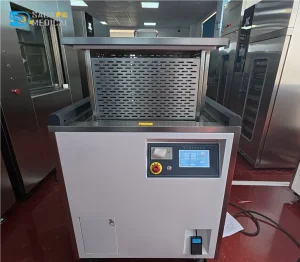
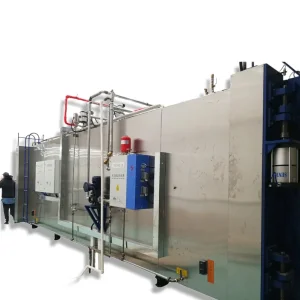
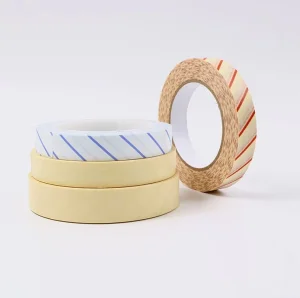
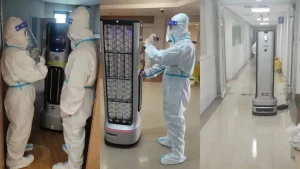
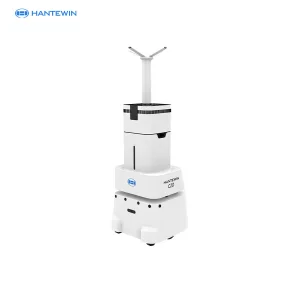
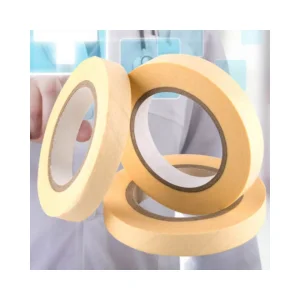
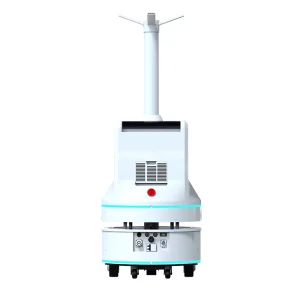
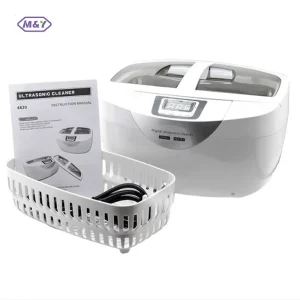
A clinical environment operating portable X-ray equipment requires robust infection control protocols. Portable FPD detectors and imaging accessories touch numerous high-risk surfaces daily. We provide a broad range of medical and disinfection products designed to meet the highest standards of safety and efficiency:
At Hubei Estetik Medical Co., Ltd., we are committed to continuous innovation. We invest heavily in research and development to deliver advanced, reliable, and safe medical products to our customers. Our goal is to contribute significantly to improving healthcare standards globally while advancing the medical industry with state-of-the-art solutions.
Our products are manufactured to meet rigorous international standards, and we hold various certifications for quality and safety. Hubei Estetik Medical Co., Ltd. has earned trusted industry certifications, ensuring that our products are recognized for their high performance and safety.
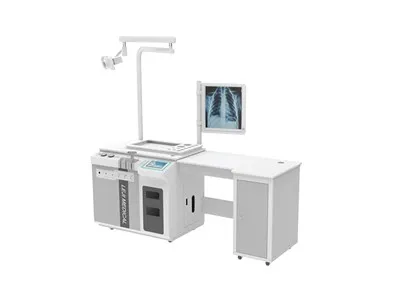
With an extensive marketing network and robust after-sales service system, Hubei Estetik Medical Co., Ltd. is dedicated to building strategic partnerships with top-tier global brands. We strive to help these brands gain market leadership and strengthen their reputations by offering reliable products and exceptional service.
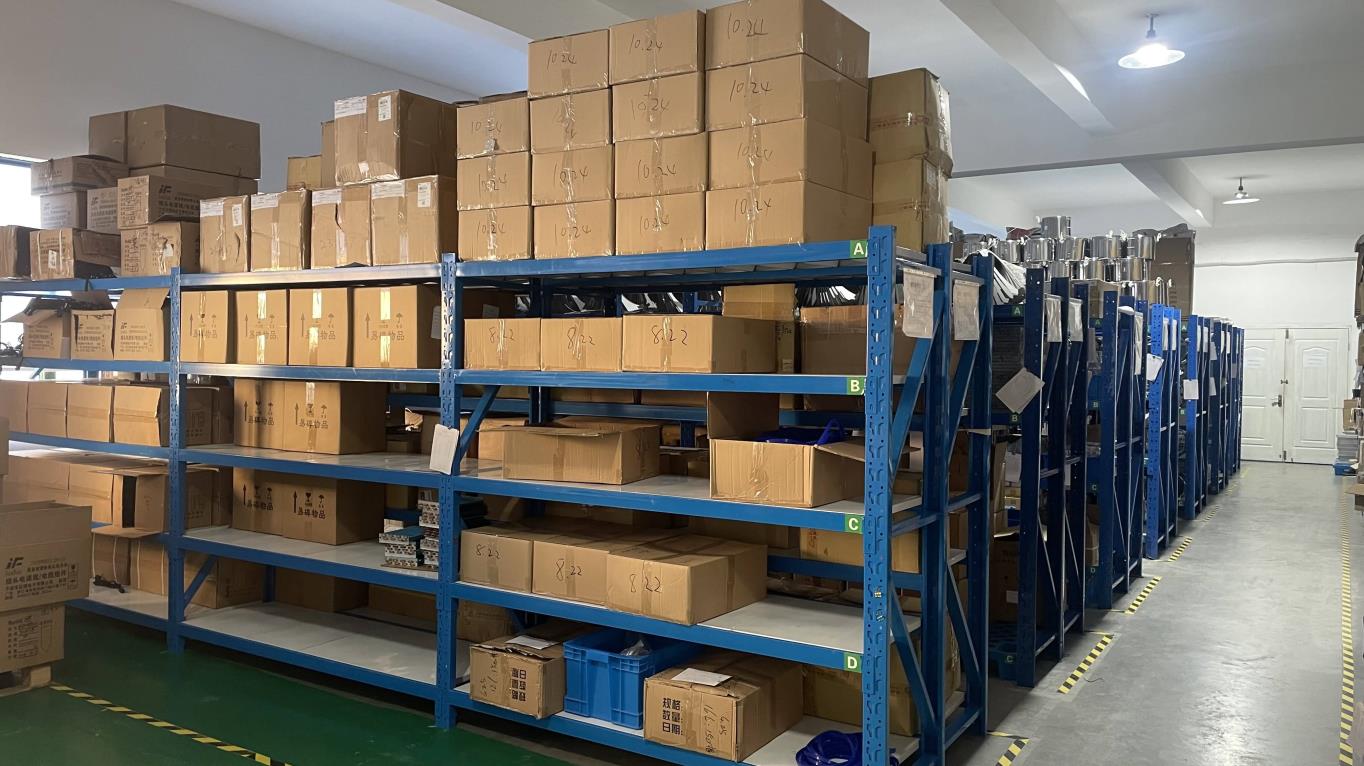
We pride ourselves on offering comprehensive technical support and excellent customer service throughout the entire product lifecycle. From pre-sales consultations to after-sales assistance, our dedicated service team ensures that clients receive timely and effective solutions to meet their specific needs. In addition to our technical expertise, we operate our own workshop and warehouse for disinfectants, medical equipment, and spare parts, guaranteeing swift and efficient delivery. We are constantly enhancing our product portfolio and improving performance in line with customer feedback and evolving market demands.
The future of portable radiography is tied to two key technological developments: generator optimization and artificial intelligence. The traditional 100kVp, 100mA limitation is being overcome by lighter batteries capable of rapid discharges.
Replacing filament bulbs with cold-cathode field emitters allows devices to reduce their weight by 50% while operating without warmup times.
On-board algorithms analyze exposure quality and detect life-threatening conditions (e.g., pneumothorax) directly at the bedside.
High-sensitivity wireless cesium iodide FPDs are replacing older gadolinium detectors, cutting patient dosage requirements by up to 40%.
Wireless power transmitters built into storage docks ensure system batteries remain fully charged, eliminating cable failures.
Operating medical radiation hardware requires strict adherence to international and local regulatory bodies. Equipment must be registered and undergo annual calibration:
 Estetik Medical