Estetik Medical
1 / 5
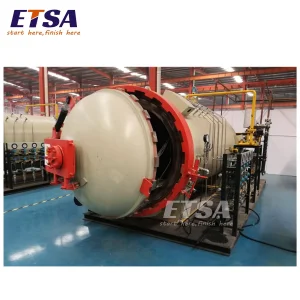
High Efficiency and High Strength Steam Autoclave Reactor
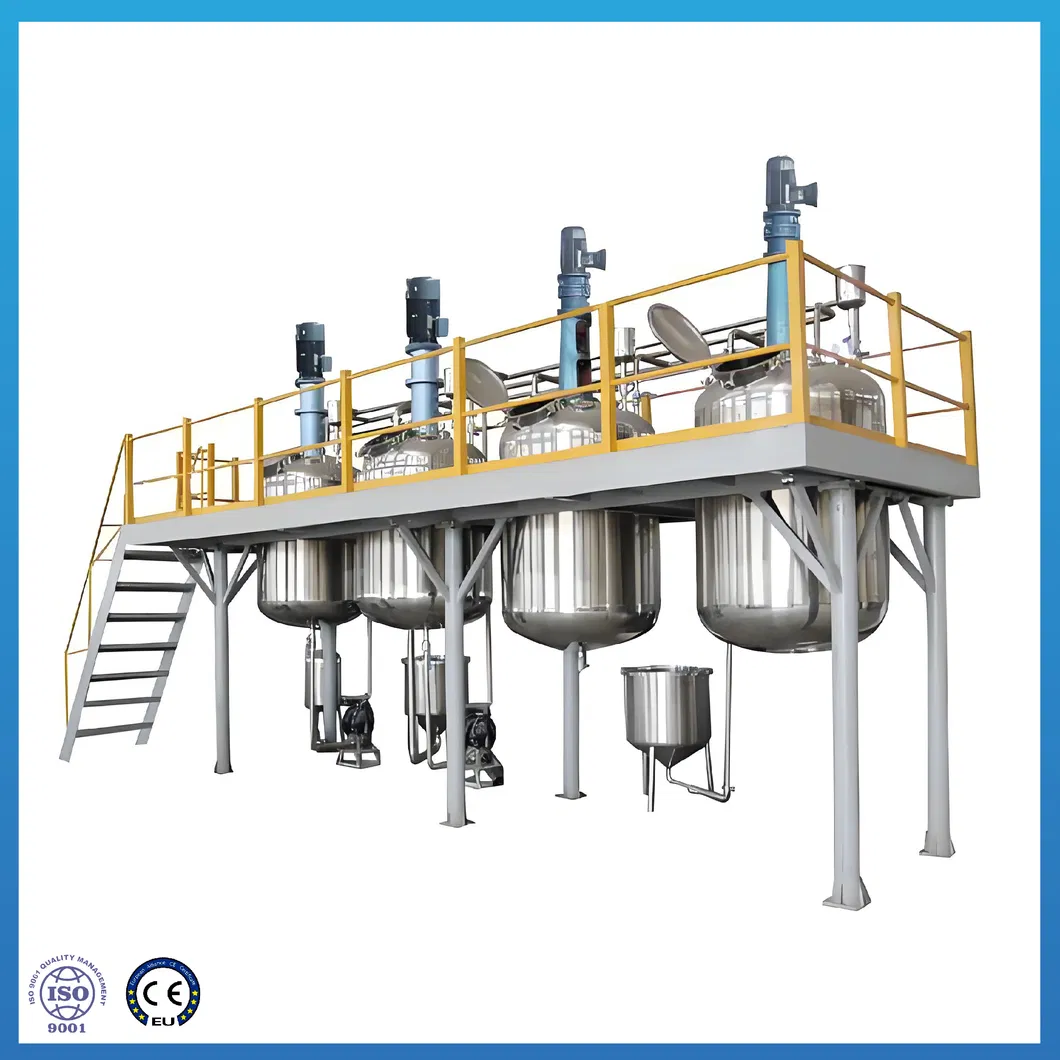
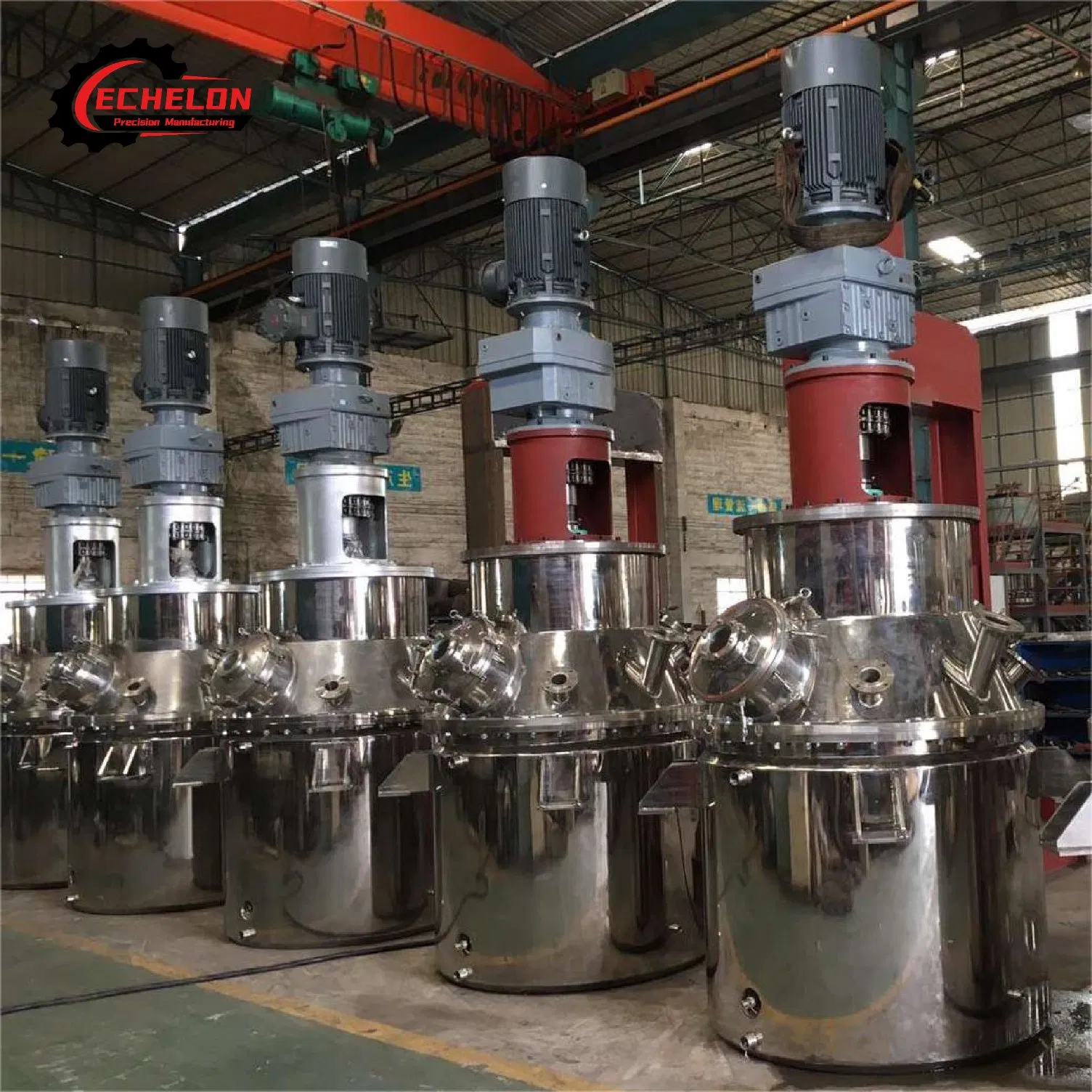
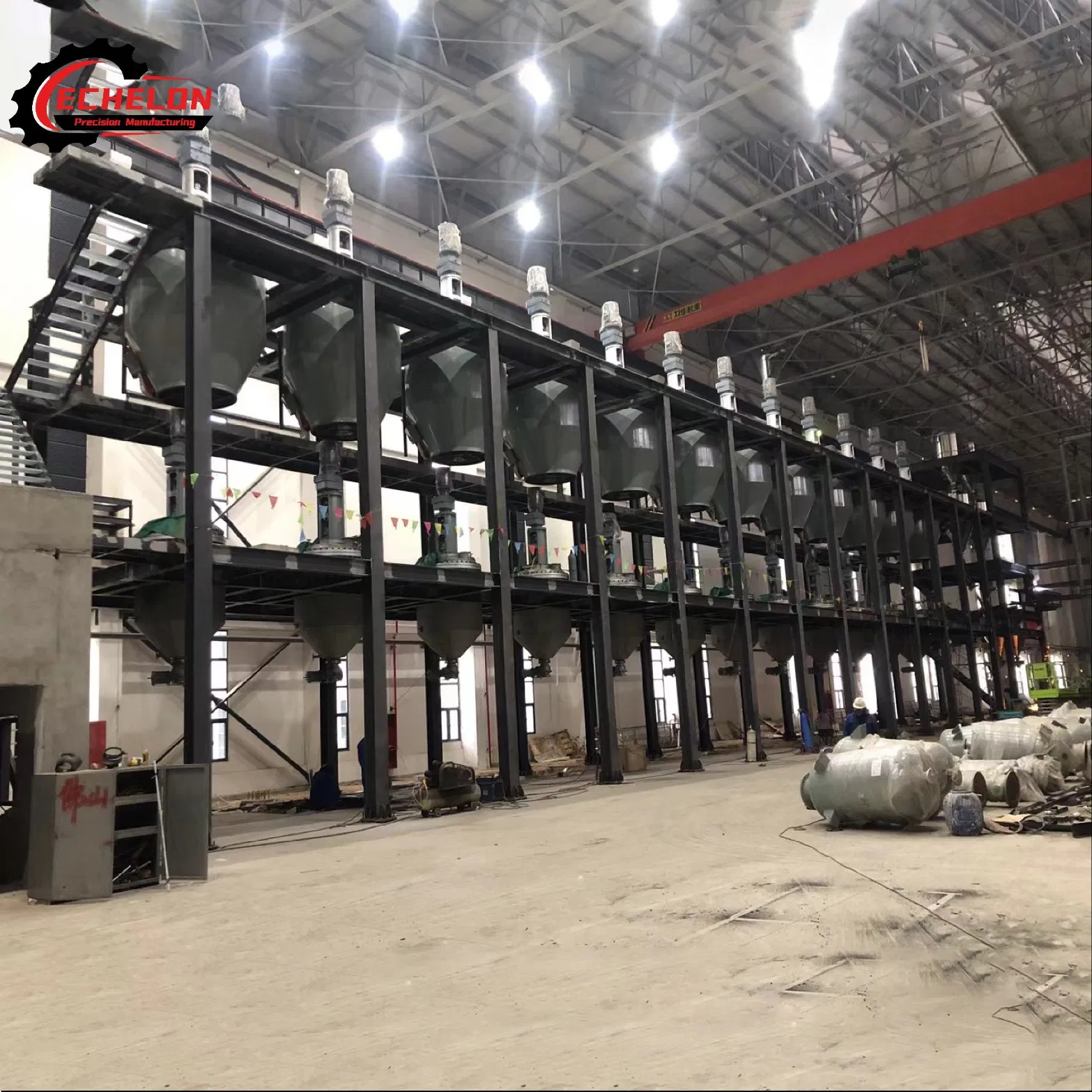
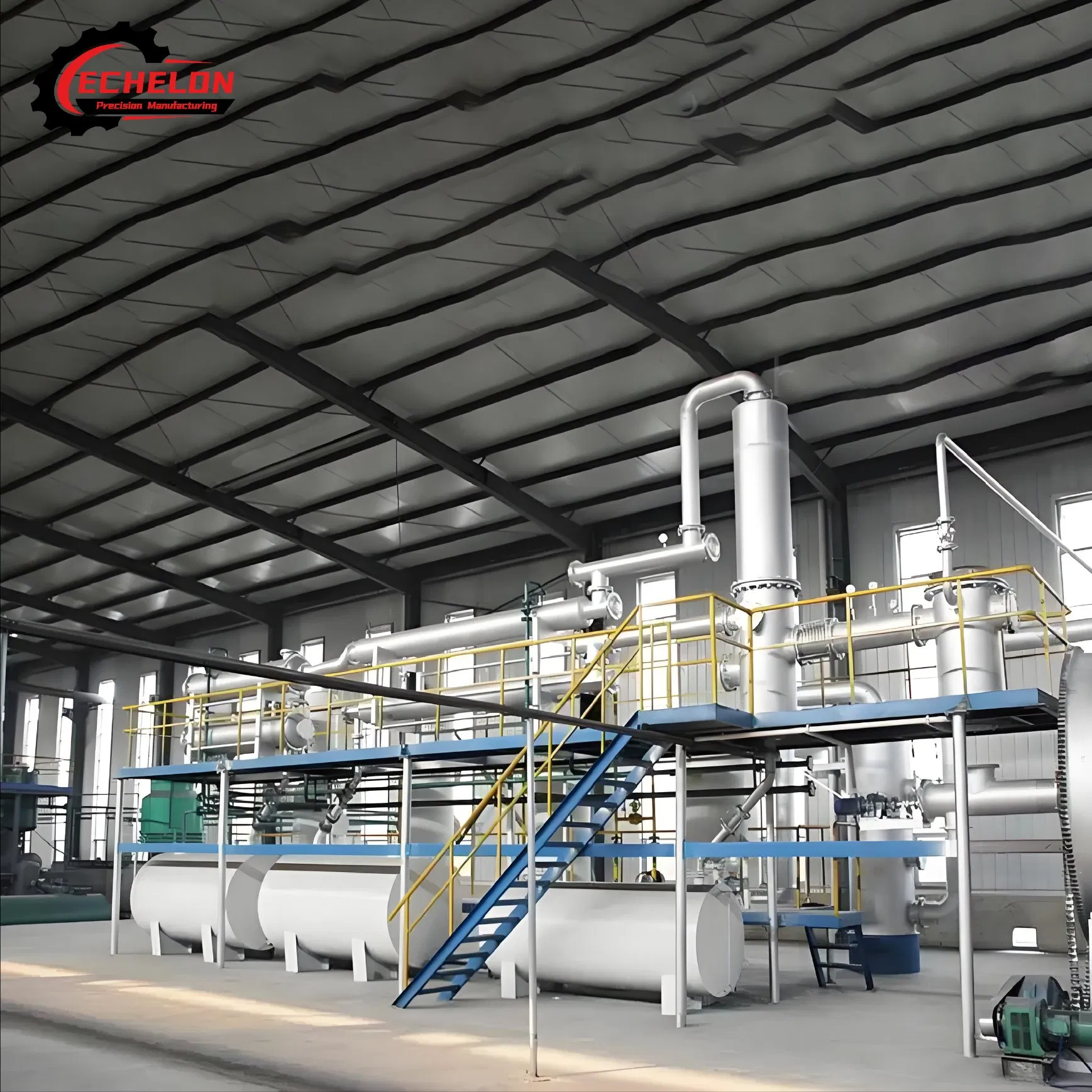
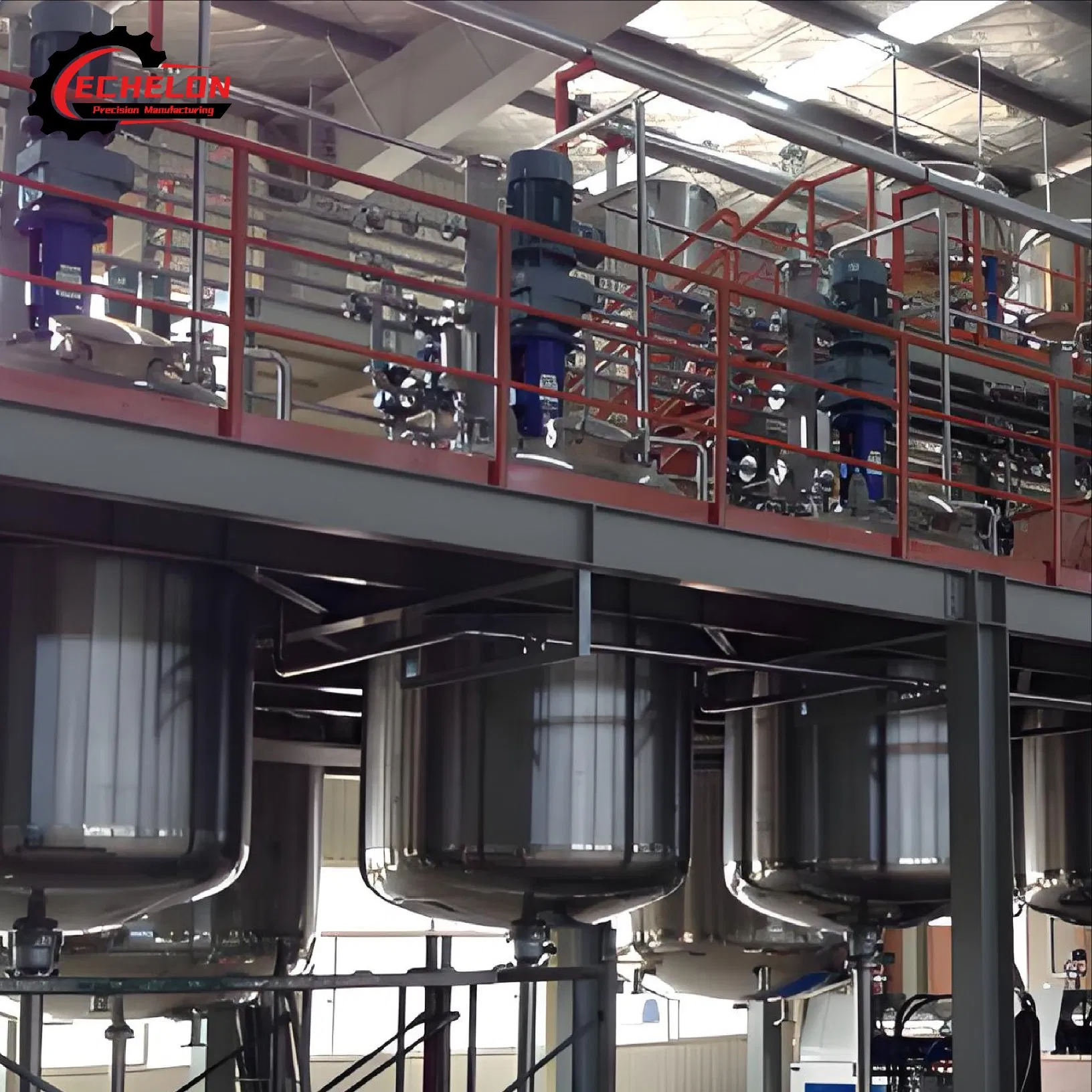
The reactor is a comprehensive reaction vessel designed based on specific reaction conditions. From initial feeding to discharging, pre-set reaction steps are completed with a high degree of automation. Important parameters such as temperature, pressure, and mechanical control (stirring, blasting) are strictly regulated. The structure typically includes a kettle body, transmission device, stirring device, heating/cooling devices, and sealing systems.
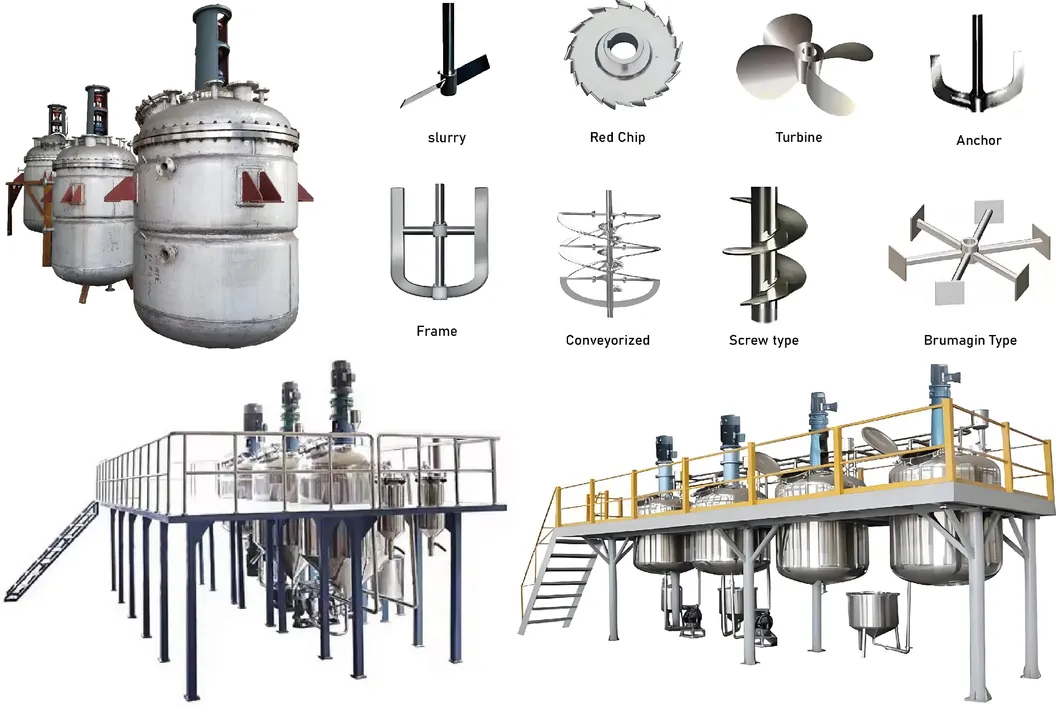
Constructed from carbon manganese steel, stainless steel (SUS304, SUS316L), zirconium, or nickel-based alloys. Agitators are available in anchor, frame, paddle, turbine, and combined types. Heating methods include steam, electric heating, and heat transfer oil, meeting requirements for acid resistance, high temperature resistance, and corrosion resistance.
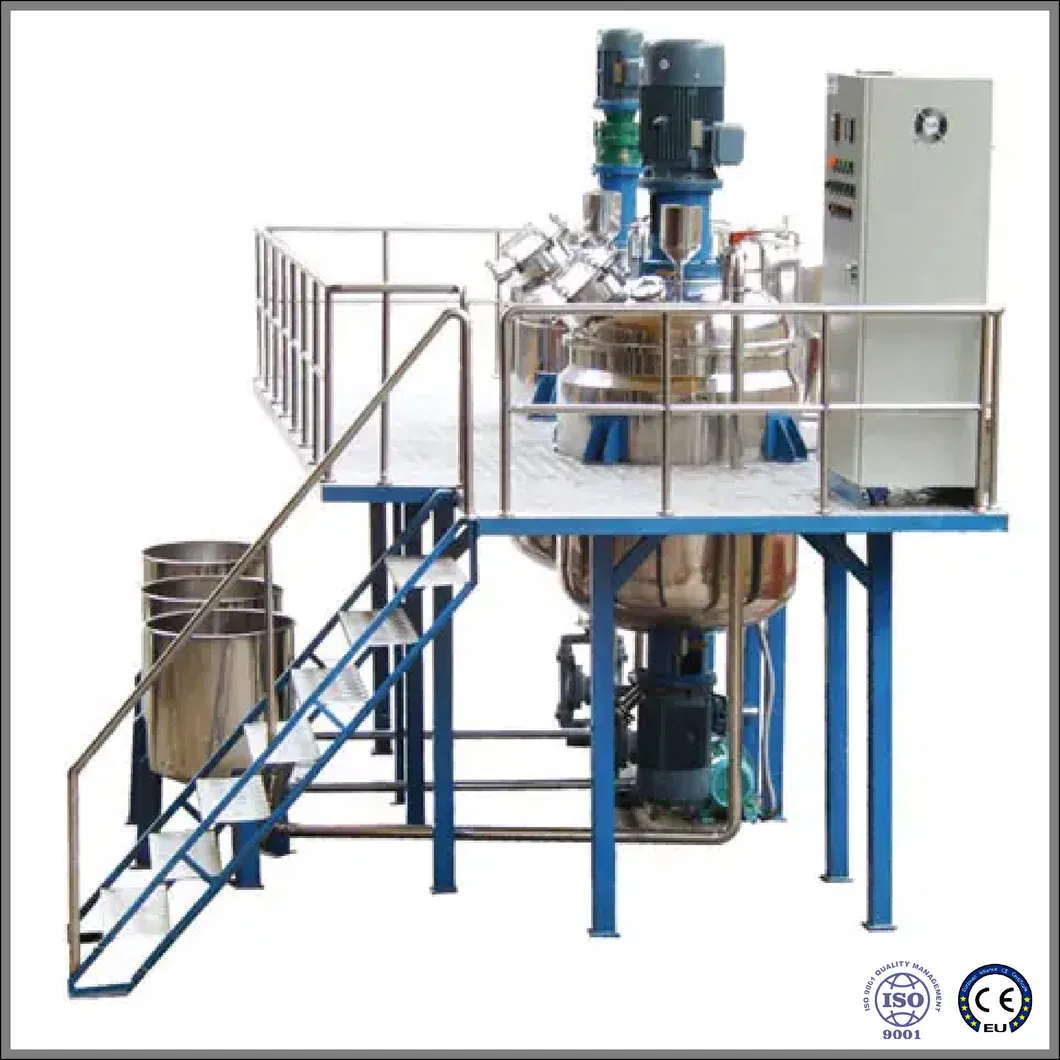
Reactor types include carbon steel, stainless steel, glass-lined, and steel-lined PTFE reactors, categorized by working pressure (normal, positive, negative) and heat transfer structure (jacket, coil, half-tube).
| Nominal Vol(L) | Effective Vol(L) | Electric Power(KW) | Jacket Cap(L) | Inner Size(mm) | Outer Size(mm) | Motor Power(KW) | Stirring Speed |
|---|---|---|---|---|---|---|---|
| 100 | 130 | 6*2 | 120 | 500 | 700 | 1.5 | 60-80 |
| 500 | 589 | 9*3 | 290 | 900 | 1100 | 4 | 60-80 |
| 1000 | 1215 | 9*4 | 560 | 1200 | 1400 | 5.5 | 60-80 |
| 2000 | 2244 | 12*4 | 750 | 1300 | 1500 | 7.5 | 60-80 |
| 5000 | 5170 | 18*5 | 1400 | 1800 | 2000 | 15 | 60-80 |