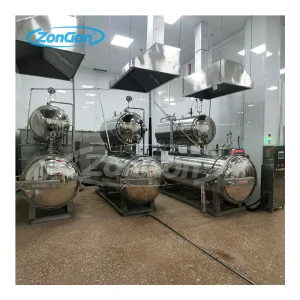
Engineered to deliver ultimate sterility assurance level (SAL 10-6) across hospital, laboratory, and pharmaceutical environments.
Hubei Estetik Medical Co., Ltd. stands as a preeminent pioneer and leading innovator in the medical and healthcare infection control sector. We specialize in developing state-of-the-art gaseous, low-temperature, and steam-based thermal sterilization systems alongside surgical containment solutions. Supported by advanced research hubs and strategically deployed infrastructure across China's technology clusters—specifically in Hangzhou, Chengdu, Wuxue, and Wuhan—we operate a robust network designed to meet the rigorous logistics and regulatory requirements of international healthcare institutions and global pharmaceutical OEMs.
By fusing advanced biomedical engineering with industrial precision, we ensure that every sterilization indicator, autoclaving accessory, and large-scale gaseous chamber is optimized for critical validation procedures. Our absolute commitment to quality assurance protects patient safety and improves the operational workflows of CSSDs (Central Sterile Supply Departments) worldwide.

R&D & Logistics Bases
GMP & ISO Compliant
Sterility Assurance level
Exporting Countries
An in-depth whitepaper analysis on regulatory shifts, procurement behaviors, and smart manufacturing integration.
The global healthcare sector is witnessing a paradigm shift in sterilization methodologies. The traditional dominance of high-temperature steam sterilization (autoclaving) is now closely integrated with specialized low-temperature modalities, such as Hydrogen Peroxide (H2O2) Gas Plasma and Ethylene Oxide (EtO) sterilization. This transformation is driven by the rapid advancement of complex surgical instruments, micro-invasive endoscopes, robotics, and advanced bio-synthetics, which cannot withstand the thermal and moisture stresses of high-temperature steam.
Modern medical equipment sterilization is governed by strict global guidelines, including the EN 285 standard for steam sterilizers and ISO 11135 / ISO 14937 for low-temperature methods. The primary technological push focuses on parametric release—a validation method that verifies sterilization efficacy through physical parameter sensors rather than relying solely on biological incubation. Furthermore, the integration of digital tracking (RFID and barcode scanning) directly into Central Sterile Supply Departments (CSSD) allows hospitals to trace instrument lifecycle history, minimizing infection rates and optimizing hospital asset management.
Procurement processes in Europe, North America, and key developing economies are increasingly complex. Healthcare procurement officers are no longer just looking at capital expenditures (CAPEX); they evaluate the Total Cost of Ownership (TCO), safety profiles, utility consumption, and compliance with local regulatory frameworks (such as FDA 510(k), CE mark under MDR 2017/745, and regional pharmaceutical GMP protocols).
There is a growing global demand for high-throughput gaseous sterilizers for manufacturing PPE, surgical kits, and diagnostic instruments. Because EtO remains highly effective for delicate electronics and dense polymers, industrial manufacturers require massive gaseous sterilizers (such as 20m³ configurations) with built-in catalytic scrubbers to safely neutralize gas residues in compliance with OSHA and EPA standards. Concurrently, clinical settings are rapidly transitioning to low-temperature hydrogen peroxide gas plasma due to its non-toxic byproducts (water and oxygen) and fast turnaround times.
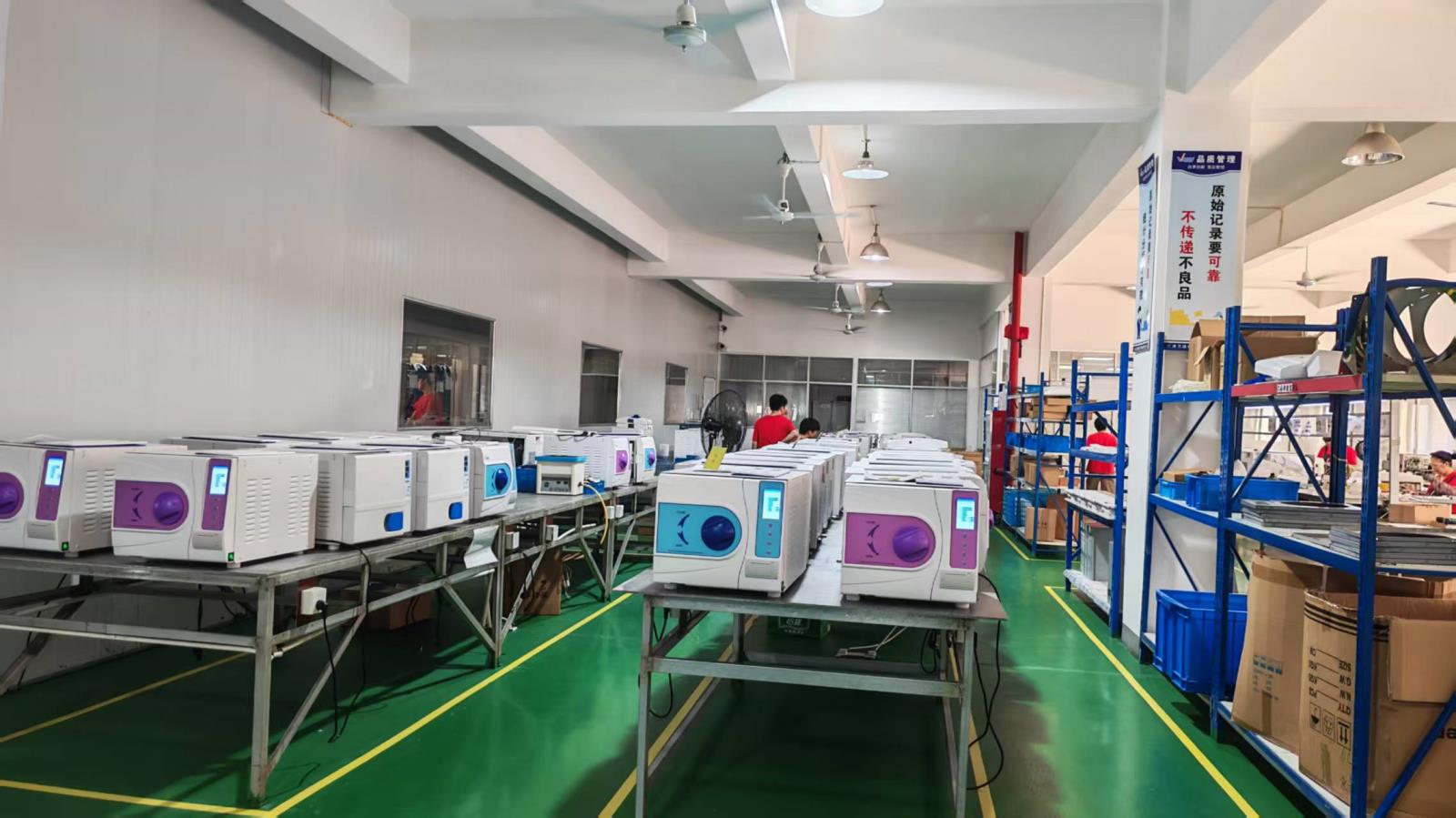
The manufacturing ecosystem of Hubei Estetik Medical Co., Ltd. embodies the principles of China's Factory 4.0 transition. By leveraging automated robotic assembly, laser-welding, and automated inspection, our production facilities in Hubei and partner hubs achieve high product reliability and dimensional accuracy.
Our manufacturing approach stands on three key pillars:
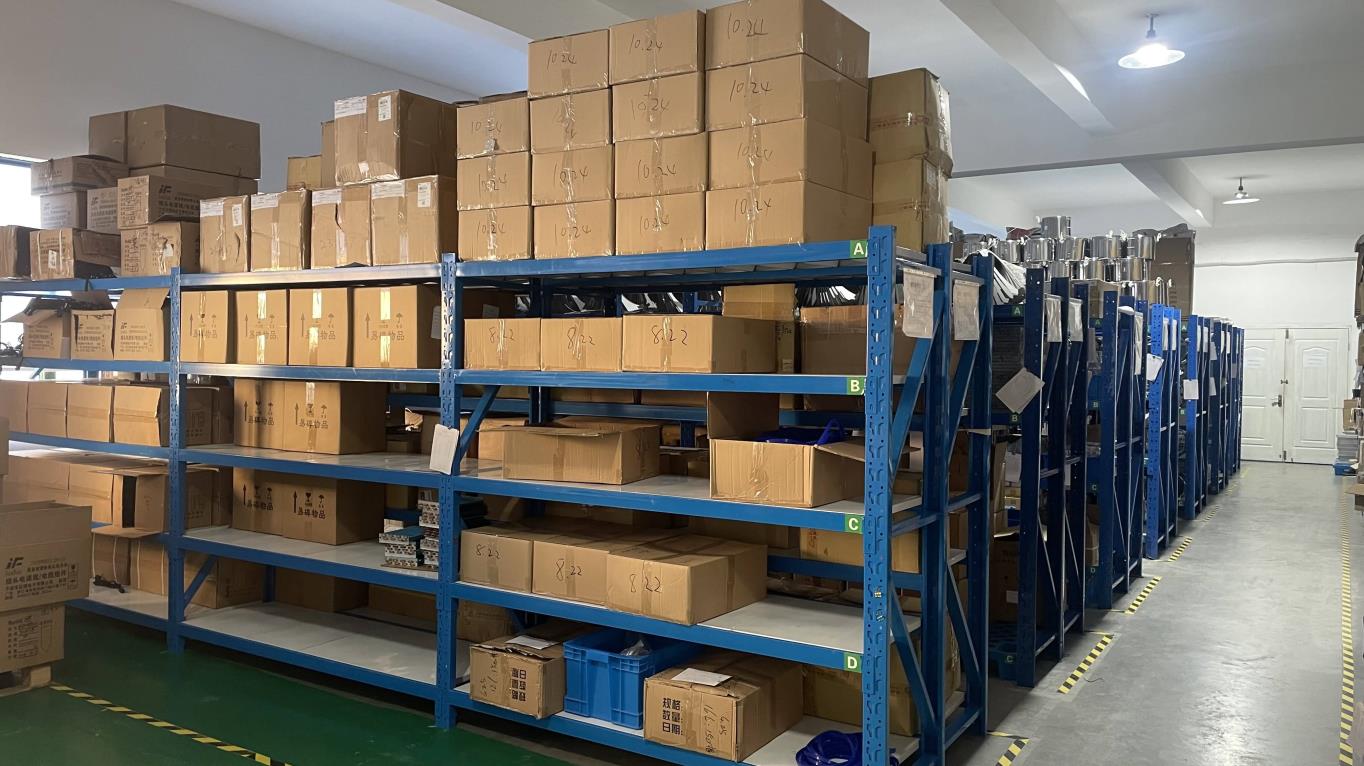
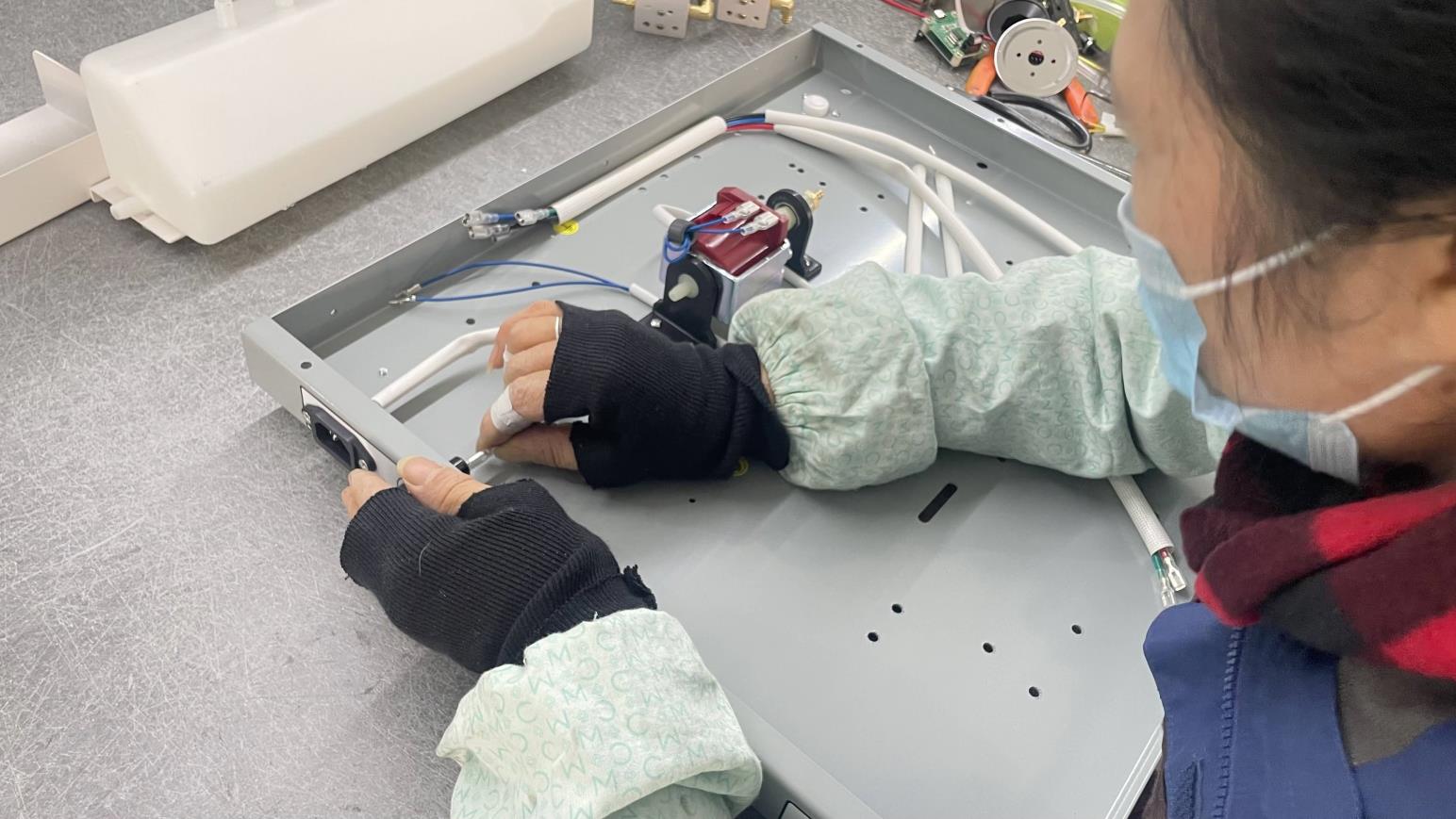
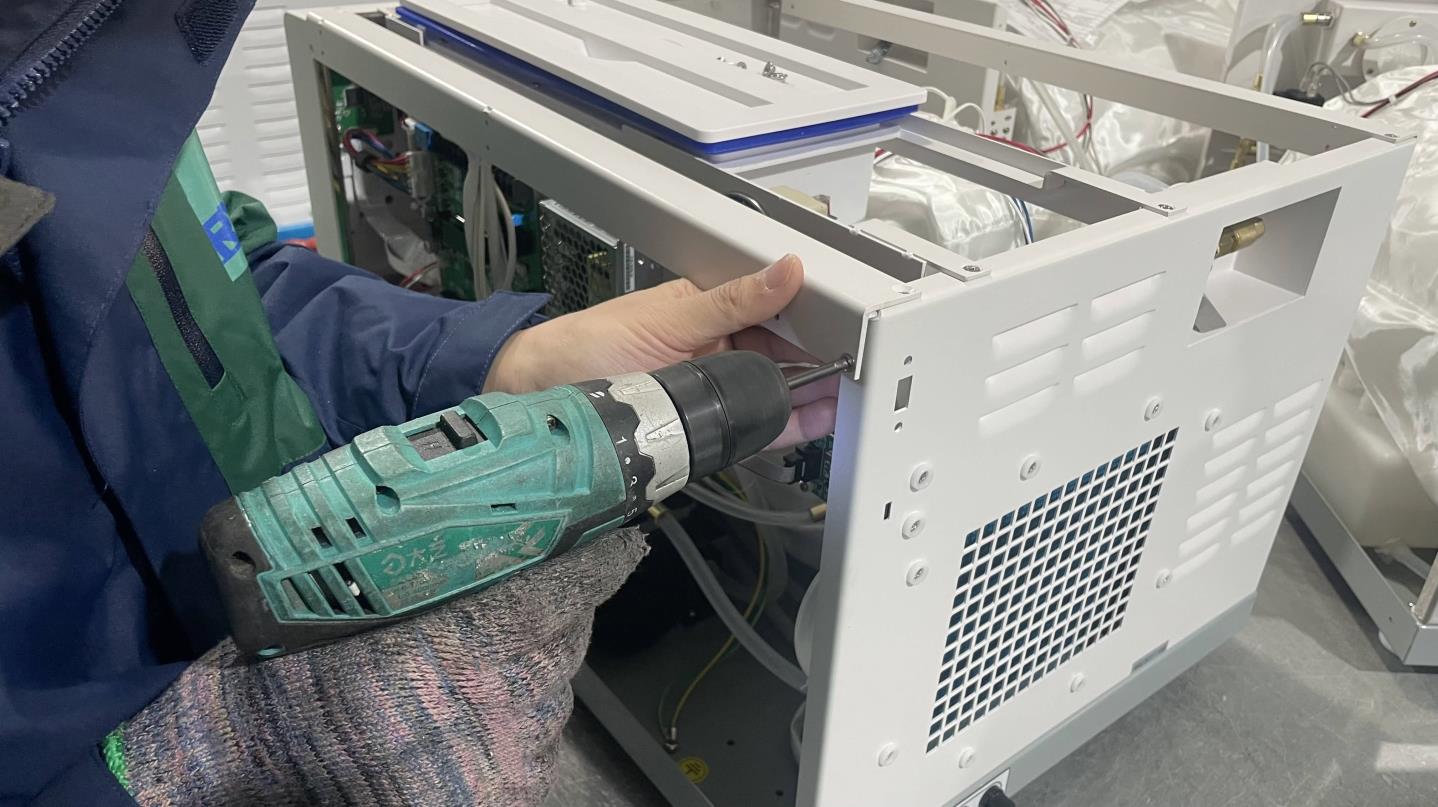
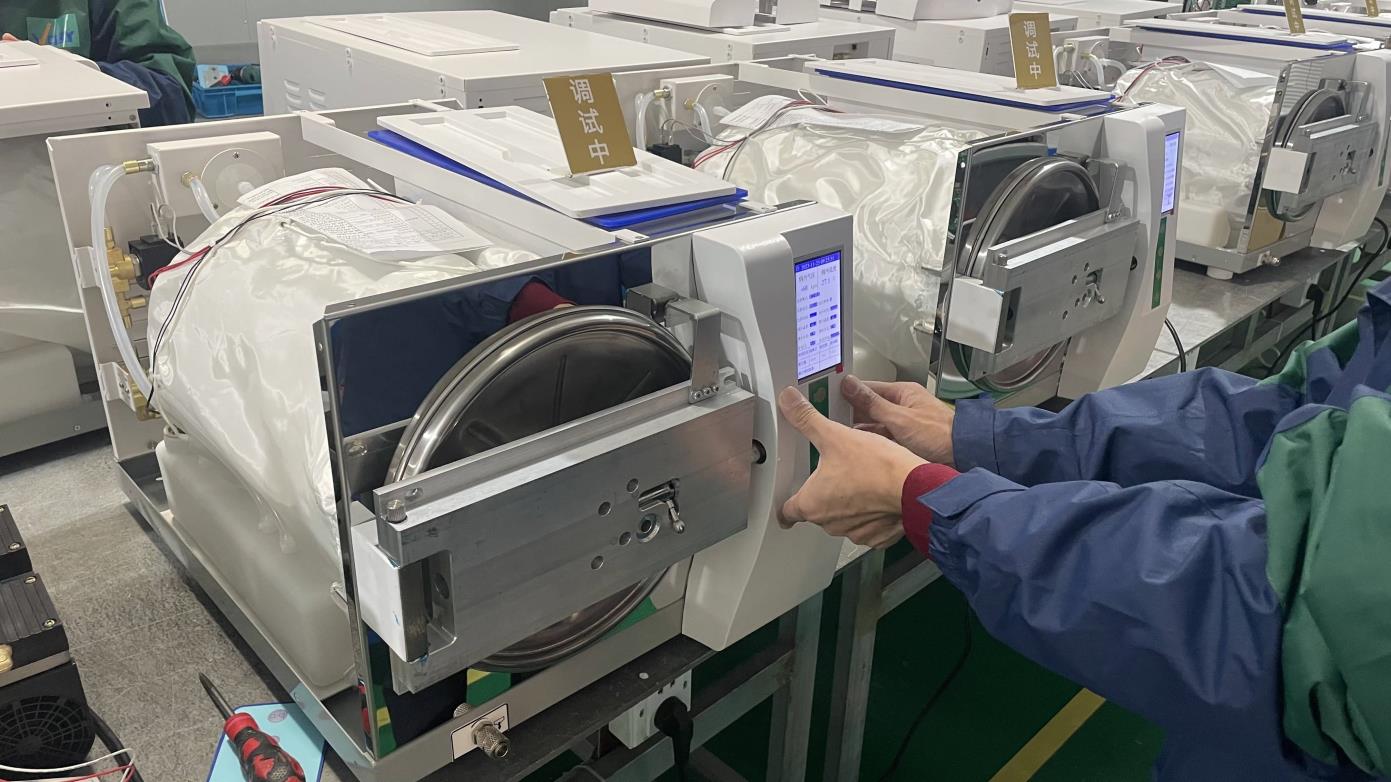
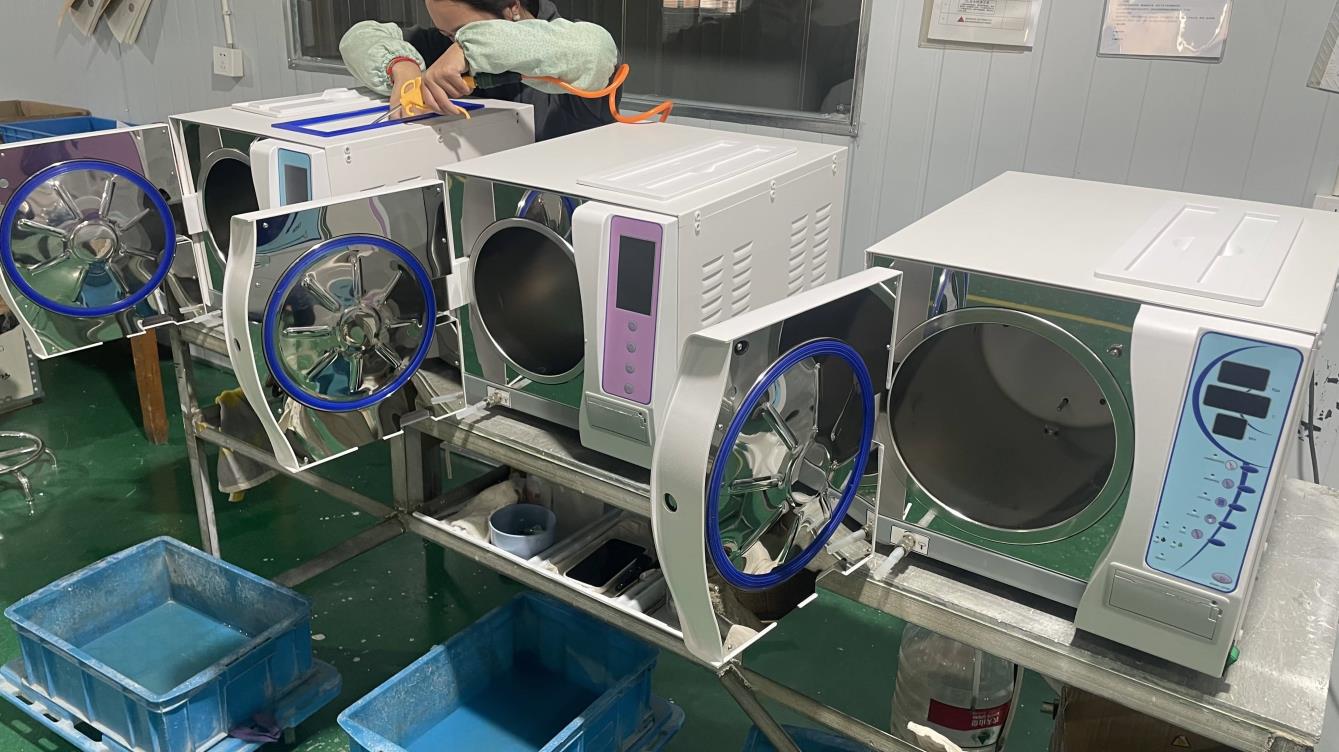
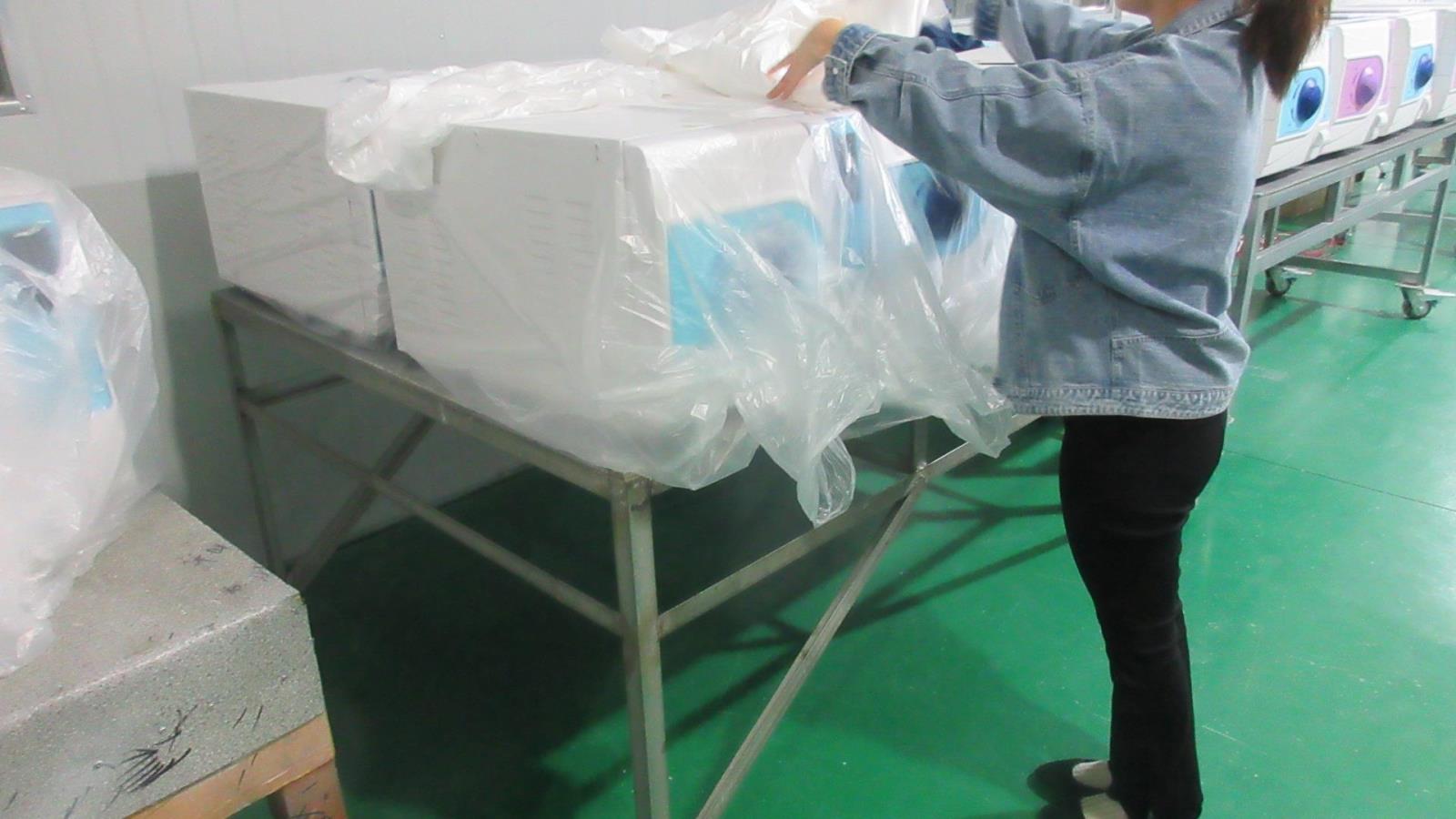
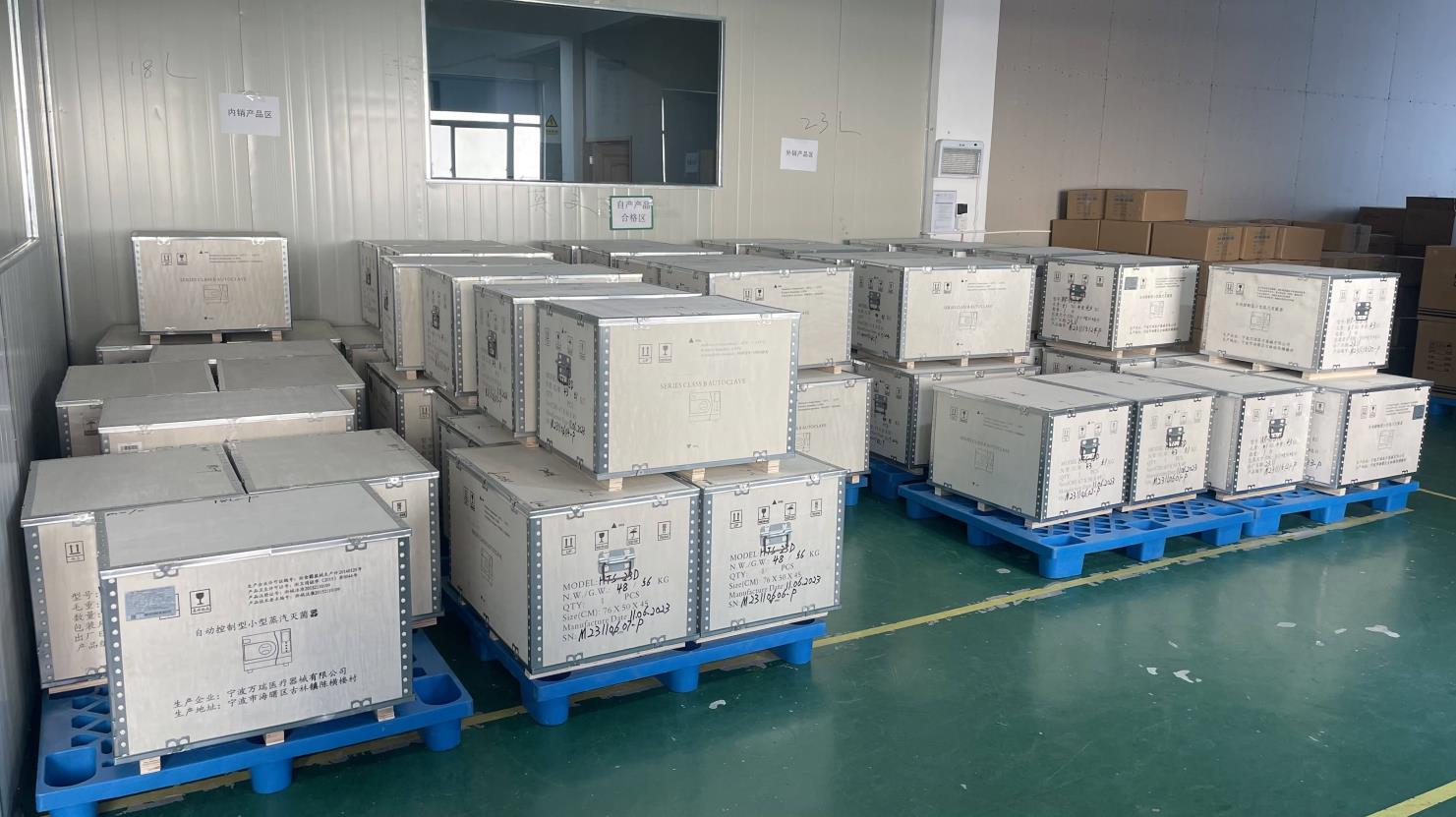
Engineered for hospitals, outpatient surgical units, cleanrooms, and large-scale industrial sterilizer applications.
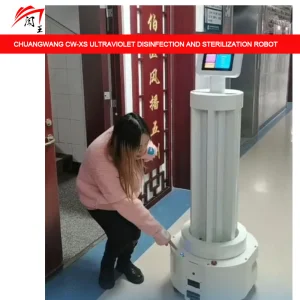
Utilizes vaporized hydrogen peroxide (VHP) to achieve broad-spectrum surface and air decontamination in high-risk zones, biosafety labs, and hospital rooms.
Equipped with advanced HEPA filters, ultraviolet irradiation (UVGI), and photocatalytic chambers to continuously remove airborne pathogens, dust, and VOCs in critical spaces.
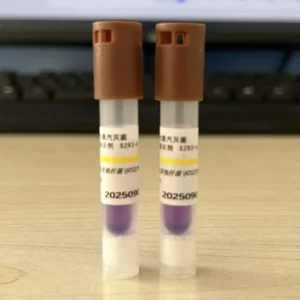
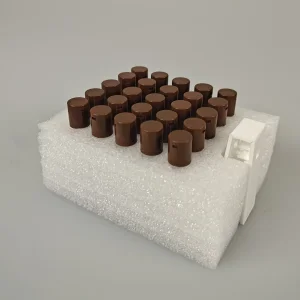
Enables rapid enzymatic readout validation (3-hour / 1-hour incubation) for steam, hydrogen peroxide plasma, and EO gas cycles, ensuring accurate tracking of sterility verification.
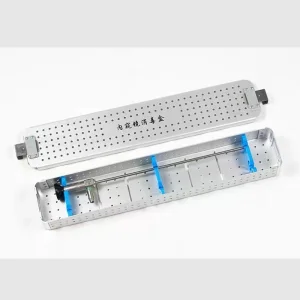
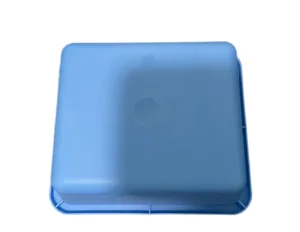
Precision-welded surgical instrument baskets, trays, and DIN-standard modular containers constructed from medical-grade AISI 304 and 316L stainless steel and aluminum alloy.
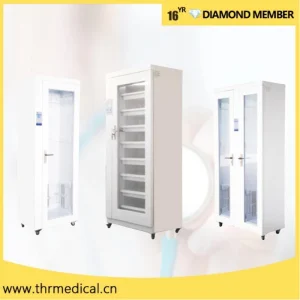
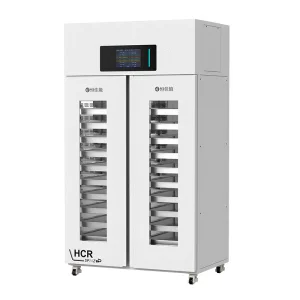
Ergonomically designed patient recovery systems and dedicated storage cabinets (such as multi-door flexible endoscope storage systems) to prevent post-sterilization recontamination.
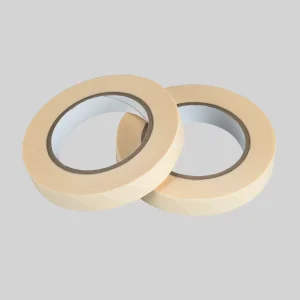
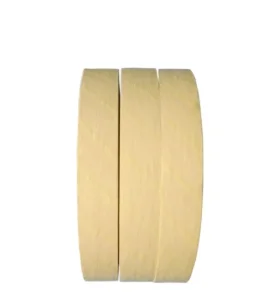
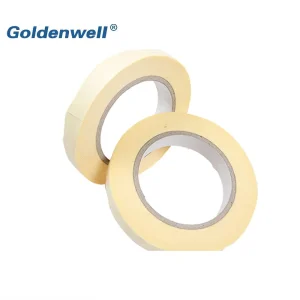
Includes chemical indicator tapes, autoclave wrapping wraps, sterilization pouches, and custom thermal sealing systems that meet ISO 11140-1 Class 1/4/5/6 requirements.
To maintain reliable clinical standards, Hubei Estetik Medical Co., Ltd. operates under strict quality management systems certified to ISO 13485:2016. Our sterilization indicators, indicator tapes, autoclave packaging, and chemical detection components undergo systematic batch verification to guarantee reproducible chemical color shifts and accurate enzymatic biological reactions.
By sourcing raw materials from certified partners and utilizing automated cleanrooms for coating and cutting, we minimize batch variance. This level of quality control ensures our products perform reliably in hospital CSSDs, pharmaceutical manufacturing, and bio-laboratory applications worldwide.
How our sterilization technologies integrate across clinical, pharmaceutical, and industrial environments.
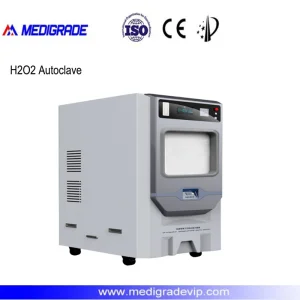
In modern hospitals, fast instrument turnaround is essential. Our low-temperature hydrogen peroxide plasma sterilizers rapidly process complex surgical tools, rigid endoscopes, optical camera heads, and power drills. Paired with our 304 Stainless Steel Sterilization Basket Trays and Biological Indicators, CSSD managers can safely release processed surgical kits back to operating theaters in under an hour.
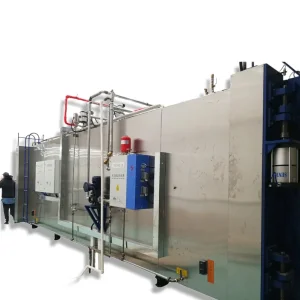
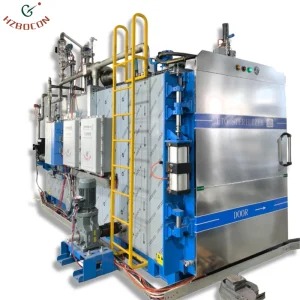
For high-volume production of syringes, IV administration sets, surgical gowns, and face masks, Ethylene Oxide (EtO) sterilization remains the industry standard. Our 20m³ high-profile Eto gas sterilizers provide large-scale, automated cycles that penetrate deep into complex device lumens and packaging, ensuring thorough sterilization without compromising structural integrity.
Pharmaceutical cleanrooms require strict environmental controls to prevent cross-contamination. Our Hydrogen Peroxide Space Disinfection Systems automate the decontamination of pass boxes, sterile filling lines, and biological safety cabinets. Coupled with fast biological auto-readers, sterile processing steps are quickly validated to maintain GMP compliance.
Expert answers regarding sterilization parameters, regulatory compliance, and best practices for daily operations.
Chemical indicators are categorized under ISO 11140-1. Class 1 (Process Indicators, like autoclave tape) simply confirms that a pack has been exposed to the sterilization process, helping differentiate between processed and unprocessed packs. Class 4 (Multi-variable Indicators) are designed to react to two or more critical parameters (e.g., time and temperature in steam). Class 5 (Integrating Indicators) react to all critical variables of the sterilization cycle, matching or exceeding the performance requirements of biological indicators.
This low-temperature process uses vaporized hydrogen peroxide (H2O2) injected into a vacuum chamber containing the instruments. The vaporized gas is excited by radiofrequency (RF) or electromagnetic energy to create a low-temperature plasma cloud. Free radicals within the plasma interact with and destroy microbial DNA, proteins, and cell membranes. The remaining plasma converts back into oxygen and water vapor, leaving no toxic chemical residues on the processed instruments.
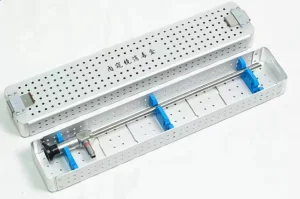
Rigid endoscope containers, constructed from durable aluminum alloys or stainless steel, offer superior physical protection for delicate optical instruments during storage and transport. Unlike paper or non-woven sterilization wraps, rigid containers cannot be easily punctured or torn. This dramatically reduces the risk of recontamination, minimizes replacement costs for damaged endoscopes, and streamlines workflow efficiency in the CSSD.
Under ISO 11135, validation of EtO cycles requires monitoring gas concentration, relative humidity (typically 40-80%), exposure time, and temperature (generally 37-63°C). Bacillus atrophaeus spores serve as the standard biological challenge organism for EtO processes. They are used to verify a Sterility Assurance Level (SAL) of 10-6 through fractional gas exposure tests.
Discover our range of heavy-duty sterilizers, medical containers, and biological indicators designed for high-capacity facilities.
 Estetik Medical