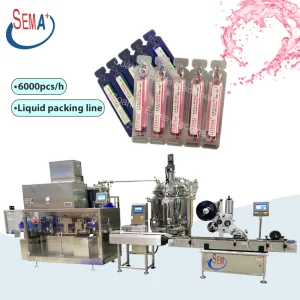
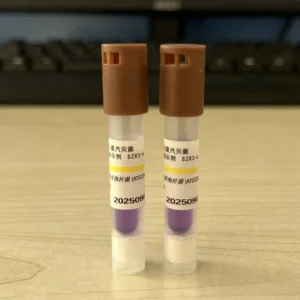
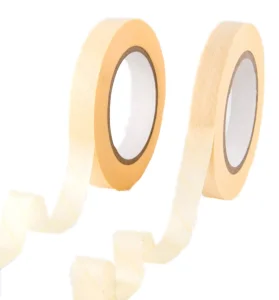
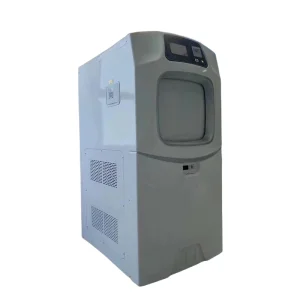
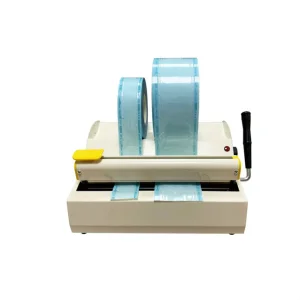
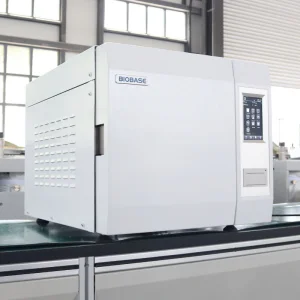
Deploying medical simulations requires robust, sterilizable equipment. Below is our verified medical-grade hardware designed for safety, performance measurement, and infection-free medical training workflows.
In critical care medicine, emergency training, and cardiovascular resuscitation, CPR training manikins act as the primary vector of learning. Modern resuscitation guidelines established by the American Heart Association (AHA) and the European Resuscitation Council (ERC) demand that CPR feedback must be measurable, accurate, and hygienic. Organizations are transitioning from basic chest-compression models to IoT-enabled, real-time feedback systems (QCPR) that track compression depth, rate, recoil, and ventilation parameters.
Next-generation simulators replicate exact anatomical landmarks and thoracic compliance, giving rescuers real-life chest resistance and airway obstruction scenarios.
Bluetooth-connected applications monitor live trainee performances, providing micro-adjustments for compression fraction and tidal volumes.
Training units require intense hygiene standards. Estetik Medical's solutions ensure sterilization cycles preserve simulator structural integrity.
The medical training simulation ecosystem is transitioning from passive mechanical feedback to dynamic cyber-physical feedback. This technology roadmap charts the structural shifts observed in global manufacturing sites.
| Technology Generation | Core Feedback Mechanism | Data Integration | Hygiene & Maintenance Protocol |
|---|---|---|---|
| Gen 1: Analog Mechanical | Audible clicker (internal spring) for depth | None (visual observer only) | Manual surface alcohol wipe down |
| Gen 2: Electronic Console | LED light columns indicating depth limits | Wired control box metrics | Replaceable lung bags & facial shields |
| Gen 3: QCPR (Current) | Optical/Magnetic sensors for recoil, rate, & depth | Bluetooth apps, cloud multi-learner tracking | Removable airway valves, disinfection cabinet compatibility |
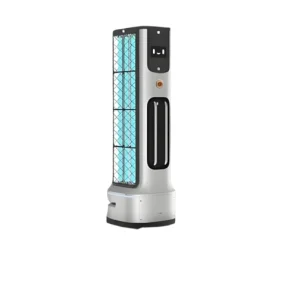
| Gen 4: AI & VR (Emerging) | Haptic feedback actuators, pneumatic chest wall | API integrations, AI coaching, XR Environments | Antimicrobial skin polymers, UV-C sterilizer cabins |
Simulating the exact compression depth of 5 to 6 cm on different body builds is a core challenge. Next-generation factories incorporate smart pneumatic cylinders inside the manikin's thoracic cage, dynamically adjusting resistance to simulate pediatric, adult, obese, or geriatric patients. Additionally, integrated Bluetooth modules upload session parameters directly into learning management systems (LMS), letting safety compliance officers audit training profiles remotely.
Based on international procurement databases, compliance audits, and technological innovations, these are the top 10 factories leading global medical simulation standards.
HQ: Norway | Focus: High-fidelity medical simulation.
Known for the Resusci Anne series, Laerdal is the benchmark brand for QCPR solutions. They lead the market in guideline-compliant sensors and educational ecosystems.
HQ: USA | Focus: Cost-effective training solutions.
Prestan revolutionized training with the patented CPR Rate Monitor system, utilizing LEDs to guide students instantly. Outstanding value and high reliability.
HQ: USA | Focus: Advanced humanoid patient simulators.
Gaumard manufactures the HAL series, which offers high-fidelity, tetherless computer interaction. Preferred for university-level emergency training labs.
HQ: Denmark | Focus: Clinical-grade airway training.
Ambu's manikins feature a unique hygienic system where trainees use their own facepiece and head bag. Excellent for hospital and clinical settings.
HQ: Germany | Focus: Anatomical models & CPR trainers.
3B Scientific delivers robust, durable manikins with focus on realism and basic life support (BLS) training for professional schools globally.
HQ: USA | Focus: Military & Emergency response simulators.
Makers of the Simulaids and Life/form lines, specializing in extreme durability models for outdoor first-responder training.
HQ: China | Focus: Infection Control & Simulator Disinfection.
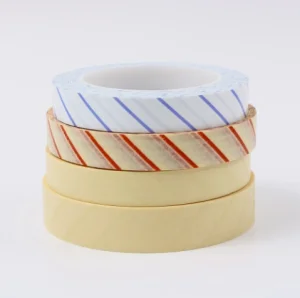
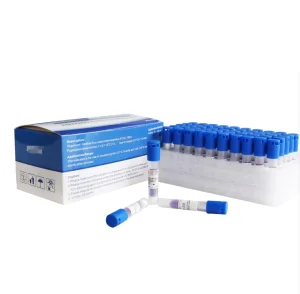
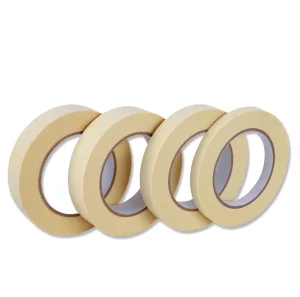
Integrating chemical indicators, autoclave control systems, and disinfection technologies to keep large-scale CPR training complexes completely sterile.
HQ: Japan | Focus: Precision clinical skills trainers.
Renowned for highly accurate materials resembling human tissue and advanced ultrasound-compatible training interfaces.
HQ: UK | Focus: Airway management simulators.
TruCorp focuses on realistic airway structures (AirSim) integrated with advanced diagnostic lung compliance simulators.
HQ: Germany | Focus: Medical training aids.
Providing high-precision basic and advanced life support models combined with anatomical training tools for universities.
An authority in medical and disinfection technologies, Estetik Medical ensures simulation labs remain hygienic, sterile, and biologically monitored.
Hubei Estetik Medical Co., Ltd. is a leading innovator and manufacturer in the medical and healthcare industry, specializing in high-quality disinfection systems, medical equipment, and infection control solutions. With our cutting-edge research and development centers, advanced manufacturing facilities, and strategically located warehouses and offices in key cities across China—including Hangzhou, Chengdu, Wuxue, and Wuhan—we are well-positioned to serve both domestic and international markets.
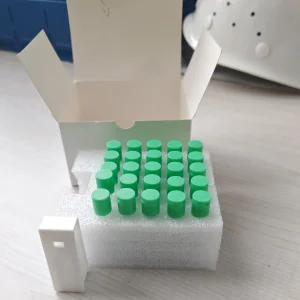
For organizations running massive CPR training campaigns, the cross-contamination of airways is a high liability. Estetik Medical's core competencies lie in space disinfection, auto reader systems, and biological monitoring indicators that verify the sterility of instruments and simulator parts between training groups.

Ensuring that medical equipment and disinfectants comply with rigorous global quality standards is critical. Hubei Estetik Medical Co., Ltd. operates under strict regulatory frameworks.
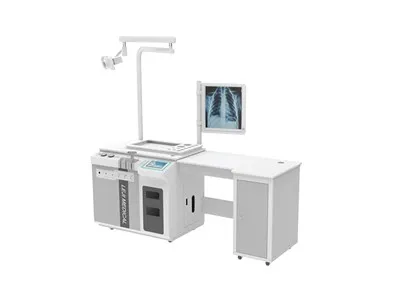
Our products are manufactured to meet rigorous international standards, and we hold various certifications for quality and safety. Hubei Estetik Medical Co., Ltd. has earned trusted industry certifications, ensuring that our products are recognized for their high performance, repeatability, and clinical reliability.
Every device undergoes structured factory acceptance testing (FAT) and validation protocols. Our disinfection systems are validated for high pathogen reduction rates, and our chemical and biological indicator lines provide fast, non-ambiguous validation of steam, plasma, and EO sterilization cycles.
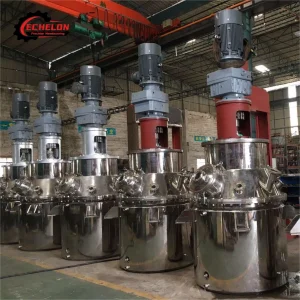
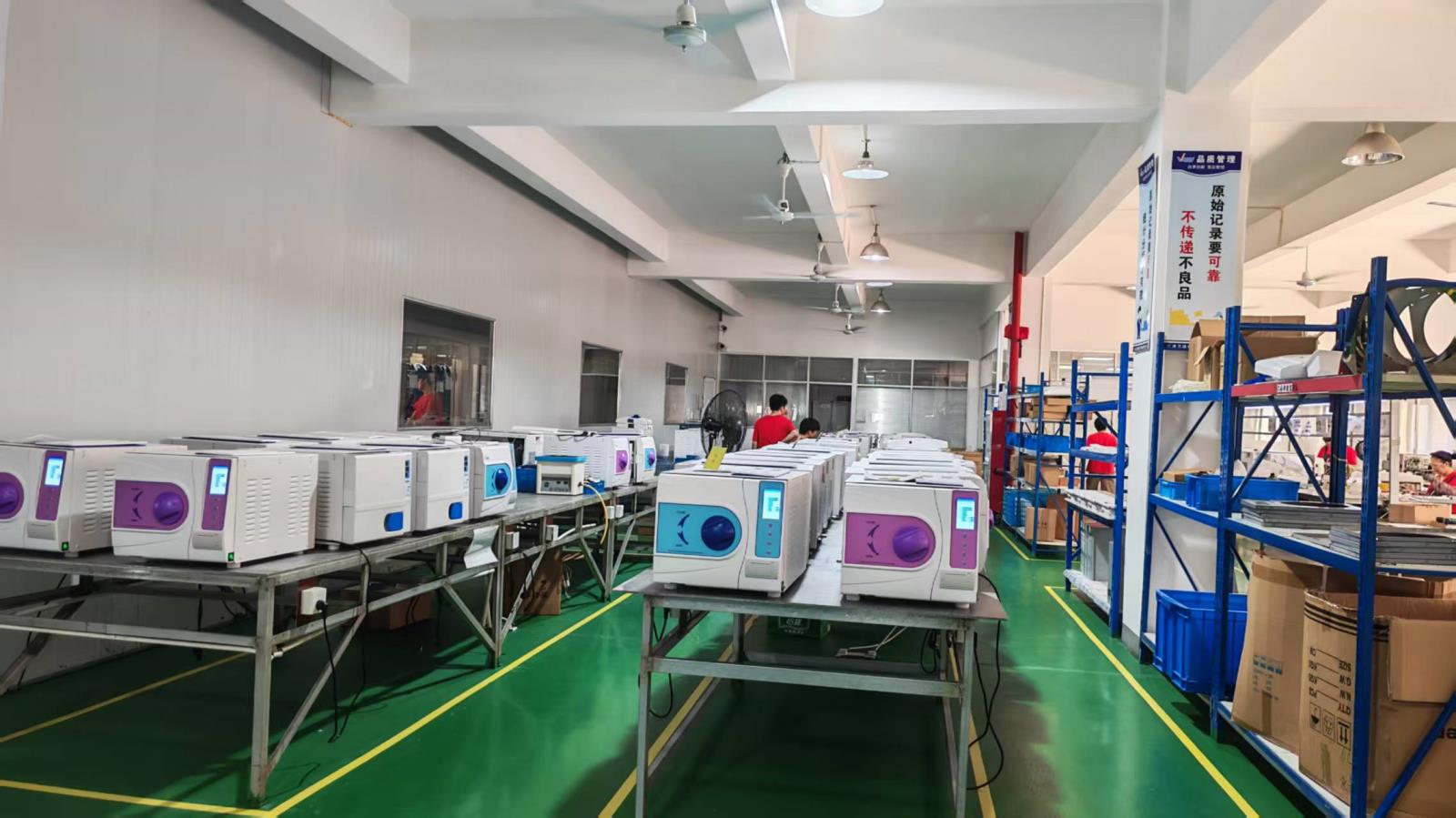
Operating state-of-the-art facilities enables high-volume manufacturing with micro-precision. Take a step-by-step tour through our automated production workflow.
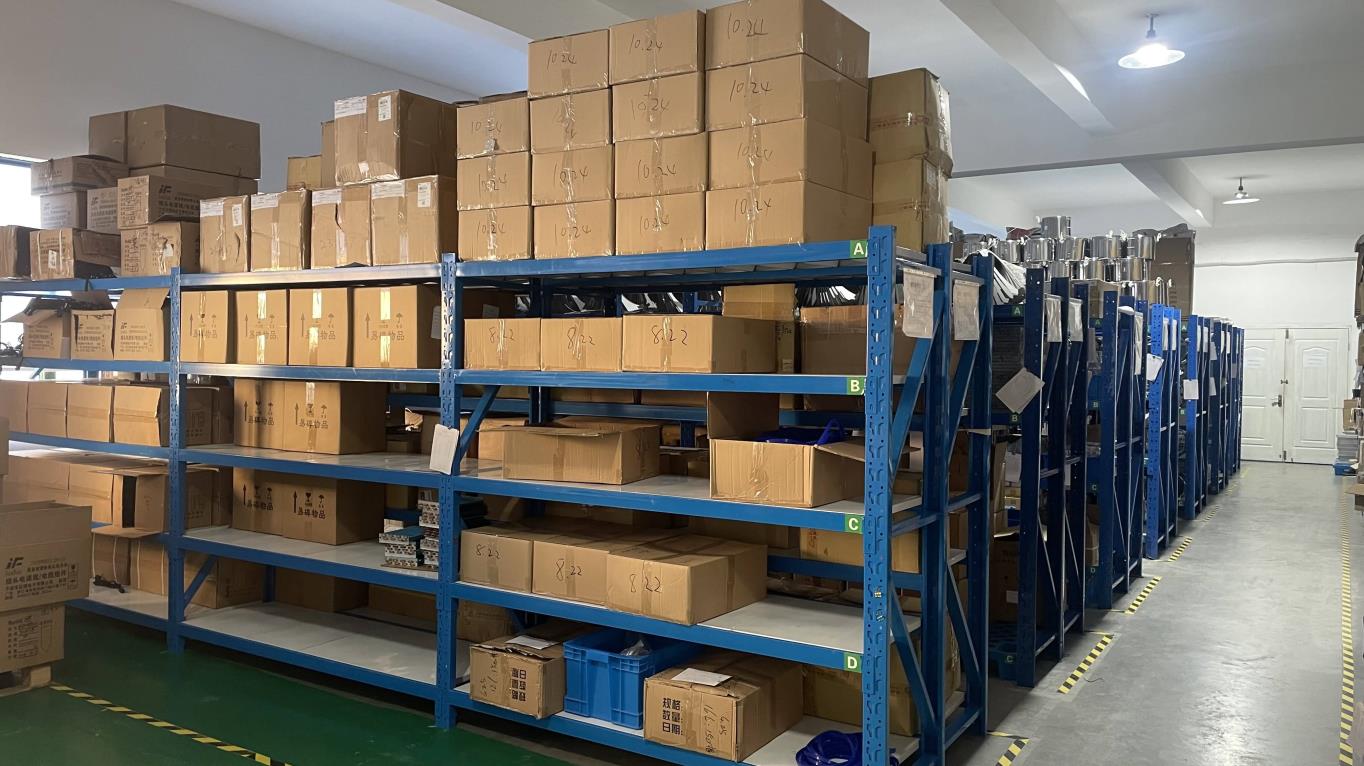
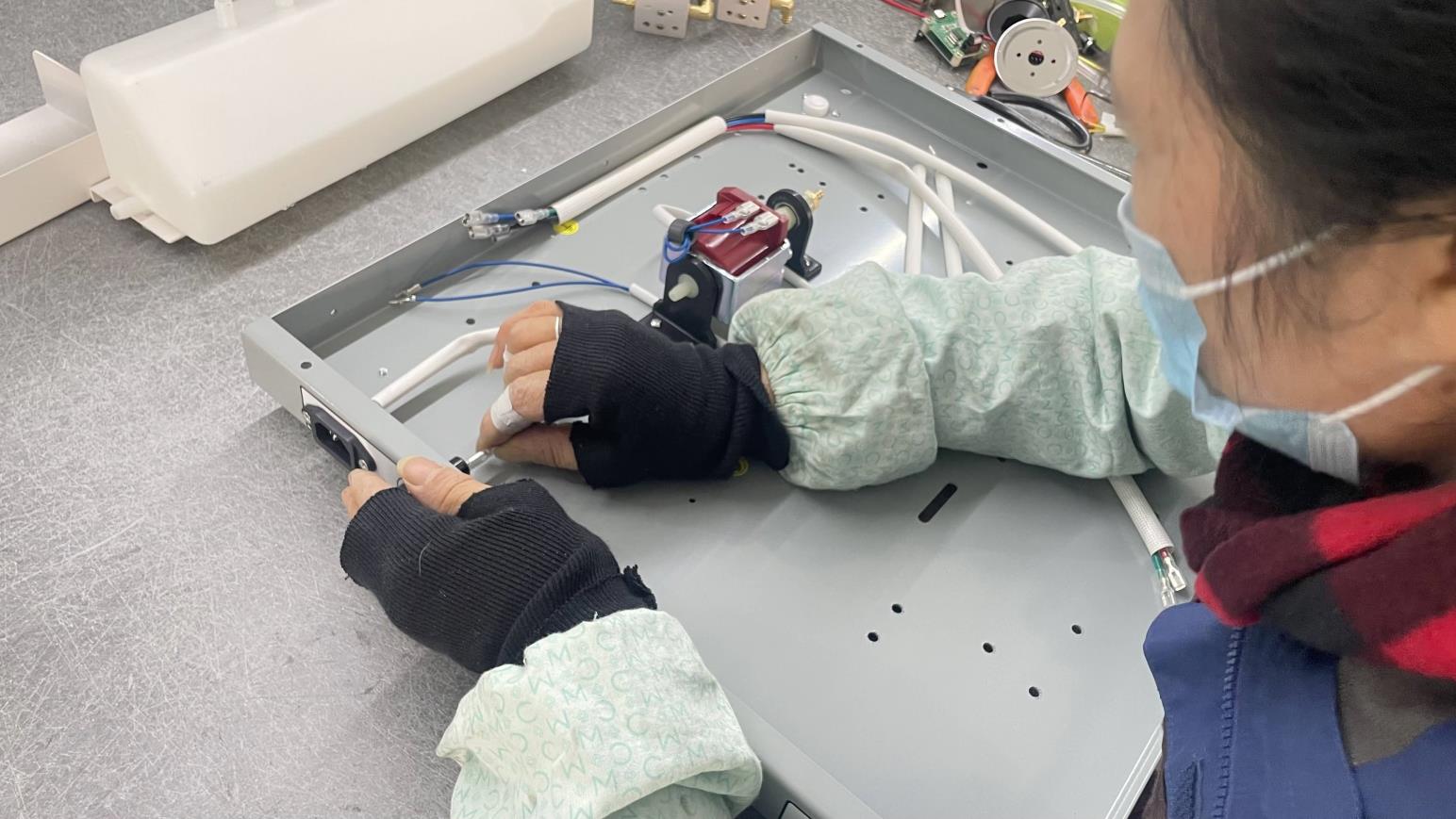
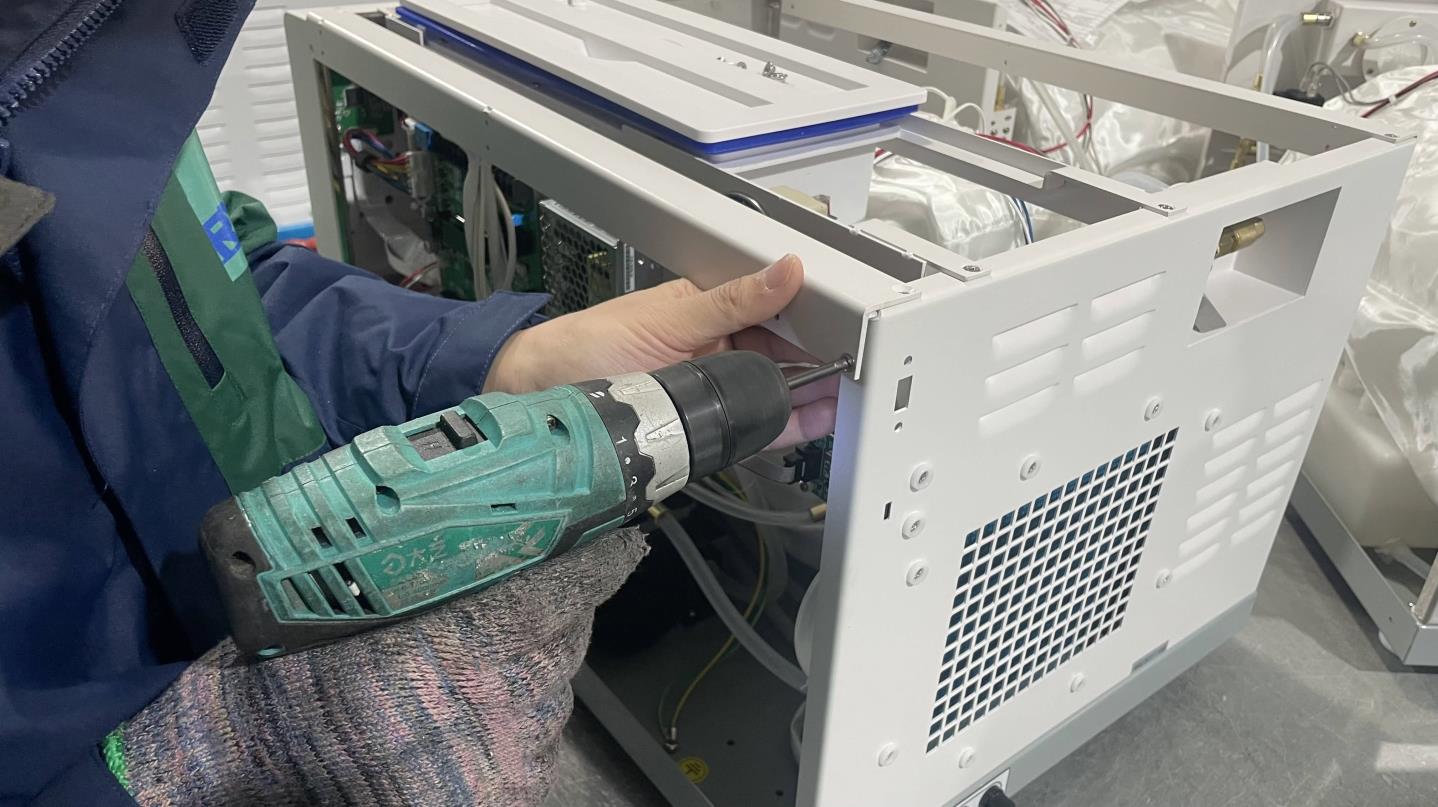
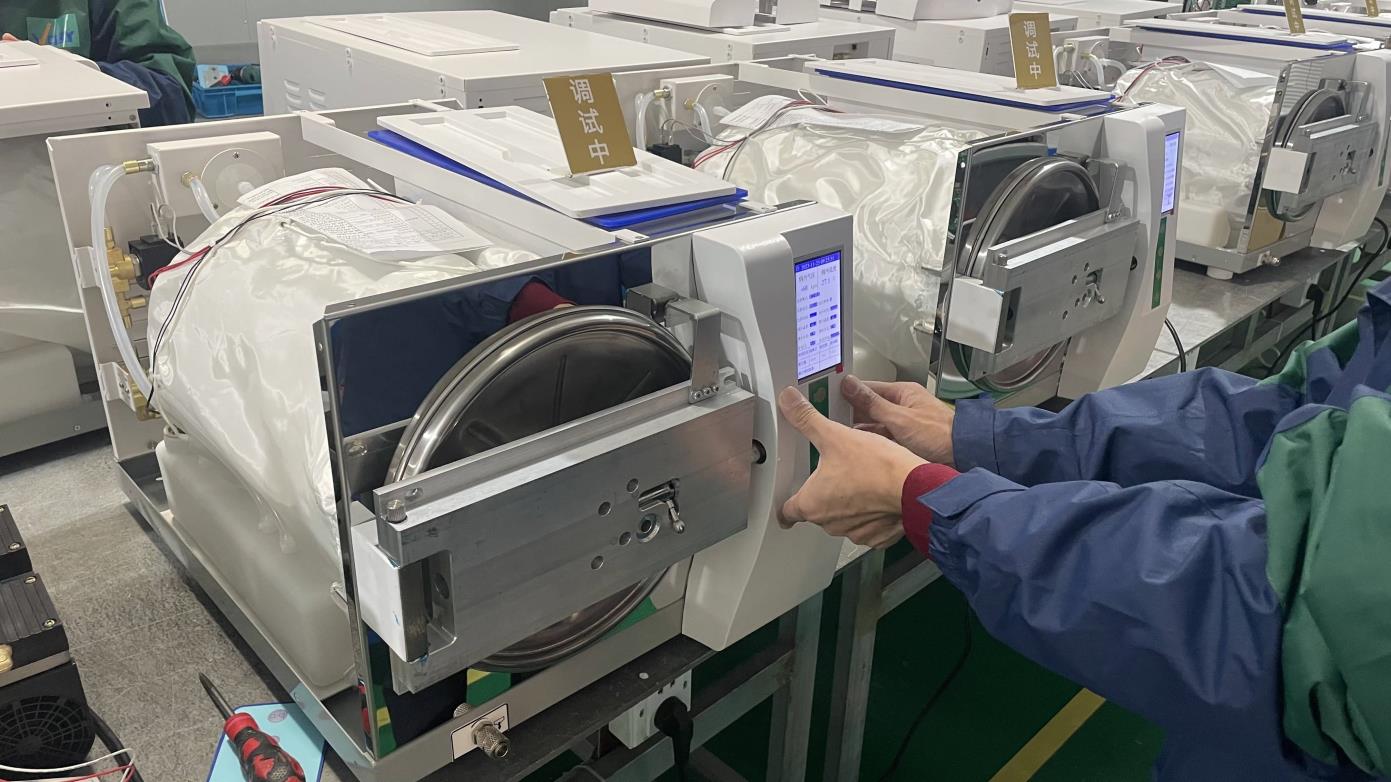
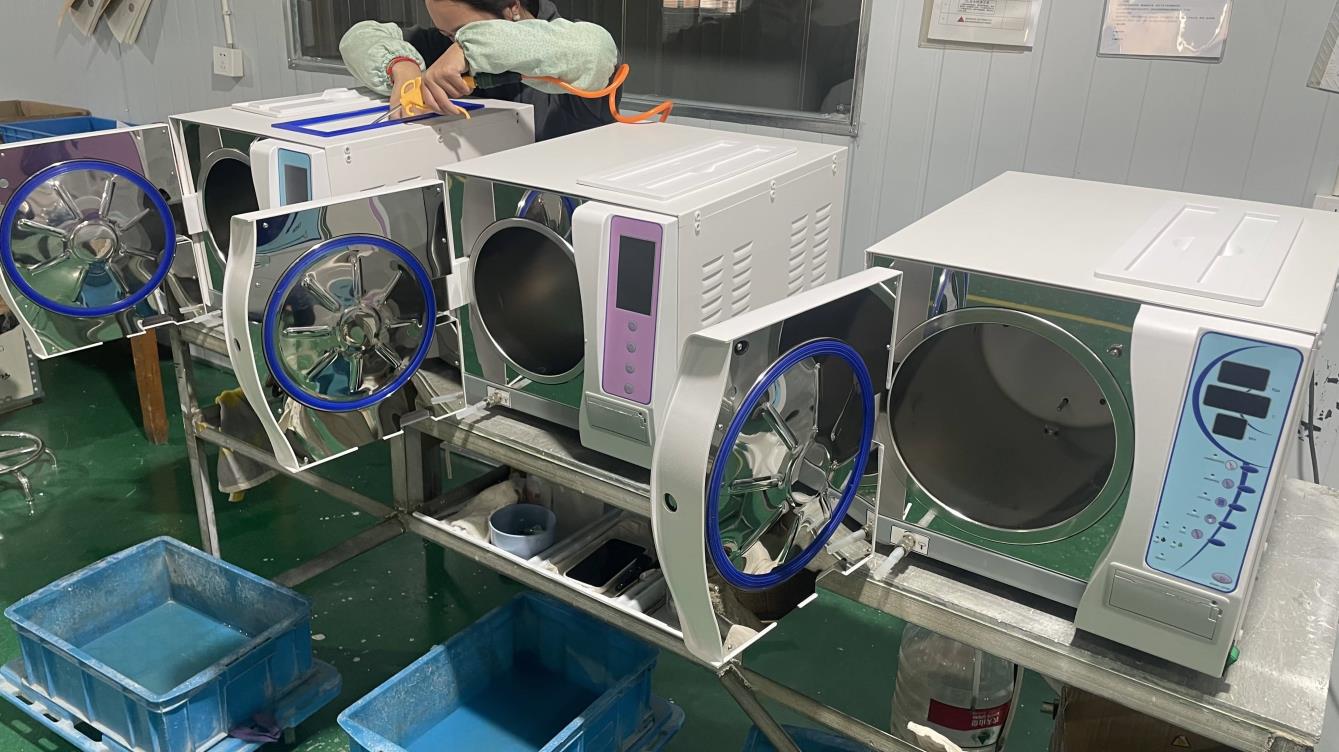
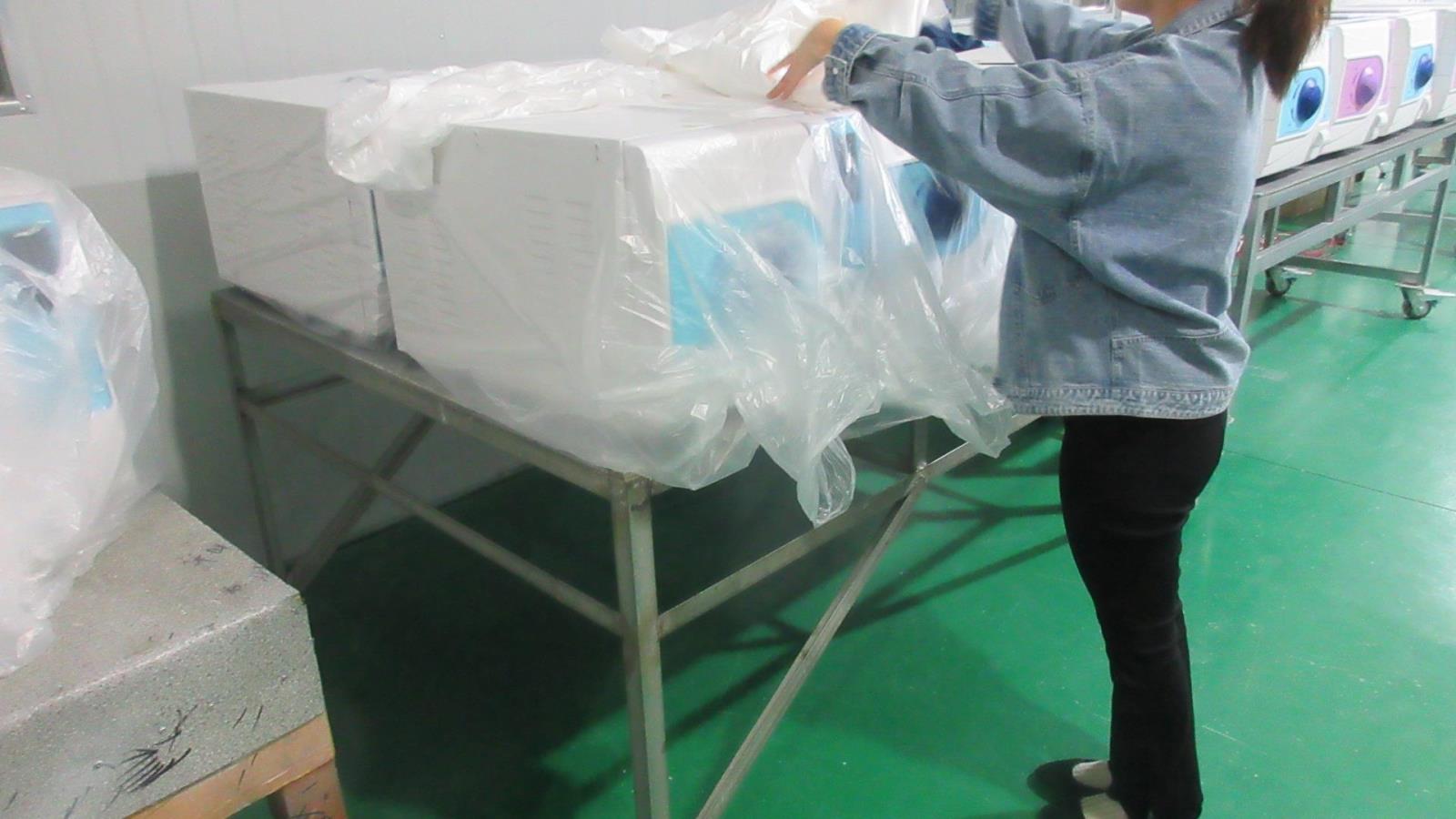
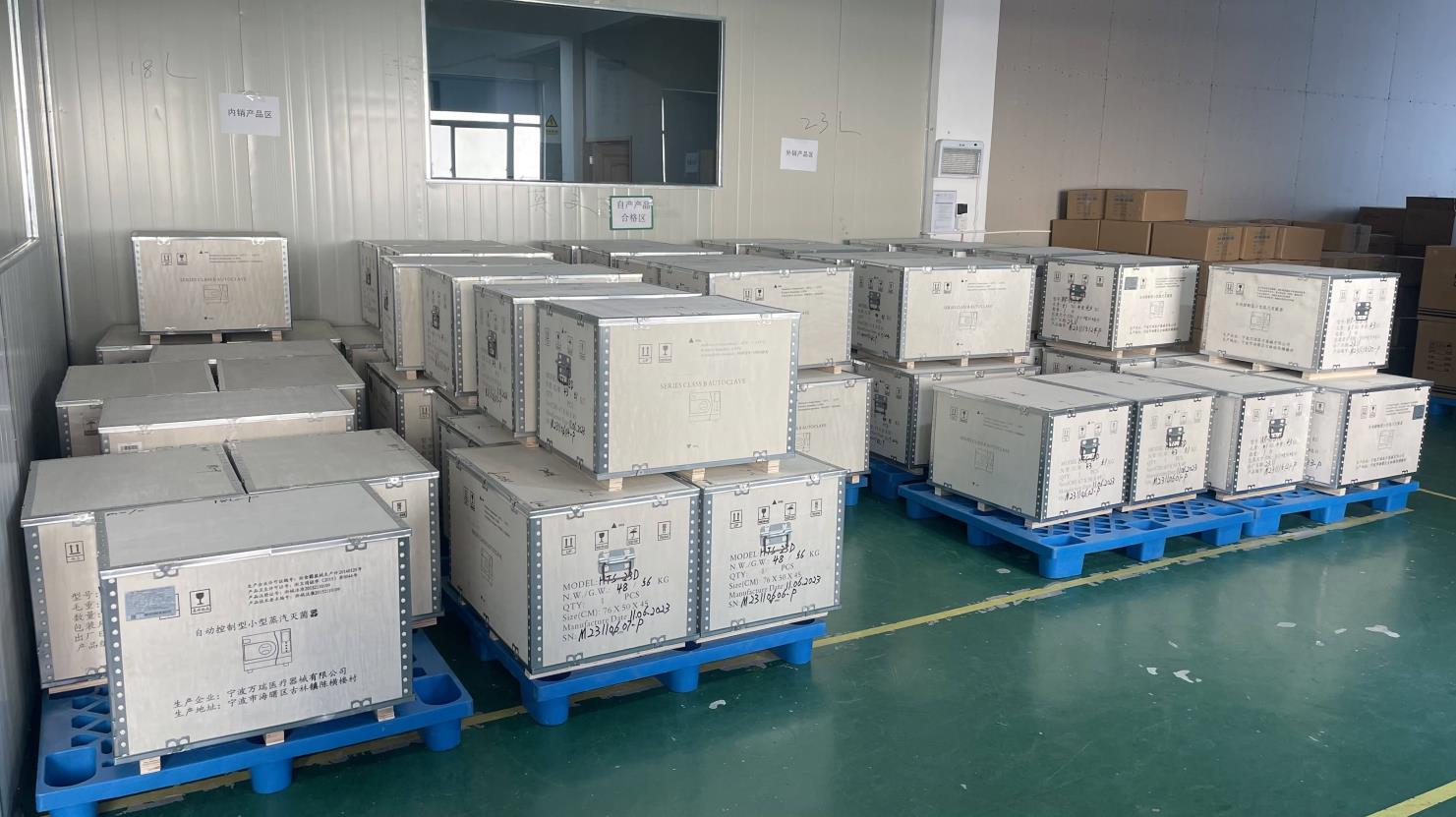
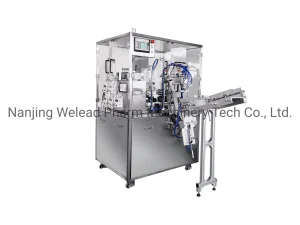
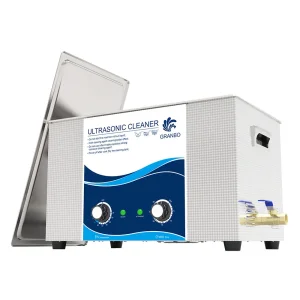
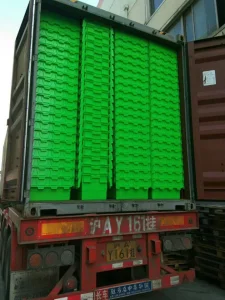
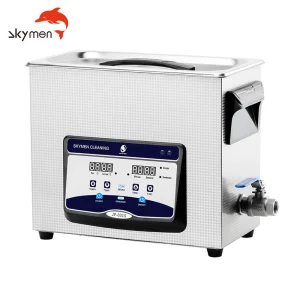
Through smart integration of local suppliers, raw materials are sourced and audited rapidly. By utilizing automated PCB assembly, ultrasonic decontamination chambers, and cleanrooms for chemical indicators, our production achieves class-leading defect-free rates. High manufacturing resilience allows us to accommodate rapid bulk scaling for regional emergency relief services and national training centers.
Procuring CPR manikins and emergency simulators involves evaluating the total cost of ownership (TCO) and regulatory safety factors.
Requires rugged simulators capable of withstanding extreme environmental training (heavy outdoor scenarios, rain, and drops) and rapid, automated validation of disinfection protocols.
Needs detailed learning analytics (QCPR) combined with multi-student telemetry systems to facilitate peer-to-peer assessment and large-scale classroom efficiency.
Favors high-durability, cost-efficient basic CPR trainers with integrated visual indicator lights that require minimal technical maintenance and setups.
Detailed guidance addressing key technical, compliance, and sterilization questions from procurement managers.
Ensuring total hygiene compliance and equipment longevity. These technical systems guarantee that training environments remain sterile and certified.
 Estetik Medical