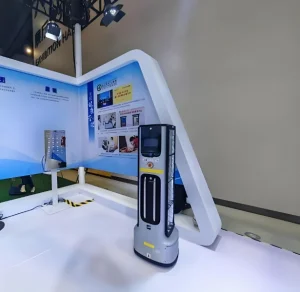
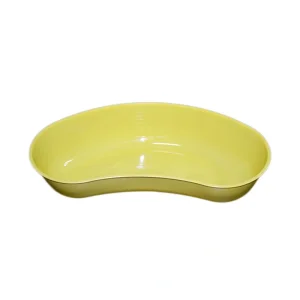
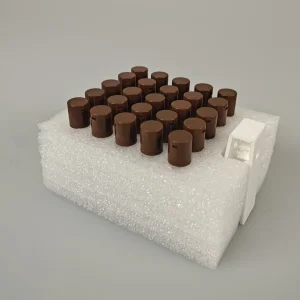
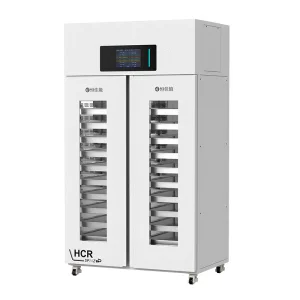
Sterilization validation tools, processing indicators, and laboratory cleaning instruments designed to support absolute sterile assurance.
Hubei Estetik Medical Co., Ltd. is a leading innovator and manufacturer in the medical and healthcare industry, specializing in high-quality disinfection systems, medical equipment, and infection control solutions. With our cutting-edge research and development centers, advanced manufacturing facilities, and strategically located warehouses and offices in key cities across China—including Hangzhou, Chengdu, Wuxue, and Wuhan—we are well-positioned to serve both domestic and international markets.
Our core mission revolves around addressing critical gaps in clinical workflows. By linking medical device design, custom manufacturing, and sterilization validation under one integrated platform, we guarantee that clinical teams can execute procedures with absolute confidence in device integrity and sterility.

Understanding the complex supply chain constraints, cost drivers, and clinical performance metrics that hospital buyers face today.
Managing costs while maintaining continuous inventory for surgical sutures and infection control systems. Hospitals require long shelf-life, zero-damage packaging, and clear sterilization indicators to optimize sterile processing departments.
Surgeons demand consistent tensile strength, minimal tissue drag, and secure knotting profiles. Whether for PGA, PDO, or non-absorbable silk, raw material purity is paramount to prevent knot slippage and tissue inflammation.
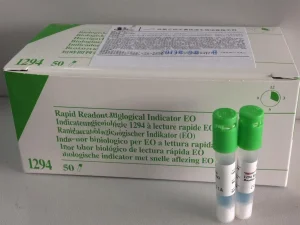
Import/export compliance relies heavily on traceability. From biological indicator monitoring of ETO chambers to traceable barcode integrations, suppliers must provide bulletproof data trails.
An in-depth breakdown of absorbable and non-absorbable polymers used in modern trauma management, plastic surgery, and general closure.
Absorbable sutures are designed to lose their tensile strength and undergo degradation via hydrolysis. The chemical formulation determines the absorption window:
For tissues requiring permanent support, non-absorbable sutures are deployed. Their chemical compositions resist enzymatic degradation:
Selecting the appropriate wound closure device involves balanced evaluation of:
Bridging mechanical engineering, microbiology, and AI-driven automation to develop next-generation medical devices.
Integrating triclosan and bioactive silver nanoparticles into the suture surface. This forms a zone of inhibition, preventing bacterial colonization and reducing SSI rates by up to 30% in high-risk abdominal procedures.
R&D focus on embedding nano-sensors inside surgical threads to track wound site parameters such as temperature, pH levels, and strain. Real-time feedback alerts clinicians to early-stage infection or suture failure.
Using optical machine-vision to scan needles and threads at the micron scale. Automated QA detects minute microscopic structural variances, micro-cracks in swage regions, and uneven coatings, ensuring 100% defect-free output.
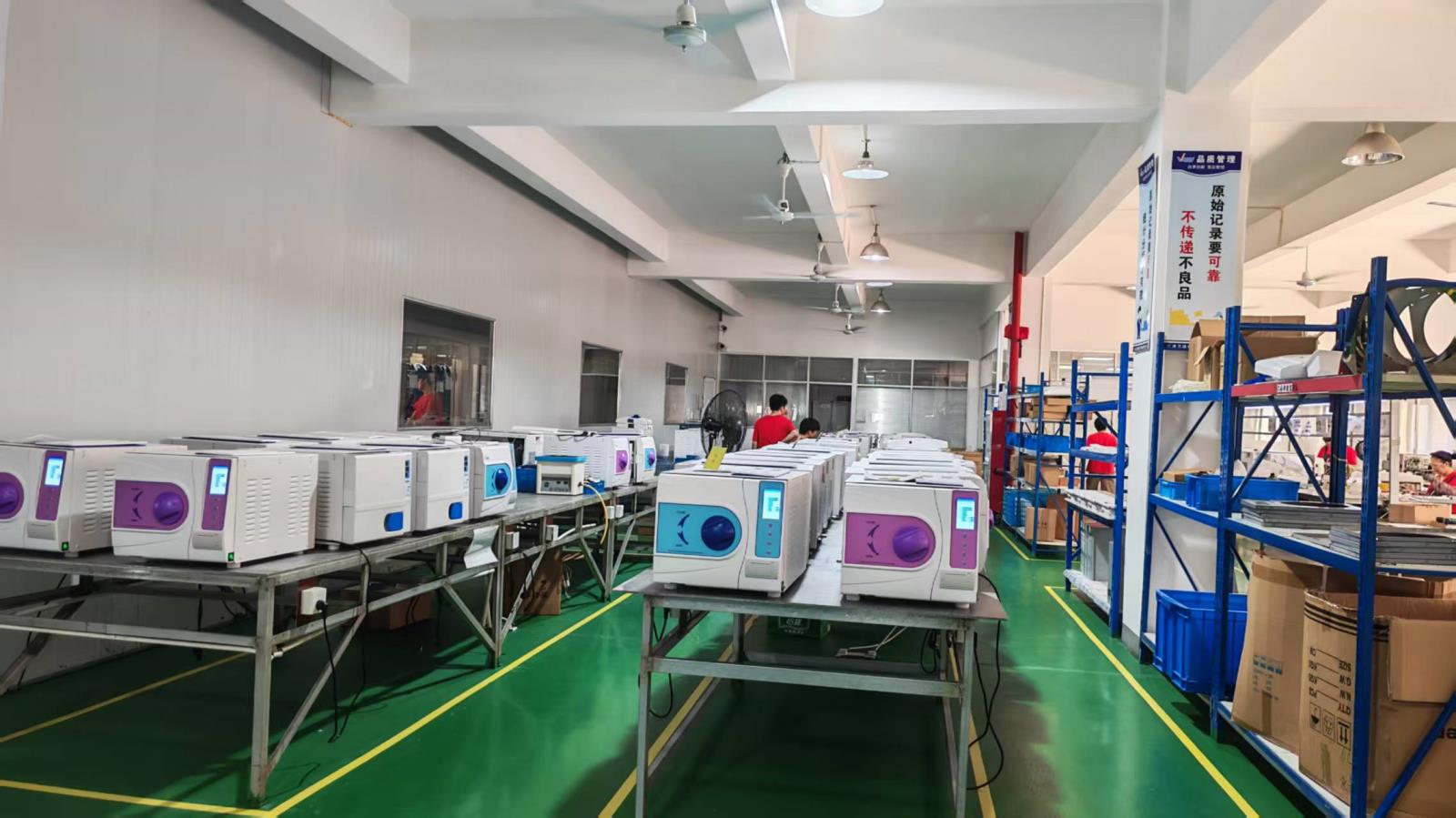
Take a visual tour through our production cycle. Every phase follows ISO 13485 regulations, guaranteeing optimal clinical safety.
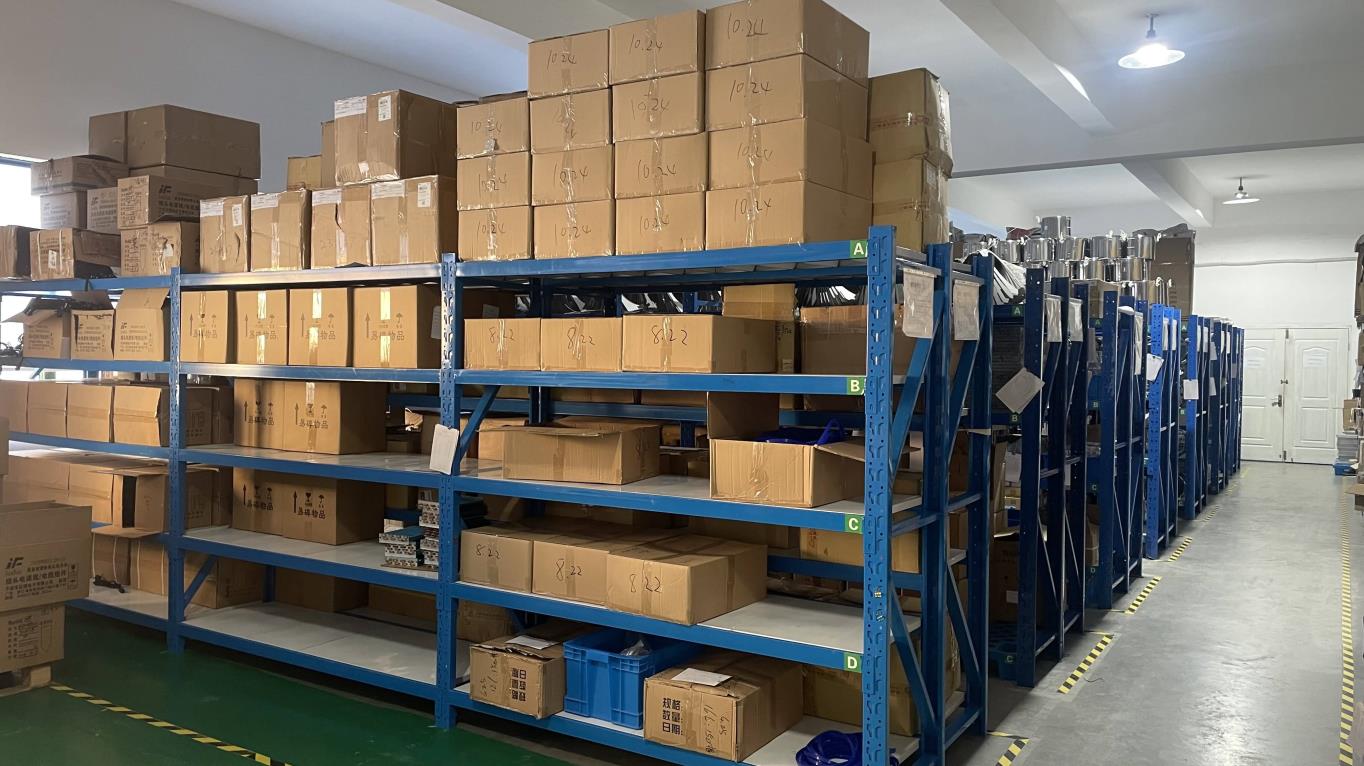
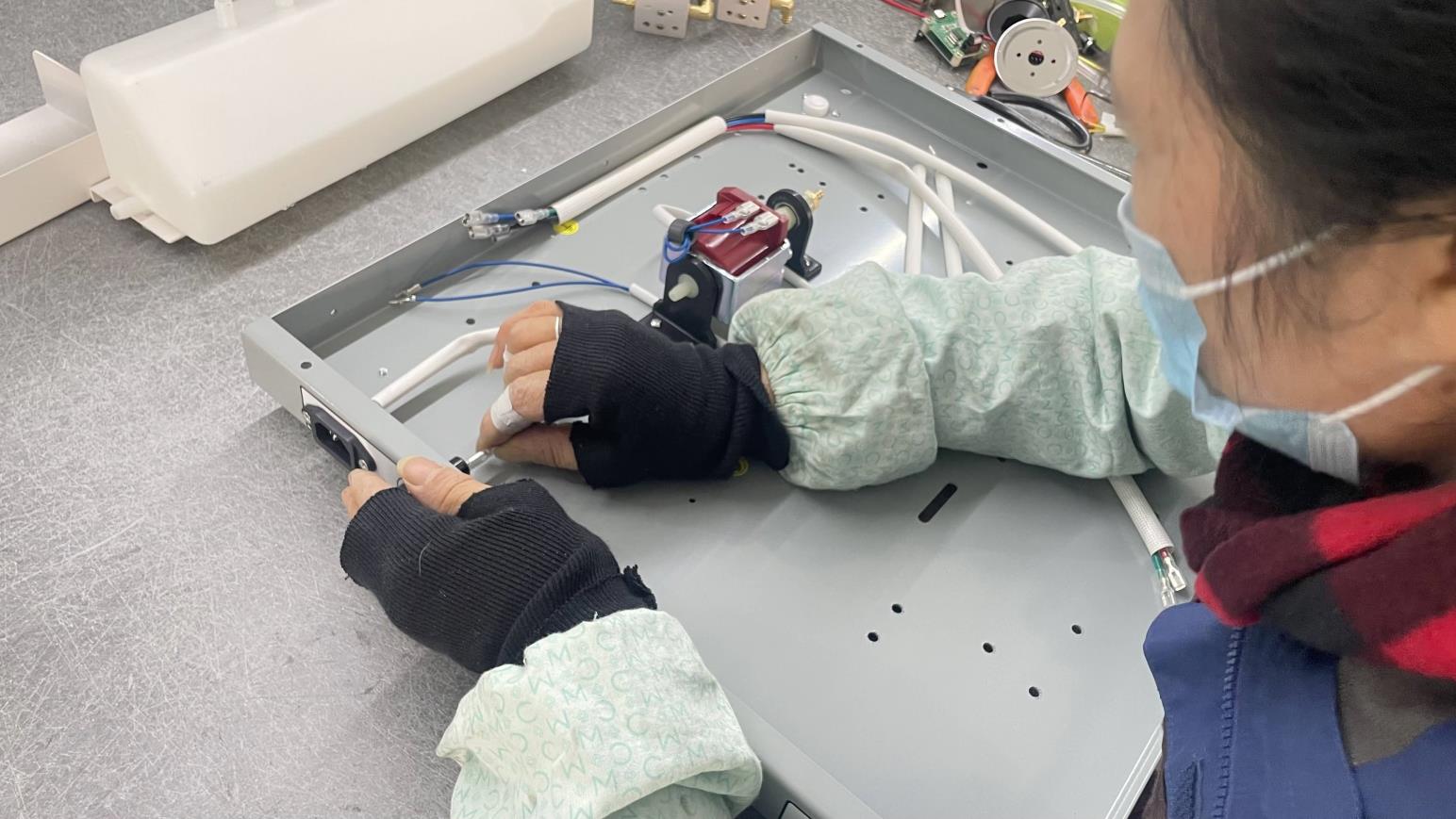
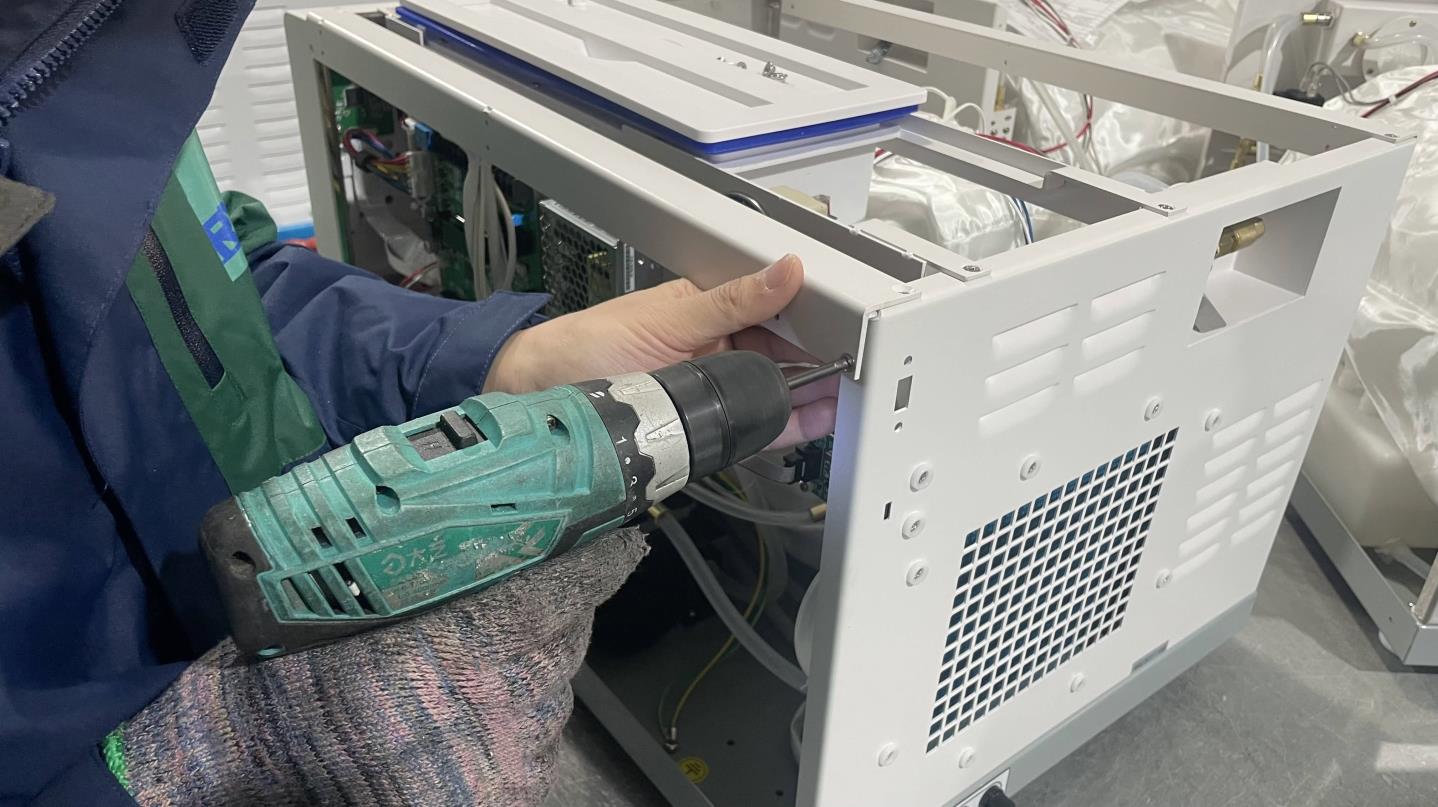
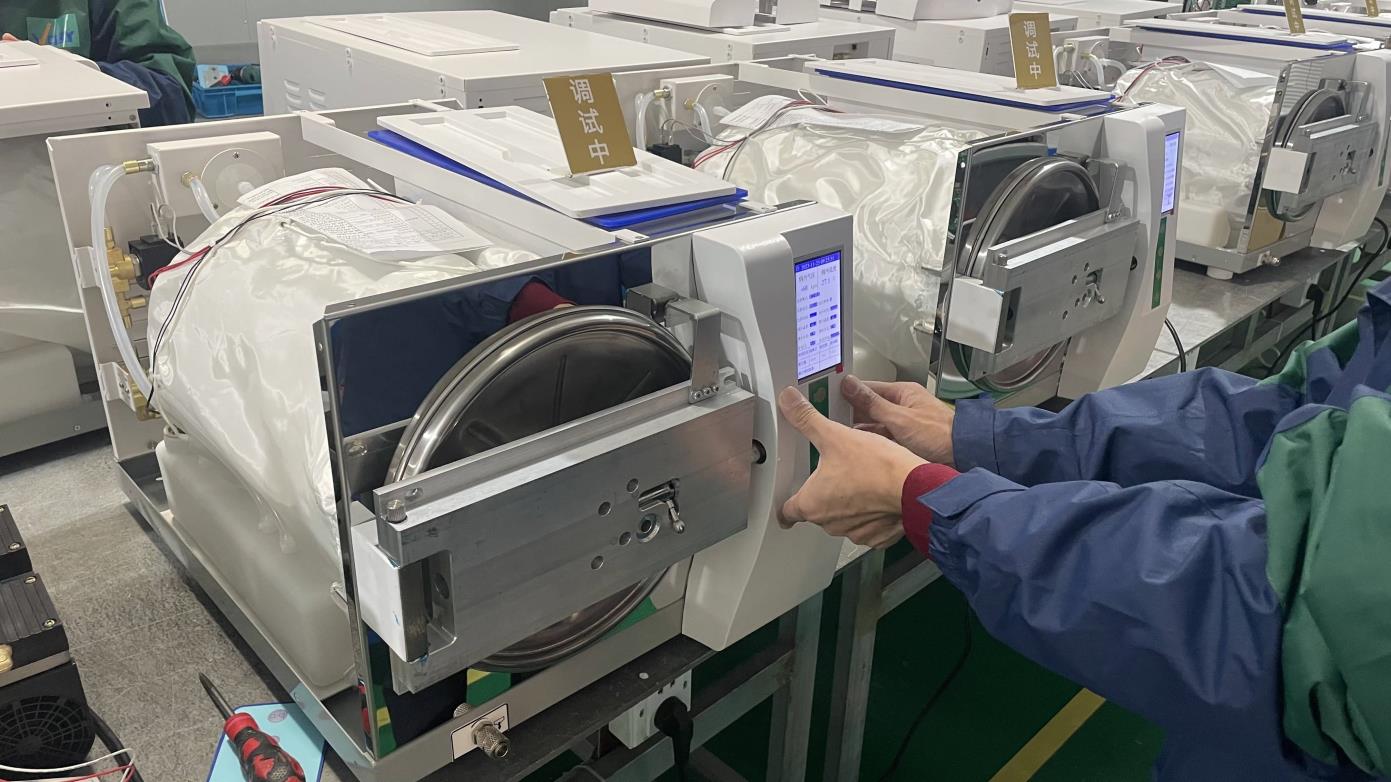
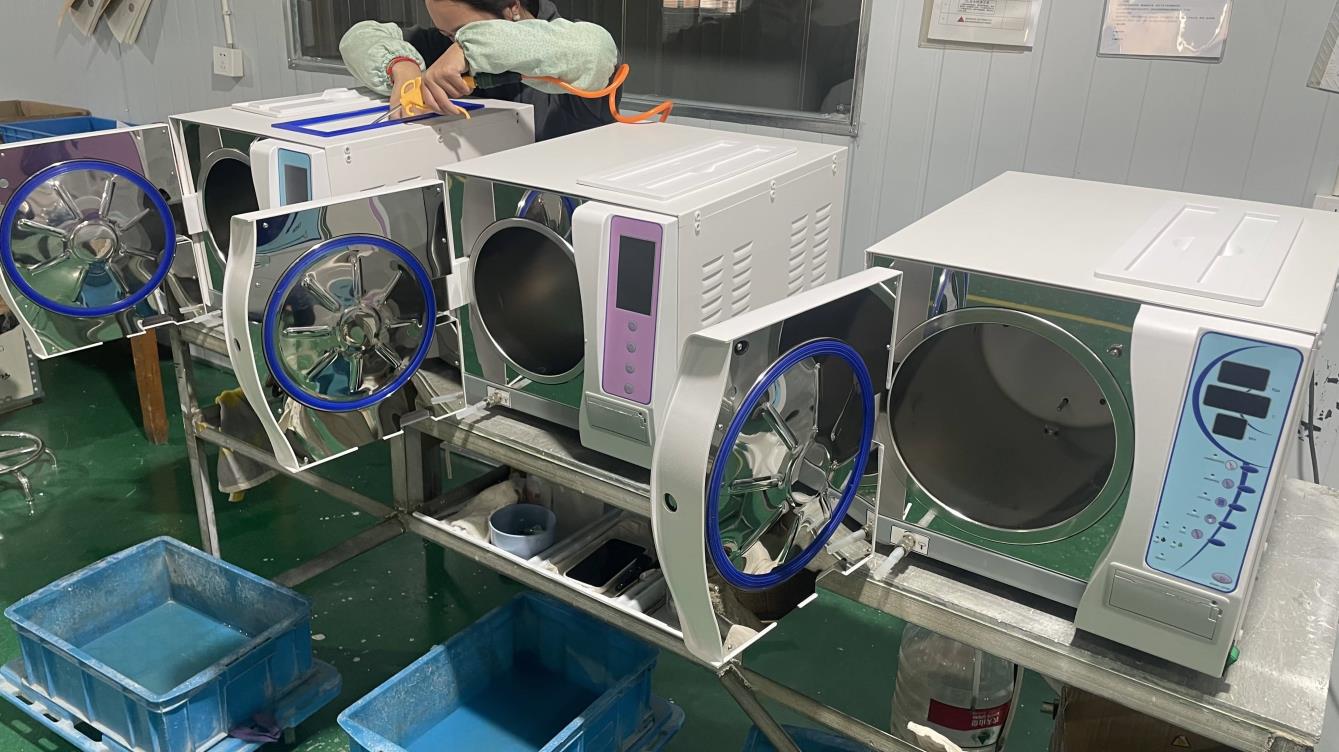
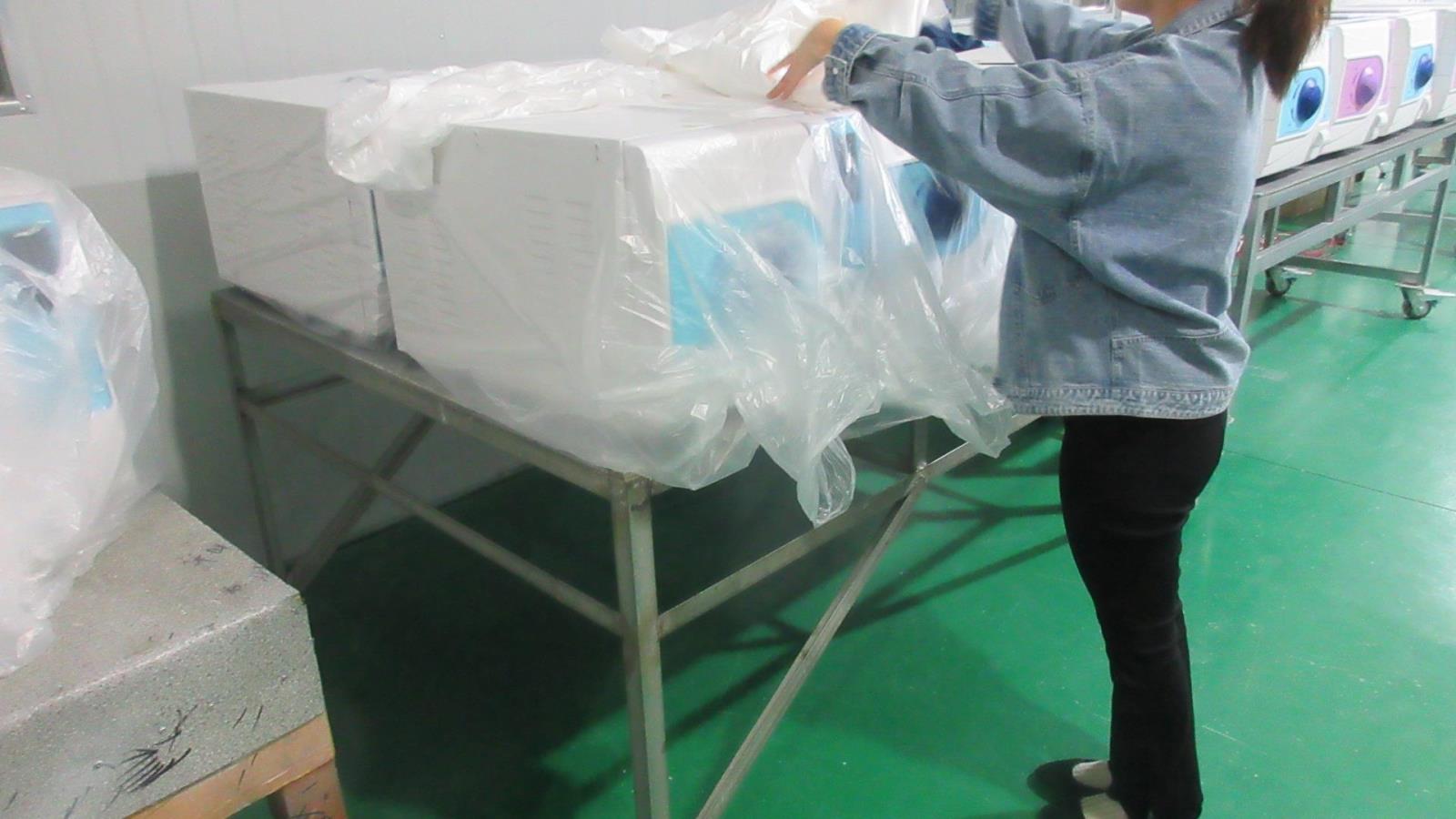
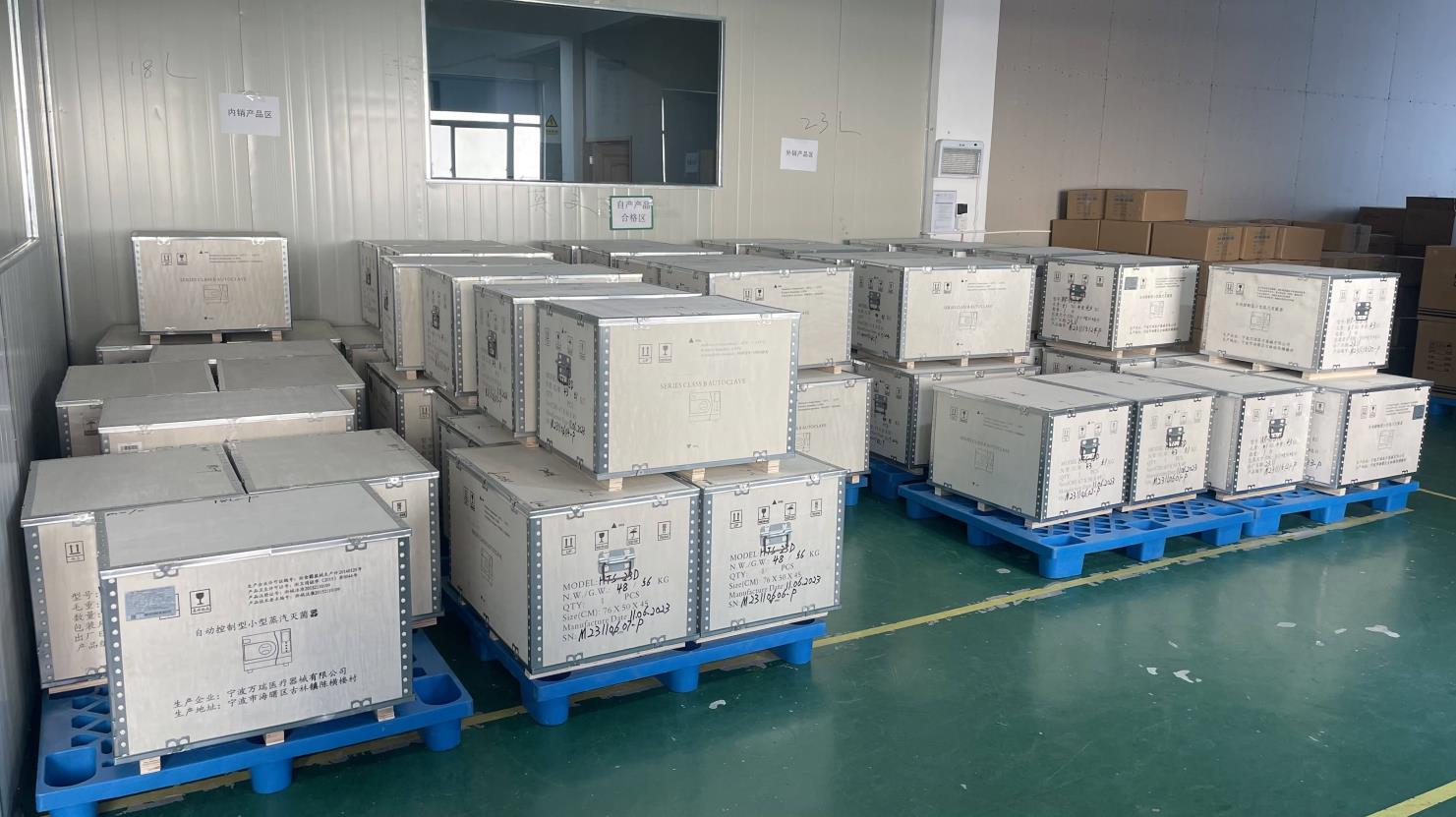
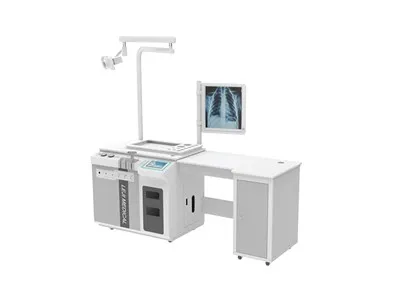
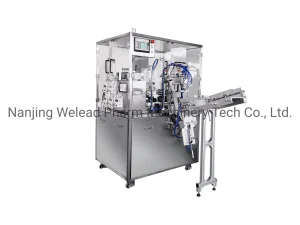
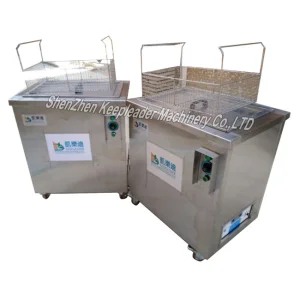
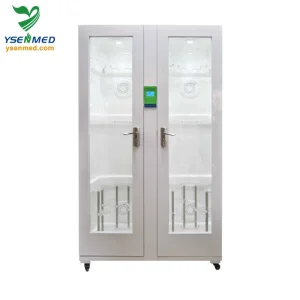
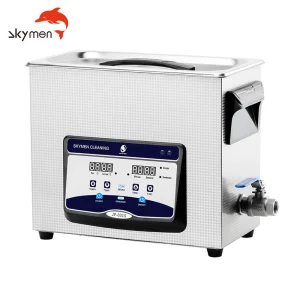
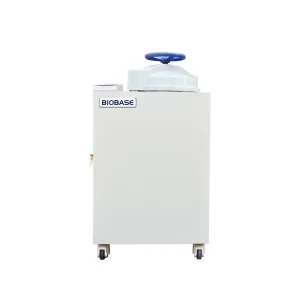
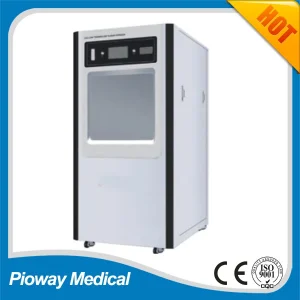
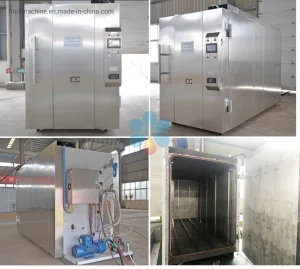
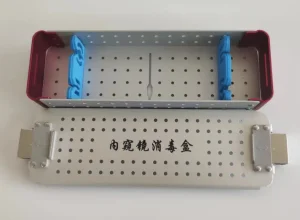
In addition to high-precision surgical closure materials, Hubei Estetik Medical delivers holistic cleanroom infection control equipment. A suture is only as safe as the sterilization processes it undergoes. Our extensive infection control product line includes:
Ensuring cross-border compliance, quick shipping, and technical product support across the globe.
All manufacturing plants run on ISO 13485 quality systems. Our biological indicators, indicators tapes, and sterilization equipment conform to CE and international regulatory benchmarks, ensuring seamless clearance in global customs ports.
We maintain dedicated warehouses for spare parts, biological indicators, and disinfectants. From initial product matching to post-delivery sterilization cycle troubleshooting, our engineering support stays active 24/7.
Operating from Hangzhou, Chengdu, Wuxue, and Wuhan, we leverage major transport routes. This decentralized warehousing guarantees steady shipping times and avoids international supply interruptions during demand peaks.
Key technical specifications, shelf life validation, and regulatory compliance answers for hospital sourcing directors.
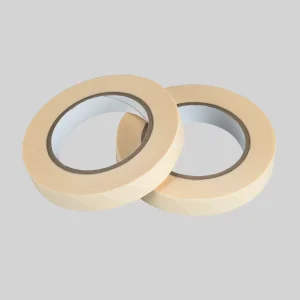
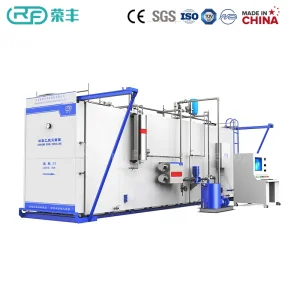
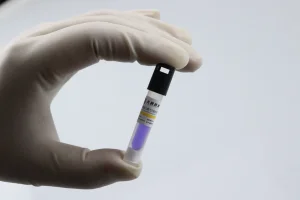
We utilize gas-phase Ethylene Oxide (EO/ETO) sterilization systems. The efficacy of every cycle is monitored and documented using our Steam & EO Biological Indicators. These indicators test for Geobacillus stearothermophilus or Bacillus atrophaeus, guaranteeing a Sterility Assurance Level (SAL) of 10⁻⁶. Detailed chemical indicator tape changes provide real-time sterile confirmation for hospital staff.
Under dry, sterile warehouse conditions, our packaging materials maintain sterile integrity for 3 to 5 years. Double-wrapped barrier pouches protect the products from humidity, microbial contamination, and physical punctures, ensuring long-term shelf-life stability.
Polyglycolic Acid (PGA) is a homopolymer of glycolide that offers high knot pull-tensile strength, making it ideal for abdominal wall closure and muscle adaptation. Polyglactin 910 (PGLA) is a copolymer (90% glycolide, 10% L-lactide) that provides smoother knot rundown and tissue drag properties due to its calcium stearate coating. PGLA degrades slightly faster and is preferred in delicate general and pediatric surgeries.
Our headquarters and warehouses are located in key logistics hubs in China (Wuhan, Hangzhou, Chengdu). Wuhan acts as a central rail and river freight hub, while Hangzhou provides direct access to deep-water sea terminals and international airports. This allows us to dispatch urgent container shipments within a fraction of standard lead times.
Yes, our production lines are built to conform with ISO 13485 standards. We conduct regular environmental particle-count monitoring, biological audits, and validation checks. This rigorous tracking minimizes bioburden levels before products enter final sterilization chambers.
Explore our full line of physical indicators, hydrogen peroxide sterilizers, endoscope cabinets, and clinical plastic disposables.
 Estetik Medical