Product Description
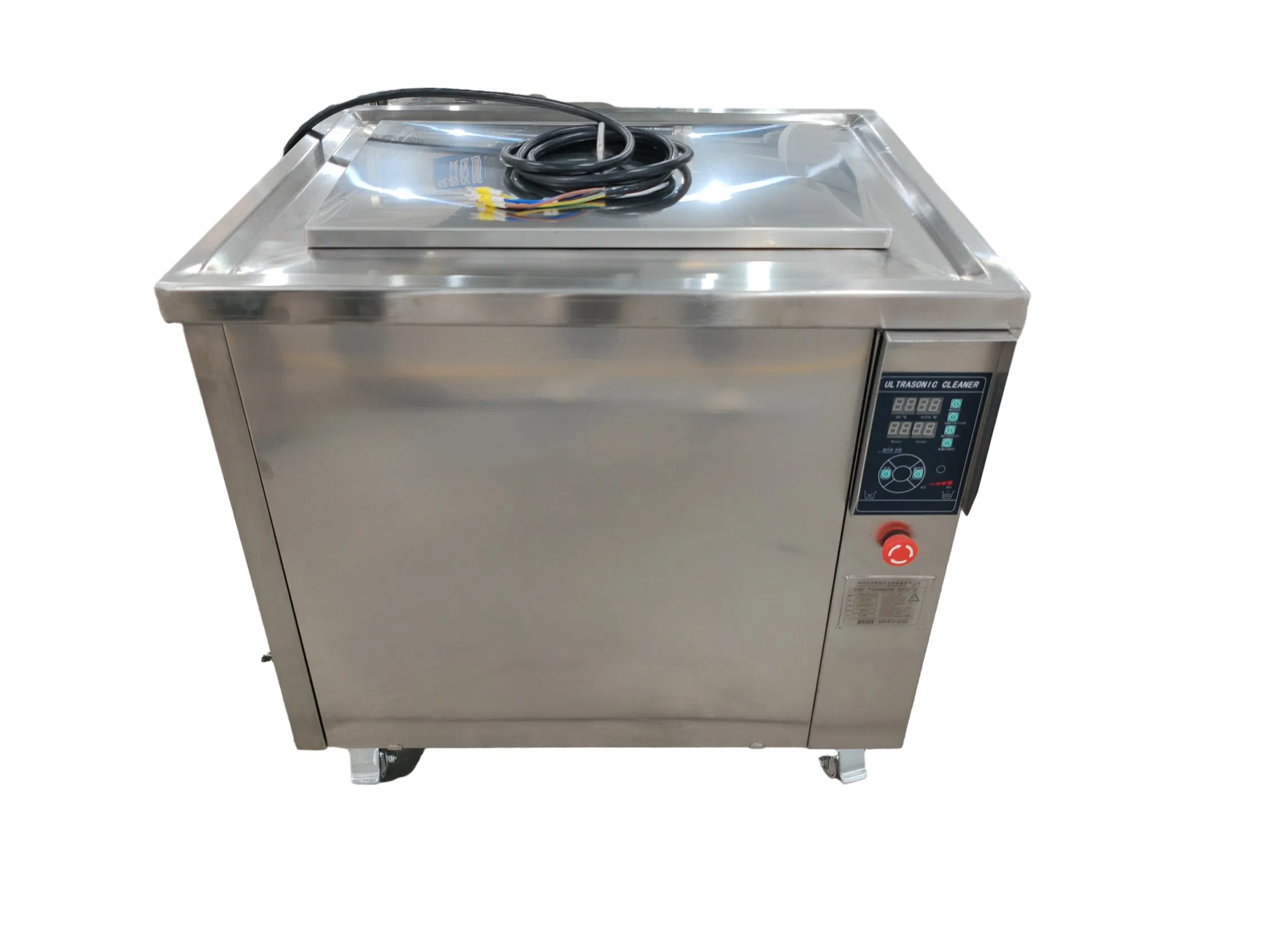
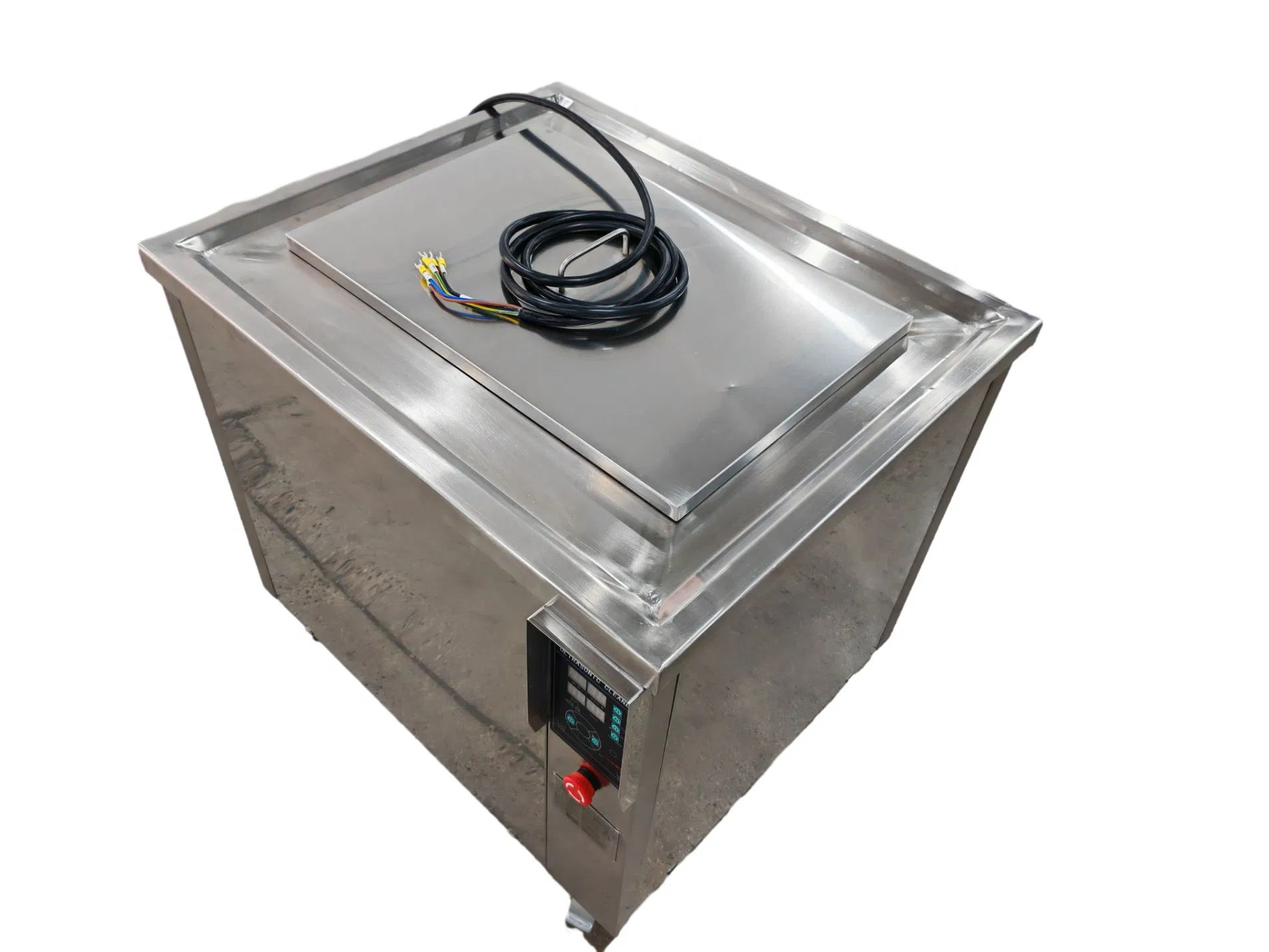
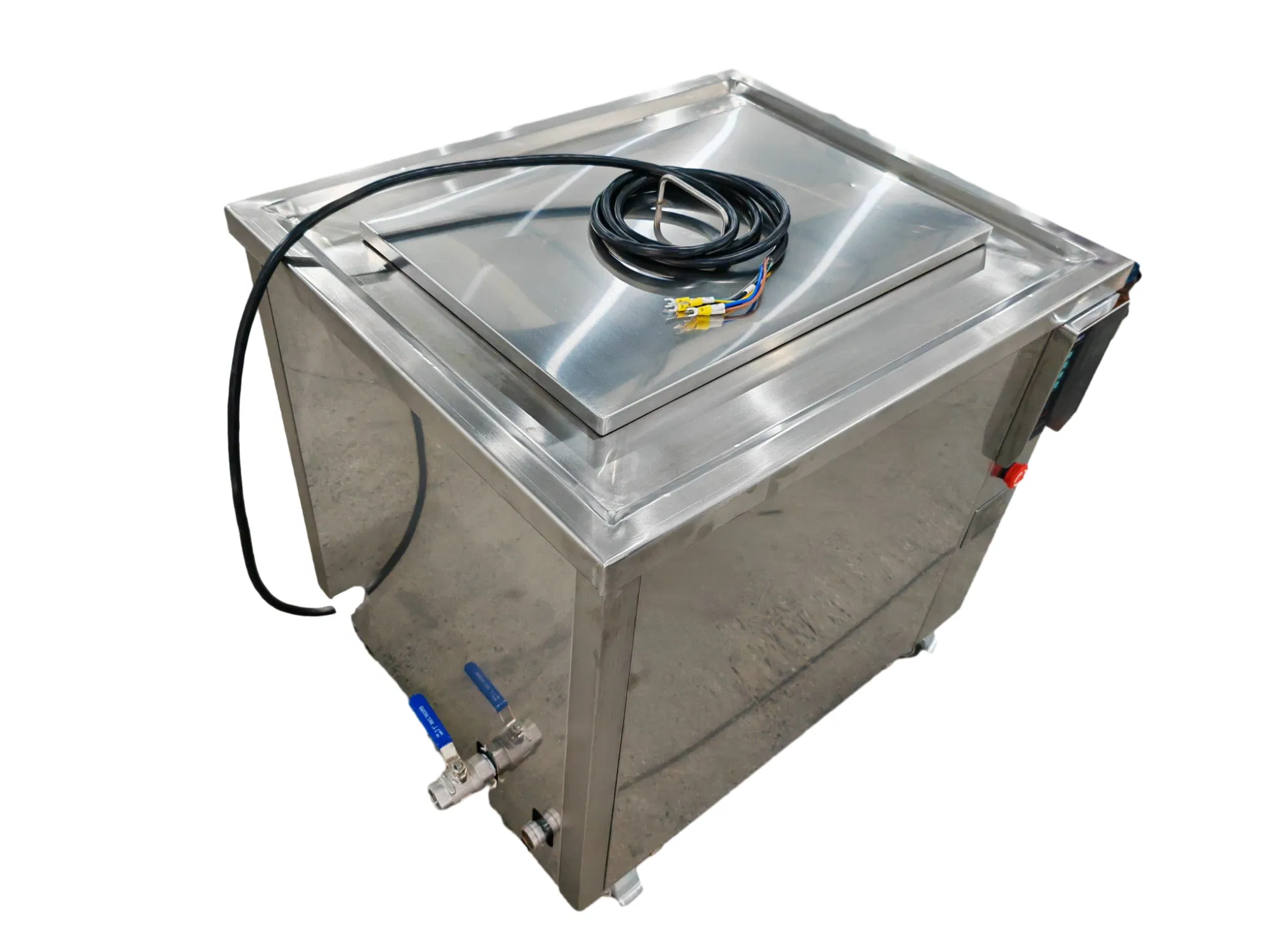
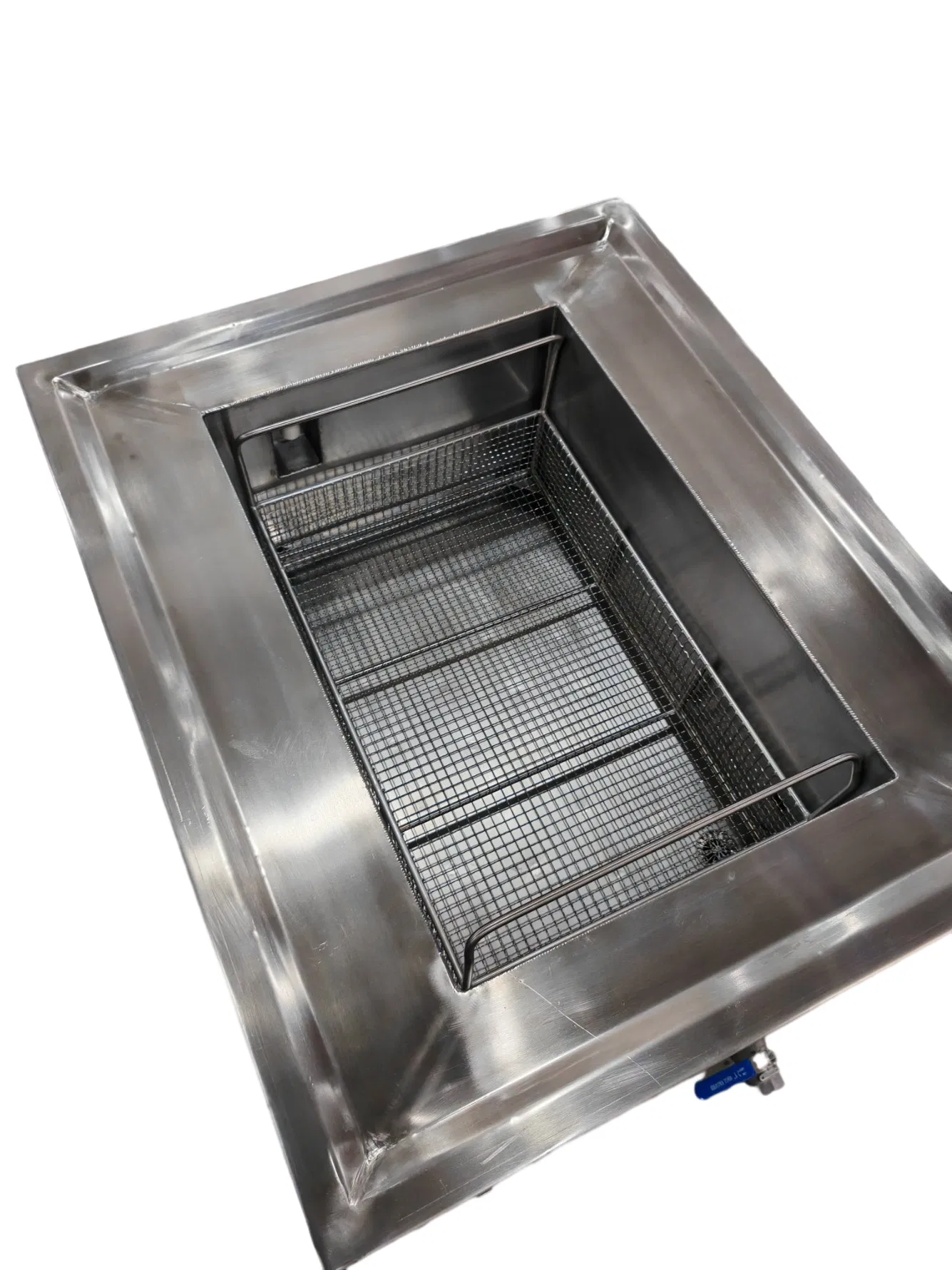
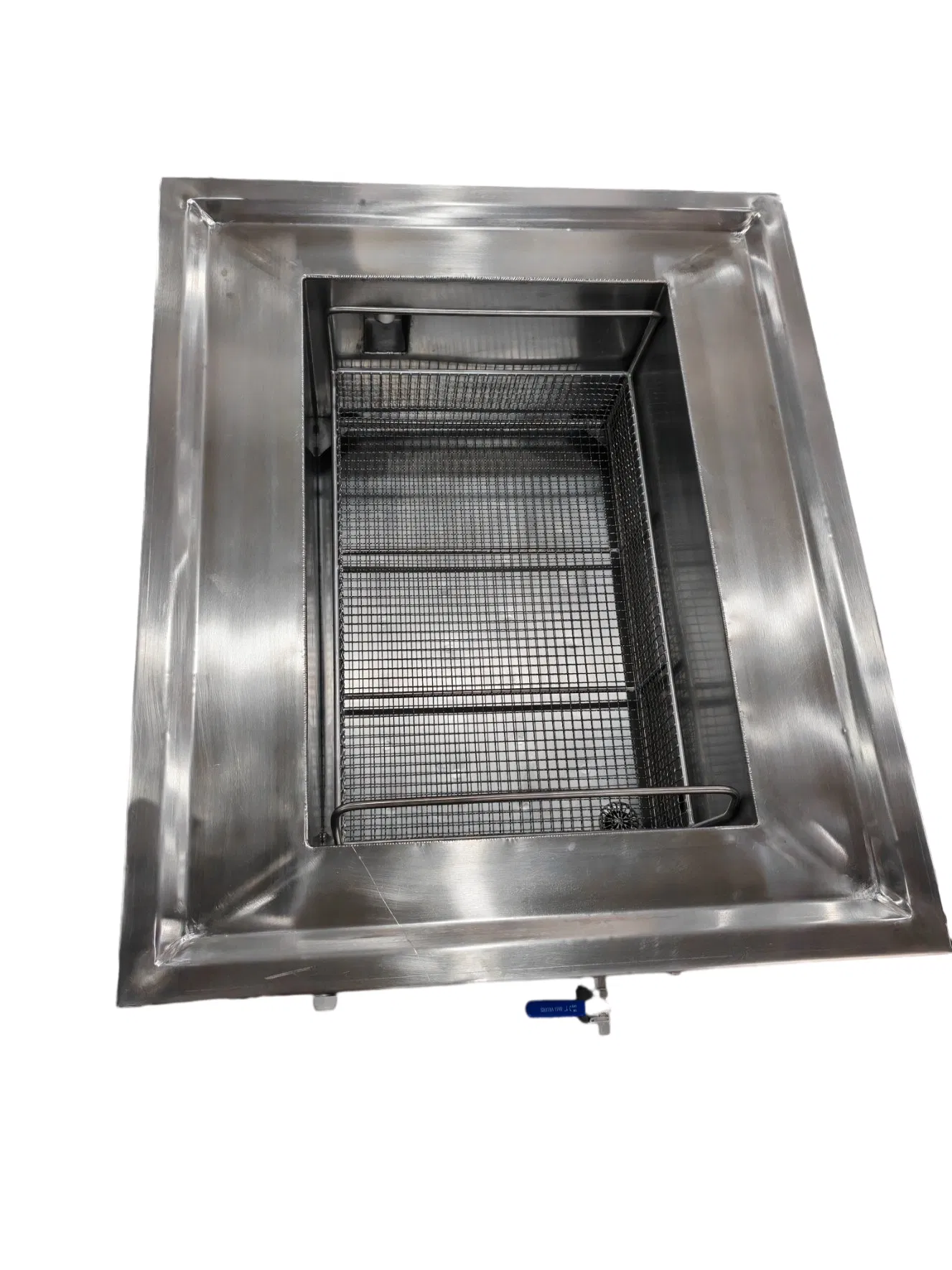
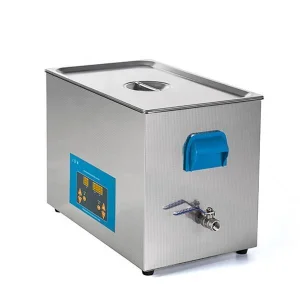
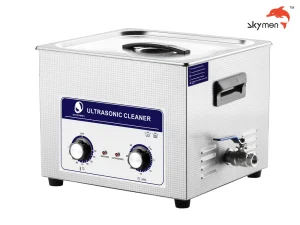
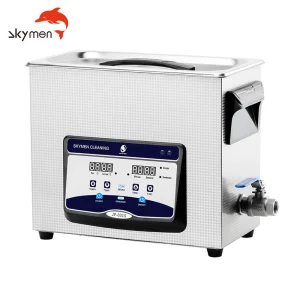
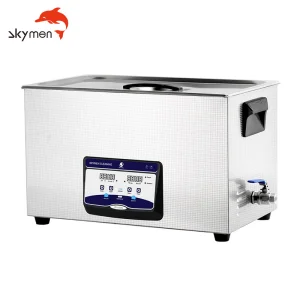
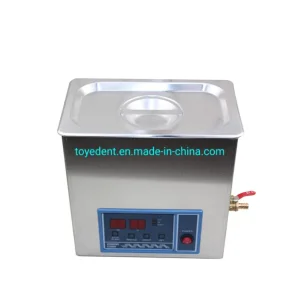
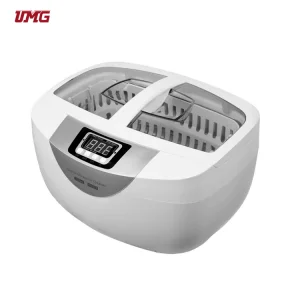
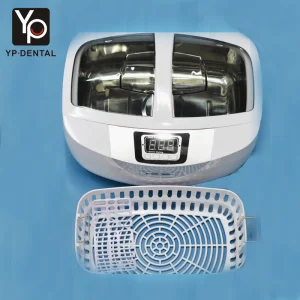
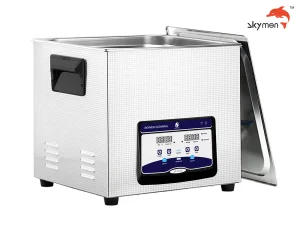
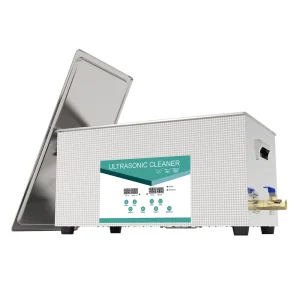
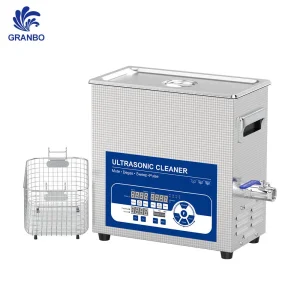
A laboratory ultrasonic cleaner, also known as a lab ultrasonic bath, is a versatile piece of equipment used for precision cleaning in scientific and research environments. This technology employs high-frequency sound waves transmitted through a cleaning solution to efficiently remove contaminants from various lab equipment, such as glassware, metal instruments, and delicate components.
- Thorough Cleaning: The ultrasonic waves create millions of microscopic bubbles that implode, producing high-energy jets that reach intricate areas hard to access manually.
- Preventing Damage: Gentle on delicate lab equipment compared to harsh scrubbing, ensuring thorough cleaning without damage.
- Time and Labor Efficient: Significantly reduces cleaning time and effort, ideal for busy laboratory settings.
- Versatility: Handles various contaminants including oils, dust, dirt, and residues.
- Environmentally Friendly: Requires less chemical usage, making it more sustainable.
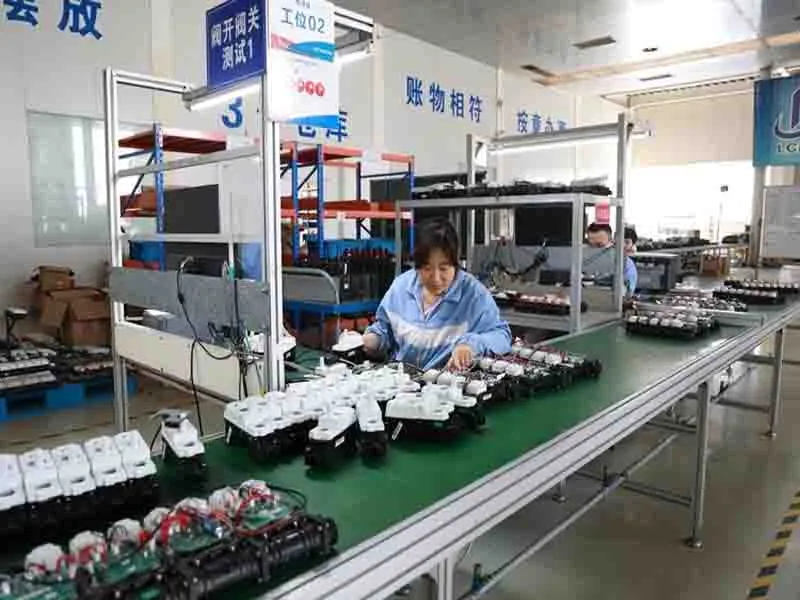
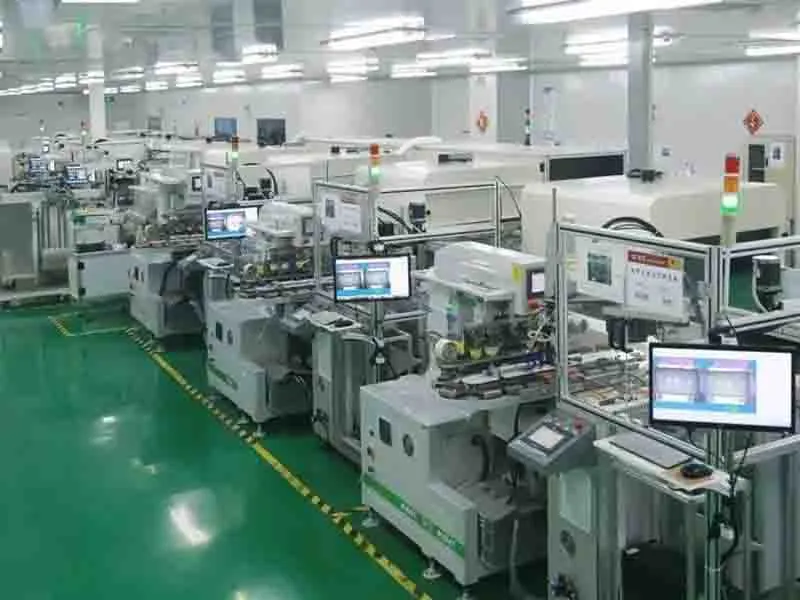
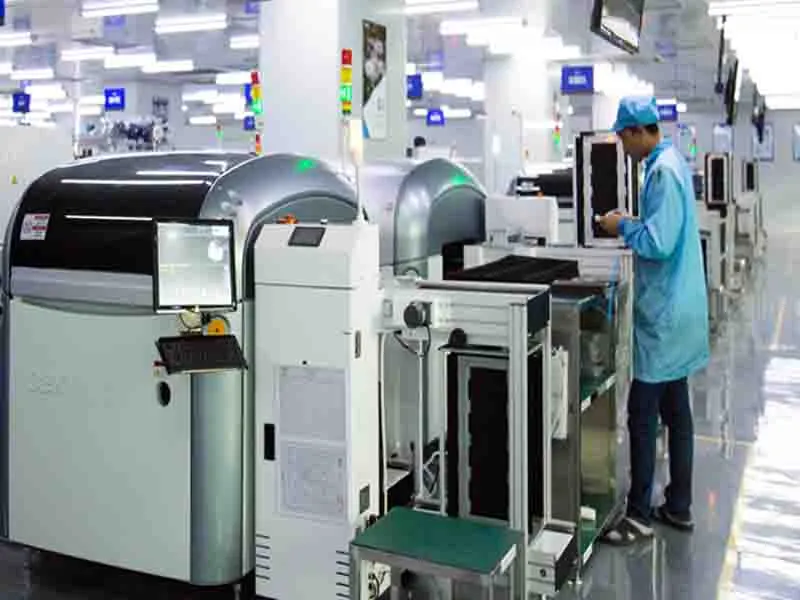
Production Workshop
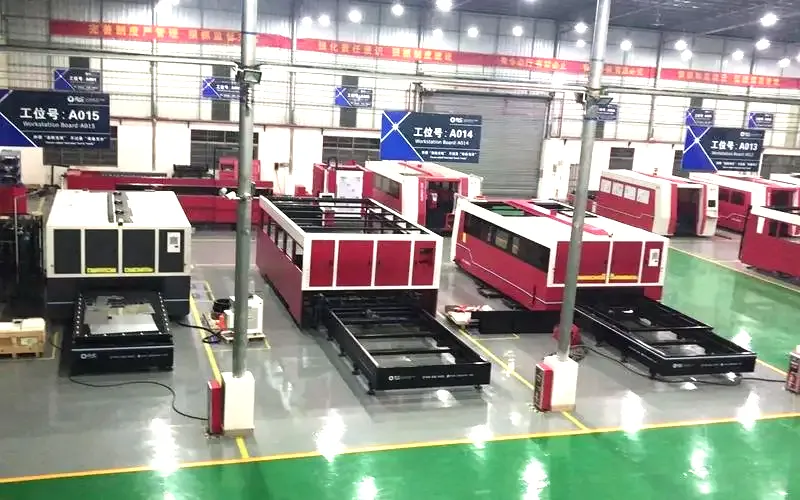
1. Laser Blanking Process
House made by steel or stainless steel 316. We utilize 15 laser cutting machines in our blanking workshop. Full ISO13485 compliance ensures raw material traceability.
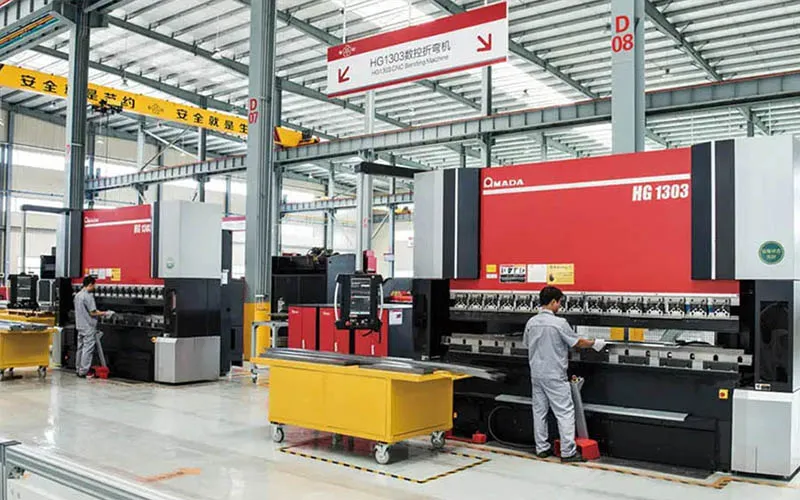
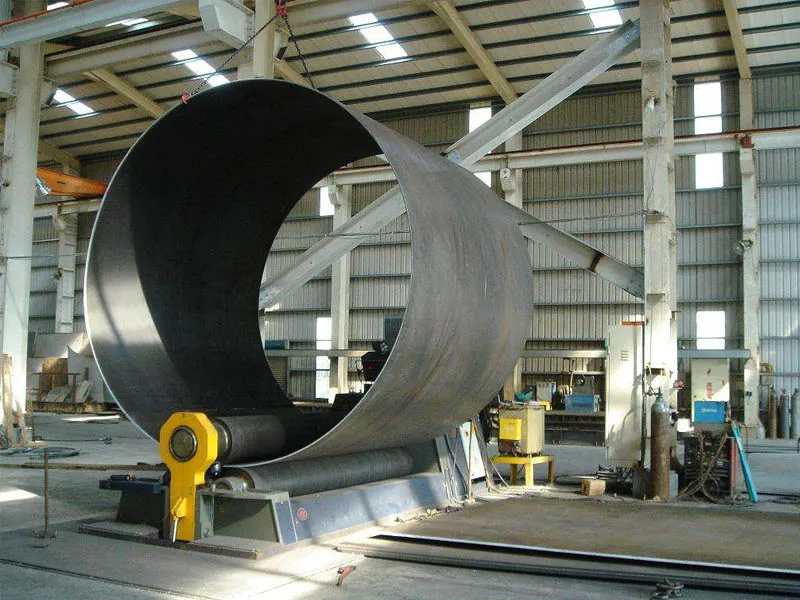
2. Bending Process
Press brake machines provide efficient sheet metal bending. Stainless Steel provides strength and resistance to corrosion, handled carefully to manage spring back.
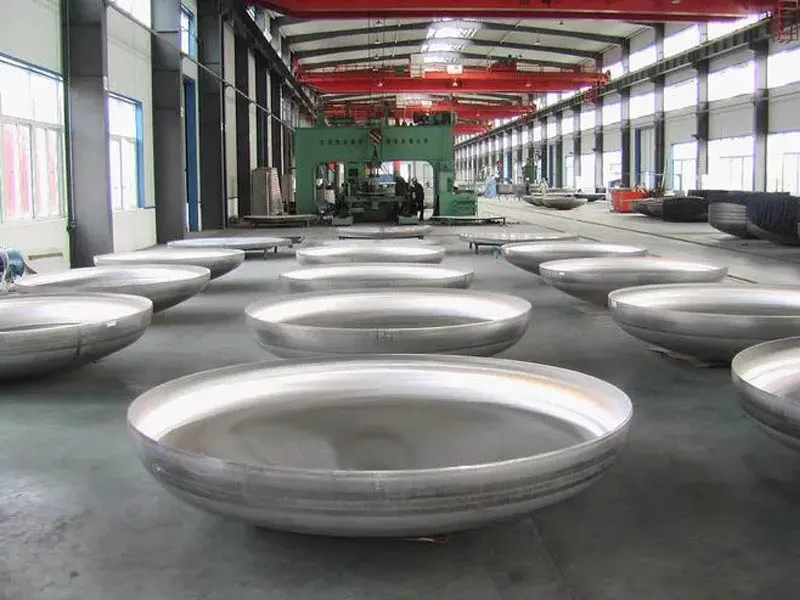
3. Metal Stamping
Progressive die metal stamping for precision spare metal parts used in lab ultrasonic machines.
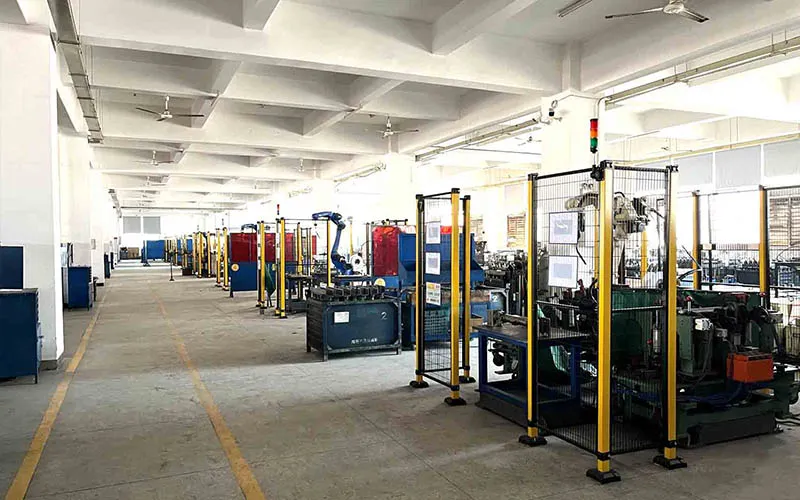
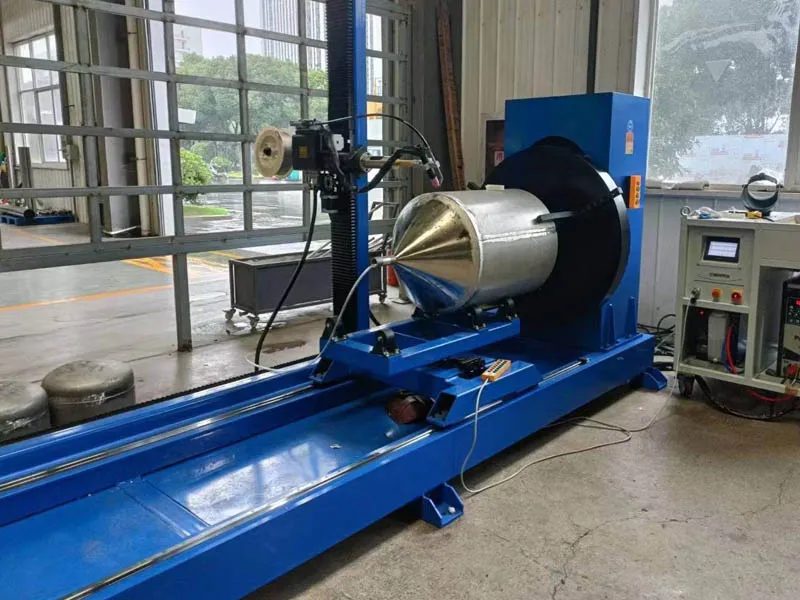
4. Welding Robot Station
To improve capacity and quality, 23 welding robots (500A) are used instead of manual labor. Work station size: 2000*1500mm.
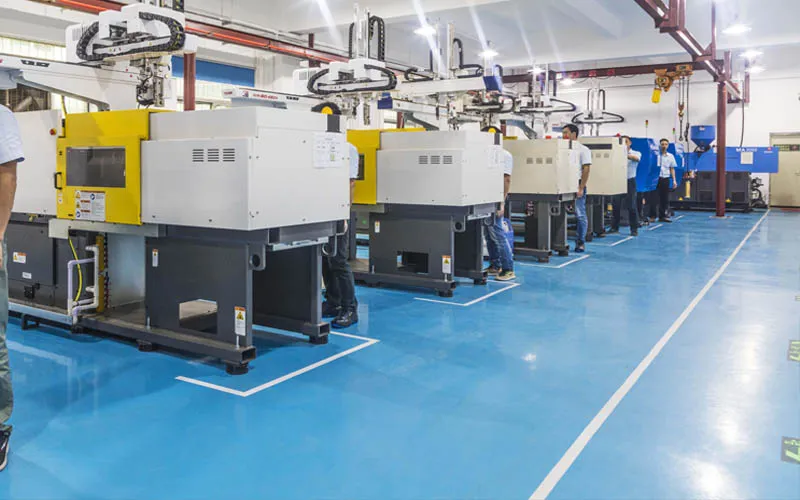
5. Plastic Injection
10 sets of plastic injection machines with up to 1000T capacity for specialized plastic components.
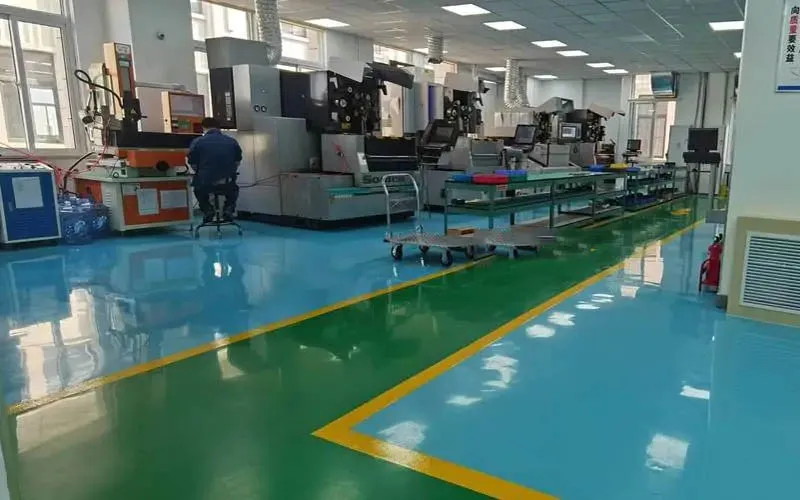
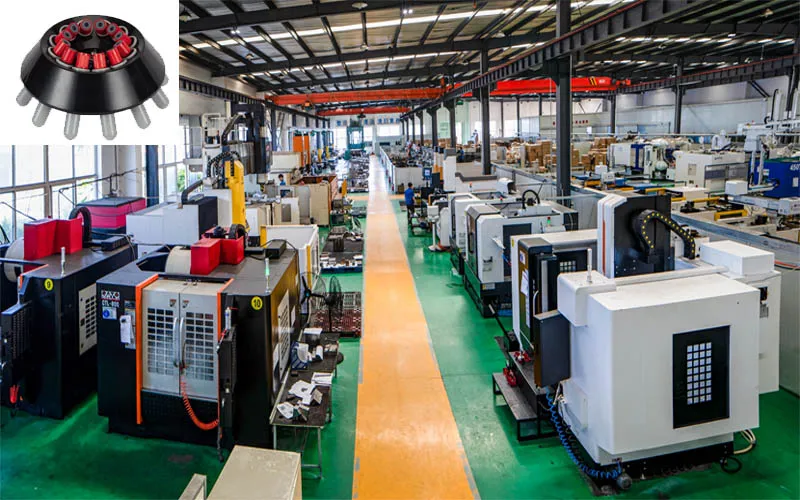
6. CNC Machining
Controlling rotor tolerances to 0.01mm using 15 CNC machines to ensure high-speed equipment performance.
Customer Visit & Quality Assurance
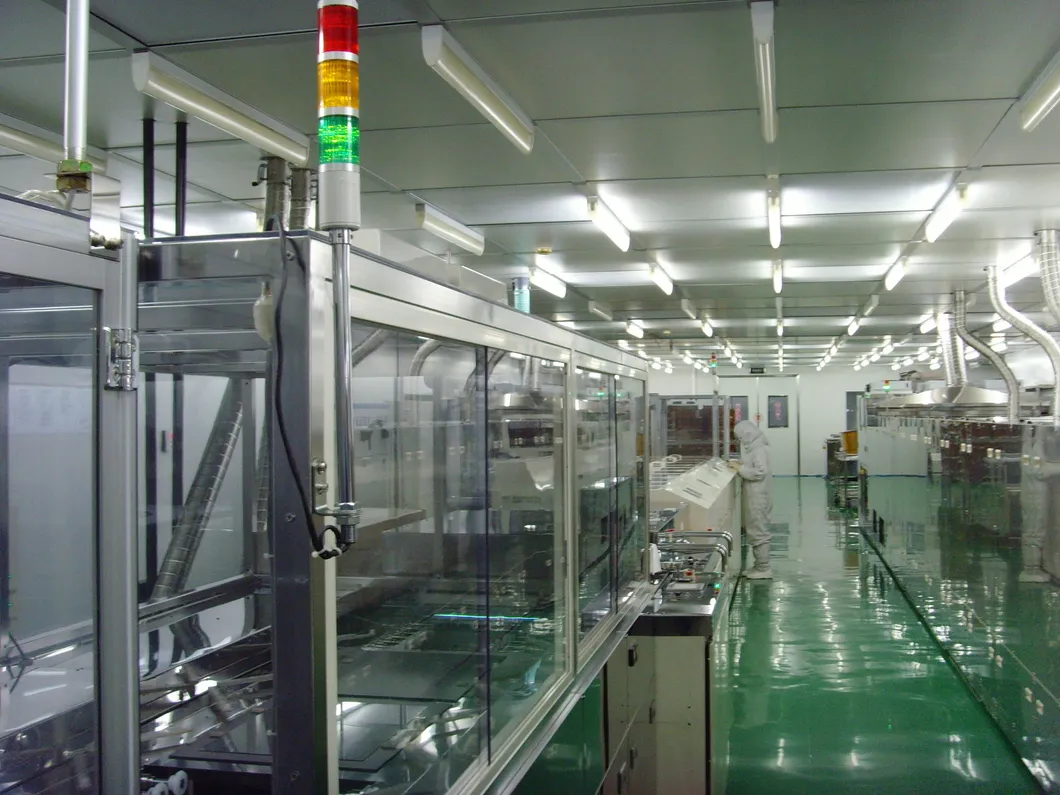
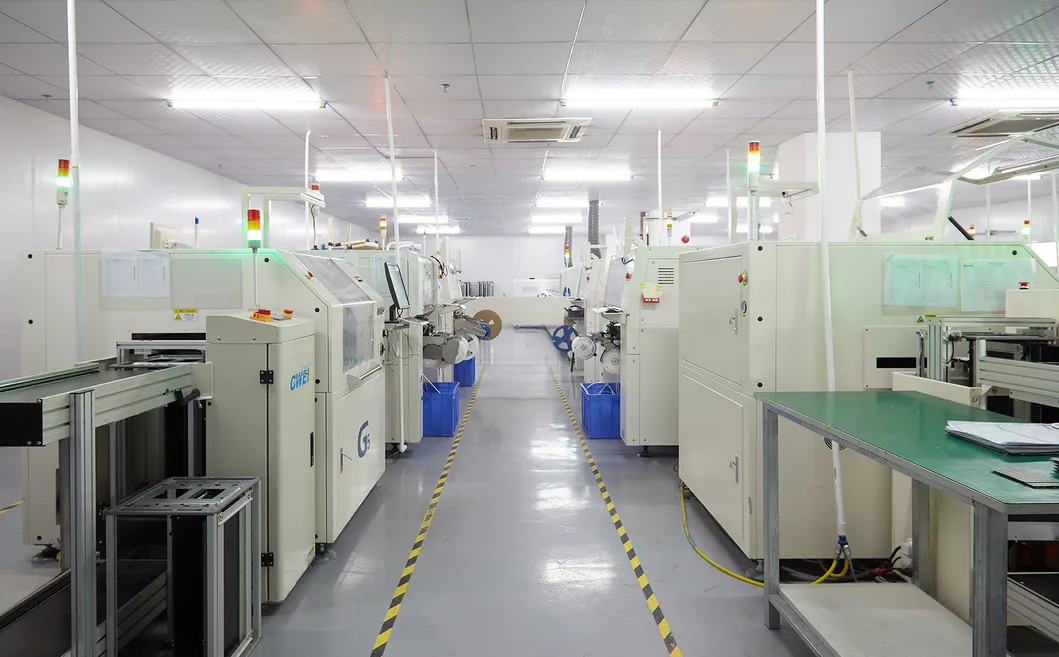
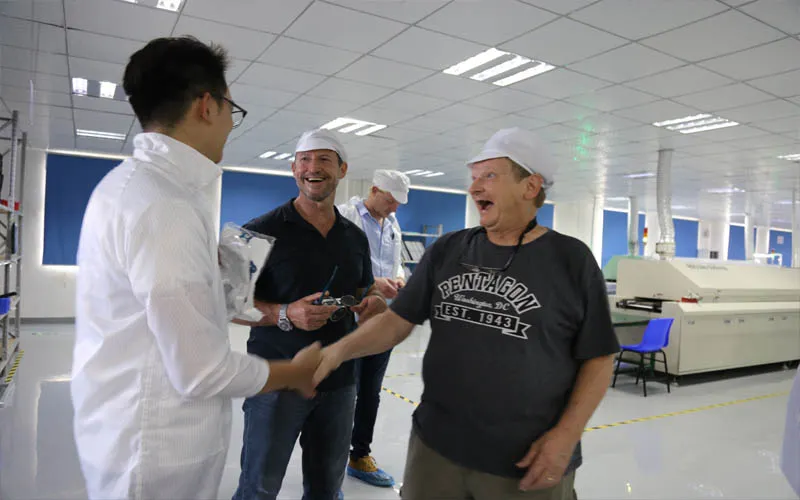
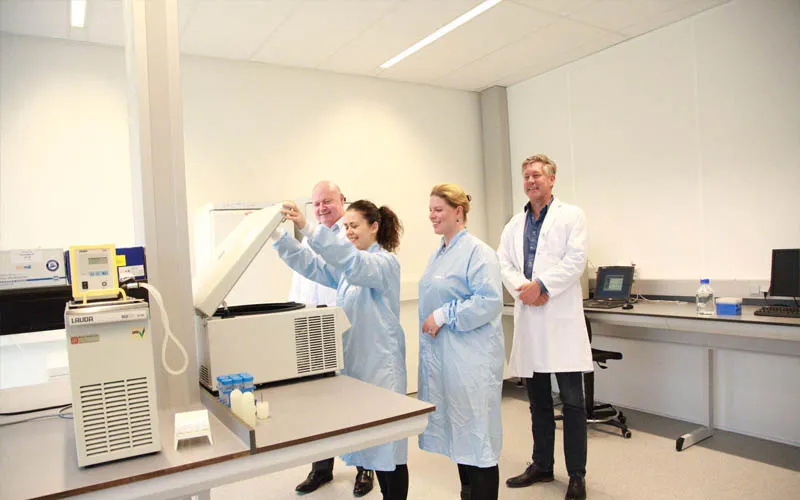
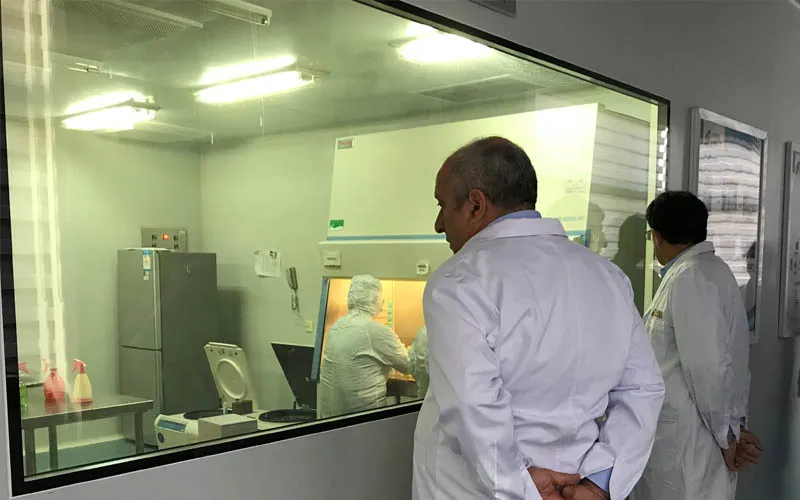
We welcome all customers to visit our workshop to review and test the Digital Ultrasonic Cleaning Baths. Our vision focuses on long-term win-win partnerships. All equipment undergoes rigorous testing before entering the warehouse.
Packing and Loading
Exhibition & Vision
We participate in the Medtec China and Canton Fair every year. We look forward to building a bright future hand in hand with our suppliers and customers. Ultrasonic cleaners use frequencies from 20-400 kHz to clean delicate items including metal, plastic, glass, and ceramics, saving manual labor and cleaning time.
Frequently Asked Questions
What is a laboratory ultrasonic cleaner used for?
It is used for precision cleaning of scientific and research equipment like glassware, metal instruments, and delicate components by using high-frequency sound waves.
What materials can be cleaned in an ultrasonic bath?
Ultrasonic cleaners are effective for cleaning metal, plastic, glass, and ceramics. They remove contaminants like oils, dust, and grease.
What frequencies do these machines operate at?
Standard frequencies include 28KHz, 40KHz, 68KHZ, 80KHZ, and 132KHZ. Customized frequencies are also available.
Is ultrasonic cleaning safe for delicate instruments?
Yes, it is much gentler than manual scrubbing or abrasive methods, making it ideal for sensitive lab components.
How efficient is the ultrasonic cleaning process?
It significantly reduces cleaning time and labor, reaching narrow places and small holes that are impossible to clean with a brush.
What is the construction material of the cleaning tanks?
The tanks are typically made of high-quality Stainless steel 304L with a thickness of 2mm for durability and corrosion resistance.
 Estetik Medical