Highly recommended sterilization machines optimized for modern surgical requirements across South Asian clinical ecosystems.
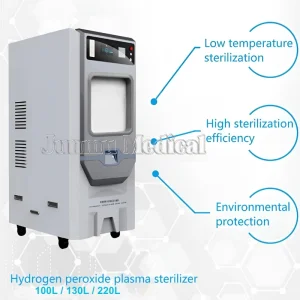
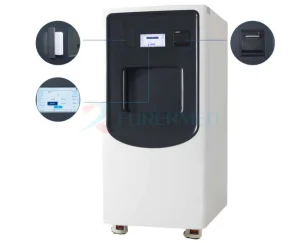
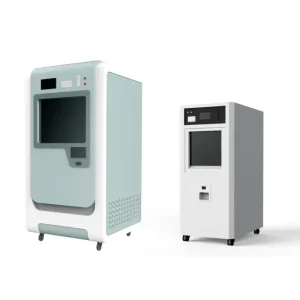
Nepal’s medical sector is undergoing a rapid technological modernization. Tertiary care facilities, public hospitals, and private clinical networks in Kathmandu, Lalitpur, Pokhara, and Biratnagar are experiencing unprecedented upgrades. The historical reliance on high-temperature steam autoclaves and toxic ethylene oxide (EtO) systems is being systematically replaced.
Modern diagnostic facilities and surgical suites are utilizing delicate, high-precision instrumentations—such as 3D laparoscopes, arthroscopes, endoscopes, rigid sinus scopes, and robotic surgical gears. These sophisticated tools feature intricate optical systems, polymer-coated housings, and lumen geometries that cannot withstand the high temperatures, moisture, and long cycle times of traditional steam autoclaving.

Understanding the molecular-level breakdown of pathogens within a high-efficiency vacuum chamber.
The sterilization chamber is depressurized to create a strict vacuum. High-concentration vaporized hydrogen peroxide (typically 58% to 95%) is then injected. The gas diffuses through the chamber, penetrating complex instrument cavities, lumens, and micro-crevices.
Radiofrequency (RF) electromagnetic energy is applied to the chamber, ionizing the vaporized H₂O₂. This creates a low-temperature gas plasma cloud rich in free radicals (hydroxyl and hydroperoxyl). These radicals break down microbial DNA, RNA, and protein structures.
As the RF field is powered down, the highly reactive radicals recombine into stable oxygen and water molecules. The air filter system purges the chamber, leaving zero chemical residue on the medical equipment. Devices are immediately ready for sterile usage.
Deep insight into Hubei Estetik Medical Co., Ltd.’s manufacturing process from raw materials to globally certified storage.
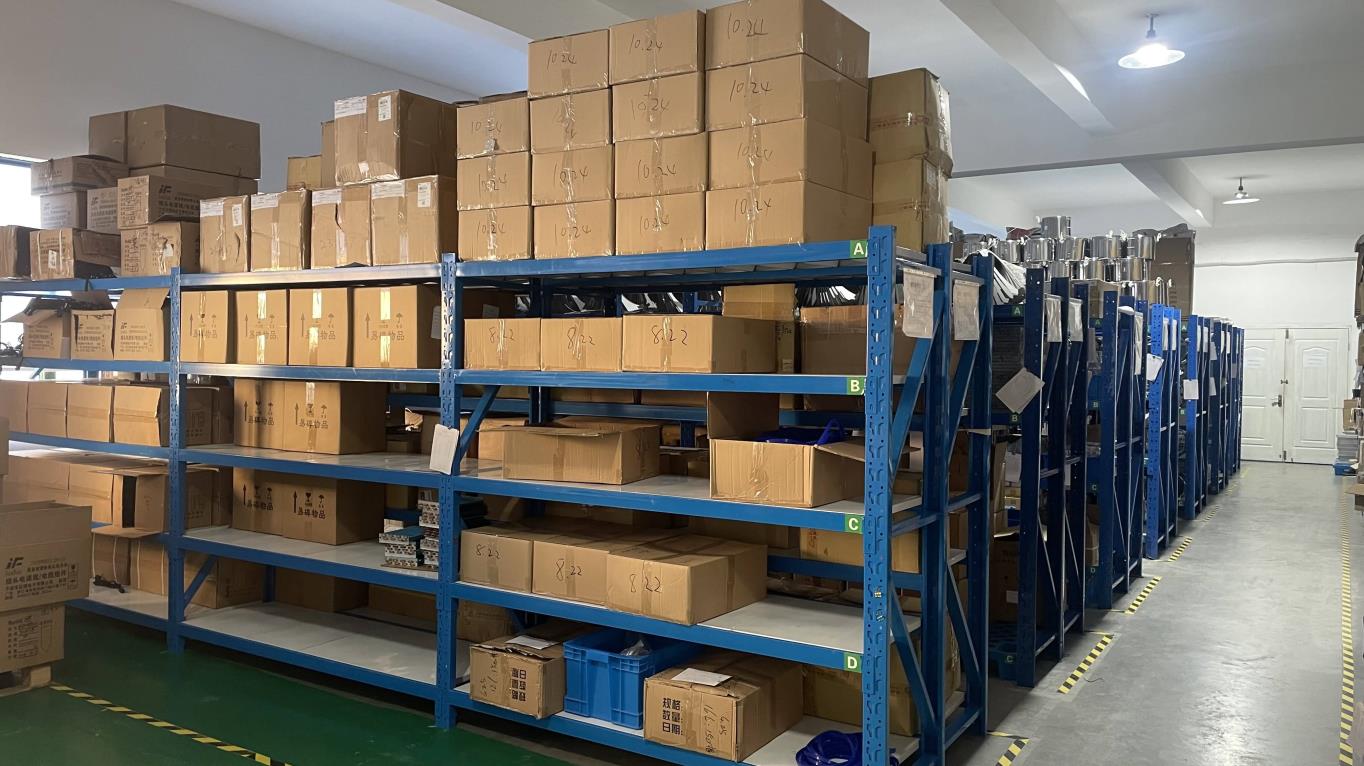 Raw Material
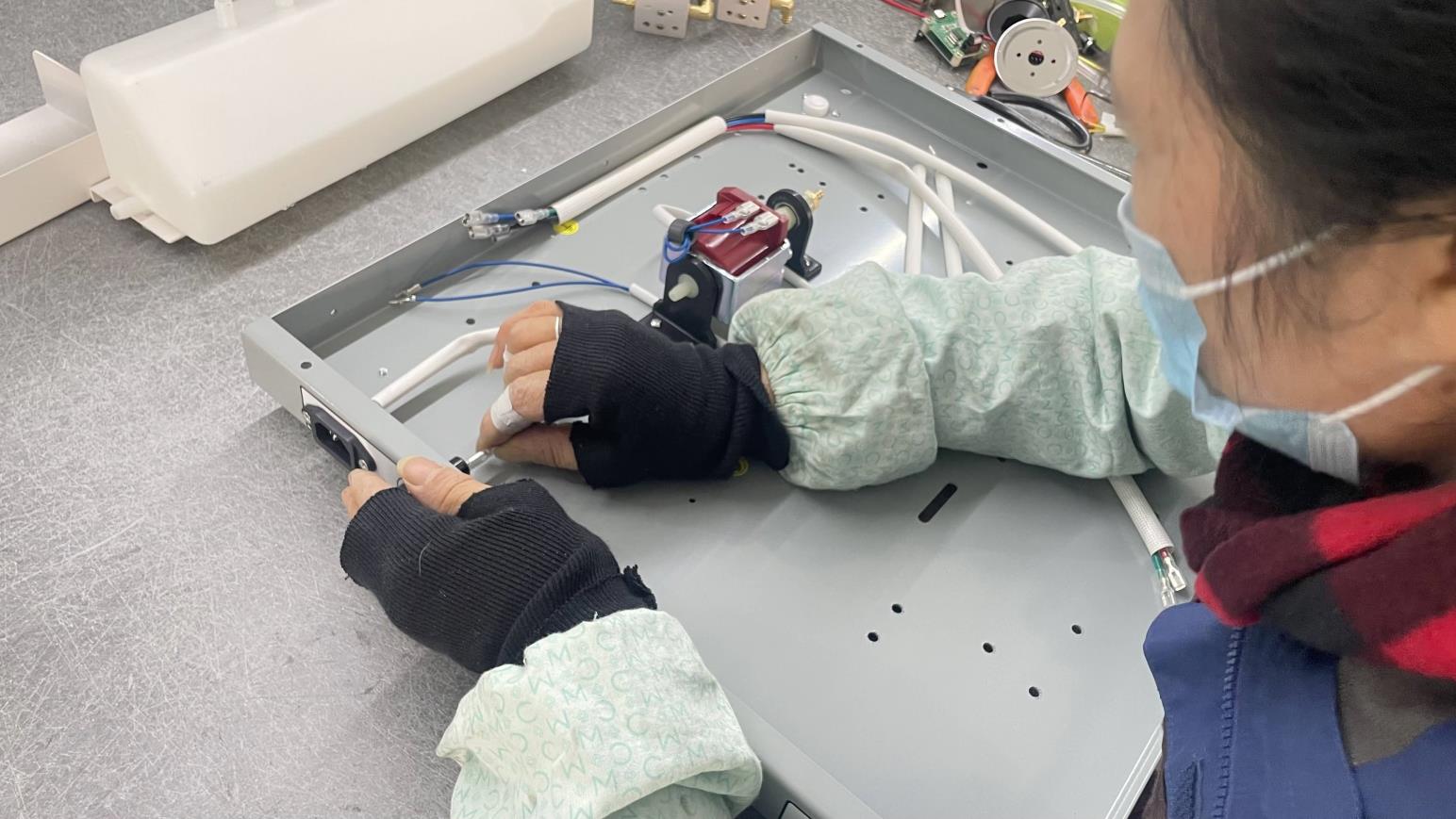 Assembling I
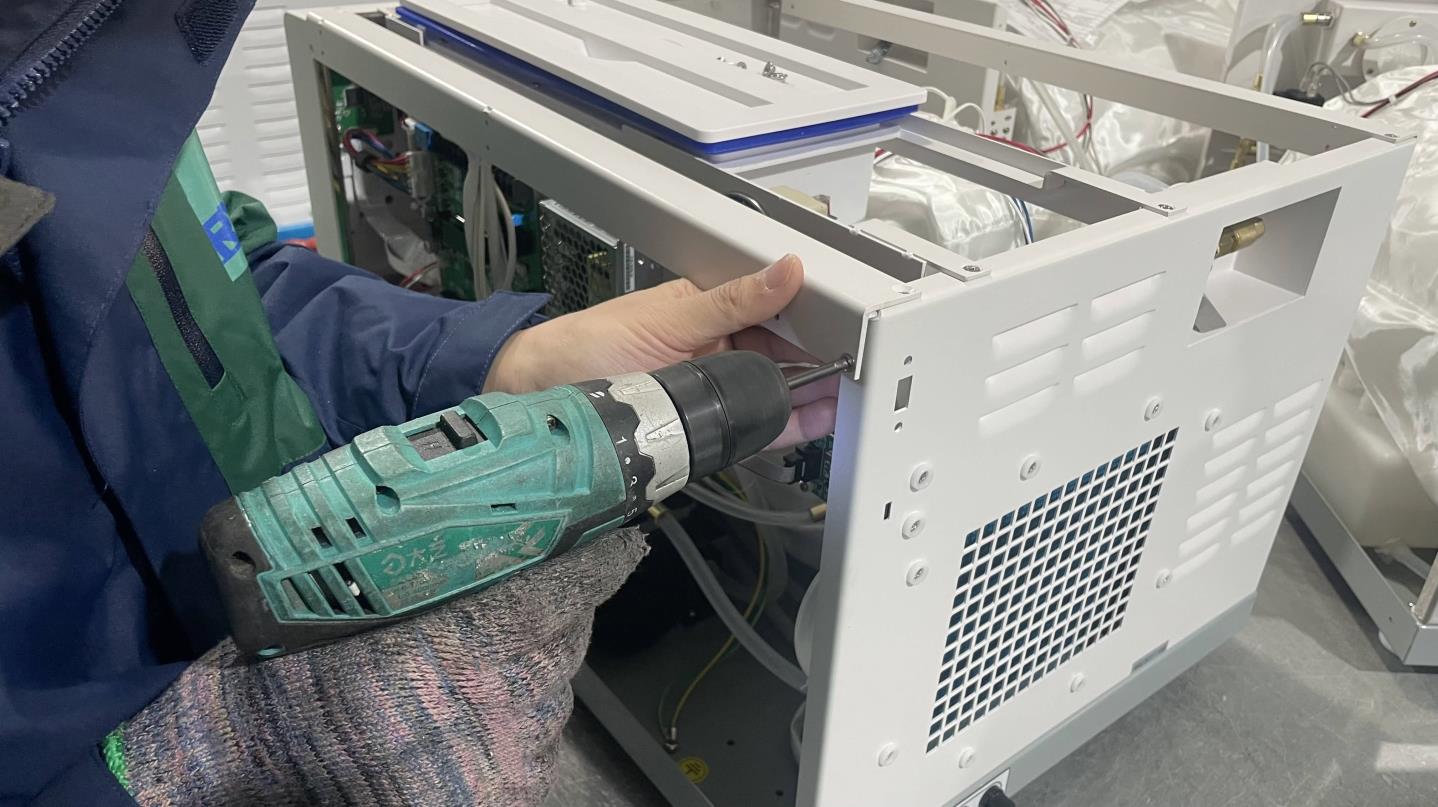 Assembling II
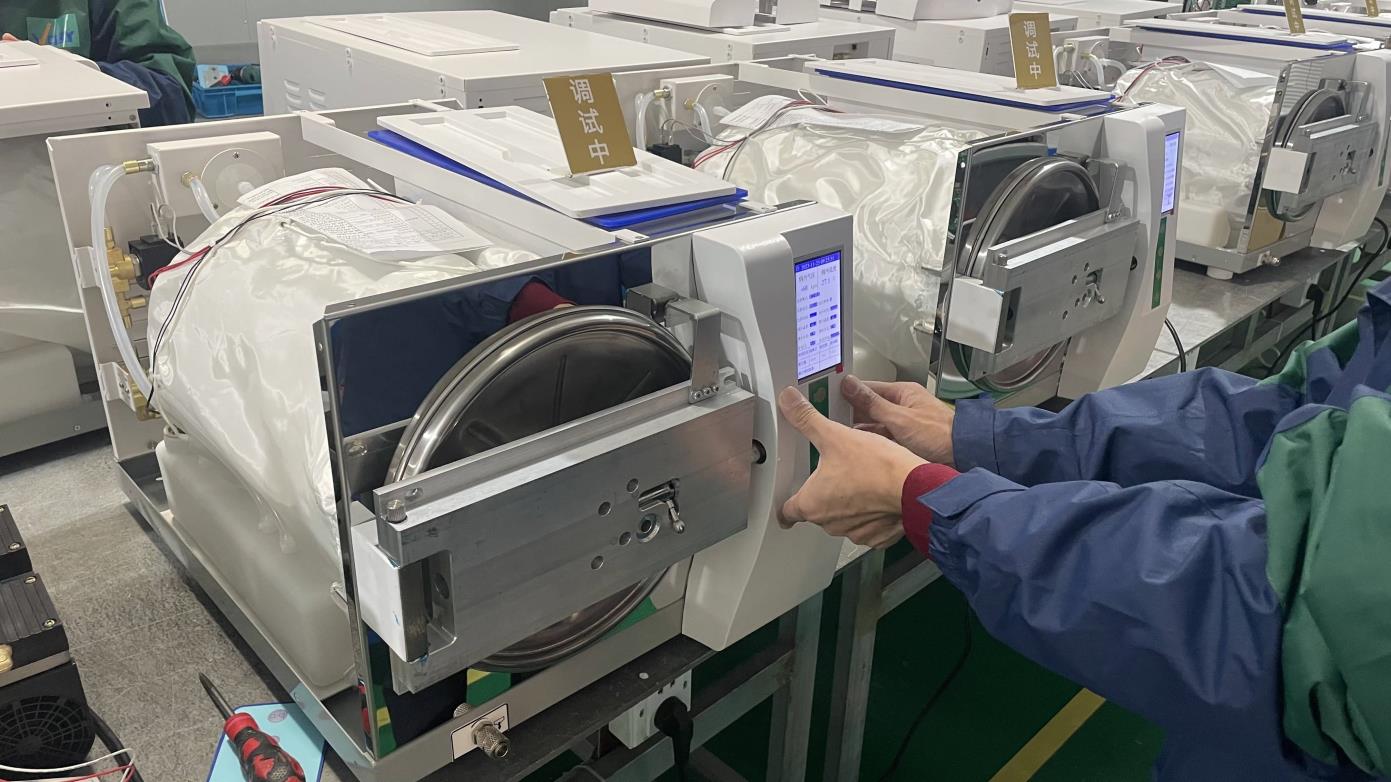 Inspection
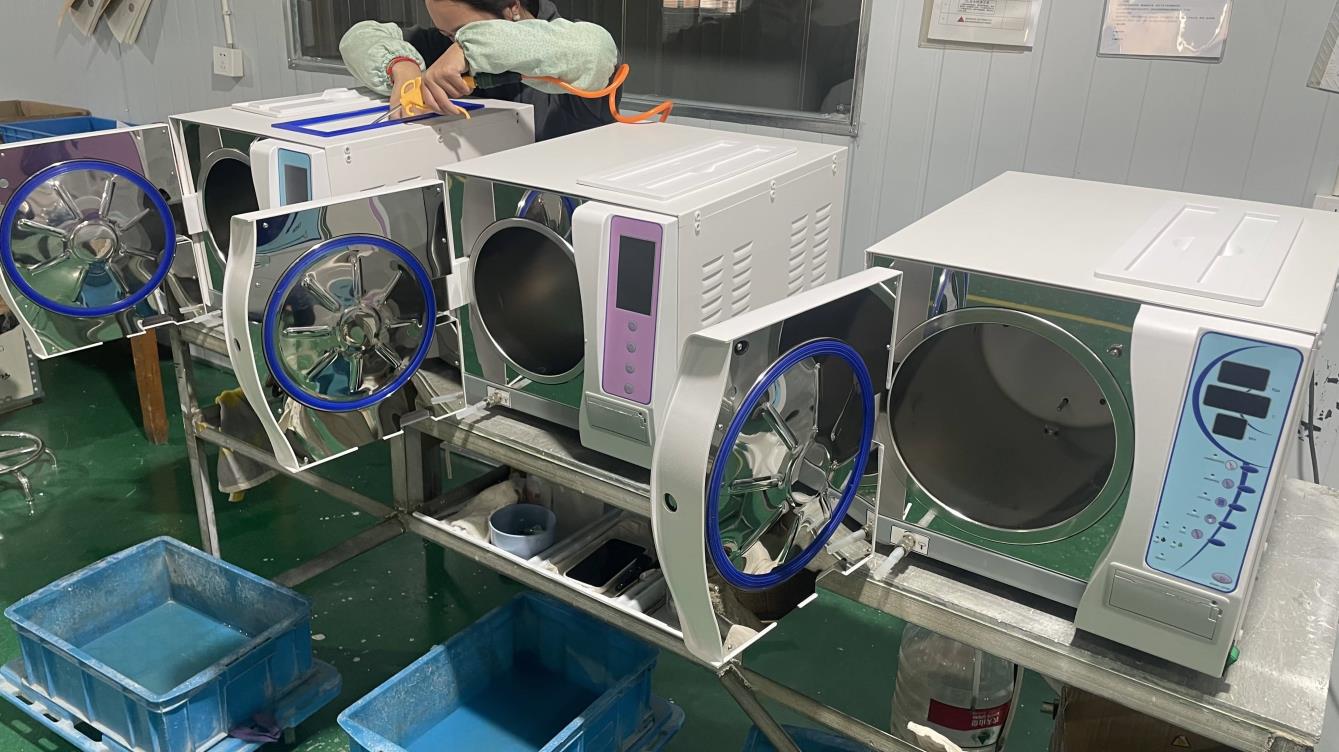 Cleaning
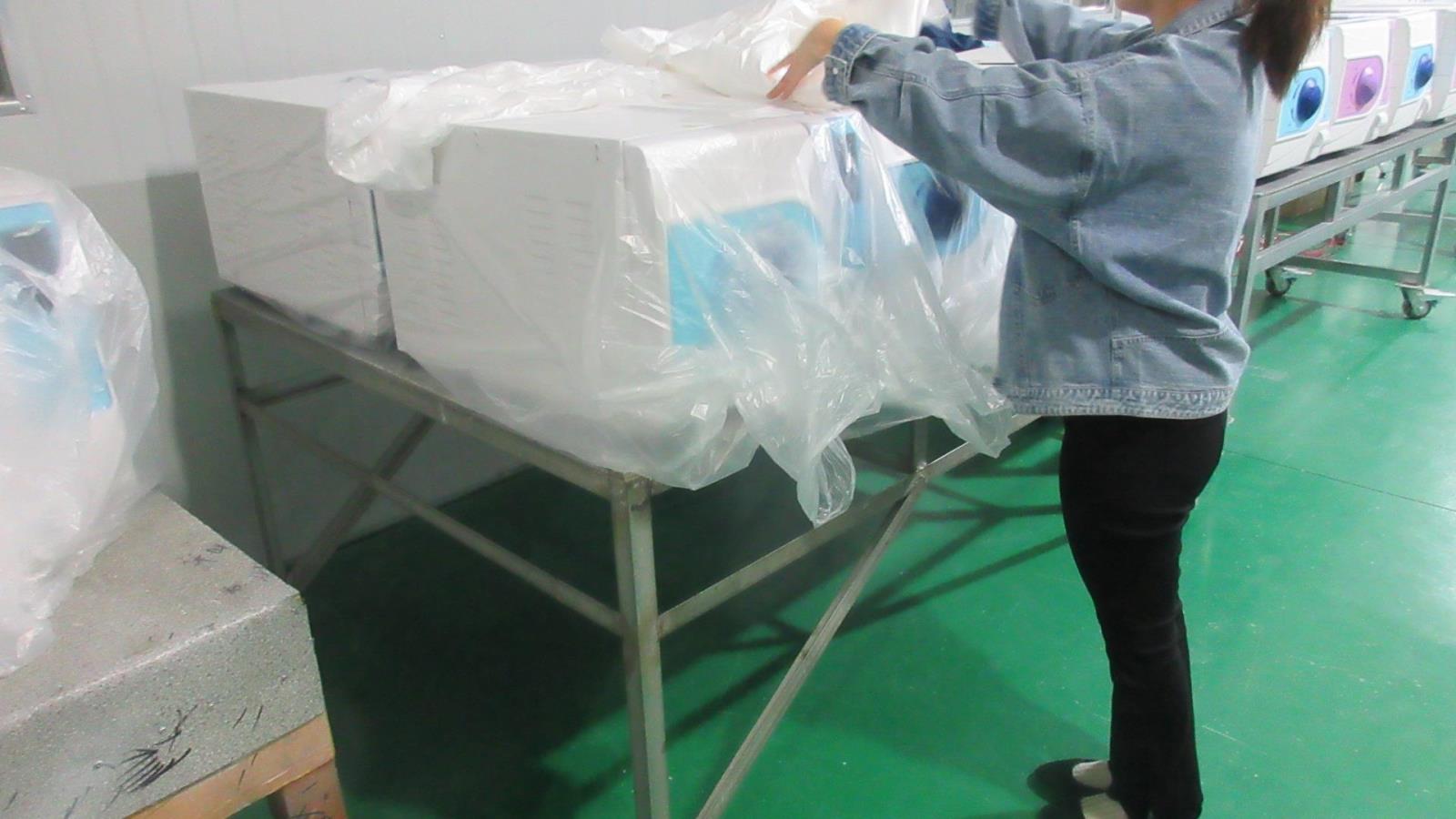 Packing
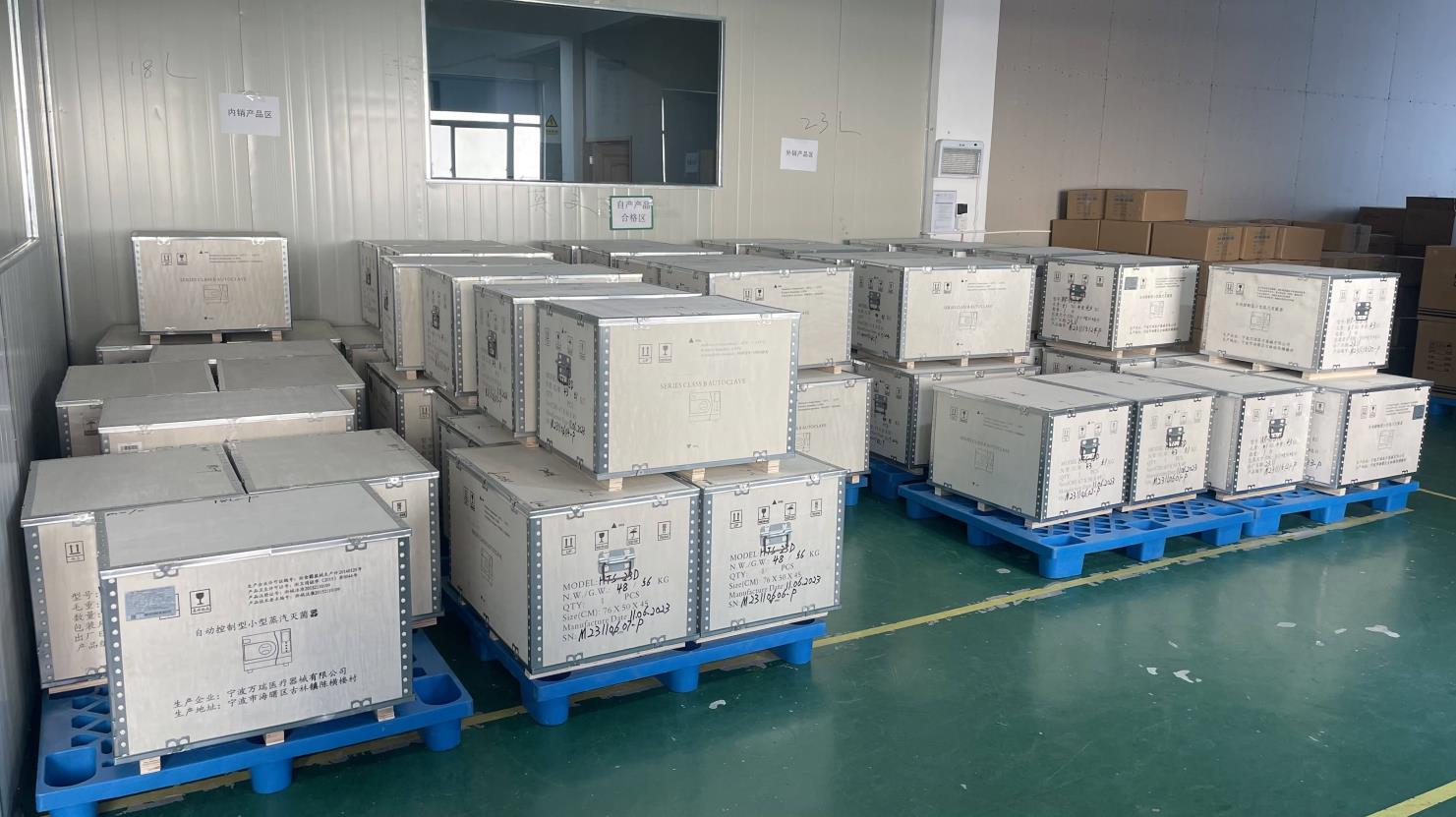 Storage
Hubei Estetik Medical Co., Ltd. is a leading innovator and manufacturer in the medical and healthcare industry, specializing in high-quality disinfection systems, medical equipment, and infection control solutions. With our cutting-edge research and development centers, advanced manufacturing facilities, and strategically located warehouses and offices in key cities across China—including Hangzhou, Chengdu, Wuxue, and Wuhan—we are well-positioned to serve both domestic and international markets.
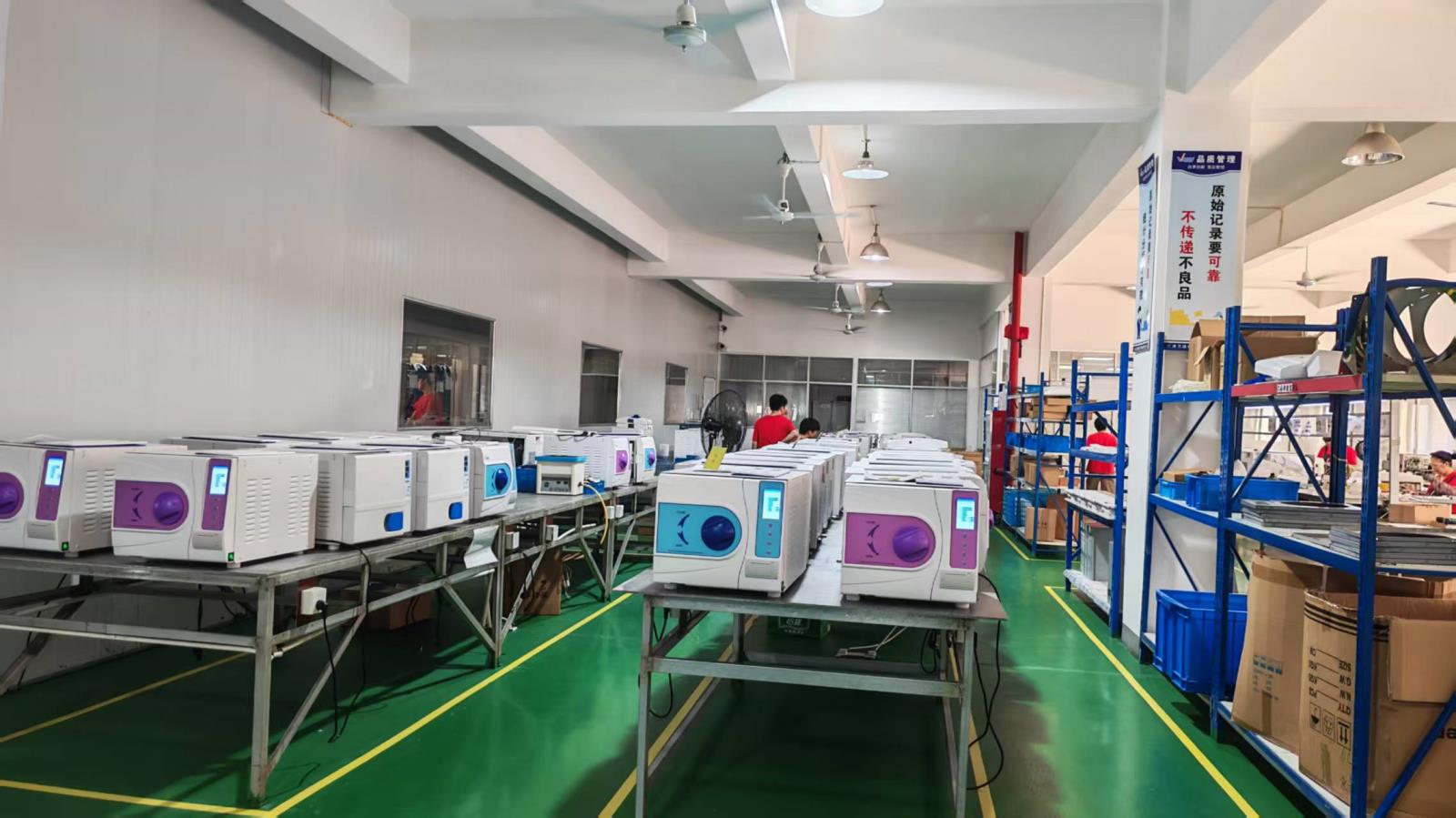
Our manufacturing plants utilize advanced vertical chamber machining and automated sheet-metal processing lines to ensure strict dimensional accuracy and robust structural integrity. Every sterilizer is built to endure high pressure fluctuations, thermal stress, and chemical exposure, providing reliable service for decades.
Explore our integrated range of clinical support systems designed for CSSD, operating rooms, and rehabilitative centers.
Highly effective in eliminating airborne and surface pathogens in critical healthcare environments, safeguarding operating rooms and intensive care units.
Innovative high-efficiency particulate air filtration and UV-C sterilization systems protecting clinical staff and post-op patients.
Cutting-edge diagnostic tools to verify chemical concentration and pathogen lethality, featuring incubation and rapid reader readouts.
Physiotherapy and physical mobility equipment designed to support postoperative recovery, restoring health after injuries or orthopedic interventions.
Precision-engineered surgical grade wire mesh baskets constructed to withstand rigorous exposure and facilitate sterile gas penetration.
Comprehensive consumables, sealing machines, indicator tapes, and monitoring tools supporting complete CSSD protocols.
At Hubei Estetik Medical Co., Ltd., quality control is integrated into every step of our manufacturing workflow. Our production lines conform to ISO 13485 quality management standards for medical devices. The H₂O₂ Low Temperature Plasma Sterilizer lines carry full conformity certifications, meeting rigorous international directives.
To ensure reliable operation under challenging environmental conditions in Nepal, our sterilizers undergo rigorous validation tests. This includes multi-day continuous sterilization loop testing, electromagnetic compatibility (EMC) evaluations, high vacuum integrity tests, and microbial validation using *Geobacillus stearothermophilus* biological indicators.
B2B logistics strategies designed to navigate customs clearance and power stability challenges.
We offer flexible transport channels via road freight through the Keyrung-Rasuwagadhi or Tatopani border crossings directly into Kathmandu. For critical, high-priority projects, we arrange air freight directly to Tribhuvan International Airport (TIA).
To safeguard the delicate micro-processors, RF matching networks, and vacuum systems from voltage drops, all sterilizers configured for Nepal are compatible with high-capacity automatic voltage regulators (AVR).
We maintain a steady supply of high-grade, puncture-resistant Tyvek sterilization reels, chemical indicators, rapid readout biological vials, and high-purity hydrogen peroxide canisters specifically for Nepal.
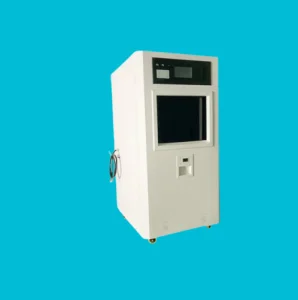
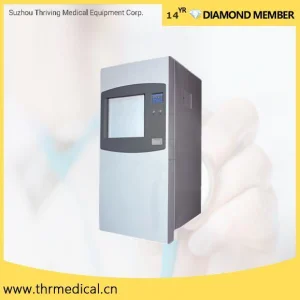
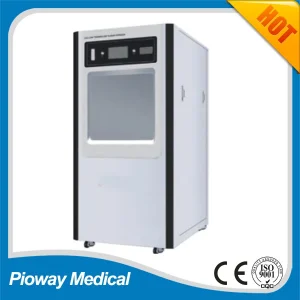
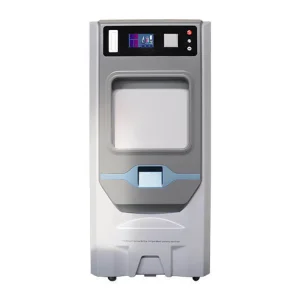
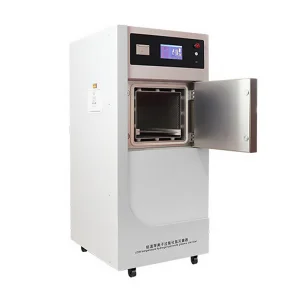
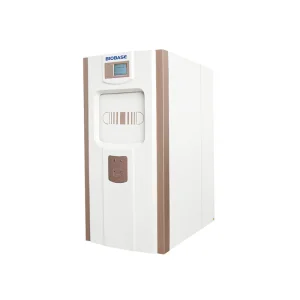
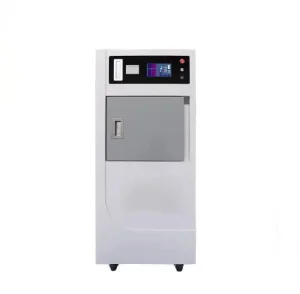
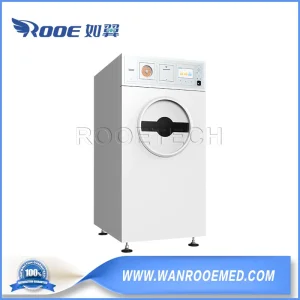
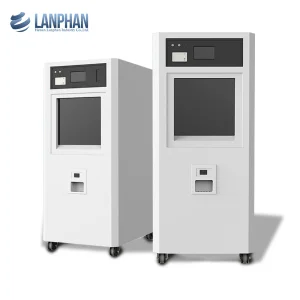
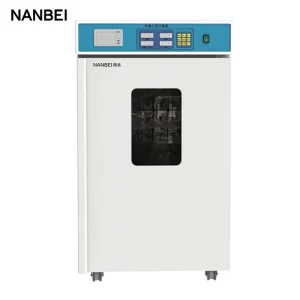
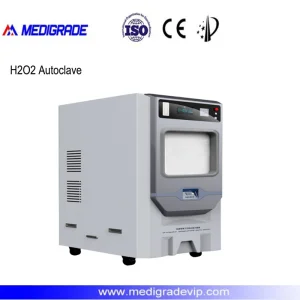
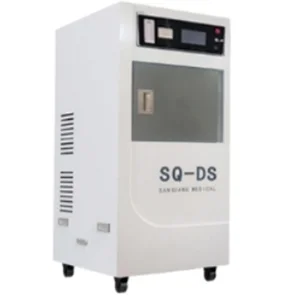
A comprehensive inventory of our sterilizers, featuring varying capacity options, smart double-door layouts, and GMP-compliant chambers.
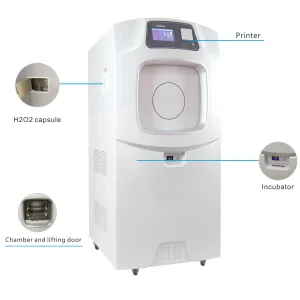
Direct technical answers addressing installation requirements, material compatibility, and shipping logistics.
Looking for a custom plasma sterilizer configuration or need pricing and technical data sheets? Contact our specialists for assistance.
Send Inquiry Now Estetik Medical