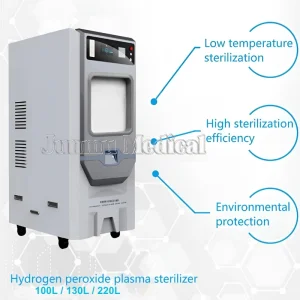
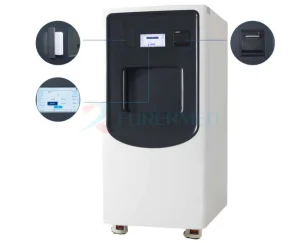
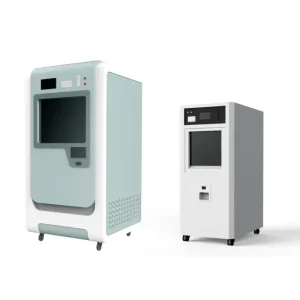
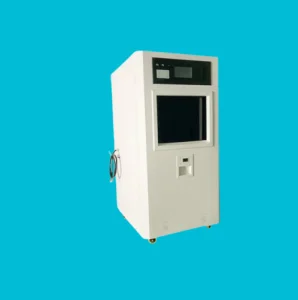
Advanced H2O2 plasma sterilization systems engineered to guarantee rapid, low-temperature sterilization cycle processes for delicate clinical equipment.
A trusted manufacturing powerhouse, merging R&D excellence with robust logistics to bring certified infection control solutions to Gitarama and East Africa.
Hubei Estetik Medical Co., Ltd. is a leading innovator and manufacturer in the medical and healthcare industry, specializing in high-quality disinfection systems, medical equipment, and infection control solutions. With our cutting-edge research and development centers, advanced manufacturing facilities, and strategically located warehouses and offices in key cities across China—including Hangzhou, Chengdu, Wuxue, and Wuhan—we are well-positioned to serve both domestic and international markets.

Our commitment to continuous innovation guides our operational model. We invest heavily in research and development to deliver advanced, reliable, and safe medical products to our customers. Our goal is to contribute significantly to improving healthcare standards globally while advancing the medical industry with state-of-the-art solutions.
Our products are manufactured to meet rigorous international standards, and we hold various certifications for quality and safety. Hubei Estetik Medical Co., Ltd. has earned trusted industry certifications, ensuring that our products are recognized for their high performance and safety.
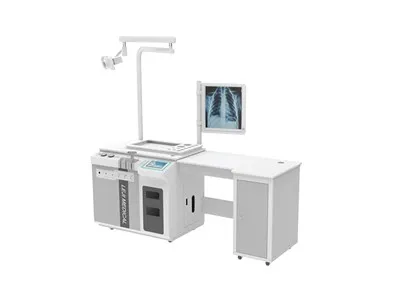
Analyzing the strategic modernization of Central Sterile Supply Departments (CSSD) in Gitarama and the Muhanga District region.
As a pivotal urban center in Rwanda’s Southern Province, Gitarama (Muhanga District) has experienced substantial growth in regional health hubs, district referral hospitals, and diagnostic labs. This growth directly amplifies the demand for high-reliability medical sterilization that safeguards fragile endoscopes, microsurgical instruments, and electronic diagnostic components.
Conventional thermal sterilization methods (steam autoclaves) pose risks of heat damage to modern polymers, fiber-optic scopes, and high-frequency surgical devices. H2O2 low-temperature plasma sterilization has emerged as the standard alternative, processing materials safely at temperatures under 55°C, extending tool life and reducing tool replacement overheads.
Unlike Ethylene Oxide (EtO) sterilization, which requires long aeration cycles and presents toxicity risks to technicians, hydrogen peroxide plasma leaves only water vapor and oxygen as byproducts. This allows Gitarama health facilities to achieve swift instrument turnaround times with high safety profiles.
An in-depth chemical and physical breakdown of the sterilizing mechanism deployed in Hubei Estetik Medical systems.
Our H2O2 plasma sterilization systems utilize the synergistic action of vaporized hydrogen peroxide gas and electromagnetic-frequency induced plasma. The chamber environment is subjected to a deep vacuum before injecting a controlled concentration of vaporized H2O2. This vapor disperses and penetrates the hard-to-reach surfaces of surgical instruments, including narrow lumens and lumens with deep internal cavities.
Once dispersion is achieved, low-temperature radio-frequency (RF) energy is applied to generate a low-temperature gas plasma environment. In this state, the hydrogen peroxide molecules break down into free radicals (such as hydroxyl and hydroperoxyl radicals), which actively disrupt cellular walls, proteins, and nucleic acids of pathogens, achieving a verified Sterility Assurance Level (SAL) of 10-6.
Understanding our rigorous industrial lifecycle control, from raw material sourcing to final storage and export packaging.
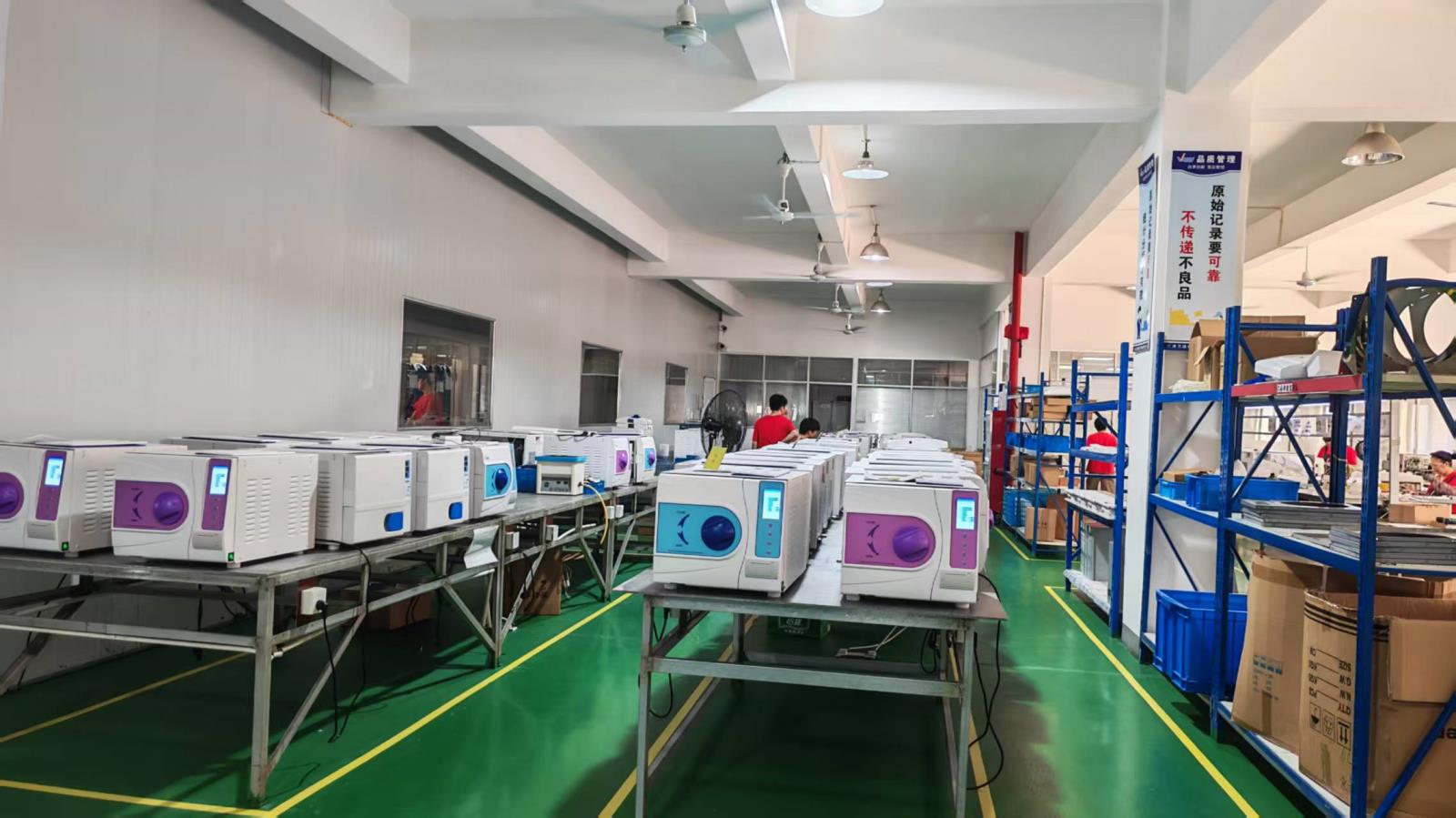
At our integrated manufacturing centers in Hangzhou, Chengdu, Wuxue, and Wuhan, we utilize smart manufacturing configurations aligned with Industry 4.0 standards. This approach ensures consistent batch production quality and protects our supply chain against global market fluctuations. Below is our verified step-by-step manufacturing and assembly pipeline:
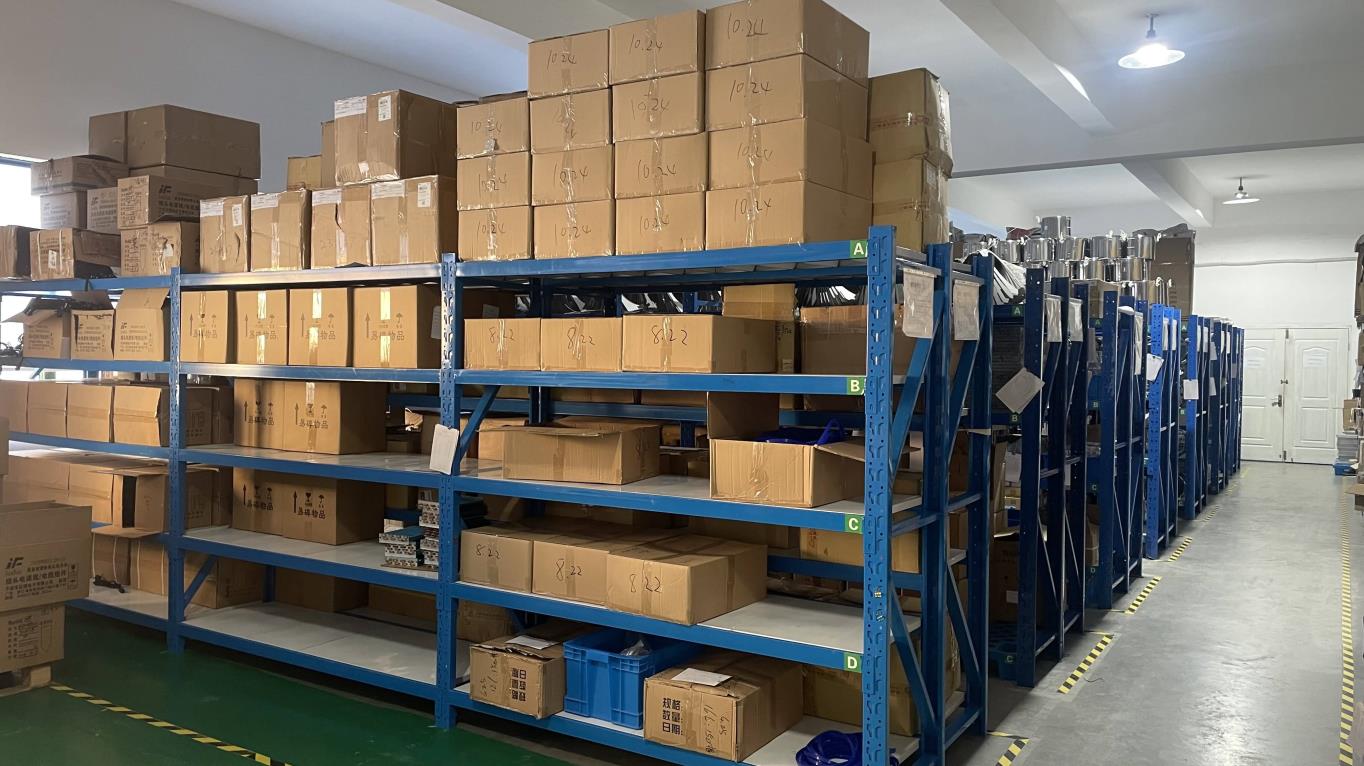 Raw Material
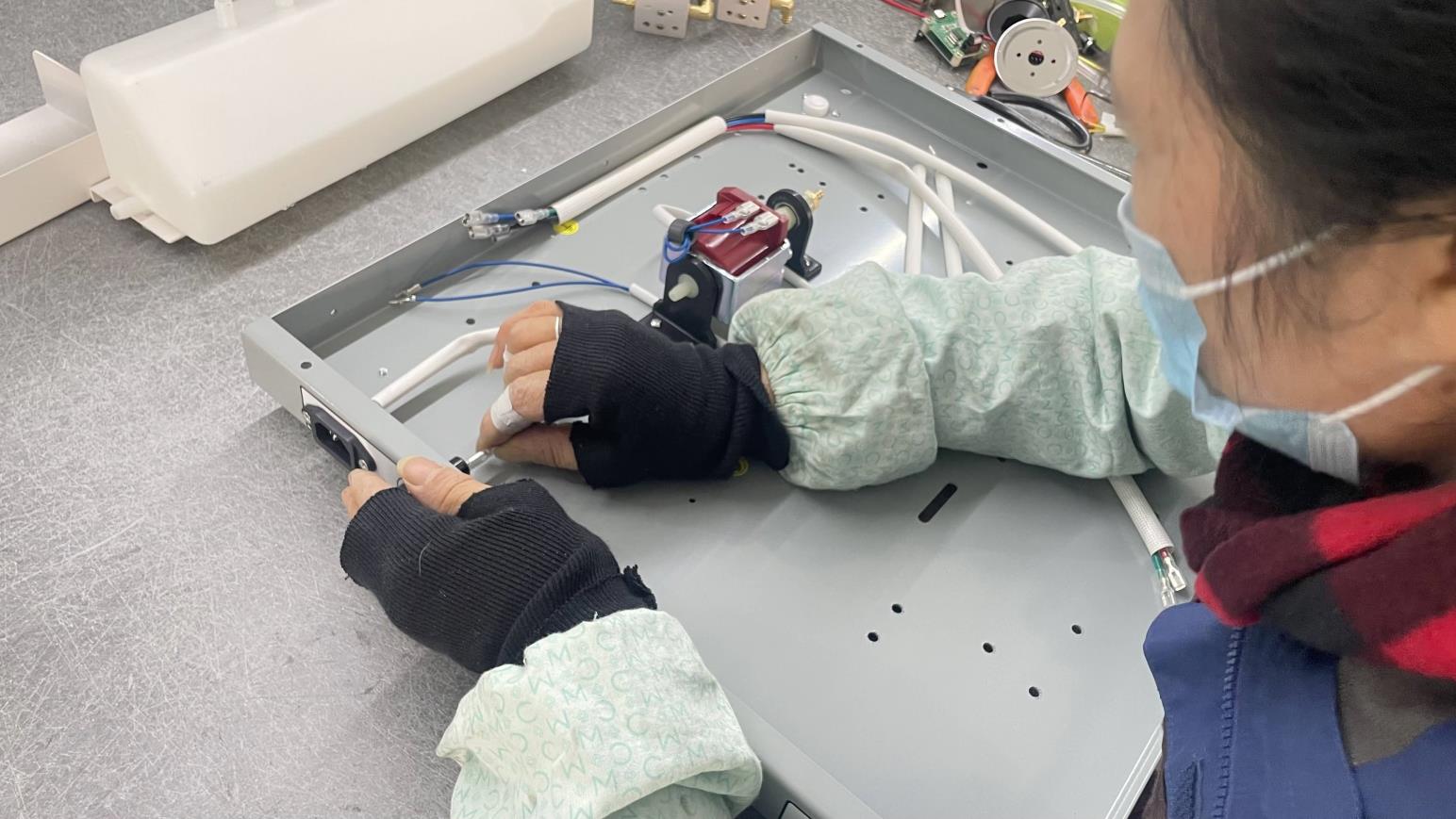 Assembling
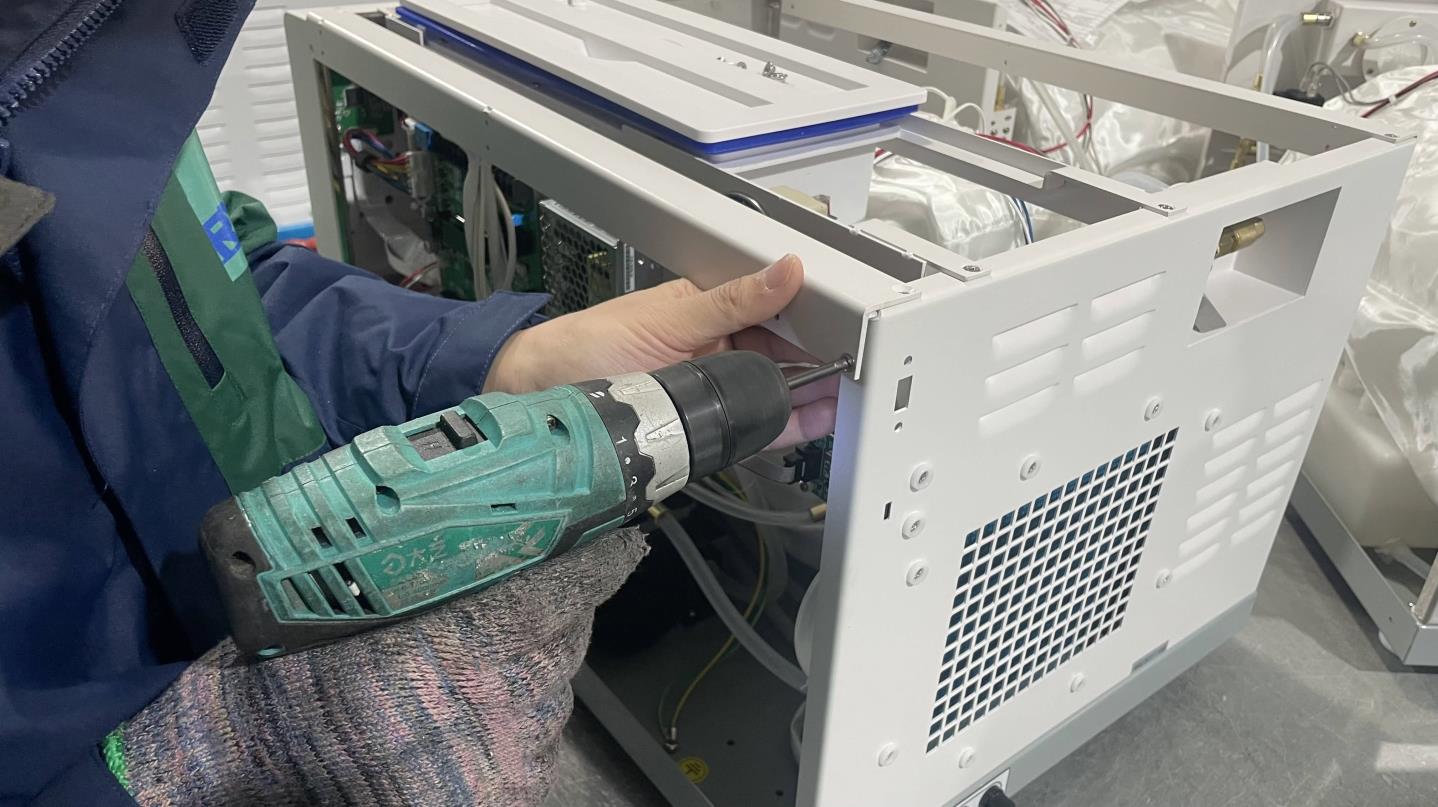 Assembling
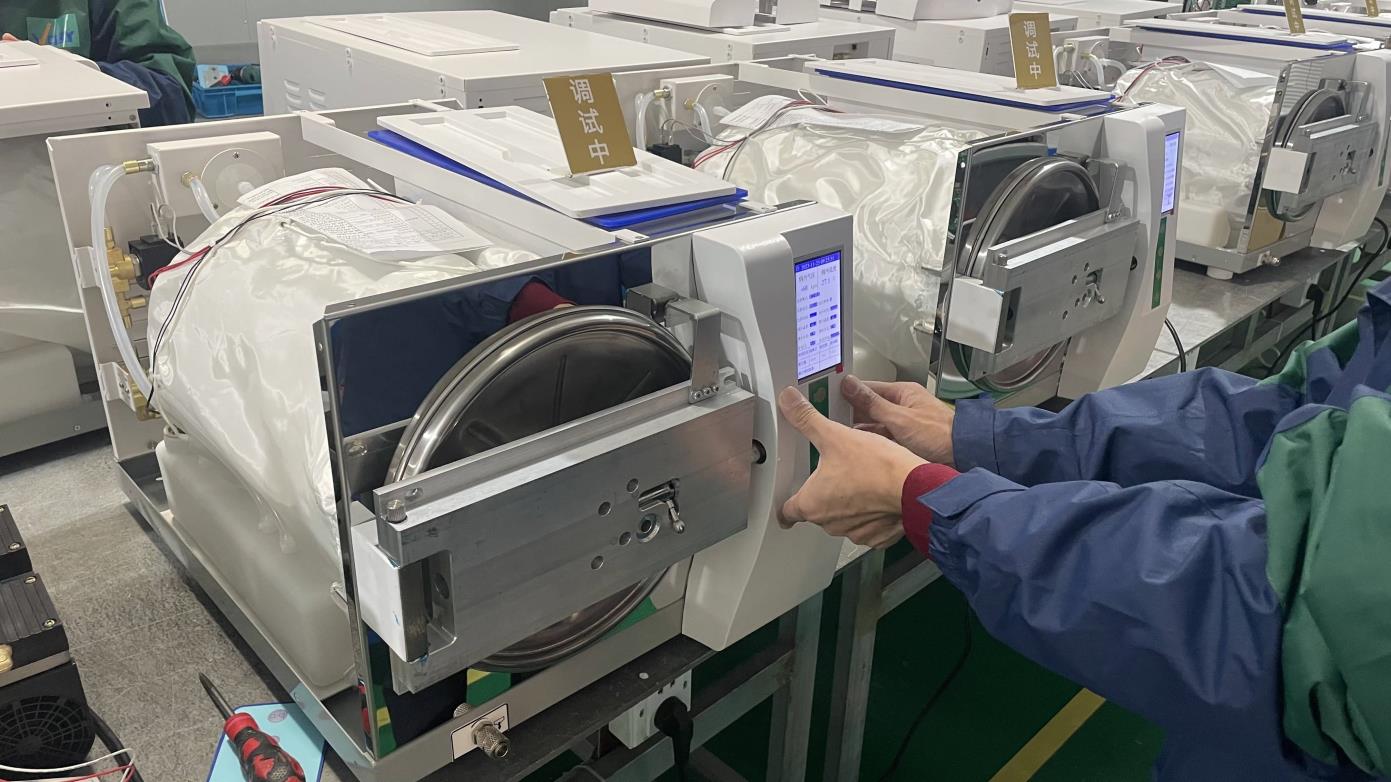 Inspection
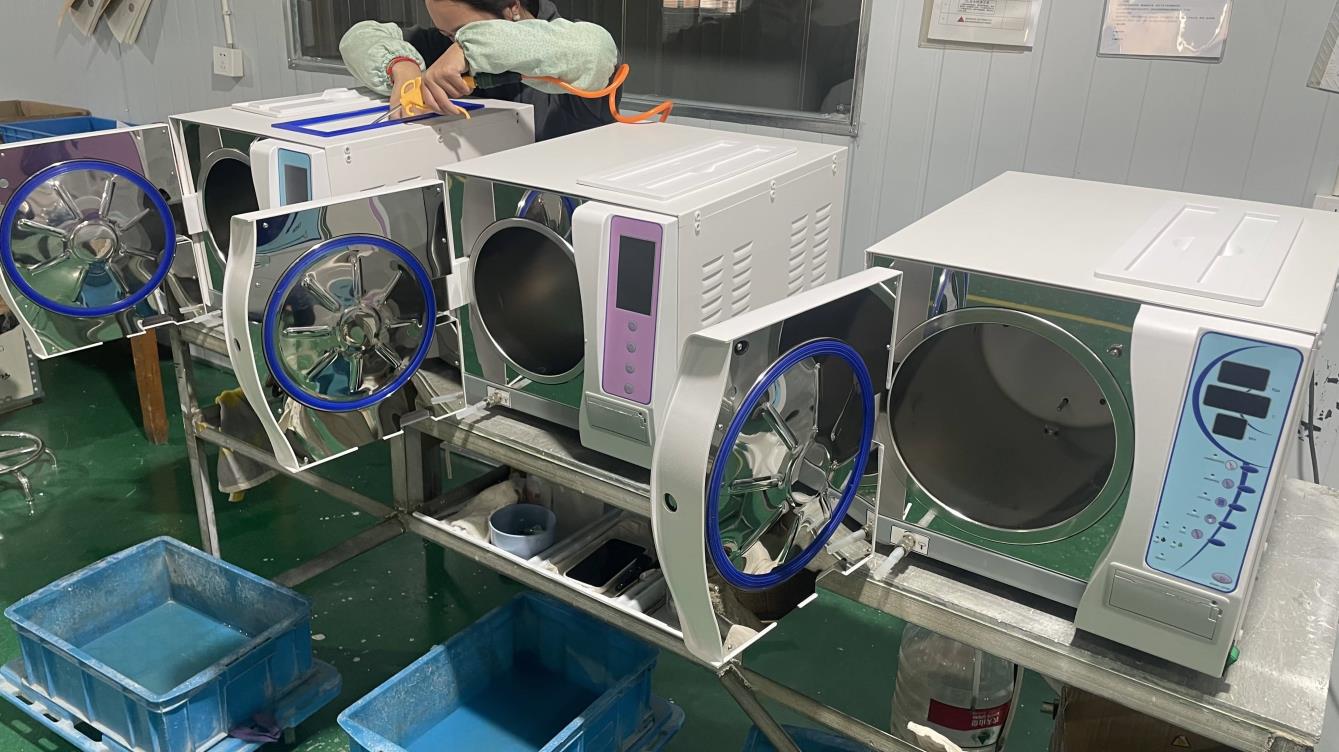 Cleaning
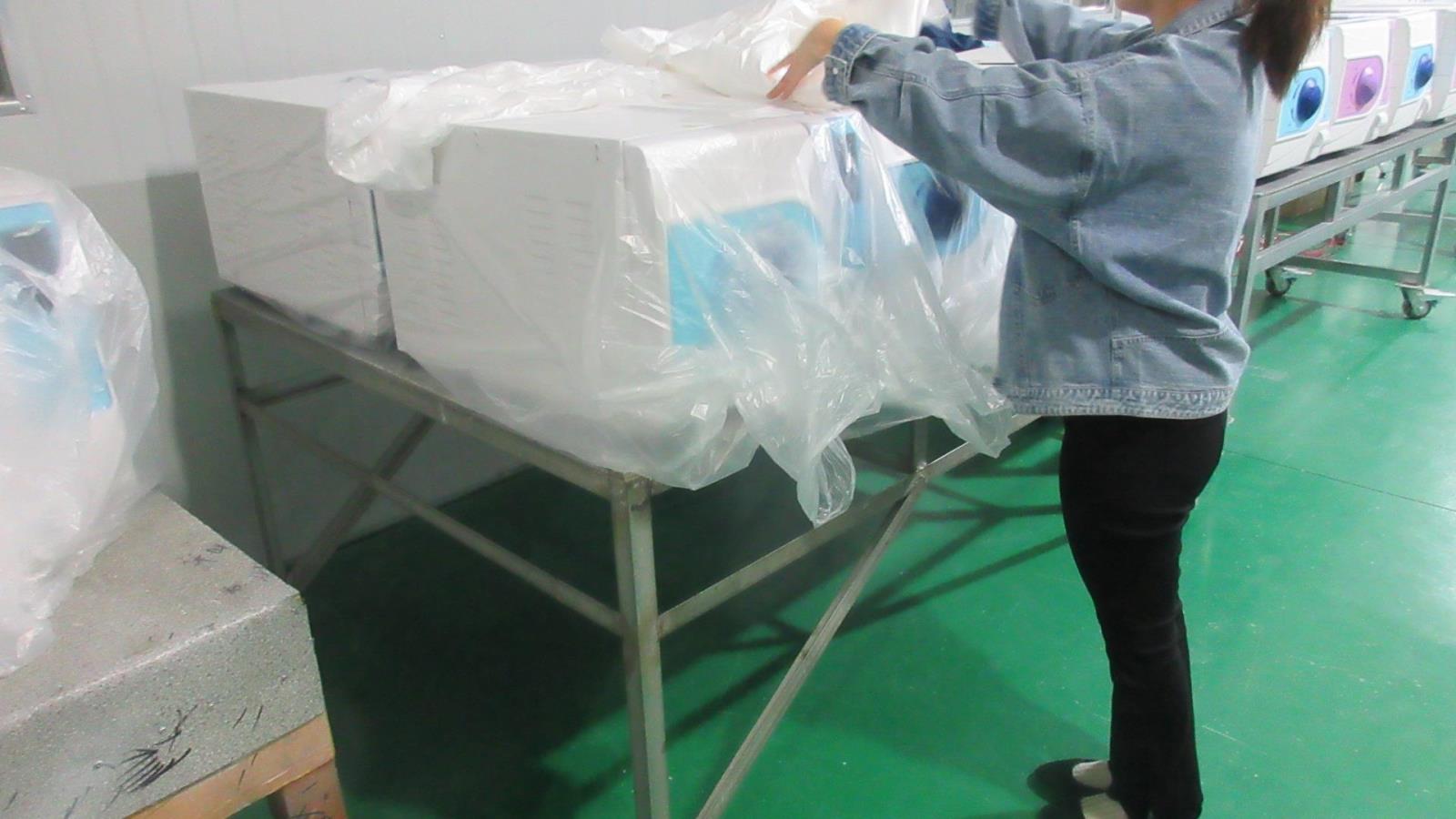 Packing
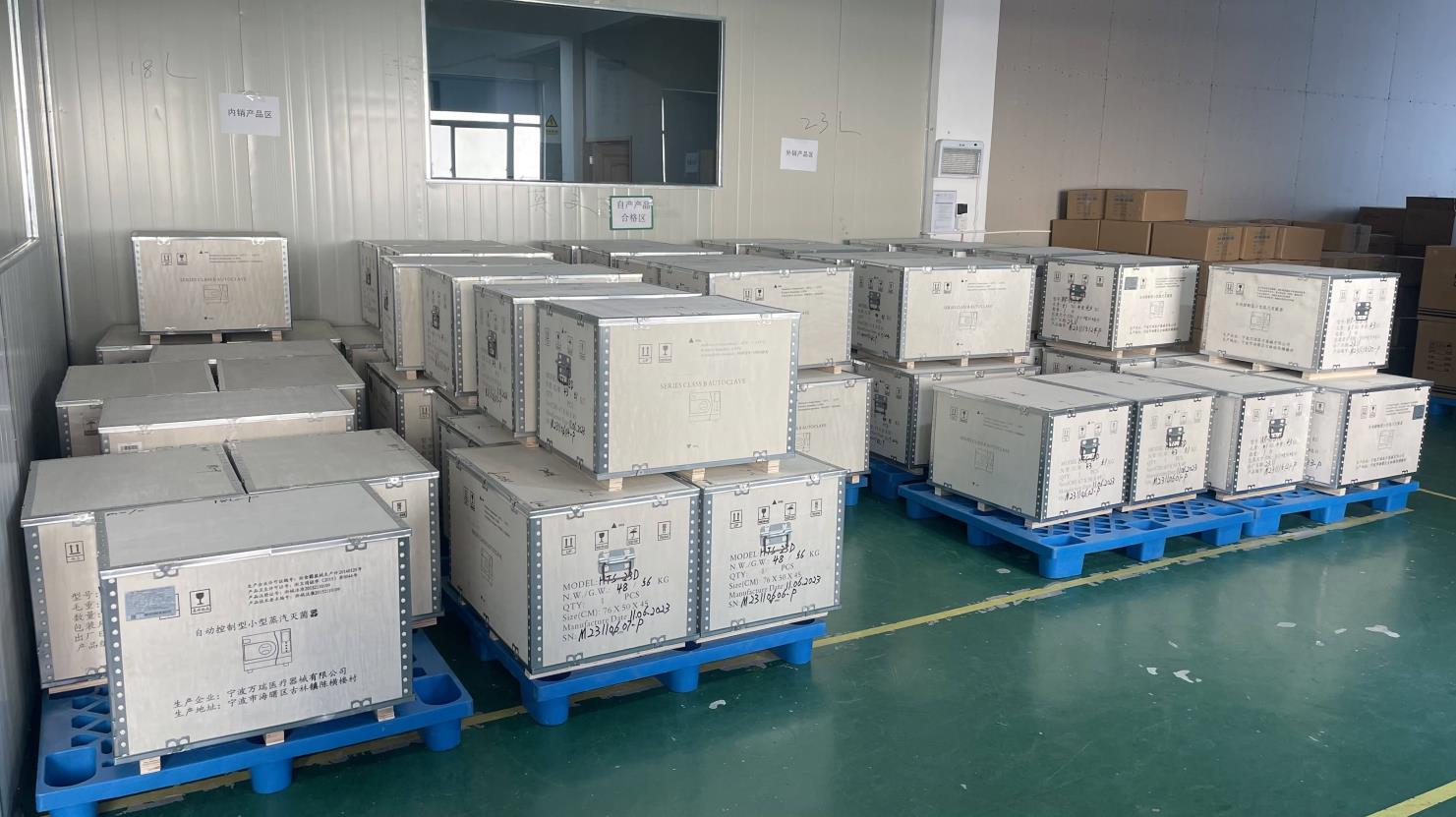 Storage
Comprehensive technical backup, installation guidance, and regulatory support for hospitals and distributors in Rwanda.
Our systems are engineered in alignment with ISO 13485 standards and hold CE markings. We supply complete technical files and validation protocols (IQ/OQ/PQ) to assist local buyers in meeting regulatory approvals with the Rwanda Food and Drugs Authority (Rwanda FDA).
With decentralized parts centers in China and established shipping routes to East Africa, we provide prompt delivery of consumables, biological indicators, replacement chamber seals, and electronic components, ensuring continuous machine operation.
We provide online and on-site technical support to local technicians, including step-by-step videos and diagnostic manuals. We ensure clinical staffs are trained in optimal load configuration, cycle selection, and preventative maintenance.
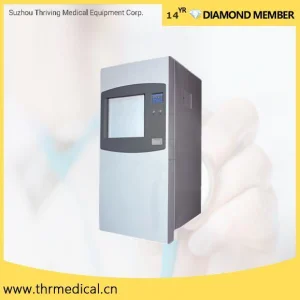
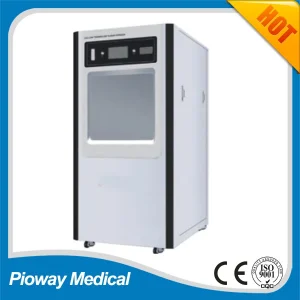
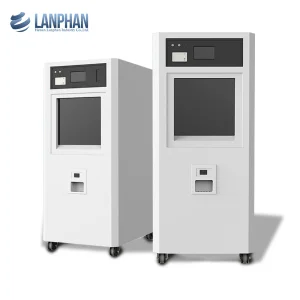
Explore our complete selection of sterilizers, optimized for hospital surgical suites, dental departments, research laboratories, and pharmaceutical companies in Gitarama.
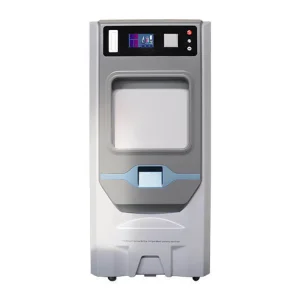
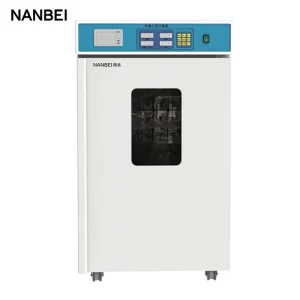
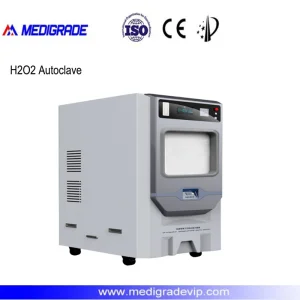
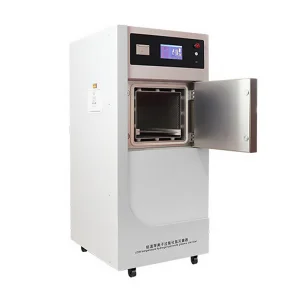
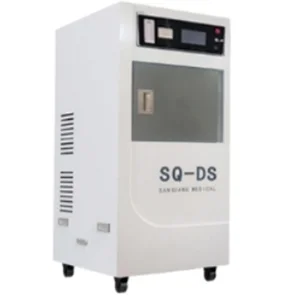
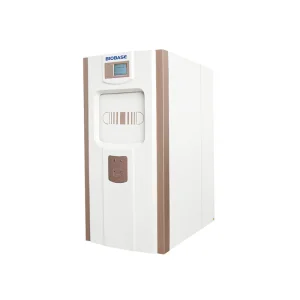
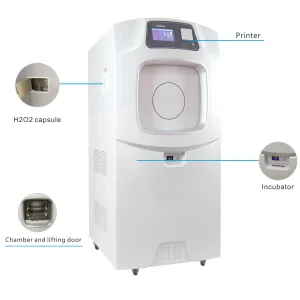
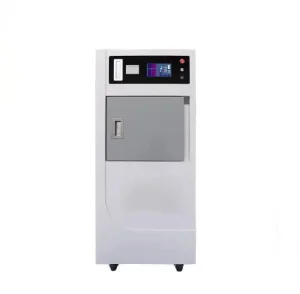
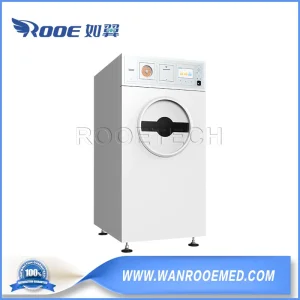
Expert answers addressing the practical, technical, and regulatory questions critical to medical managers and purchasing agents in Gitarama.
Our sterilizers are compatible with a broad range of heat-sensitive and moisture-sensitive instruments. This includes fiber-optic endoscopes, laser probes, ophthalmic surgical lenses, micro-surgical forceps, electronic switches, power tools, and various polymer components. However, they are not compatible with cellulose-based products (paper, cotton, gauze) or liquid solutions, as these materials absorb the hydrogen peroxide and prevent proper plasma generation.
Compared to steam autoclaves, H2O2 gas plasma operates at low temperatures (<55°C), protecting heat-sensitive devices from damage. Compared to Ethylene Oxide (EtO), hydrogen peroxide gas plasma offers significantly faster cycle times (typically 30 to 60 minutes versus 12+ hours for EtO) and is safe for the environment. It converts into oxygen and water vapor, eliminating the risk of toxic chemical residue and removing the need for prolonged instrument aeration.
Installation is straightforward. The systems require a standard, reliable power connection (available in single-phase or three-phase configurations depending on the chamber volume) and a dry, dust-free environment with room temperatures between 15°C and 30°C. They do not require external water lines or drainage connections, as the vaporized byproduct is safely filtered and released as clean air. A dedicated exhaust ventilation system is not required.
Compliance validation is achieved using three methods: physical monitoring (built-in thermal printers and digital touchscreens that track chamber pressure, cycle temperature, and RF power output), chemical indicators (indicator tape or strips that change color when exposed to H2O2 vapor), and biological indicators (spores of Geobacillus stearothermophilus processed with a Fast Auto Reader to confirm biological inactivation).
Get in touch with our application engineers for custom proposals, site assessment guidelines, and volume discount structures.
Send Inquiry Now Estetik Medical